

Sheet Metal Gauge Chart: Steel, Stainless Steel, and Aluminum Thickness in Inches and mm
Time : Aug 21, 2026 View : 66
Picking the right thickness for sheet metal is important. It has a direct effect on part strength. It changes the weight. It affects the cost. It also controls how easy the parts are to make. People often find it tricky to turn gauge numbers into exact measurements. The same gauge number can point to different thicknesses. It all depends on the metal.
This chart shows common thicknesses for carbon steel, stainless steel, and aluminum. The numbers come in inches and millimeters. Engineers use the chart. Product designers turn to it as well. Purchasing teams rely on it when they begin to select materials. They do this before they request a production quote.
What Does Sheet Metal Gauge Mean?
Sheet metal gauge works as an old method. It identifies the usual thickness of metal sheets. In most systems a smaller number means a thicker sheet. For example 12 gauge steel is thicker than 20 gauge steel.
Gauge does not act as one standard for all metals. Carbon steel follows its own rules. Stainless steel uses different rules. Galvanized steel and aluminum follow their own lists too. If you simply write “16 gauge” without the material name problems can appear. The quote may contain errors. The finished parts may not match the order.
Production drawings work better with clear details. List the material grade and the exact thickness. You could write “304 stainless steel, 1.5 mm thick.” The gauge number can appear as extra information.
Sheet Metal Gauge Chart in Inches and Millimeters
The tables below list usual values for common U.S. sheet metal gauges. Actual thickness can vary. It depends on the material standard and allowed variation from the source. Check all important requirements before production begins.
Carbon Steel Gauge Thickness Chart
| Gauge | Thickness in Inches | Thickness in mm | Typical Applications |
| 10 | 0.1345 | 3.416 | Frames and supports |
| 12 | 0.1046 | 2.657 | Heavy duty brackets |
| 14 | 0.0747 | 1.897 | Equipment cabinets |
| 16 | 0.0598 | 1.519 | Enclosures and panels |
| 18 | 0.0478 | 1.214 | Covers and housings |
| 20 | 0.0359 | 0.912 | Light duty panels |
| 22 | 0.0299 | 0.759 | Appliance components |
| 24 | 0.0239 | 0.607 | Small covers |
| 26 | 0.0179 | 0.455 | Ducts and liners |
| 28 | 0.0149 | 0.378 | Lightweight panels |
| 30 | 0.0120 | 0.305 | Thin formed parts |
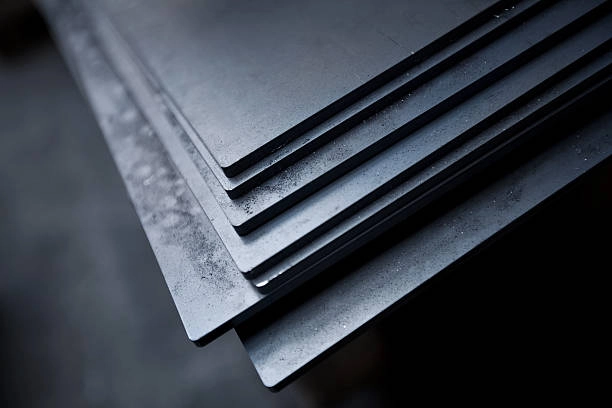
Carbon steel offers a good balance. It provides strength and easy forming. It welds well and keeps cost low. Teams use thicker sheets for structural frames and load bearing brackets. Thinner sheets appear often in covers, panels, and indoor enclosures.
Stainless Steel Gauge Thickness Chart
| Gauge | Thickness in Inches | Thickness in mm | Typical Applications |
| 10 | 0.1406 | 3.571 | Structural components |
| 12 | 0.1094 | 2.779 | Heavy duty equipment |
| 14 | 0.0781 | 1.984 | Industrial cabinets |
| 16 | 0.0625 | 1.588 | Food equipment |
| 18 | 0.0500 | 1.270 | Outdoor enclosures |
| 20 | 0.0375 | 0.953 | Machine covers |
| 22 | 0.0312 | 0.792 | Control panels |
| 24 | 0.0250 | 0.635 | Decorative housings |
| 26 | 0.0187 | 0.475 | Light duty covers |
| 28 | 0.0156 | 0.396 | Thin formed parts |
| 30 | 0.0125 | 0.318 | Liners and shields |
People choose stainless steel for resistance to rust. It fits food processing equipment and medical devices. It works well for outdoor items. Remember one fact. Stainless steel at the same gauge can measure thicker than carbon steel.
Aluminum Gauge Thickness Chart
| Gauge | Thickness in Inches | Thickness in mm | Typical Applications |
| 10 | 0.1019 | 2.588 | Structural panels |
| 12 | 0.0808 | 2.052 | Equipment housings |
| 14 | 0.0641 | 1.628 | Machine enclosures |
| 16 | 0.0508 | 1.290 | Electronic cabinets |
| 18 | 0.0403 | 1.024 | Lightweight panels |
| 20 | 0.0320 | 0.813 | Covers and guards |
| 22 | 0.0253 | 0.643 | Interior panels |
| 24 | 0.0201 | 0.511 | Decorative parts |
| 26 | 0.0159 | 0.404 | Thin covers |
| 28 | 0.0126 | 0.320 | Lightweight liners |
| 30 | 0.0100 | 0.254 | Foil like components |
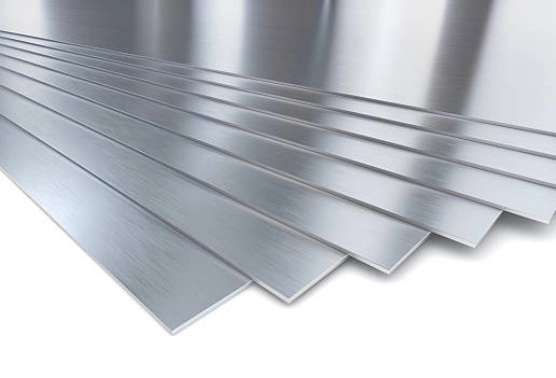
Aluminum works well when low weight matters. It gives natural resistance to rust and helps with heat. Gauge numbers for aluminum can differ from other metals. Drawings should list the exact decimal thickness. It is best not to rely only on the gauge number.
Why the Same Gauge Has Different Thicknesses
Gauge numbers started in old systems. Each system ties to one material. They do not work like plain units such as millimeters or inches. As a result the same number can match different real thicknesses.
Sixteen gauge offers a clear example. Carbon steel measures near 0.0598 inches or 1.519 mm. Stainless steel reaches 0.0625 inches or 1.588 mm. Aluminum sits at 0.0508 inches or 1.290 mm. Mixing these numbers creates issues. Weight calculations may fail. Bend sizes can end up wrong. Assembly clearances suffer. Production costs rise without warning.
A complete note needs several details. Name the metal type. Add the alloy or grade. State the exact thickness. Include tolerance. List the finish you need.
How to Choose the Right Sheet Metal Thickness
Strength and Load Requirements
Start with the loads. Check if they stay steady or involve vibration. Impact can occur. Look at open spans. See whether deformation is possible. Thicker sheets add strength. They also add weight and raise cost. Ribs or flanges can help. Formed bends improve stiffness. These steps often avoid the need for much extra thickness.
Weight and Material Cost
Thickness controls part weight. It decides how much raw material you use. Carbon steel stays economical in most cases. Aluminum reduces overall weight. Stainless steel costs more upfront. It can cut later expenses by removing extra rust protection steps.
For a more detailed comparison, see Deshibo Machinery’s sheet metal thickness selection guide.
Environment and Corrosion Resistance
Indoor parts can use carbon steel with paint or powder coating. Stainless steel handles moisture and chemicals. It survives frequent cleaning. Aluminum brings low weight and fights rust naturally. Many finishes are available. Options include painting, powder coating, plating, polishing, and anodizing.
Deshibo Machinery’s mild steel vs. stainless steel guide provides additional material selection information.
Tolerances and Assembly
Thickness touches many areas. It changes bend allowances. It moves hole positions. Fastener hold can vary. Welding distortion grows with thicker stock. Assembly clearances need review. Coatings add their own layer on contact surfaces. Mark every critical dimension. Show the tolerances. The fabricator can study them. This check happens before tooling and production start.
How Thickness Affects Sheet Metal Fabrication
Thickness influences nearly every operation. In laser cutting it changes speed. It alters cut width. Heat input shifts. Edge quality follows the thickness. During bending thicker stock needs greater force on the press brake. The smallest bend radius increases.
Springback appears more with certain thicknesses. Crack risk can rise. Weld settings must match the material. Heat may create distortion. Fastener choice changes. Finishing steps adjust. A bad thickness choice slows the job. It can create extra operations that add time and cost.
Deshibo Machinery provides custom sheet metal fabrication and metal laser cutting and bending. Its design and engineering team can review drawings. They examine material choices. They study bend requirements and welding details. They check surface finishes before production starts.
Frequently Asked Questions
Q: Is a lower sheet metal gauge thicker?
Yes it is. Most gauge systems work so a lower number equals thicker material. Exact thickness still depends on the metal. The metal could be carbon steel or stainless steel or aluminum.
Q: Is 16 gauge steel the same thickness as 16 gauge aluminum?
No it is not. Normal 16 gauge carbon steel measures about 0.0598 inches or 1.519 mm. Sixteen gauge aluminum measures about 0.0508 inches or 1.290 mm. Always use the correct chart for the material.
Q: Should engineering drawings use gauge or millimeters?
Engineering drawings should list the exact thickness in millimeters or inches. Add the material grade or alloy. This method gives clearer information than gauge numbers alone. It reduces errors in quotes, purchasing, and production.
Get the Right Material and Thickness for Your Project
A sheet metal gauge chart gives a useful start. Final selection needs more thought. Strength comes first. Weight and tolerances follow. Fabrication steps matter. Surface finish plays a role. The operating environment counts. Budget must fit the plan.
Need help to select the correct material and thickness? Send your drawings to Deshibo Machinery. Include all specifications. Note the expected quantity. List the finishing requirements. They will review the design for production suitability. You will receive a quote for custom sheet metal fabrication.
