
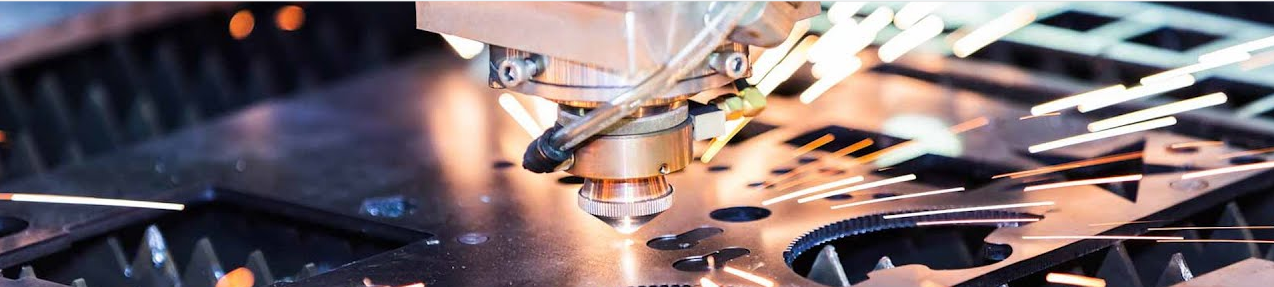
Sheet Metal Thickness Selection: Strength vs Cost Guide
Time : May 28, 2026 View : 106
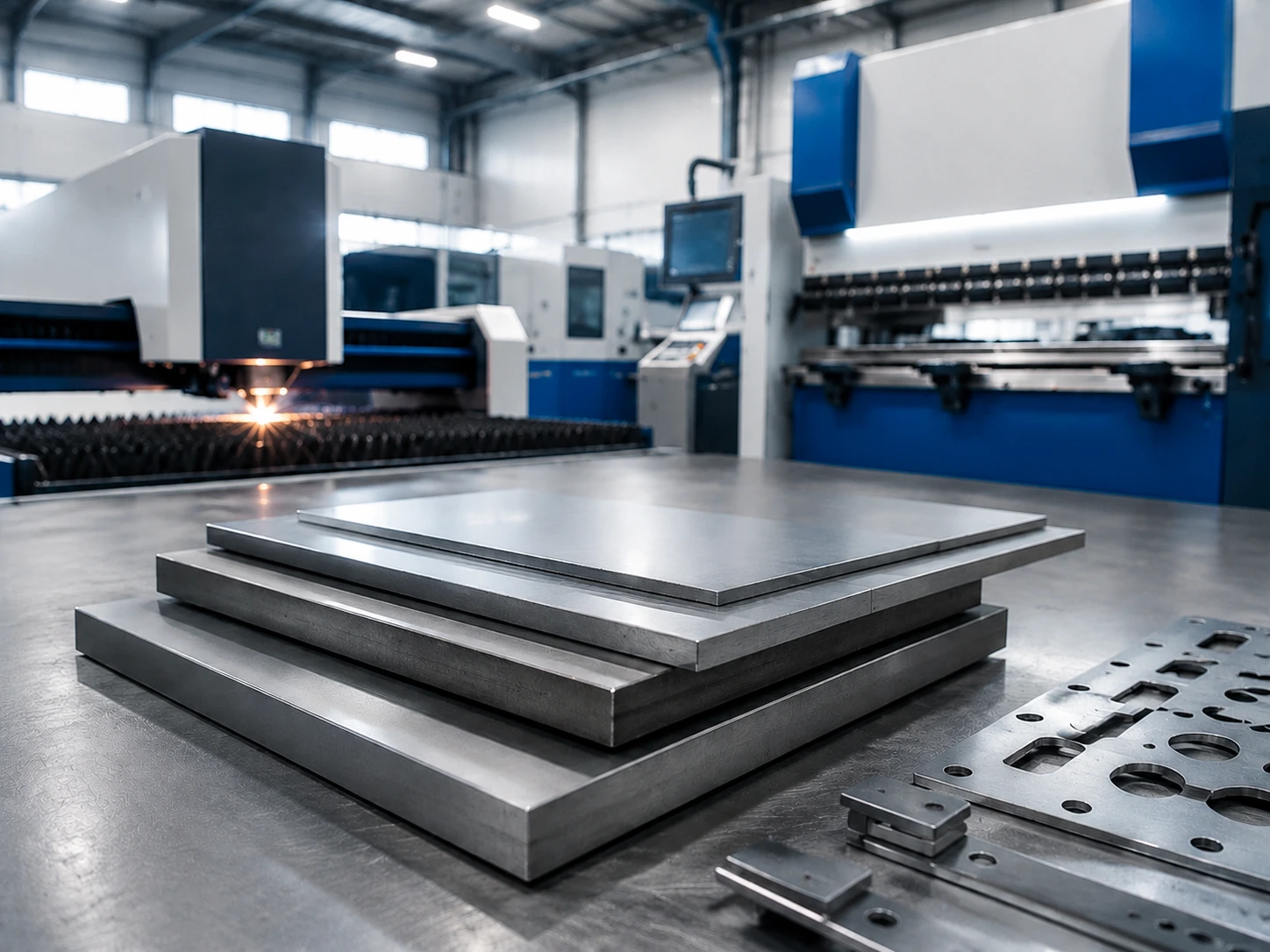
Selecting the right sheet metal thickness isn’t just a technical step—it’s the base of every good fabrication project. The wrong pick can bring weak parts, extra costs, or even failure under load. The right pick keeps strength, ease of making, and low cost in balance so the design and the production both work well.
The Role of Thickness in Precision Sheet Metal Fabrication
Thickness sets how strong a part stays when stress hits. A thicker sheet gives more stiffness but adds weight and can make forming or welding slower. Thin sheets bend into shape more easily, yet they may twist or bend if support is missing. In jobs like electronic boxes or machine frames, the right gauge keeps the part tough without making it too heavy.
It also shapes these areas:
Bending results—thicker sheets need bigger bend radii.
Weldability—thin sheets can burn through, while thick ones need deeper heat to join.
Assembly precision—tight fits need steady thickness from one batch to the next.
Good choice keeps the part working right and holds costs down.
Balancing Strength Requirements with Project Budgets
There is always a trade-off between how strong the part must be and what the budget allows. Too much thickness raises material cost and adds machine time. It can also slow laser cutting or bending. On the other side, a sheet that is too thin may warp or crack later in use.
The best way is to check strength needs early in the design. This helps engineers find a spot where the part stays strong, costs stay low, and quality holds.
Factors Influencing Sheet Metal Thickness Choice
A few technical and cost factors decide which sheet gauge works best for a project. These include the metal type and the way it will be made.
Material Type and Mechanical Properties
Different metals act in their own ways under load:
Steel gives solid strength but adds weight.
Aluminum gives good strength for its weight and fights rust well.
Stainless steel lasts long and looks clean but costs more.
Properties like yield strength, how much it bends before breaking, and hardness decide how thin you can go without trouble. Stock sizes also help because they cut lead time and price compared with special thicknesses.
Functional and Structural Requirements
What the part must do drives most choices:
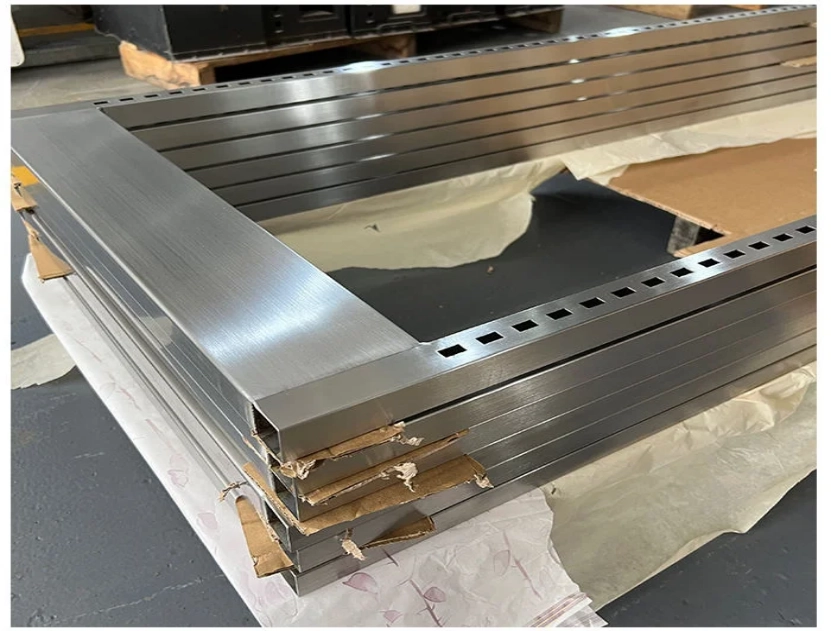
Parts that carry load like brackets or frames need thicker sheets for stiffness.
Light covers or boxes can use thinner gauges to keep weight low.
Exposure to vibration or heat may call for extra thickness to stay steady.
Designers often run stress checks to find spots that need local support instead of making the whole sheet thicker.
Manufacturing Processes and Tolerances
Each step in making the part works differently with thickness.
Thicker sheets need slower speeds when milling or drilling. This protects the tools and keeps accuracy. Size checks must stay tight because heat builds up the longer the cut runs.
Laser power must fit the thickness. Thicker sheets need more power and slower travel. Edge finish can shift a bit as the cut width changes with thickness.
3. Bending
The smallest bend radius grows with sheet thickness. Going past this limit can crack the outer side or leave springback after the bend.
4. Welding
Thicker parts need more heat for full welds. This raises the chance of distortion unless the shop uses good fixtures or preheats the metal.
Cost Implications of Different Sheet Thicknesses
Material price is only part of the total. Machine time, tool wear, and moving the parts also add up.
Material Cost vs Fabrication Efficiency
| Thickness (mm) | Relative Material Cost | Typical Application |
| 0.5–1.0 | Low | Enclosures, panels |
| 1.5–3.0 | Medium | Brackets, housings |
| 4.0–6.0 | High | Structural frames |
Thicker sheets cost more per area, yet they can cut later steps by removing extra braces or joints and saving labor at the end.
Processing Time and Tool Wear Costs
Cutting thicker material takes longer on lasers and press brakes. Longer runs wear tools faster, so shops need more maintenance and that adds cost on big runs.
Transportation and Assembly Considerations
Heavier parts cost more to ship and may need special lifts during install. Assembly lines may also need stronger holding tools when working with thick sheets to keep parts lined up during joining.
Common Thickness Ranges in Precision Sheet Metal Fabrication
Industry standards give useful starting points for choosing gauges based on metal type and job.
Typical Gauge Standards by Material Type
| Material Type | Common Range (mm) | Typical Use Case |
| Steel (mild/stainless) | 0.5–6 | Frames, panels |
| Aluminum | 0.8–4 | Enclosures |
| Galvanized steel | 0.6–3 | Outdoor housings |
These ranges cover most precision sheet metal fabrication needs across industries from electronics to machinery housing.
Application-Based Recommendations
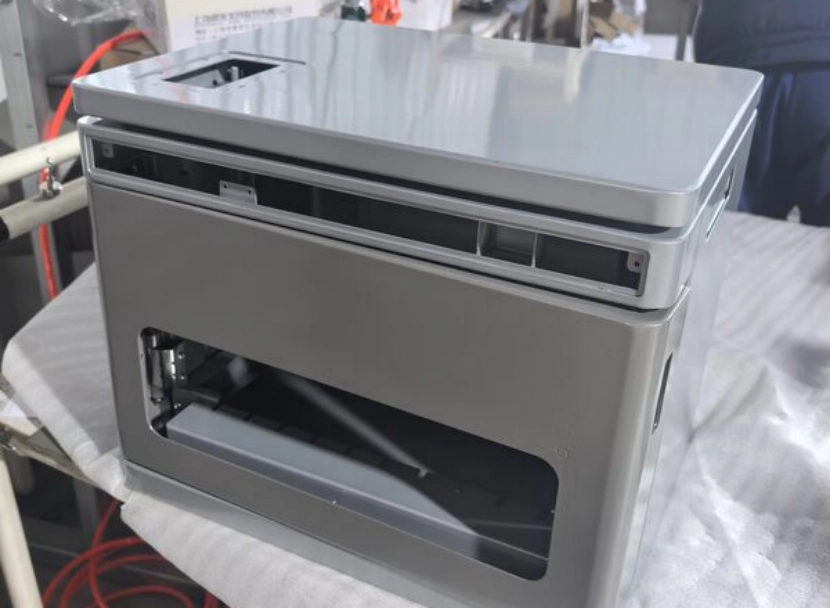
For enclosures, thinner gauges keep weight low while folds add strength where needed.
For frames or brackets, medium to thick sheets give stable support under load.
For decorative panels, thinner material cuts cost and time while still allowing fine cuts on CNC or laser machines.
Optimizing Design for Strength-to-Cost Efficiency at Deshibo Machinery
Before production starts, engineering checks help predict how different thicknesses will act under real loads.
Integrating Engineering Analysis into Design Decisions
Finite element analysis lets engineers test how the part bends or stretches with different gauges before any metal is cut. This early look helps avoid big changes later by spotting weak areas while the design is still on screen.
Collaborative Approach Between Design and Production Teams
Clear talks between design engineers and the shop team make sure the chosen thickness fits the tools on hand and the cost goal. Small changes like adjusting bend radii or adding local support can make the part easier to build without raising the whole gauge.
Deshibo Machinery uses advanced CNC systems that hold tight sizes even on thin parts thanks to multi-axis control. Their strong laser cutters give clean edges on many thicknesses with little cleanup after. Automated bending and welding lines keep results steady across runs by controlling heat and movement on thicker welds.
Practical Guidelines for Choosing the Right Sheet Thickness
Find the highest stress spots in the part using checks or simple math. Match those loads to the yield strength of each metal option and add a safety buffer for heat or vibration. Add up raw metal, machine time, finishing, packing, and shipping.
Use good nesting in the CAD file to cut waste when thicker sheets leave more scrap. Even good computer checks need real parts. Make samples in two or three thicknesses and test how they resist bending, damp vibration, and fit together before locking the final size for full runs.
Looking for the right sheet metal thickness for your next fabrication project? Contact us today to discuss your project requirements and request a quote.
FAQs
Q1: What is the most common sheet metal thickness used in precision fabrication?
Most jobs use between 1 mm and 3 mm. That range is thin enough to form easily yet strong enough for normal use.
Q2: How does material type affect optimal sheet thickness?
Each metal has its own traits. Aluminum can often stay thinner because it gives good strength for its weight, while steel usually needs more thickness to match the same stiffness.
Q3: Why does bending become harder as sheet metal gets thicker?
Thicker sheets need larger bend radii. Going past that limit can crack the outside surface during the bend.
Q4: Does using thicker metal always increase part durability?
Not always. Past a certain point extra weight gives less return unless the loads are high. Smart shapes often work better than just adding more metal.
Q5: How can I reduce cost when working with thick-gauge materials?
Use local braces instead of making the whole sheet thicker, nest parts tightly to cut scrap, and talk with the fabricator early so the design fits their tools.
