
Welding vs. Riveting: Best Sheet Metal Joining Method
Time : May 29, 2026 View : 70
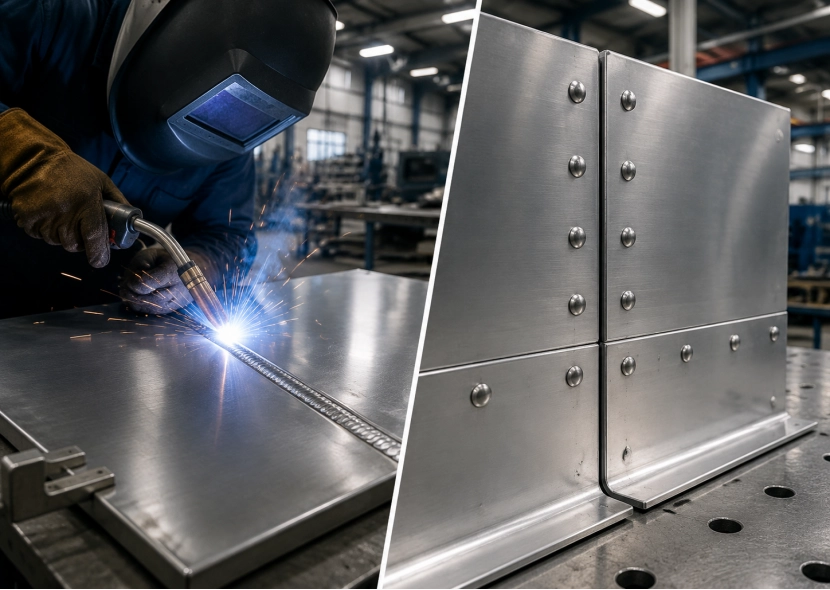
Choosing between welding and riveting in sheet metal work often decides if a product lasts many years or needs fixes soon. For most builds that carry weight, welding gives better strength and smooth joins. Riveting stays a useful pick for light parts or when you may need to take things apart later. Knowing the best uses for each helps engineers match strength, price, and how easy it is to make.
Common Joining Techniques
Common ways to join sheet metal include welding, riveting, bolting, and gluing. Each one has its own strength and look. Welding makes a metal bond with heat or pressure. Riveting uses metal pins to hold parts. Bolting lets you take things apart. Glue spreads stress without visible pins.
The Importance of Choosing the Right Joining Method
Picking the right join method shapes how strong and long-lasting the item will be. A bad choice can lead to cracks or rust at the joins over time. Welded parts stay fixed but are harder to fix later. Riveted parts let you swap one piece without touching the rest.
In fields like planes or electronics boxes, join quality decides both performance and safety rules. One weak spot can hurt the whole item under shaking or heat changes.
Fundamentals of Welding in Sheet Metal Fabrication
Before looking at riveting versus welding, it helps to see how welding works as a join method.
What Is Welding and How It Works
Welding melts metal pieces together with heat or pressure to form a solid bond. In sheet metal jobs, common types are MIG, TIG, spot welding, and laser welding. These differ in speed and detail but all aim to make a lasting join that acts like one piece of metal.
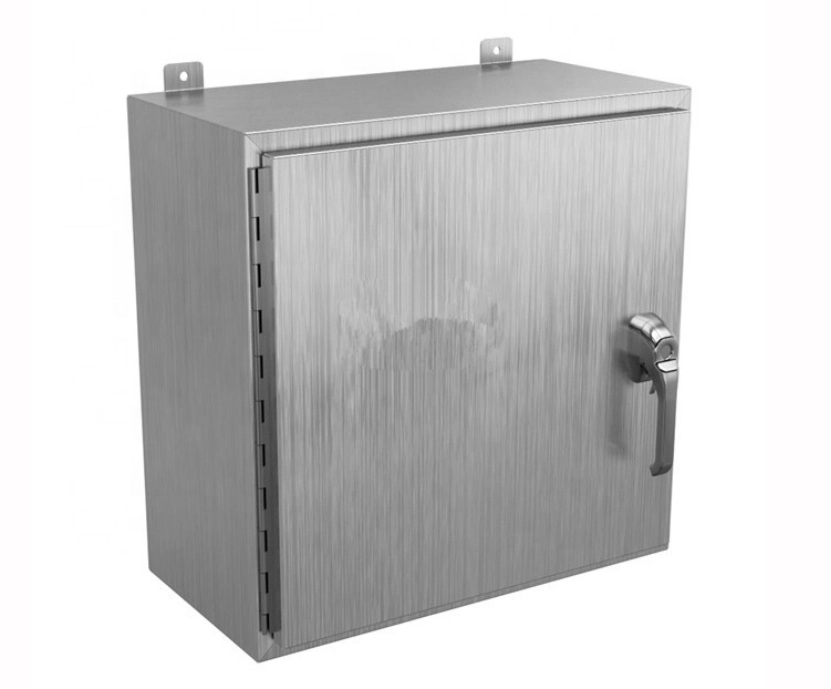
Welded joins are smooth and handle steady loads well. This is why they suit frames, tanks, and sealed boxes.
Advantages of Welding for Metal Fabrication
Welding offers several benefits:
High strength suitable for load-bearing structures.
Airtight and watertight seals ideal for containers or pressure systems.
Smooth surface finish after grinding or polishing—important when aesthetics matter.
Compatibility with automation for mass production.
In addition, modern laser welding minimizes heat-affected zones, improving dimensional accuracy even in thin materials.
Limitations of Welding in Certain Applications
Welding still has limits. Too much heat can bend thin sheets if not watched. Good workers are needed to keep joins even. Once done, you cannot take the parts apart without cutting. This makes fixes more costly.
For metals that change with heat, like some aluminum types, bad welding can weaken the part or start small cracks that grow under stress.
Fundamentals of Riveting in Sheet Metal Fabrication
Riveting offers another way. It uses mechanical pins instead of melting the metal.
What Is Riveting and How It Works
Riveting holds two or more sheets with round pins called rivets. The pin goes through drilled holes. One end is flattened to grip the sheets. Types include solid rivets for planes, blind rivets for one-side work, and tube rivets for light jobs.
This method uses grip from the pin, not melted metal. That sets it apart from welding.
Advantages of Riveting in Assembly Processes
Riveting is particularly effective when joining dissimilar metals since no heat is involved that might alter metallurgical properties. Other notable advantages:
Minimal distortion in thin sheets.
Easier inspection since fasteners remain visible.
Excellent vibration resistance due to joint flexibility.
Simpler field repairs without power sources required by welding equipment.
These features make it popular in aircraft manufacturing and architectural facades where both function and appearance matter.
Limitations of Riveting Compared to Welding
Yet riveting adds weight from each pin. Poor seals can let fluids leak. Holes must line up well or the join weakens and fatigue can start around the holes.
Comparative Analysis: Riveted vs Welded Joints in Sheet Metal Work
Knowing the differences between riveted and welded joins helps engineers pick the best fit for the load and build plan.
Strength and Durability Comparison
Welded joins usually hold more under steady pull because they form one solid metal piece. Riveted joins handle repeated loads better. Their small give takes in shakes better than stiff welds. This is why plane wings use many rivets.
| Property | Welded Joint | Riveted Joint |
| Tensile Strength | Very High | Moderate |
| Vibration Resistance | Moderate | Excellent |
| Weight Impact | Low | Higher due to fasteners |
| Disassembly Ease | Difficult | Easy |
Production Efficiency and Cost Considerations
Once set up, fast welding machines cut build time on big lines. Still, the start-up cost is high because of special tools. Riveting costs less for small runs or field work since it needs only simple tools like air guns or hand tools.
Maintenance, Inspection, and Repair Factors
When harm happens, welded items often need old welds ground out and new ones made. This needs skilled hands. Riveted items let you change single pins without touching nearby parts. This makes upkeep easier for long-use gear like ships or train cars.
Application Scenarios: When to Choose Welding or Riveting
Different fields lean toward one method or the other based on needs and costs.
Industries Favoring Welding Techniques
Car bodies use spot welding on panels and MIG or TIG on frames and exhausts that need tight seals. The smooth look after paint hides the joins, which matters for car looks.
Most planes use many rivets, yet TIG or laser welding is used where tight seals matter, such as fluid lines or engine cases. This keeps weight low while holding strength.
Heavy machine frames rely on welded seams for stiffness under steady loads. This keeps the gear steady even in high-shake spots like pumps or compressors.
Industries Favoring Riveting Techniques
Aluminum in planes loses strength if heated too much. So riveting stays the norm on bodies and wings. Thousands of joins must handle changing pressures without fatigue.
Some metal fronts show rivets on purpose. The pins add both hold and a classic industrial look. Workers on site often pick riveting for fixes. It needs no power or gas, which helps in far-off places or quick repairs.
Integrating Advanced Joining Solutions at Deshibo Machinery
Deshibo Machinery keeps improving its build steps by mixing old skills with new machines.
Key Factors in Selecting the Joining Method
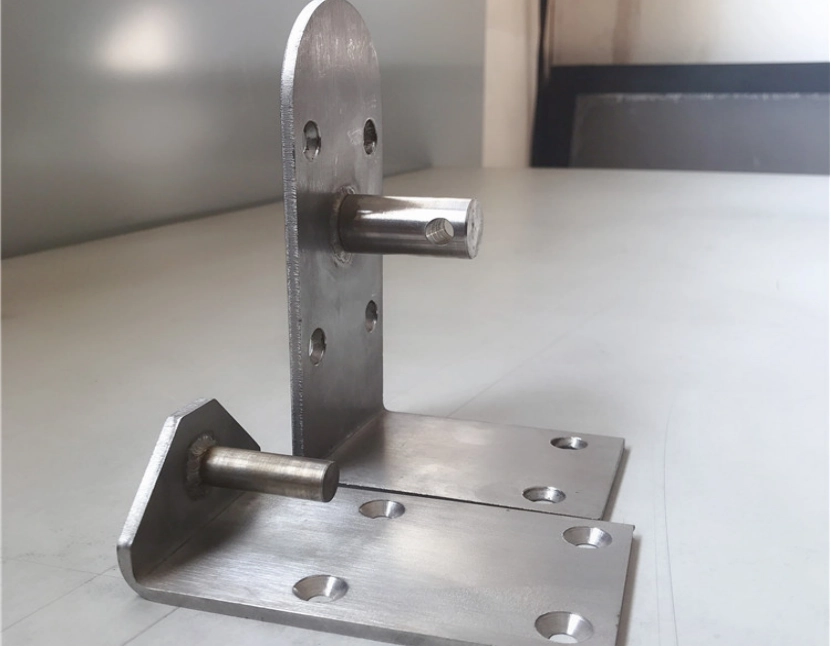
Thin stainless sheets can bend during deep welds. So spot welding or blind riveting keeps size steady while giving enough hold on panels under 1 mm thick. Frames that carry weight gain from welded seams that spread stress evenly. Covers or access panels that carry little weight can use light rivets. These make later take-apart easier during service.
CNC and Laser Technology
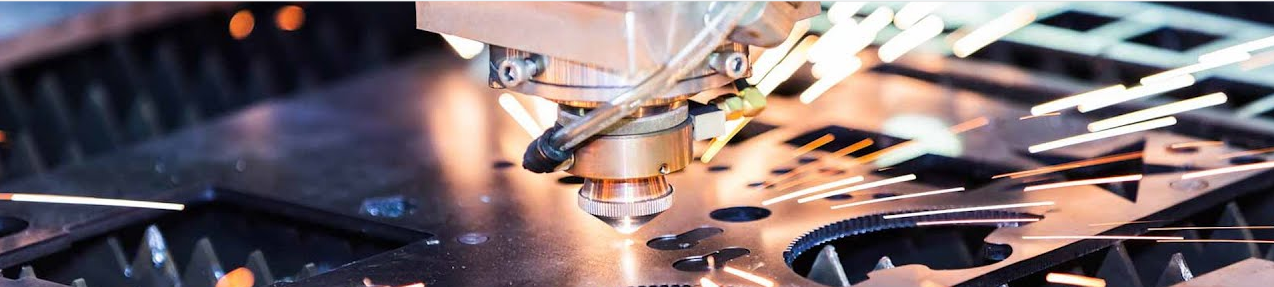
Laser cutters make clean edges before joins. This cuts gaps that could weaken welds or cause bad holes in rivets. CNC prep keeps results the same across runs and lowers fix work inside Deshibo Machinery quality checks.
In the end, success with welding versus riveting comes from knowing what each does best for the job. It means balancing long life with easy fixes while keeping costs down through every build step. Reach Deshibo Machinery today to discuss your sheet metal fabrication needs and contact us for a customized quotation.
FAQs
Q1. Which is stronger: a welded joint or a riveted joint?
Welded joins usually give more strength under steady pull. They turn two pieces into one solid metal rather than using pins at points.
Q2. Why do airplanes still use rivets instead of welds?
Planes use aluminum that weakens if heated. Riveting skips heat, keeps shape, and handles shakes well over many cycles.
Q3. Can you combine welding and riveting on the same structure?
Yes. Hybrid builds often weld main load paths and use rivets where later access or fixes may be needed.
Q4. Is riveting cheaper than welding?
For small jobs or field fixes that need to move around, riveting often costs less. It skips the setup price of fast weld machines.
Q5. What factors determine whether I should weld or rivet sheet metal?
Main points include sheet thickness, load needs, desired look, ease of later fixes, tools on hand, and total number to build. These guide which method gives the best result.
