
Battery Cabinet Fabrication: Key Design Points for Energy Storage Projects
Time : Jun 04, 2026 View : 77
The fast growth of clean power use has made a big need for steady and safe power storage setups. At the heart of this change sits battery cabinet fabrication. Battery cabinets act as the main shield for today’s power storage jobs. They block dust, water, and temp swings. They also give firm support and safe power paths. The build quality of a cabinet shapes how well any outdoor energy storage enclosure works. It also affects safety and how long the whole thing lasts. Good build work does more than guard the cells. It sets how smooth the full system runs when faced with real weather and loads.
The Growing Demand for Energy Storage Solutions
Worldwide, clean power plants now outrun old fuel plants. This shift has shown one clear weak spot—power that comes and goes. Good storage fills the gap by holding power when the sun or wind drops. Because of this, battery cabinet fabrication now plays a key part in keeping large packs safe and steady in many places.
For teams that run spread-out power assets or big grid sites, strong build and easy add-on parts matter as much as raw size. Cabinets must carry heavy loads, take shakes from nearby gear, and face outdoor weather without losing safety or easy access.
The Role of Fabrication in Energy Storage Infrastructure
Fabrication is not only about bending metal. It is about building trust into every join and plate. Careful work keeps each box solid for many years. Custom work lets the box fit different cell types—lithium-ion, sodium-sulfur, or new solid cells—each with its own cooling and space needs.
A solid box brings power paths, heat control, and strong frame into one piece. This cuts power loss inside and makes checks easier while adding years to the whole system.
Core Design Considerations in Battery Cabinet Fabrication
Planning a good outdoor energy storage enclosure means weighing several needs at once: strength, safety rules, rust proofing, and weather seal. Each pick—from metal type to finish—shapes how long the box will hold up.
Structural Strength and Material Selection
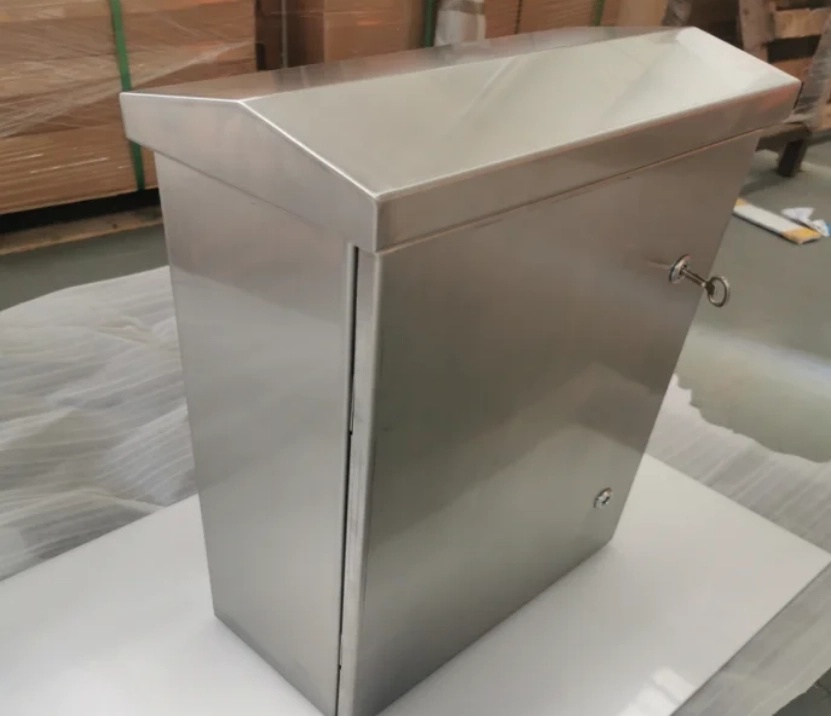
Strength starts with the right metal. Stainless steel fights rust well. Aluminum stays light but still firm. Galvanized steel keeps cost down while lasting. The box must hold the full cell weight plus any shakes during use or move.
Boxes must meet world rules like IEC 62208 or UL 50. These checks confirm good insulation, safe ground paths, and fire hold—key points that stop big failures.
Weatherproofing and IP Ratings
Outdoor jobs need strong defense against bad weather. High IP-rated boxes (IP65 and up) stop dust and water even in heavy rain or dust storms. Tight door seals with good gaskets keep the inside dry yet still let air move when needed.
Coatings like epoxy or polyurethane add extra years by blocking sun damage. This matters most in hot or dry zones where strong light wears metal fast.
Corrosion Control in Harsh Environments
Outdoor spots can be tough, especially near the sea where salt air eats metal fast. Makers use powder coats or zinc layers to build a shield against rust.
Before use in rough zones, many shops run salt spray tests. These tests copy years of real wear in just days and show if the finish will last in ports or plants.
Customization Options for Different Project Requirements
Storage jobs differ a lot—from small city microgrids to huge utility fields—so the boxes must match. Modular frames let crews grow the pack step by step without full redesign. Standard modules cut shipping time and let crews bolt new units in place fast. Pre-wired boxes come with cable paths and ground points already set. This cuts setup time and lowers wiring mistakes on site.
Fabrication Techniques Used in Battery Cabinet Production
Today’s build work mixes machine speed with hand skill. This mix gives steady results on big runs yet still allows custom orders.
CNC Machining and Laser Cutting Applications
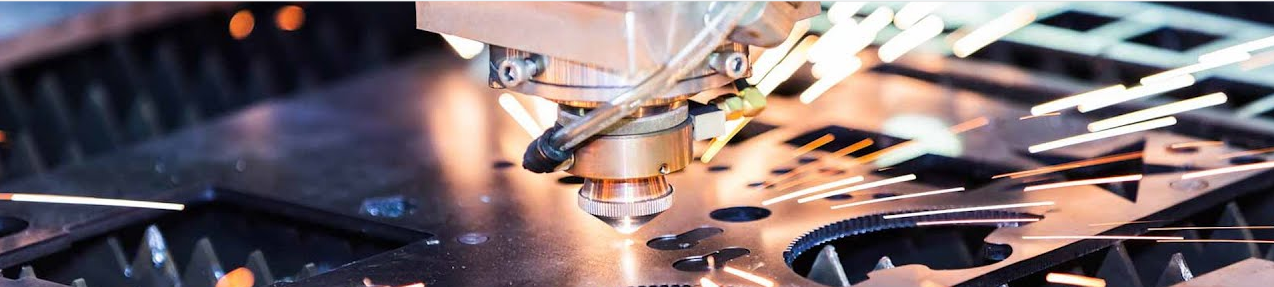
CNC work gives exact sizes for every plate. This matters when many parts must line up to form a tight seal. Laser cutting leaves smooth edges without burrs or heat marks, so vents and cable holes fit well.
Bending, Welding, and Assembly Processes
After cutting, bending machines form clean angles that set the frame shape. Steady bends help parts line up when the box is put together. Welding gives the frame its strength. MIG welding creates firm joins that also look even.
This look helps on public sites like EV hubs or office grounds. Final steps add hinges, locks, seals, brackets, and busbars so the box is ready for power work.
Surface Treatment Processes for Enhanced Durability
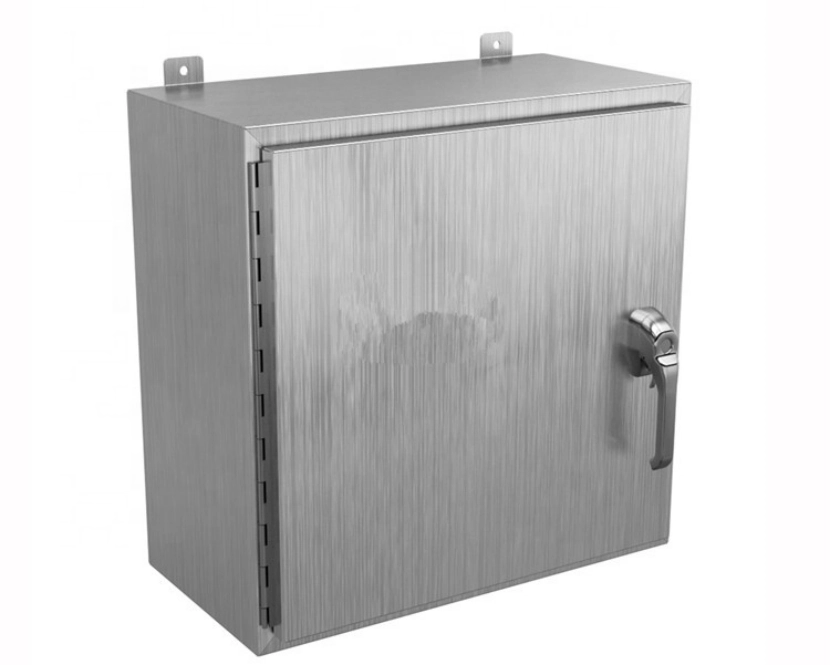
Finish work turns plain metal into a box that can last decades outside.
Powder Coating: Static spray builds a tough layer that resists chips and sun fade.
Painting: Several layers of industrial paint add color and block UV rays.
Anodizing: Often used on aluminum to make the surface harder and more rust-proof.
Galvanizing: A zinc coat protects even if the surface gets scratched.
Each choice fits the job’s budget and weather level.
How Deshibo Machinery Supports Energy Storage Projects
Deshibo Machinery handles every step—from first drawings through CNC work, laser cuts, bends, welds, paint, anodize, zinc coat, and final build. This full flow keeps tight checks at each stage so every cabinet meets tough factory rules on every order.
By pairing modern machines with skilled hands, they help clients cut wait times while keeping exact fits needed for high-voltage work. Whether building modular outdoor boxes for big grid packs or small housings for mixed systems, their full skill set keeps each unit steady under real daily use that decides long-term results in today’s changing power field. Contact us today to discuss your project requirements and get a tailored fabrication solution for your energy storage system.
FAQs
Q1: What materials are best suited for outdoor battery cabinet fabrication?
Stainless steel and galvanized steel are preferred due to their corrosion resistance and strength under harsh conditions.
Q2: Why are IP ratings important in energy storage enclosures?
They indicate how well a cabinet protects internal components from dust and water ingress during outdoor operation.
Q3: How does powder coating benefit battery cabinets?
It enhances durability by forming a hard protective layer resistant to scratches, UV damage, and corrosion.
Q4: What fabrication methods ensure high precision in cabinet production?
CNC machining combined with laser cutting achieves accurate dimensions essential for sealing performance.
Q5: Can modular battery cabinets be expanded later?
Yes—modular structures allow additional units to be added easily without redesigning the entire enclosure system.
