
The Future of Sheet Metal Fabrication: 2026 Trends and Strategic Insights for Global Industries
Time : Jun 18, 2026 View : 79
The worldwide sheet metal fabrication market will see major changes by 2026. Precision sheet metal fabrication goes far beyond basic cutting and bending today. It now serves as the core foundation for modern manufacturing systems. Experts expect the field to grow by 5.5%. This steady rise highlights a clear move toward smarter and tougher production networks.
Automation, data-focused processes, and planned reshoring drive these new networks. Precision sheet metal fabrication continues to push past old production limits. Fields like electronics, medical devices, and data storage keep growing. Because of this, the demand for highly accurate parts climbs fast.
Emerging Technologies Transforming Sheet Metal Fabrication
Over the coming years, new tech will change every step of sheet metal fabrication. This covers everything from early prototyping to final full-scale assembly.
The Role of Smart Manufacturing and Industry 4.0 Integration
Smart manufacturing links machines, workers, and data using smart networks. Live tracking lets workers spot poor performance early. They can fix these issues before they turn into expensive mistakes. AI-guided quality checks keep results steady across different factory lines. The AI finds tiny flaws that human eyes simply cannot see.
Cloud-based sharing tools bring design engineers and fabricators closer together. Work teams can share design updates right away. This speeds up approval times and lowers the chance of doing work twice. Many companies now use Industry 4.0 setups. For them, these digital tools are no longer just an extra choice. They act as a basic need to stay strong in the market.
How Automation and CNC Machining Are Redefining Efficiency
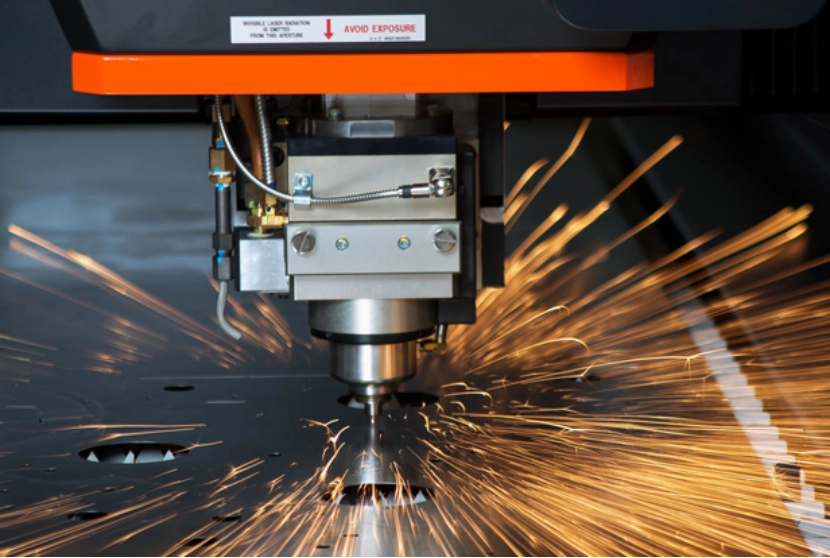
CNC machining stays at the heart of modern precision sheet metal fabrication. It lets workers build very complex shapes with strict limits. Manual methods just cannot reach this level of detail. Automated bending stations use robotic arms to do repeat tasks with flawless skill. Meanwhile, laser cutting machines cut highly detailed shapes very fast.
They do this without suffering from worn-out tools. Fabricators now add robots into their material handling steps. For example, robots load flat sheets onto heavy presses. They also move loose parts between different work areas. These smart steps lower machine downtime and stop workplace injuries. They also raise the total output volume.
Sector-Specific Opportunities in 2026
Specific fields create a very high demand for precision sheet metal solutions. This happens because of their strict technical rules and fast growth paths.
Why Data Centers Are Fueling Demand for Custom Metal Enclosures
The quick spread of global cloud networks makes data centers a massive buyer of metal products. These centers need tough, heat-friendly enclosures. These metal frames protect delicate electronics from dangerous heat. They also keep the whole structure standing strong. Precision sheet metal fabrication helps manage cooling airflow.
It does this through special vented panels and flexible rack frames. Designers build these racks to grow easily as data storage needs increase. These flexible designs make future updates much simpler. Facility managers can add or swap units without rebuilding whole server rooms. This smart choice saves both valuable time and company money.
The Growing Role of Sheet Metal in Medical Equipment Manufacturing
Money spent on healthcare keeps going up around the world. This drives a strong need for safe metal casings. Hospitals use these casings in testing machines, surgery tools, and patient care units. Precision fabrication makes sure these parts meet strict cleanliness rules. It provides smooth outer finishes that block harmful germs.
Light but tough materials like aluminum alloys make devices easy to carry. They do this without losing strength or safety. Makers who can show clear quality records hold a big edge here. Health rule checks now demand total process honesty. This covers everything from buying raw metal to the final product check.
Strategic Insights for Global Industries Adapting to Future Trends
Dealing with these changes well means looking at factory setups in a new way. This includes planning new tech uses and building better supplier bonds.
How Can Manufacturers Stay Competitive in a Changing Market?
Welcome digital growth by using smart manufacturing programs. These programs link production facts across all company departments. Work closely with skilled custom fabricators who provide complete services. This means handling everything from early prototyping to final assembly.
Doing this helps cut down product development times. Put eco-friendly steps first by using materials wisely. Also, switch to power-saving machines whenever you can. Being eco-friendly is no longer just about saving nature. It acts as a smart way to control costs while global material prices go up and down.
What Buyers Should Look for in a Precision Sheet Metal Partner by 2026
Picking the correct partner decides a project’s success just as much as your own skills do. Look for clear skill in CNC machining, laser cutting, bending, welding, and final finishing steps. Seek out strict quality checks supported by modern testing tools. These tools include coordinate measuring machines (CMMs) or advanced optical scanners.
Ensure they have the freedom to manage small test runs for research projects. They must also handle the massive production runs that large OEMs need right away. A good partner mixes smart engineering ideas with fast-moving factory floors. They connect your design goals with real-world building steps perfectly. This works much better than a partner who only cares about the lowest price per piece.
Reshoring and Supply Chain Resilience
The push to bring manufacturing back to the U.S. creates fresh chances for local production. Businesses now look for flexible and fast-acting fabrication partners. They need suppliers who can easily handle changing order sizes or unique custom designs.
Is China Still the Best Choice for Sheet Metal Fabrication in 2026?
By 2026, China will remain one of the world’s leading choices for sheet metal processing. China still accounts for a significant share of global sheet metal production capacity (over 40% to 60% of global output), and its industrial clusters are highly integrated.
Raw materials, processing, welding, finishing, and assembly are typically concentrated in the same area, accelerating production and reducing coordination costs. Large-scale automated machine tool clusters offer efficiency advantages. For high-volume production, machining of complex geometries, and orders with strong cost competitiveness, China remains unmatched. While China continues to dominate large-scale production, countries such as Mexico, Vietnam, and the United States are emerging in the field of specialized or small-batch sheet metal processing projects.
How Deshibo Machinery Aligns with Future Industry Needs
Deshibo Machinery shows how forward-thinking manufacturers get ready for the next industrial shift. We do this through steady spending on smart manufacturing tools and automated systems. Our deep knowledge covers electronics, medical equipment, industrial machinery, and other special areas. In these fields, solid reliability forms the base for what global clients expect.
We focus heavily on working with buyers during every single step. This teamwork lasts from early idea checks all the way to the final product delivery. This care ensures every project gains from exact technical skill and fast, helpful service. Our support matches perfectly with future market needs for speed, easy changes, and top-level quality control.
Contact us today to discuss your next project and discover how our advanced sheet metal fabrication solutions can help your business stay competitive in 2026 and beyond.
FAQs
Q1: What is driving the global growth in precision sheet metal fabrication?
A mix of new automated tools, heavy tech industry needs like data centers, and local reshoring plans pushes steady growth through 2026.
Q2: How does smart manufacturing improve sheet metal production?
It links factory machines using live data networks. This setup boosts exactness, cuts down scrap metal, and quickens choices across the whole plant.
Q3: Why are data centers increasing their use of custom enclosures?
They require flexible setups with excellent heat control. This helps them hold growing cloud networks in a safe and useful way.
Q4: What makes CNC machining vital in modern fabrication?
It delivers perfect accuracy for very tricky shapes. It also keeps this high quality steady across huge production orders.
Q5: How can manufacturers stay competitive amid global supply chain shifts?
They can win by using digital tools and teaming up with local, flexible suppliers. They should also add green, sustainable habits into their daily factory work.
