
How Precision Sheet Metal Fabrication Powers Modern AI Data Centers
Time : Jun 17, 2026 View : 72
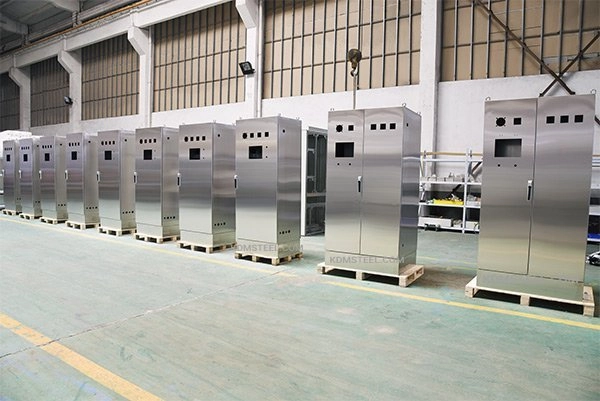
The sudden growth of artificial intelligence tools has changed how we design and build data centers. Each new group of AI servers needs more power. They also require quicker processing and stricter climate control. Precision sheet metal fabrication acts as the hidden foundation for this change. It ensures that server data racks and data center cabinets can manage these growing technical needs. At the same time, it keeps everything reliable and efficient.
Why Are AI Data Centers Expanding So Rapidly?
AI tasks are increasing at a speed rarely seen in other fields. Teaching massive language models or visual recognition systems takes thousands of GPUs working at the same time. This massive level of computing creates huge amounts of heat. It also draws massive electrical power. This puts standard facilities under extreme stress. Because of this, companies are rushing to construct special AI data centers. These new buildings are built specifically for high-density computing.
A strong frame stands behind every line of servers. This structure must stay completely solid despite endless vibration and heat stress. Carefully crafted sheet metal parts hold a vital role in this setup. They supply the stiffness needed to carry heavy equipment. They also allow proper airflow control. If measurements miss the mark by tiny amounts, cooling efficiency falls. This makes routine repairs much harder. Therefore, precision fabrication goes far beyond mere looks. It truly guarantees daily operational stability.
How Does Metal Fabrication Support This Growth?
The flexible nature of custom sheet metal fabrication helps engineers plan server racks and cabinets. These designs fit unique system layouts perfectly. You will spot many setups made of stainless steel or aluminum inside AI facilities. These metals fight off rust. They also keep their strength over many years of use. Furthermore, they are light enough to make setup easy during rapid expansions.
Accurate manufacturing guarantees a perfect fit with modern cooling systems. This includes liquid-cooled GPU trays or rear-door heat exchangers. It also keeps wiring organized for simple maintenance. Builders have the freedom to adjust sizes, holes, and attachment spots. This means every rack can meet top performance goals. It does this without risking safety or blocking worker access.
Precision Sheet Metal Fabrication in Server Data Rack Design
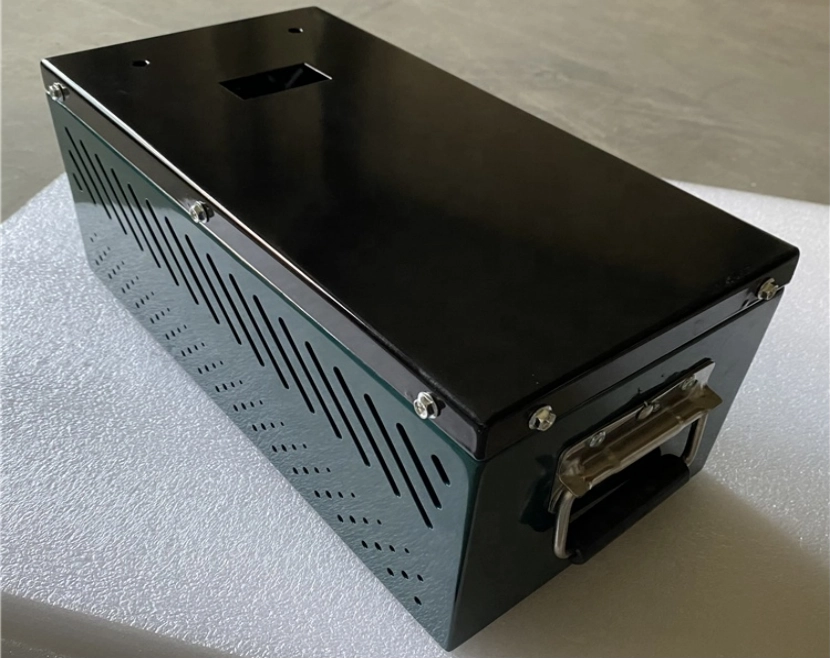
When you step inside an AI data hall, you immediately notice lines of server data racks. They stand with perfect spacing between them. This neat look is no accident. It comes from strict measurement control during the building phase. Methods like CNC machining and laser cutting create uniform alignment across hundreds of units. Because of this, servers slide into place easily. They face no physical blockage.
Precision sheet metal fabrication also supports modular building. This is highly important when centers grow in stages. It also helps when workers must swap parts quickly. Surface finishes like powder coating or anodizing provide extra defense. They protect the metal from moisture and rust. At the same time, these coatings give cabinets a neat, professional look. This fits well in premium spaces where important clients frequently take tours.
Key Fabrication Techniques Used in AI Data Center Production
AI infrastructure continues to grow more complex. Because of this, manufacturing methods must also become more advanced.
CNC Machining for Accuracy and Repeatability
CNC machining delivers outstanding accuracy for making identical parts during large production runs. Computer controls hold exact sizes. They do this even when cutting the complex shapes found in modern rack designs. Examples include custom brackets or mounting rails bent around cooling pipes. This steady quality ensures every single piece fits flawlessly during final assembly. As a result, workers spend less time fixing errors on the job site.
Laser Cutting for Clean Edges and Complex Patterns
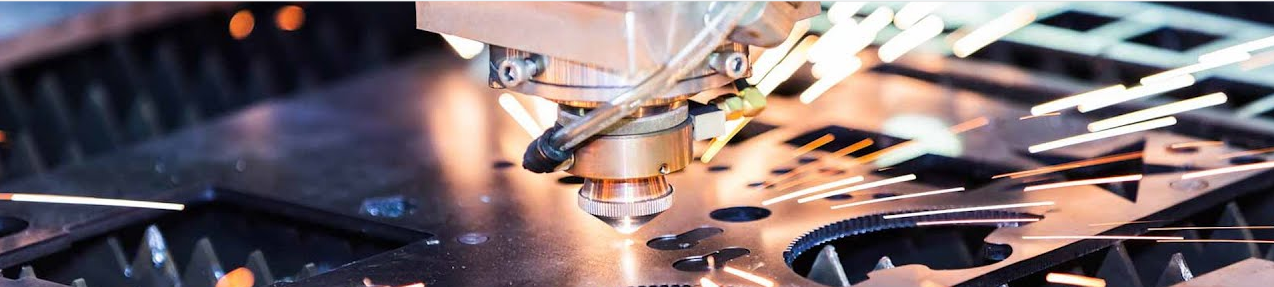
Laser cutting adds speed and neatness to the workflow. It creates crisp edges without rough spots. This reduces the need for extra polishing later. Airflow holds critical importance in data centers. Therefore, laser-cut air vents must remain completely smooth. This stops uneven air movement that might ruin cooling efficiency. The power to cut detailed patterns also aids custom floor plans. This matters greatly when saving space is a top priority.
| Technique | Key Advantage | Application |
| CNC Machining | High repeatability | Structural frames, brackets |
| Laser Cutting | Clean edges & precision vents | Panels, doors |
| Bending | Maintains strength | Enclosures |
| Welding | Seamless joints | Load-bearing assemblies |
Bending and Welding for Structural Integrity
Bending processes fold metal panels into stiff shapes. They do this without losing any material strength. Trained workers watch angle measurements very closely. Even tiny errors can change how panels line up during cabinet assembly. After bending, welding binds everything together. Smooth joints spread the heavy weight evenly. This lets the racks safely support many fully loaded server units. They will not bend or twist out of shape over the years.
Building the Ideal Data Center Cabinet Through Custom Fabrication
Precision fabrication does not stop at making parts. It defines how well those pieces work once built into full systems.
Why Is Customization Important in Modern Data Centers?
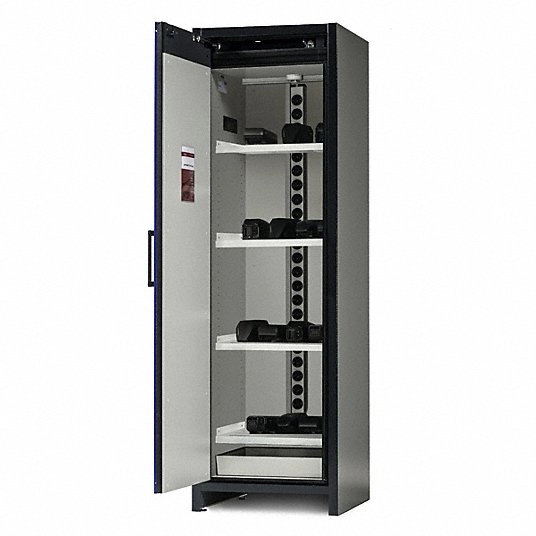
Every AI cluster has its own specific needs. These depend on task size and equipment arrangement. Some groups need wide air channels for heavy airflow. Others depend on direct liquid cooling pipes built right into the cabinet frames. Custom-designed data center cabinets let planners place parts perfectly. They can put fans, filters, power distribution units (PDUs), and cable trays exactly where they work best.
Easy access matters just as much as pure strength for repair teams. A smartly planned cabinet makes changing broken parts simple. Workers can do this without disturbing nearby systems. This saves valuable hours during important operating times.
How Does Precision Fabrication Improve Performance?
Exact manufacturing directly impacts heat control and overall reliability scores. Proper panel alignment helps steady air flow across every rack. Modular building makes future upgrades simple when new GPU models launch. Steady build quality lowers the chance of vibration damage in delicate electronics.
Dense equipment setups face rapid temperature changes. These shifts can create dangerous hot zones in mere minutes. In these places, tiny design benefits combine to deliver clear, measurable daily stability.
Choosing a Reliable Partner for Sheet Metal Fabrication Services
Picking the right company to build your parts determines your future success. It changes how smoothly your project grows later on.
What Should Buyers Look for in a Fabrication Supplier?
A strong partner needs to show real experience. They must know how to handle projects with strict measurement rules. Data center environments typically require these tight limits. The supplier’s factory should house modern tools. These include CNC systems, automatic bending machines, fiber laser cutters, and welding robots. These machines must hold exact accuracy during large production batches.
Quality checks must happen at every single stage. This starts at early model testing and goes until the last inspection. This constant checking ensures every cabinet fits the rules before it leaves the factory. Clear paperwork records also provide major help. They make it easy to copy the exact same build at different sites around the world.
How Deshibo Machinery Supports AI Infrastructure Projects
Deshibo Machinery offers complete sheet metal fabrication services. These cover design improvement, early prototyping, and mass production. We also handle surface finishing and final assembly all in one place. The company’s engineering team works closely with buyers. Together, they create modern server enclosures or network frames. These products are built exactly for high-density computing spaces, such as AI clusters.
Deshibo focuses on building long-term business relationships instead of quick, single orders. This approach helps clients standardize their physical parts across global locations. At the same time, it keeps layouts flexible for future upgrades. This flexibility stands as a vital factor today. Machine learning models keep changing and growing at an incredibly fast pace.
FAQs
Q1: What materials are best suited for precision sheet metal fabrication in data centers?
Stainless steel and aluminum are the most popular choices. People prefer them because they last a long time. They fight off rust well. They also stay strong when holding heavy weights.
Q2: How does precision fabrication impact cooling efficiency?
Exact cuts and steady assembly create better air paths inside the cabinets. This lowers the trapped heat around processors and memory parts.
Q3: Why is customization critical for AI server racks?
AI equipment comes in many different shapes and sizes. Custom designs guarantee a perfect fit for GPUs and power supplies. They also align perfectly with the specific cooling pipes of each setup.
Q4: What technologies enhance accuracy during fabrication?
CNC machining keeps measurements identical every time. Laser cutting provides neat, smooth holes. Automatic bending machines hold the same angles across large batches of parts.
Q5: How do modular cabinet designs benefit large-scale data centers?
These designs let facilities grow step by step. Workers can add new racks smoothly. They do not have to redraw the whole floor plan.
