
Our 9-Step Quality Control Process for Precision Sheet Metal Fabrication
Time : Mar 26, 2026 View : 143
Quality control in precision sheet metal fabrication isn’t just a technical need—it’s the base of trust and reliability between manufacturer and client. When every small bit matters, only a careful check process can make sure that each part works perfectly in real situations. That’s why Deshibo’s detailed 9-step quality control framework makes certain that every made part hits the top global standards before shipping.
Understanding Quality Control in Precision Sheet Metal Fabrication
Precision sheet metal fabrication is a tough area where quality sets performance, safety, and client happiness. At Deshibo, we see quality as a built-in way of thinking, not just a last check.
Importance of Quality Control
Quality control makes sure that every made component keeps steadiness and trustworthiness across batches.
-
It promises product steadiness by checking structural strength and size correctness.
-
It boosts client happiness with steady surfaces and reliable work.
-
It cuts down waste and fixes, so it lowers making costs and material loss.
At our factory, quality isn’t only a group – it’s our base. Every product that leaves our place goes through a strict 9-step quality check process before it gets to our customers. This way of thinking is the key stone of Deshibo’s work, so every job shows careful craft.
Overview of the 9-Step Process
Before we look at each step, it’s key to grasp how this process acts as a steady feedback loop in making. Each part builds on the one before it. This helps spot problems early. It also checks if things match the specs.
Introduction to the 9-Step Process
To hit the best standards in precision sheet metal fabrication, we put in a planned quality control process at every making stage. This ordered way stresses rightness, sameness, and trackability—main supports for any strong making setup.
1. Structural Verification
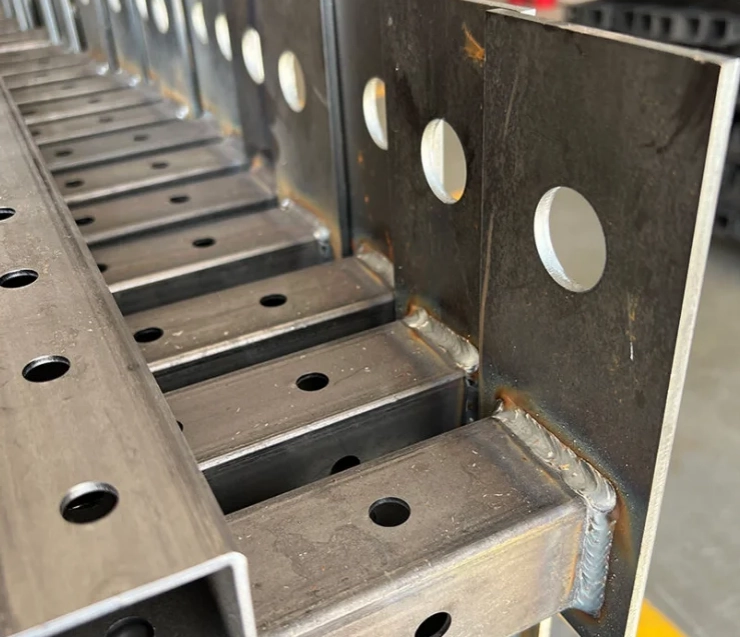
The first step checks the product build by matching each part to its tech drawings. Engineers look at sizes against design papers to make sure they fit the first specs. We fix even small differences right away. This keeps ISO 2768-mK tolerance levels.
2. Visual Appearance Inspection
Surface looks often show bigger making quality. At this point, checkers look over the full surface state of the product. They search for marks, dirt, or cover flaws under bright lights over 1000 lux. This confirms clean finishes.
3. Color Consistency Testing
Even color is a big part in brand show and product okay. We use good color check tools to make sure the powder coat color fits the needed standards. Tools like spectrophotometers with ΔE ≤ 1.5 tolerance keep color steady on all parts.
| Parameter | Standard | Tolerance/Range | Equipment |
| Color Consistency | ΔE ≤ 1.5 | ±0.1 resolution | Spectrophotometer |
| Coating Thickness | ISO 2808 | 60–80 μm (min 50 μm / max 100 μm) | Coating Thickness Gauge |
4. Coating Thickness Measurement
A guard coat does more than make looks better—it keeps metal safe from rust and use wear. We measure the coat thickness to check it hits the needed tech specs. A pro gauge gives reads within ±1 μm rightness for best lasting.
5. Adhesion Strength Testing
A firm link between coat and base stops peeling or breaks in use. We do adhesion checks to make sure the coat sticks well to the metal base. The cross-cut tester checks adhesion by ISO 2409 Class 0—the top mark you can get.
6. Chemical Resistance Verification
Work places show parts to cleaners and solvents each day. To check coat lasting, we run alcohol check tests. Surfaces must not fade or change color when rubbed with cloth wet in 99% alcohol—this shows strength against chemical touch.
7. Comprehensive Dimensional Measurement
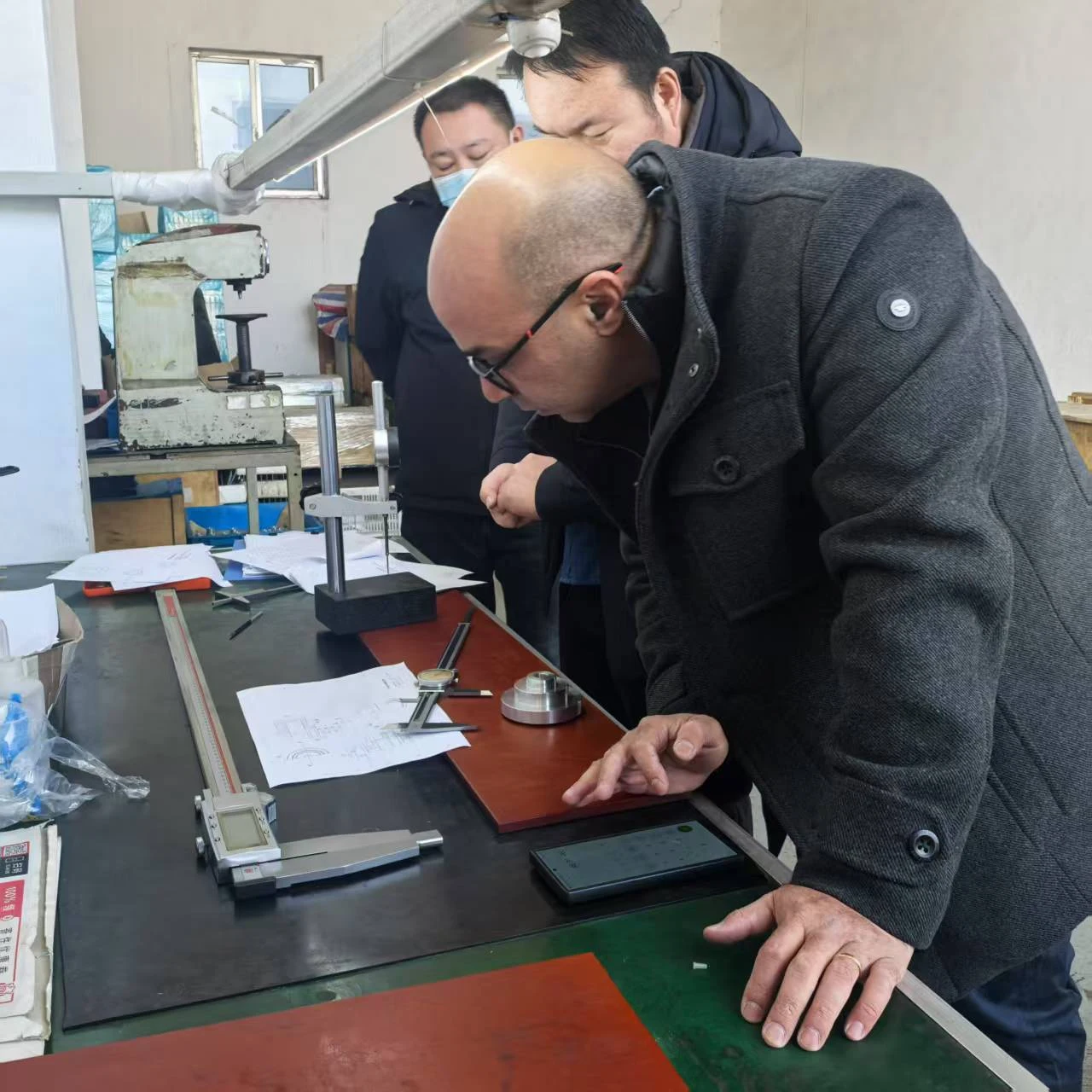
Right size check sets if parts fit together without pull or wrong line. We use right measure tools to check every key size of the product. Digital calipers (±0.01 mm rightness) and coordinate measuring machines make sure they fit drawing tolerances.
8. Thread Inspection
Mech setups count a lot on right threads for safe hold. We check all thread parts with care to make sure they hit the needed standards. Inside threads follow ISO 6H tolerance. Outside threads stick to 6g standards. We use Go/No-Go gauges.
9. Final Testing and Documentation
This last step pulls all check notes into trackable papers for full clearness. After all checks finish and the product passes each test, we make a full check report. We log each item into Deshibo’s track system—this keeps duty from raw stuff through last ship.
Quality Control Equipment and Tools
Trusty checks need trusty tools—and Deshibo puts money into good machines for steady right results.
-
Digital Calipers: give ±0.01 mm rightness for size checks.
-
Coating Thickness Gauge: makes sure powder coats stay in set thickness.
-
Spectrophotometer: spots even small color changes.
-
Cross-Cut Tester: checks adhesion strength by ISO 2409.
-
Thread Gauges: check right fit with Go/No-Go ways.
-
Surface Inspection Lamps: show flaws not seen in usual light.
Each tool adds sure proof that made products hit both inside goals and global rules like ISO 9001:2015 and ISO 14001.
Why Our Quality Process Matters
Deshibo’s good name stands on steady good work, not just now and then perfect. Our clients trust us because our check system cuts out doubt at every making step.
-
Consistency: Every part gets the same check care.
-
Traceability: Full papers from stuff to done product.
-
Precision: Hitting tight tolerance needs for key uses.
-
Reliability: Shown work through ordered tests.
-
Transparency: Clear signs of quality at every making step.
This isn’t only about passing checks—it’s about making sure long-term work in places where fail is not okay, like air brackets or tech boxes.
Contact Us Today
For makers looking for steady partners in custom metal making—from CNC work to laser cut—Deshibo gives not just tech know-how but also firm promise to quality check at every level of making soundness. Contact Deshibo today to talk about your next precision sheet metal fabrication job or learn more about how our certified ways can lift your supply chain steadiness.
FAQs
Q1: What standards does Deshibo follow for dimensional accuracy?
We keep tolerances by ISO 2768-mK with ±0.1 mm for key sizes.
Q2: How do you ensure consistent coating color across batches?
Color steadiness gets checked with spectrophotometers at ΔE ≤ 1.5 tolerance values.
Q3: What type of adhesion test do you perform?
We run cross-cut tests by ISO 2409 needs rated up to Class 0 adhesion strength.
Q4: Are your coatings resistant to chemicals?
Yes, coats pass alcohol wipe tests showing no fade or harm from cleaning stuff.
Q5: Does Deshibo provide full inspection documentation?
Yes—all results get noted in our track system for full clearness from start to end.
