
Laser Cutting vs Metal Stamping: Pros, Cons, and Applications
Time : Mar 27, 2026 View : 158
Laser cutting and metal stamping are two of the most trusted manufacturing processes in modern precision sheet metal fabrication. While both methods form metal into useful shapes, their strong points, weaknesses, and best uses vary a lot. For companies like Deshibo that focus on custom sheet metal finishing, CNC machining, bending, welding, and laser cutting services, knowing these differences is key to picking the right process for each job.
Understanding Laser Cutting and Metal Stamping
Before looking at strong points and weaknesses, it’s important to grasp how each process works. Also, see where they fit in industrial production.
Overview of Laser Cutting
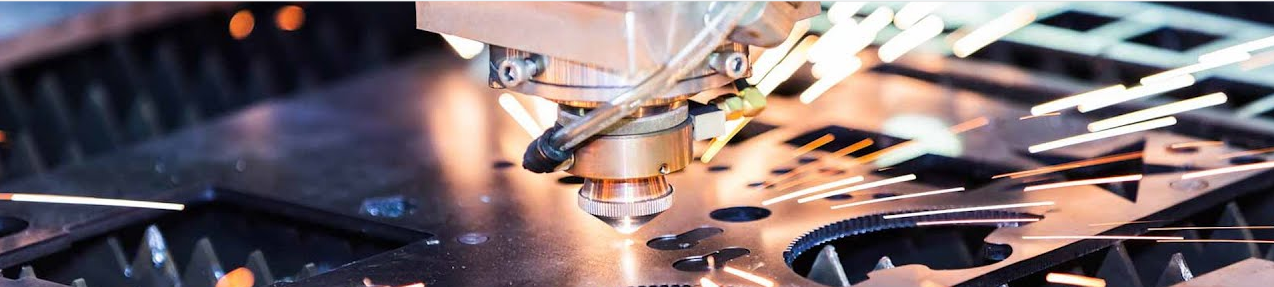
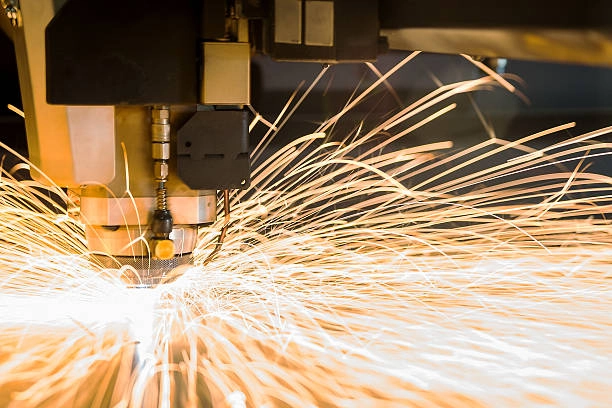
Laser cutting is a high-accuracy manufacturing method. It uses focused laser beams to cut or shape materials with great care. The sharp light beam melts or vaporizes material along a set path. This creates smooth edges and detailed designs.
Common materials include stainless steel, aluminum, copper, steel, and acrylic sheets. All of them can be handled with close tolerances around ±0.1 mm. It works with thicknesses from thin sheets to heavy plates. So, laser cutting suits both prototyping and big production runs.
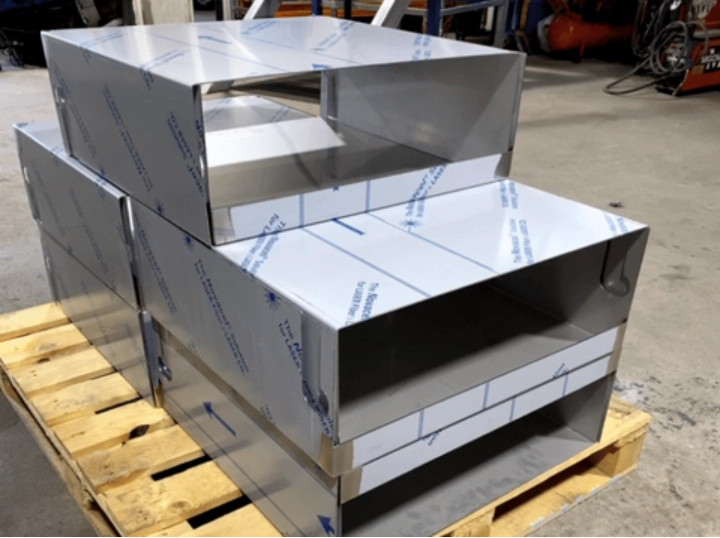
Applications cover many fields. For example, construction parts, store display setups, clean food-grade cabinets, and electronic enclosures all gain from its accuracy. In fact, laser cutting is a main part of today’s fabrication. It gives top-notch accuracy and flexibility to match changing industrial needs.
Overview of Metal Stamping
Metal stamping means pressing flat sheet metal into certain shapes with dies under strong pressure. It includes steps like punching, blanking, bending, and embossing. The process uses custom-made tooling. This ensures steady results across thousands or even millions of parts.
Stamping works well when the shape is basic. It also helps when material waste is kept low through smart layout plans. Typical materials include cold-rolled steel (SPCC), galvanized steel (SECC), brass, aluminum alloys (SUS304), and other bendable metals fit for forming.
Metal stamping gets used a lot in automotive body panels, appliance housings, brackets for machinery, and structural parts. These need high strength and repeat reliability.
Advantages of Laser Cutting
Once the basics are clear, it’s simpler to see why laser cutting leads in accuracy-based manufacturing.
Precision and Accuracy
The main strong point is its accuracy. Laser cutting uses focused laser beams to cut or shape materials with great care. So, engineers can make tricky shapes without extra finishing. The thin kerf width means little heat warping and less scrap. This is vital when using costly alloys or keeping tight size tolerances for fitting parts together.
Versatility and Flexibility
Laser systems deal with various materials. These range from thin foils to thick structural plates. And they do this without swapping physical tools. Speed and flexibility help too. It goes from quick prototypes to large production without custom tooling needs. This suits small runs or jobs that need regular design changes. You can update things digitally, not by making new molds or dies.
Disadvantages of Laser Cutting
Even with its advanced features, laser cutting isn’t always the cheapest option for every case.
Cost Considerations
The starting cost for high-power fiber lasers can be high. Though 3 kW and 6 kW fiber lasers provide energy-saving fast cutting, their buy price is still above old mechanical presses. Running costs go up too. This is because of power use and upkeep for optics alignment.
Limitations on Material Thickness
While new systems can manage thicker metals than in the past, speed falls off fast past certain levels. Too much thickness causes slower rates and possible tapering on edges. That’s not great when even thickness across the cut is key.
Advantages of Metal Stamping
For big production setups where quickness counts more than changeability, stamping keeps an advantage.
Efficiency and Speed
Stamping presses can make thousands of matching components per hour once dies are ready. Since each press forms the part right away, cycle times are much shorter than laser passes one after another. This makes it very cost-saving for big orders. Think automotive panels or electrical connectors.
Durability and Strength
Stamped parts often show good structural toughness. This comes from work hardening during the bending. Design standards stress keeping enough space between holes. This avoids cracks during forming. So, components stay strong even under heavy loads in tough machines or vehicles.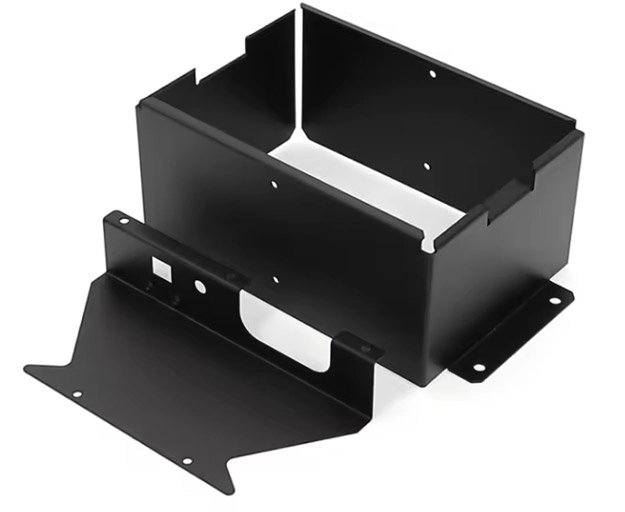 Disadvantages of Metal Stamping
Yet, this quickness brings downsides that cut its changeability in custom manufacturing cases.
Initial Setup Costs
Making special dies needs skilled toolmakers and long wait times. For small batches or prototypes where designs might shift often, these setup costs get too high. This is compared to digital methods like laser cutting.
Limited Flexibility
Any change in shape calls for new tooling completely. Even small tweaks, like hole size shifts, require remaking molds. Design changes require new tooling. This raises both cost and project time for sure.
Applications in Various Industries
Both methods play important but different parts across fields. It depends on production size and needs.
Use Cases for Laser Cutting
Automotive makers use laser cut steel sheets for custom brackets or prototype setups. They do this before moving to full stamping tools. Aerospace groups use it for light structural frames that need tiny-level accuracy. Electronics makers like how it forms fine enclosures without rough edges or twists. It’s perfect for small devices that want clean looks plus solid function.
Use Cases for Metal Stamping
On the other hand, stamping rules where numbers beat custom work. Body panels in vehicles, appliance shells in consumer goods, reinforcement plates in industrial machines all gain from steady output at low cost per piece. This happens once tooling is done.
| Process | Ideal Production Volume | Typical Materials | Precision Level | Setup Time |
| Laser Cutting | Low–Medium | Stainless steel, aluminum alloys | ±0.1 mm | Minimal |
| Metal Stamping | High | Steel sheets (SPCC/SECC), brass | ±0.2 mm–±0.5 mm | Long |
Contact Deshibo Today
Deshibo blends both processes in its advanced fabrication skills. It pairs accurate laser cutting with added bending, welding, surface finishing (powder coating or anodizing), and assembly services. This gives full start-to-finish solutions. Whether you want fast prototypes or large-made components with strong traits, Deshibo’s know-how ensures steady quality at every production step. They use green ways like recyclable materials and energy-smart operations.
FAQs
Q: What materials are best suited for laser cutting?
Stainless steel, aluminum alloys, copper sheets, mild steel plates, and acrylic panels perform exceptionally well under fiber laser systems due to clean edge formation.
Q: When should I choose metal stamping over laser cutting?
Choose stamping when producing high volumes of identical parts where tooling costs can be amortized over large quantities.
Q: Can both processes be combined?
Yes — many manufacturers use laser cutting for prototypes before transitioning designs into stamped production tools once finalized.
Q: How accurate is modern fiber laser technology?
Tolerances can reach around ±0.1 mm depending on material type and machine calibration settings.
