
How to Avoid HAZ on Metal Parts During Laser Cutting
Time : Apr 02, 2026 View : 159
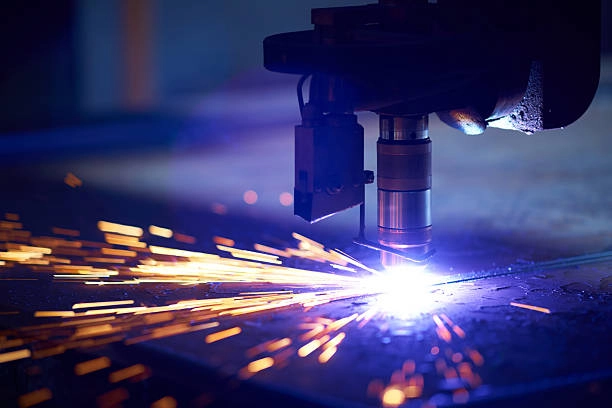
When you cut metal using lasers, there’s this quiet but important issue called the Heat-Affected Zone (HAZ). This spot, even if you can’t see it easily, might change how strong a part is mechanically. The main way to get good results in sheet metal and fabrication is to learn how HAZ happens and use ways to cut down its impact.
What is HAZ on Metal Parts?
The Heat-Affected Zone (HAZ) means the part of the metal that goes through changes in structure or qualities because of hot temperatures in jobs like laser cutting or welding. It does not melt. But it has changes in its tiny structure that might make the material weaker if you don’t control it right. In laser cutting, a tight beam makes strong heat in one small spot. Laser cutting is a careful way to make things. It uses aimed laser beams to slice or form stuff very exactly. The heat spreads out from the cut path. And that makes a heat slope. This slope sets the HAZ. The HAZ changes size based on things like laser power, speed, and how thick the material is.
Heat changes the grain setup and leftover stresses in metals. Take steels, for instance. Quick heat and cool down can cause hardening or making it brittle close to the cut side. Aluminum and copper might get softer. Knowing these differences matters a lot in steel sheet fabrication. There, keeping sizes right and strength is key.
Why HAZ is a Problem in Sheet Metal Laser Cutting
Laser cutting gives great accuracy and quickness. But too much HAZ can hurt how well a part works. The heat in one spot shifts the metal’s basic qualities. It often lowers strength against breaks or tiredness in those changed areas. In slim sheet metal fabrication jobs, a tiny HAZ can lead to bending or tiny cracks when under pressure. When mechanical qualities get worse, parts become more breakable and don’t last as long. In fields like aerospace or electronics, where you need trust, you must control HAZ. There’s no choice.
HAZ also changes how good the surface looks. Color shifts or rust might show up on edges from high heat. This means you need extra steps after, like rubbing or shining. And that adds money and time.
Which Processes Cause the Most HAZ?
How big the Heat-Affected Zone gets mostly comes from how much heat goes into the material. It also depends on how fast that heat leaves. Laser strength, beam aim, and speed of movement all have big parts. If you cut slow, heat builds up more. That makes the HAZ bigger. On the other hand, faster speeds cut down the time heat stays. They also lessen heat spread. Strong lasers can go through thick stuff well. But if you don’t set things right, they might make the changed area wider.
Compared with other methods:
|
Cutting Process |
Typical HAZ Width |
Relative Thermal Input |
Notes |
|
Fiber Laser Cutting |
Smallest |
Low |
Precise control; minimal distortion |
|
CO₂ Laser Cutting |
Moderate |
Medium |
Slightly larger HAZ due to longer wavelength |
|
Plasma Cutting |
Large |
High |
Broader heating zone; rougher edges |
|
Oxy-Fuel Cutting |
Very Large |
Very High |
Significant thermal impact; used for thick steel |
Plasma and oxy-fuel ways make bigger areas. That’s because they use burning or charged gas flows. These send more heat to the piece than the aimed light from lasers does.
How to Avoid or Minimize HAZ
To cut down HAZ, you need to improve the process. Also, pick tools and materials wisely.
Selecting the Optimal Cutting Method
Pick between fiber lasers and CO₂ lasers. This choice really affects heat actions. Fiber setups turn electric power to light power better. They use short waves that metals take in easier. Utilizes 3kW and 6kW fiber lasers for energy-efficient, high-speed cutting. This good turning leads to neater cuts. And the heat zones stay small.
What the material is also decides the method:
- Stainless steel benefits from fiber laser precision.
- Aluminum reflects certain wavelengths; fiber lasers handle it better than CO₂.
- Thick carbon steels may still favor plasma for productivity despite larger HAZs.
Pick by how much the material bounces light and how thick it is. That keeps a good mix of quality and speed.
Optimizing Cutting Parameters
Adjusting settings is where you get the biggest wins to reduce heat harm:
- Laser Power:Use only as much energy as needed for full penetration.
- Cutting Speed:Higher speeds reduce exposure time but must maintain complete separation.
- Focus Setting:Proper focal length concentrates energy precisely at the surface.
- Assist Gas:Oxygen increases oxidation; nitrogen or argon helps achieve cleaner edges with less heat spread.
Today’s auto systems let you change these things as you go in the job. That gives steady outcomes for different shapes. It’s a real help in today’s sheet metal fabrication work.
Post-Processing Techniques to Mitigate HAZ Effects
At times, even best settings can’t wipe out all heat effects. After work helps bring back evenness:
- Annealingrelieves internal stresses induced by rapid cooling.
- Heat treatmentrebalances hardness gradients across affected zones.
- Surface finishingremoves oxide layers formed during cutting.
You need these when parts have to fit tough rules for strength or looks. Like in food-safe stainless boxes or tech cases where color change won’t do.
Deshibo’s Approach to Reducing HAZ
Deshibo uses a full method. It mixes new tech with strict checks all through its sheet metal fabrication flow. Processes stainless steel, aluminum, copper, steel, and acrylic panels with tight tolerances (±0.1mm). Their line has auto fiber laser setups. These pair with smart move controls made just to cut unwanted heat effects. Features automated material handling with 24/7 operational capacity through integrated warehouse systems. This non-stop work keeps heat handling steady over groups. It avoids changes from workers. That’s a usual reason for uneven edges in other places.
Besides fancy gear, Deshibo stresses full joining: Combines laser cutting with complementary services: Precision bending, stamping, and welding. This teamwork lets them watch total heat add-up over many steps. So no one part hurts the end strength. Their check system with many stages looks at each piece. It makes sure sizes are right before next. This shows their strong promise to keep build strength. Even with short times in big factory jobs.
For buyers wanting solid steel sheet fabrication with little bend risk, teaming with Deshibo is key. It uses not only tools but skills built over years of exact making know-how.
FAQs
Q: What causes a large Heat-Affected Zone during laser cutting?
Excessive power levels or slow feed rates increase localized heating, expanding the thermal gradient around the cut area.
Q: Which laser type produces less HAZ?
Fiber lasers typically generate smaller HAZs than CO₂ lasers due to their higher absorption efficiency in metals.
Q: Can post-processing fully remove HAZ effects?
While treatments like annealing can restore properties partially, prevention through optimized parameters remains more effective.
Q: Does material thickness affect HAZ size?
Yes—thicker materials retain more heat longer, leading to wider affected zones unless compensated by higher speeds or assist gases.
