
Laser Cutting vs CNC Machining: Which Manufacturing Process Saves More Cost?
Time : Jul 02, 2026 View : 51
People frequently compare laser cutting and CNC machining. This topic arises a lot when we talk about speed and cost in sheet metal manufacturing. Both methods offer great accuracy. Both rely on computer controls. However, they operate through completely unique methods.
What Each Process Does in Sheet Metal Manufacturing
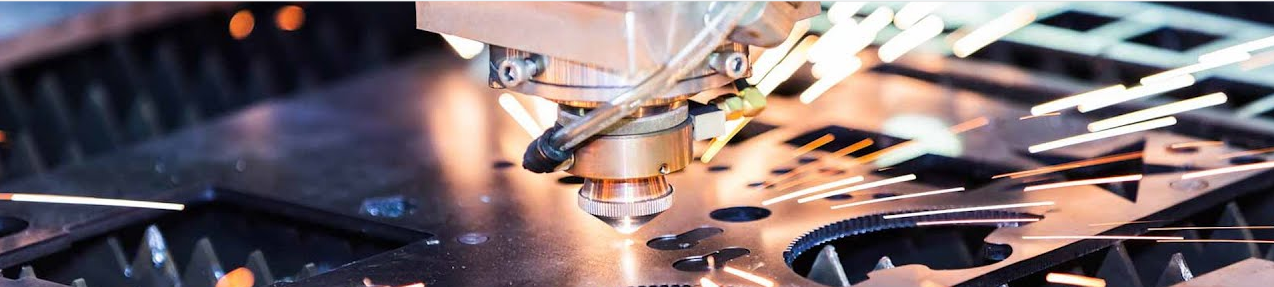
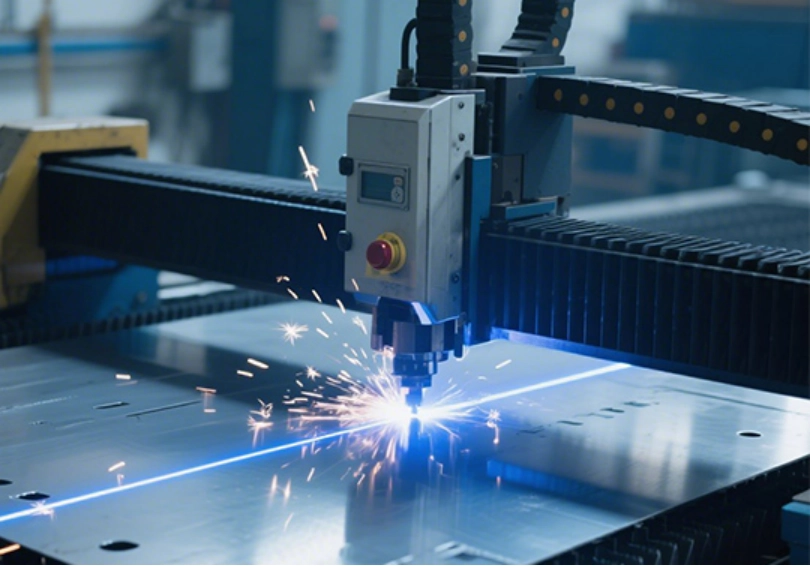
Laser cutting relies on a highly focused beam of light. This beam slices through metal sheets very quickly. It also provides excellent detail. The light actually melts or burns away the metal. It follows a specific digital path. This leaves a tiny cut width. It also creates a very small heat affected area. The overall process is quick. It is highly reliable. Furthermore, it works perfectly for flat sheet metal parts.
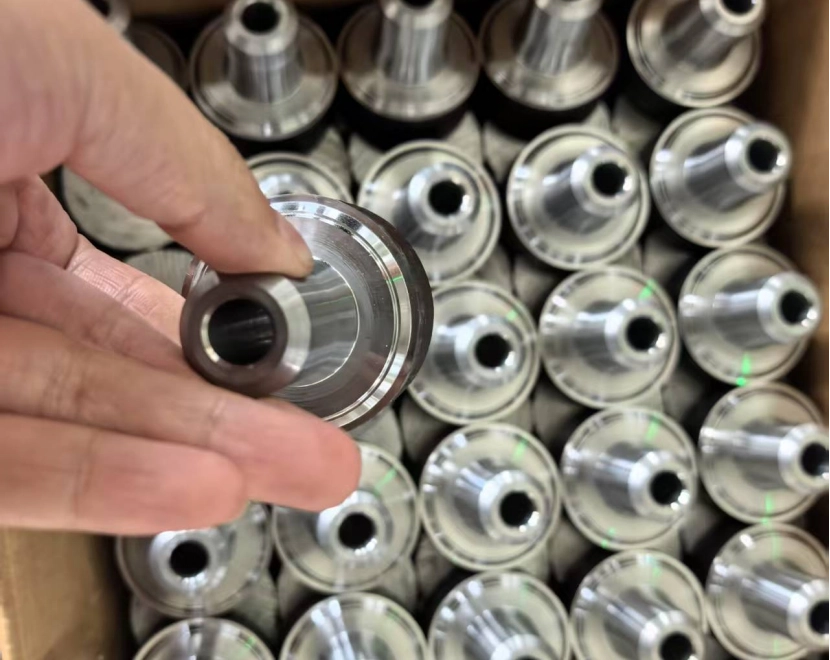
CNC machining takes a different approach. It cuts material away from a solid block of metal. The machine uses spinning cutting tools to build complex shapes. This method is a subtractive process. Each movement of the cutter shaves off a little more metal. Eventually, the final part takes shape. This process takes more time than a laser for basic flat shapes. However, it does a fantastic job making detailed 3D parts.
Computers guide both of these systems. Still, they have distinct daily workflows. They also remove metal differently. Their final applications vary a lot too. A laser system traces a simple 2D line. Meanwhile, CNC machining uses complex multi-axis paths. These tool movements can carve out nearly any physical shape.
When Each Process is Typically Used
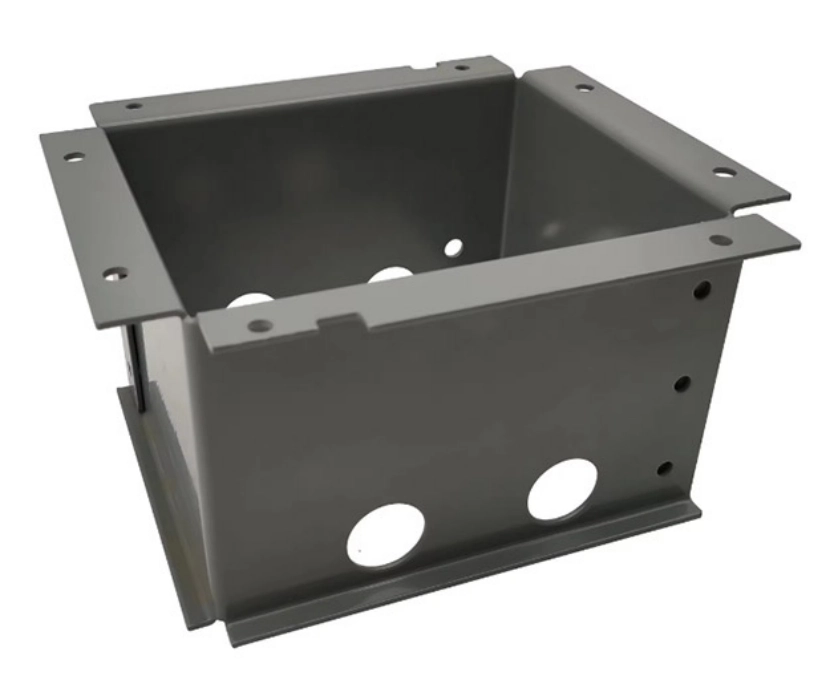
Laser cutting is the best choice for flat sheet items. It works well for decorative metal panels. It also helps build early models that need smooth borders. Shops frequently use it to make metal boxes or simple brackets. In these cases, the final look is just as important as the actual function. On the other hand, CNC machining handles thick metal blocks better. It is the right pick for 3D components. It also manages parts that need very strict measurements or screw threads. Common examples include motor housings, strong mechanical joints, and custom holding tools.
Cost Structure Analysis: What Really Drives the Price
The cost difference between these two methods doesn’t come down to machine price alone; it’s about how each process handles setup, waste, and time on the floor.
Setup and Programming Costs
CNC machining often requires longer setup times due to toolpath programming and fixture design. Every new part may need custom tooling or jigs to hold it securely during cutting. Laser cutting has quicker setup cycles, especially for repetitive sheet metal jobs where nesting software can generate layouts in minutes. For short runs or prototypes, this difference can be decisive.
Material Utilization and Waste Reduction
Laser cutting minimizes waste through precise nesting of parts on sheet layouts. Modern software arranges parts tightly together on the metal sheet to reduce scrap rates dramatically. CNC machining produces more scrap due to subtractive processing from solid blocks—often removing more than half of the original material volume before reaching final form. That waste has both material and disposal costs attached to it.
Machine Time and Labor Efficiency
Laser cutters can process multiple parts faster in batch production because they move continuously across the sheet with no tool changes needed between cuts of similar thicknesses. CNC machining may take longer per part but achieves higher dimensional accuracy where needed—critical when threads or bearing fits are involved. The trade off is speed versus precision tolerance capability.
Comparing Operational Factors That Influence Cost Efficiency
Cost efficiency isn’t just about how fast a machine runs; maintenance schedules and energy draw play their part too.
Energy Consumption and Maintenance Requirements
Laser systems consume significant power during high output runs but require less tooling maintenance since there are no physical tools wearing out against metal surfaces. CNC machines need periodic tool replacement and spindle maintenance that add to long term costs—especially in high duty environments where cutter wear is constant.
Tolerance, Finish, and Secondary Processing Needs
Laser cutting often requires deburring or edge finishing for thicker metals because molten edges can leave slight burrs or oxide films depending on gas type used (oxygen vs nitrogen). CNC machining can achieve smoother finishes directly from the machine surface finish—reducing post processing time when tight surface requirements apply.
Which Process Saves More Cost in Real Manufacturing Scenarios?
In real world production lines, context dictates cost efficiency more than any single metric.
For Thin Sheet Metal Parts
Laser cutting usually delivers lower cost per part due to speed and efficient nesting. Flat components like control panels or chassis plates benefit most here since they require minimal secondary operations afterward.
Ideal applications include enclosures, brackets, or precision panels with consistent thickness—the kinds of parts seen across electronics housings or HVAC systems.
For Complex or High Tolerance Components
CNC machining becomes more cost effective when precision holes, threads, or multi-axis features are required. It’s more suitable for mechanical assemblies or parts exposed to mechanical stress such as engine mounts or hydraulic fittings where micro-level alignment matters more than cycle time.
How to Choose the Right Process for Your Project Budget
Choosing between laser cutting vs CNC machining depends heavily on project priorities—speed, geometry complexity, finish quality—all pulling costs in different directions.
Evaluating Based on Production Volume and Design Complexity
Low volume prototypes may favor laser cutting’s flexibility and shorter lead time since you can modify designs quickly without retooling costs. High volume precision runs might justify the upfront investment in CNC machining setups because once tuned correctly, cycle consistency offsets initial programming expense.
Consulting with a Professional Metal Fabrication Partner
A qualified manufacturer like Deshibo Machinery can assess your drawings, tolerances, and budget goals before recommending either—or both—in sequence. Combining both methods—laser cutting for blanks followed by CNC finishing—often achieves optimal cost balance by leveraging each technology’s strengths efficiently across stages of production.
The Strategic Perspective: Balancing Cost with Quality and Lead Time
Cost savings should not compromise functional performance or durability of parts; that’s a short term win leading to long term loss if tolerances drift under load conditions later.
Integrating laser cutting and CNC machining within one workflow enhances efficiency across production stages: lasers handle 2D profiling fast while CNCs refine key dimensions afterward without needing separate suppliers.
Partnering with an experienced fabrication team ensures you select the right process mix for sustainable cost advantages while maintaining consistent quality standards under real manufacturing pressures.
Contact Deshibo Machinery today to discuss your drawings and get a customized manufacturing solution for your next project.
FAQ
Q1: Is laser cutting cheaper than CNC machining?
For thin sheets or 2D profiles yes—laser cutting generally offers lower per-part costs thanks to faster processing speeds and minimal setup effort.
Q2: When should CNC machining be preferred?
When parts demand tight tolerances, threaded holes, complex contours, or structural strength beyond what flat sheets provide.
Q3: Can both processes be combined?
Yes. Many manufacturers cut blanks via laser then move them into CNC setups for finishing operations—a hybrid approach balancing speed with precision accuracy.
Q4: Which process offers better surface finish?
CNC machining typically produces smoother surfaces directly off the toolpath whereas laser cut edges may need light finishing depending on thickness and gas choice used during cut.
