
What Is Sheet Metal Tolerance and Why Does It Matter?
Time : Jun 26, 2026 View : 49
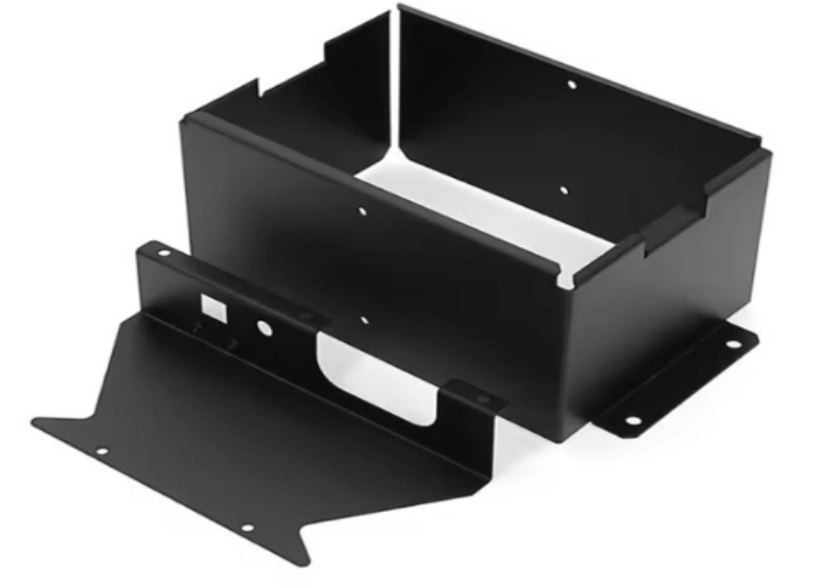
In sheet metal fabrication, precision involves more than just utilizing high-tech machines. It also requires understanding the exact amount of variation a specific part can handle. This ensures the component still functions properly.
What Is Sheet Metal Tolerance?
Sheet metal tolerance establishes the allowed amount of size variation during the fabrication process. It represents the gap between the target dimension of a part and its final measurement. This final size is checked after cutting, bending, or welding operations.
Engineers often specify a target dimension, such as a hole diameter of 10 mm. When they do this, they must also determine the acceptable deviation. This allows the feature to operate exactly as planned. The allowed difference might be ±0.1 mm or ±0.5 mm. The choice depends entirely on the specific needs of the design.
Why Is Tolerance Important in Sheet Metal Fabrication?
In reality, no manufacturing method achieves absolute perfection. Therefore, tolerance creates a clear limit to ensure the part remains functional. Tolerance dictates whether individual parts fit together easily or resist alignment during final assembly. Consider complex structures like electrical enclosures or heavy machine housings. In these cases, a very minor misalignment can create unwanted gaps. It can also generate severe stress points, which frequently cause early product failure.
Factors That Influence Sheet Metal Tolerance
Tolerance is never a fixed value. It changes constantly based on the specific materials, fabrication processes, and tools used.
Material Properties and Thickness
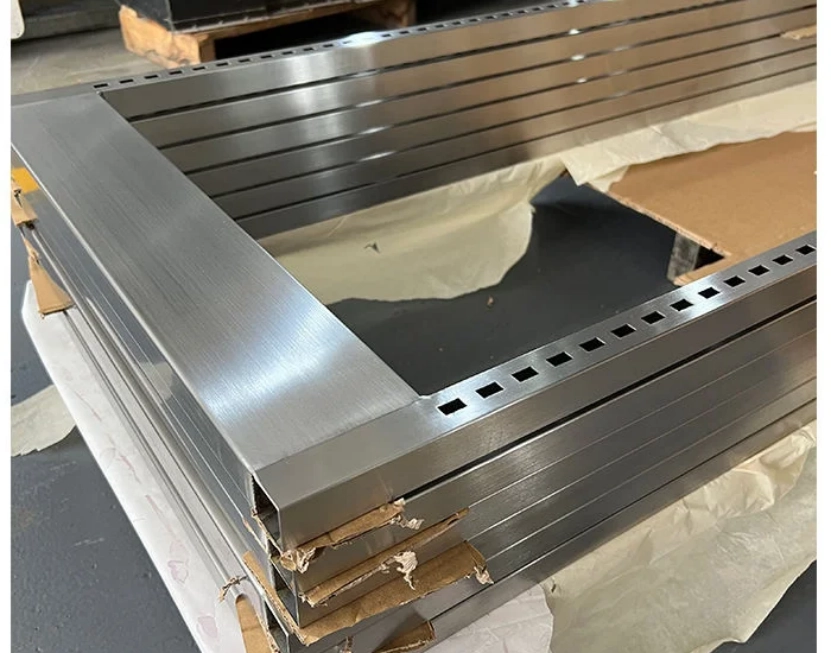
Various metals react in unique ways when subjected to physical stress. Aluminum allows for clean cuts, yet it bends quite easily. Stainless steel effectively resists deformation. However, it exhibits a stronger spring-back effect after the forming process. Mild steel generally falls somewhere between these two extremes. The natural elasticity of each material directly impacts the final shaping accuracy.
Thicker metal sheets tend to magnify dimensional variations. This happens because they demand larger bend radii and much stronger forming forces. Consider bending a 3 mm thick stainless steel sheet. The internal stresses will distort the final dimensions much more severely than they would in a standard 1 mm aluminum sheet.
Fabrication Processes and Equipment Accuracy
Modern fabrication relies heavily on advanced machines that offer consistent accuracy. Even so, every single manufacturing process introduces its own specific type of error.
Laser Cutting Tolerances
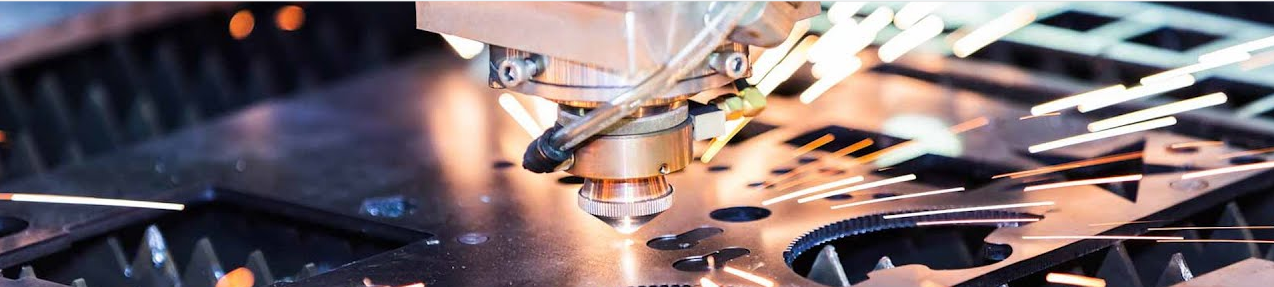
Premium fiber laser cutters usually deliver a dimensional accuracy of roughly ±0.1 mm. This applies to thin metal sheets processed under stable workshop conditions. Nevertheless, the kerf width can fluctuate. This refers to the exact amount of material melted away by the laser beam. It changes based on cutting speed, power output, and overall material thickness. Additionally, intense heat near the cut edges often causes minor distortion. This thermal effect can slightly expand or shrink specific local areas.
CNC Bending and Forming Accuracy
Bending precision relies on several key factors. These include tooling wear, proper machine calibration, and the skill level of the operator. A very small shift in the bend angle creates a noticeable length variation across the metal flanges. Therefore, precise bend allowance and deduction calculations remain absolutely essential. They help compensate for the natural stretching of the material during the forming stage.
Welding and Assembly Considerations
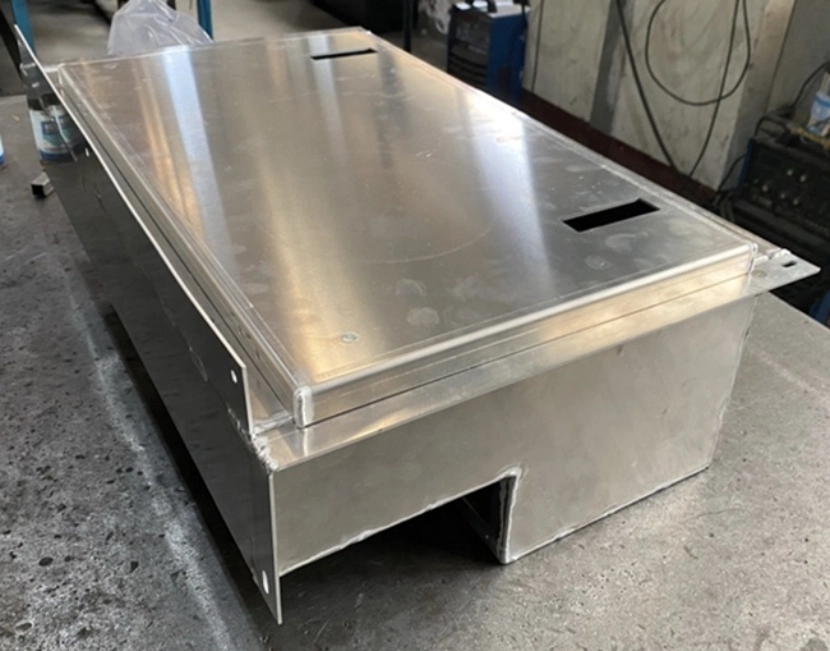
The welding process applies intense, localized heat to the metal. This causes the material to expand unevenly. As a result, the metal often warps or twists after it cools down. Specialized fixtures help hold the parts firmly in place during the welding operation. Meanwhile, specific methods like stitch welding or alternating sides prove highly beneficial. They effectively minimize the total accumulation of heat.
How to Specify the Right Tolerance for Your Project
Designers encounter continuous compromises when they establish project tolerances.
What Should Designers Consider When Setting Tolerances?
Every design feature serves a specific purpose. Some elements are strictly functional, while others focus on visual appeal. For instance, mounting holes must align perfectly with fasteners. These require very strict dimensional control. Conversely, decorative exterior panels often permit more flexibility. This extra leeway does not negatively impact the overall product performance.
Standard industry guidelines frequently act as helpful starting points. Precision components generally aim for ±0.1 mm. General sheet metal assemblies usually target a range of ±0.2 to 0.5 mm. Large structural frames often accept even wider variations. In those massive structures, basic visual alignment holds more importance than perfect mathematical dimensioning.
Communicating Tolerances with Your Fabrication Partner
Technical drawings need to state all expectations very clearly. Designers should use standard GD&T symbols for this purpose. They must avoid vague instructions such as “make it as accurate as possible.” Unclear directions usually lead to expensive rework and serious disagreements later in the production cycle.
Close teamwork between designers and fabricators during the early development stages is crucial. It helps determine which specific tolerances are actually possible with the current machinery. It also highlights areas that need a complete redesign before the cutting process ever starts.
The Relationship Between Sheet Metal Tolerance and Cost Efficiency
High levels of precision always carry an additional financial cost.
How Tight Tolerances Affect Production Costs
Sometimes, specifications become much stricter than standard workshop capabilities. When this occurs, machines must slow down significantly to ensure consistency. The frequency of quality inspections also goes up. The number of rejected parts multiplies quickly because of tiny deviations. Consequently, the total production output drops noticeably.
Not every single measurement requires the same intense level of scrutiny. It is vital to identify the truly critical dimensions. These are the specific measurements that directly affect assembly fit or mechanical movement. Recognizing them remains the best way to control expenses while preserving essential functionality.
Achieving Precision Without Overspending
Modern CNC systems currently provide highly consistent accuracy across massive production batches. They do this without needing constant manual adjustments. Utilizing this smart automation allows manufacturers to secure dependable results. This holds true even when dealing with fairly standard tolerance demands.
The practice of prototyping is still incredibly valuable. Creating one or two initial test pieces helps verify early assumptions regarding the final fit. You should always do this before starting a full-scale manufacturing run. Skipping this step might result in permanent and extremely expensive mistakes.
Why Choose a Professional Sheet Metal Fabrication Partner Like Deshibo Machinery?
Deshibo Machinery utilizes premium CNC machining centers, advanced laser cutters, heavy-duty press brakes, and fully automated welding systems. These powerful tools are specifically designed to deliver repeatable accuracy across highly complex shapes. Furthermore, strict quality control procedures guarantee excellent tolerance consistency throughout every single batch produced.
The dedicated engineers at the company collaborate closely with clients. This teamwork lasts from the initial design review all the way to the final product delivery. They offer expert advice regarding realistic tolerances. This guidance is based on the selected materials and the specific geometry of the part. Such a strong partnership significantly lowers the risk of future rework. It also improves overall manufacturability right from the very beginning.
FAQ
Q1: What is a typical sheet metal tolerance range?
Typical ranges generally span from ±0.1 mm for delicate components up to ±0.5 mm for standard parts. The exact number depends heavily on the overall size and the specific capabilities of the process.
Q2: Can tighter tolerances always improve product quality?
This is not always true. If you push beyond basic functional requirements, tighter limits mostly just increase your costs. They rarely provide any noticeable physical benefit to the final item.
Q3: How does material choice influence achievable tolerance?
Softer materials, such as aluminum, tend to deform quite easily during the bending phase. Conversely, harder alloys resist the initial bending force. However, they usually spring back much more aggressively once the forming is complete.
Q4: Why involve fabricators early in design?
Getting fabricators involved early ensures that your requested tolerances align perfectly with actual machine capabilities. This crucial verification happens long before the actual production phase starts.
Q5: How does Deshibo Machinery ensure consistency?
They achieve this by utilizing sophisticated CNC systems. They also combine this technology with very strict inspection standards. These rigorous checks are carefully maintained throughout every single stage of the manufacturing process.
