
Powder Coating vs Anodizing: Which Surface Finish Should You Choose?
Time : Jul 03, 2026 View : 46
Surface finishing goes beyond a simple final touch. It actually determines how a part functions and survives over time. This choice usually decides if a component holds up in tough environments or breaks down too soon.
Why Surface Finishing Matters for Metal Parts
Surface finishing boosts rust resistance, toughness, and visual appeal. It also meets special functional demands. These include electrical conductivity or resistance to daily wear. For precision sheet metal fabrication and CNC machining, the final finish directly impacts overall performance and lifespan. A badly finished part will likely rust much faster. Meanwhile, a correctly coated item can survive years of outdoor exposure without breaking down.
What Is Powder Coating?
Powder coating serves as a reliable standard inside modern fabrication shops today. This method offers a great balance between solid performance and a pleasing look.
The Process Behind Powder Coating
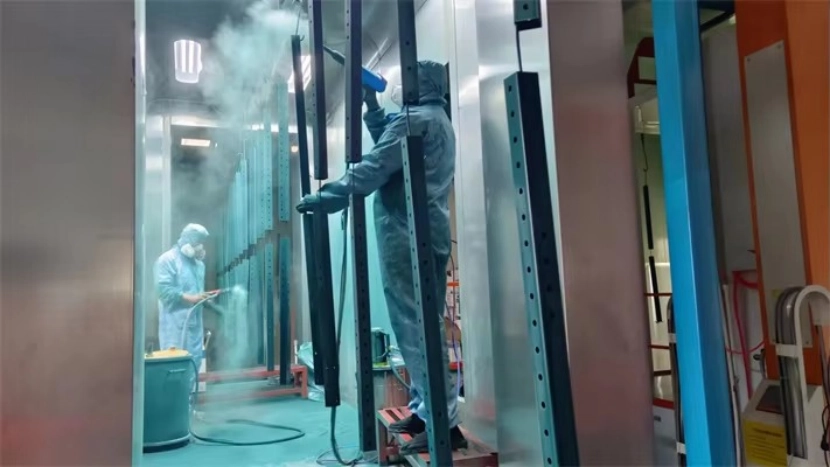
During this specific process, workers apply dry powder to the metal surface using an electrostatic charge. This powder is usually based on polyester or epoxy materials. After application, the part cures under high heat. This heating step melts the powder. It then fuses into a thick, even layer. This new layer sticks very firmly to the base metal. The final result creates a smooth, unbroken film. It provides great coverage along edges. This holds true even on parts with complex shapes. Liquid paint often causes runs or messy drips. Powder coating avoids these issues completely.
Key Advantages of Powder Coating
Powder coating delivers outstanding protection against scratches, harsh UV rays, and general rusting. You can find it in numerous colors, gloss levels, and unique textures. Options range from flat matte black to bright metallic silver. This variety gives designers great flexibility.
It works well for both heavy industrial goods and standard consumer products. Another major benefit involves the environment. The process releases zero solvents or harmful volatile organic compounds (VOCs) during application or baking. Every manufacturer wants to reach green sustainability goals while keeping high quality.
What Is Anodizing?
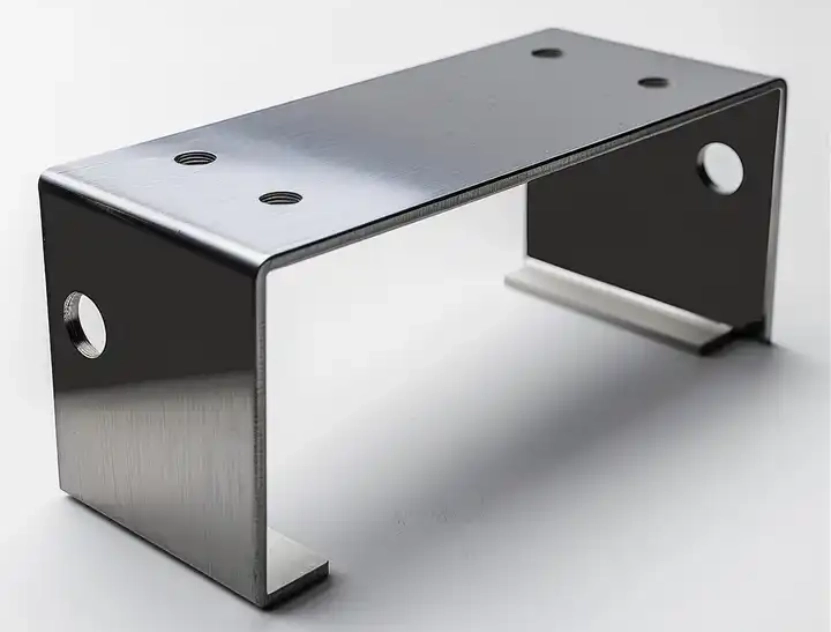
Anodizing uses a completely different technical approach. It actually changes the metal surface instead of just covering it up. This unique trait makes the method highly valuable for aluminum parts. These parts frequently go into strict, demanding fields like aerospace manufacturing or electronics.
How Anodizing Works on Aluminum Surfaces
Anodizing functions as a specific electrochemical process. It actively thickens the natural oxide layer found on bare aluminum parts. The metal component acts as the anode inside an acid electrolyte bath. Electric current flows directly through the liquid and the part. This action builds a carefully controlled oxide layer. This new layer bonds perfectly as an integral part of the metal itself.
Benefits of Anodizing for Industrial Applications
This newly hardened oxide layer offers excellent defense against rough scraping. It performs much better than untreated, bare aluminum. It also holds the exact physical tolerances needed for highly precise machined components. Anodized surfaces stay slightly porous right before the final sealing step. Because of this, they can easily soak up liquid dyes. This allows for nice decorative effects or specific branding colors.
Even with added color, the metal keeps its original shiny look. This great mix of visual beauty and practical function explains a lot. It shows exactly why anodized finishes rule the market for electronics housings, camera bodies, and aircraft components. In these fields, low weight and high precision hold equal importance.
Powder Coating vs Anodizing: Key Differences Explained
The choice really depends on the main goals of your specific job. You must look closely at durability, visual appearance, overall cost, and the base material type.
Durability and Corrosion Resistance Comparison
Powder coating serves as a tough outer wall against outside damage. It blocks moisture, harsh salt spray, and strong chemicals. It does this by totally separating the hidden base metal from the surrounding environment. On the other hand, anodizing physically changes the aluminum itself. It will never peel or chip away. This happens because there is no separate surface layer that can fail. Steel parts often sit outdoors in bad weather. For these items, powder coating usually wins because it provides a much thicker protective cover. Aluminum parts might face high oxidation risks while still needing very tight dimensional tolerances. For these specific situations, anodizing works much better over the long run.
Aesthetic and Functional Considerations
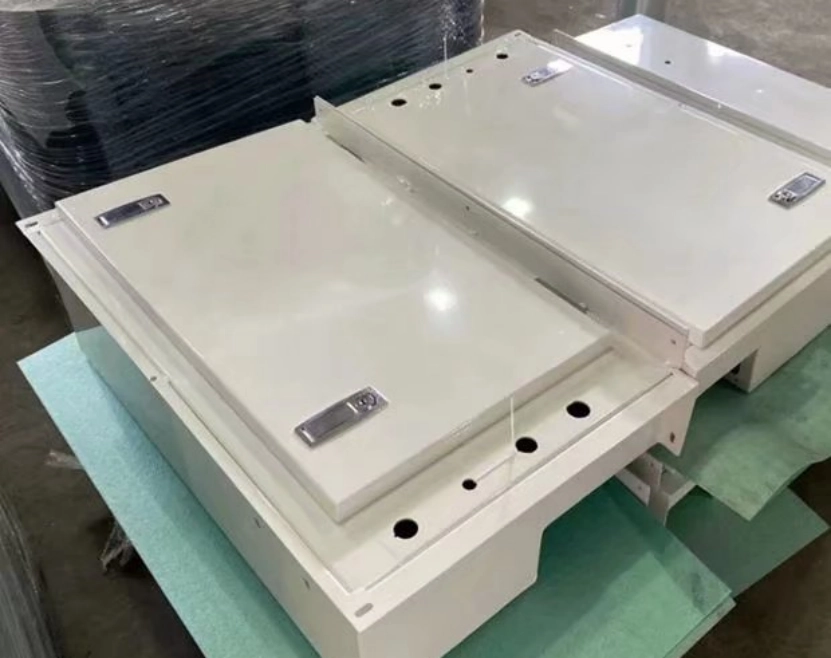
Powder coating completely covers up small surface flaws. However, it also hides the natural, raw texture of the original metal. It works perfectly when you need a solid, uniform color. It also helps maintain strict branding consistency across large, multi-part assemblies.
Anodizing takes a different path. It keeps the true metallic character alive. It provides soft color tones that seem to shift under different lighting. Builders and engineers highly value this special trait for high-end precision instruments or large architectural panels. In these cases, visual depth matters just as much as basic physical protection.
Cost, Maintenance, and Production Efficiency Factors
Powder coating fits very well with massive production runs involving many different shapes. Spraying dry powder onto varied metal geometries is quite simple. After spraying, workers easily cure the parts together in large batch ovens. Anodizing demands much stricter environmental conditions. The process requires careful cleaning, acid etching, and precise electrolytic treatment. Even so, it creates highly consistent, very thin coatings. These thin layers are absolutely perfect for high precision aluminum parts. For these delicate items, you simply cannot compromise on dimensional accuracy.
Which Surface Finish Fits Your Project?
Picking the right option between these two finishes depends heavily on a few factors. You must consider your exact base material. You also need to look at the final environment where the part will live.
Choosing Based on Material Type and End Use
Steel components usually get the best results from powder coating. The plastic-like powder sticks very strongly to the steel. It builds a thick, reliable barrier against common rusting agents. Aluminum pieces generally perform much better with an anodizing treatment. This success comes from their natural compatibility with oxide layers. The aluminum parts remain very lightweight. At the same time, they gain vastly improved protection against daily corrosion.
Environmental and Performance Conditions to Consider
Outdoor metal furniture frequently faces direct sunlight or harsh, salty marine environments. These items usually get powder coated finishes to ensure maximum weather resistance. Aerospace housings or sensitive electronic enclosures follow a different set of rules. They strongly favor treated anodized aluminum. This finish keeps vital electrical insulation properties intact. It does all this without adding any extra bulk or unwanted weight.
Making an Informed Decision for Your Next Project
Every new project carries its own unique logic and rules. You must handle tight budget limits, harsh environmental exposure levels, and strict assembly tolerances. Looking closely at these factors early on helps prevent very costly rework later. Consult with the skilled engineering team at Deshibo Machinery. They will help determine if powder coating or anodizing aligns best with your specific product goals. The correct surface finish completely transforms how a product looks. Beyond that, it dictates exactly how long the item will endure out in real world conditions.
FAQ
Q1: Can steel be anodized like aluminum?
No, it cannot. Anodizing works by growing a special oxide layer that is totally specific to aluminum. If you tried this with steel, the metal would simply corrode. It would never form a safe, stable oxide film.
Q2: Does powder coating add significant thickness?
It typically adds about 60 to 120 microns. This depends on your exact job specification. It is generally thicker than standard wet paint. However, it stays thinner than heavy metal plating. This thickness provides very strong coverage. At the same time, it usually does not affect how most parts fit together.
Q3: Is anodized aluminum conductive?
The new anodic layer itself acts as an electrical insulator. It is completely non-conductive. However, workers can use selective masking during the chemical processing. This step preserves specific bare conductive areas if your design needs them.
Q4: Which finish lasts longer outdoors?
Both options perform very well when workers apply them correctly. However, powder coated steel fights off harsh salt spray much better. On the other side, anodized aluminum holds onto its original color much longer when placed under direct UV sun exposure.
Q5: Can damaged coatings be repaired?
Yes, people can sand down damaged powder coated surfaces. They can then recoat those specific local spots. Anodized layers present a tougher challenge. You must fully strip the old layer and re-anodize the whole part. This is the only way to ensure perfect visual uniformity across all visible surfaces.
