
How to Choose Metal Materials for Custom Industrial Enclosures
Time : Jun 12, 2026 View : 79
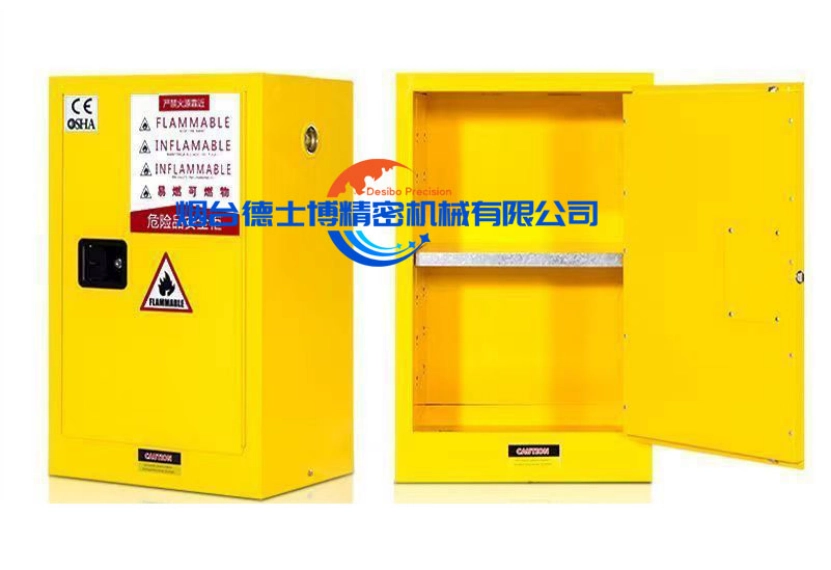
The choice of material impacts the lifespan, function, and price of the unit in major ways. If you pick a metal that cannot handle the acidic air in a chemical plant, the box will break down too soon. This puts expensive electronics at risk. Engineers have to understand that different settings need specific defenses against rust, heat, or force.
Common Applications of Custom Metal Enclosures in Industry
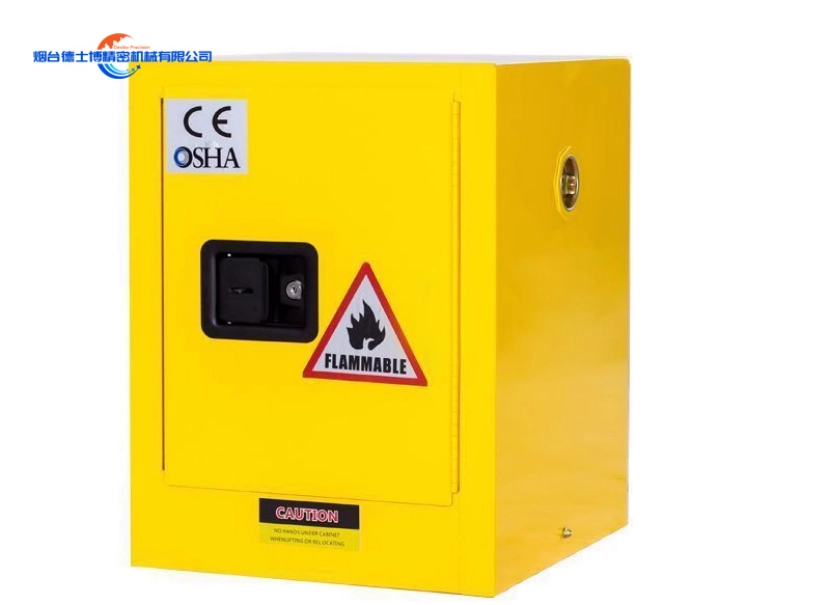
A custom metal enclosure plays a vital role across today’s industrial landscape. Facilities use these units inside electrical control panels. They also appear in automation setups and machinery housings. In these specific areas, strict accuracy is an absolute must. These strong boxes keep delicate parts safe. They block dirt, water, and physical impacts.
Key Factors to Consider When Choosing Metal for Industrial Enclosures
You should study the working environment closely before picking a specific alloy. How the metal surface reacts with the air around it will decide if the project succeeds.
Environmental Conditions and Corrosion Resistance
Exposure to dampness, chemicals, or the outdoors guides material choice more than anything else. If your site is near the ocean, salt air will destroy basic steel in just a few months. Stainless steel provides top-tier rust protection for tough spots. This makes it the premier choice for long-term use outside. On the other hand, aluminum stops oxidation while staying light. It creates a natural outer layer that prevents deep rust from forming.
Mechanical Strength and Structural Requirements
You need to check the load-bearing capacity. Also, review the impact resistance depending on your exact use case.
Will the enclosure hold heavy transformers?
Will you place it in a busy zone?
Thicker gauge materials improve stiffness. However, they raise production costs. This happens because bending and welding take more force. Heavy-duty enclosures often need reinforced designs. This step helps stop them from sagging over time.
img.best material for industrial enclosures.webp
Thermal Conductivity and Heat Dissipation Needs
High temperatures can damage electronics. Metals that move heat well help control internal warmth by acting as a large heat sink. Aluminum is perfect for boxes that hold parts like power units or motor drives. It pulls heat away from the source very quickly. While the metal helps, a good vent design adds to the cooling.
Weight and Fabrication Efficiency
Weight is often a big problem for people installing these units. Light materials make the setup easier and lower the shipping costs. This is very important for boxes mounted on walls or mobile tools. Aluminum and some steel types are easier to slice, fold, and weld. This speeds up the work in the shop. How easy a material is to work with affects the total build time. It allows for faster delivery of custom orders.
Comparing Common Metal Options for Custom Enclosures
Deciding between steel and aluminum involves looking at technical pros and cons.
Stainless Steel Enclosures: Strength and Corrosion Protection
Stainless steel is incredibly tough in harsh work settings. Not many other materials can match it. It is the best choice for food plants, sea-side spots, or chemical sites where cleanliness is key. Even though the price is higher, the cost is usually worth it. You get long-term trust and very little maintenance. You won’t have to paint it again, and it will not peel under pressure.
Carbon Steel Enclosures: Cost-Efficient Structural Integrity
If the budget is tight and the room is dry, carbon steel is the industry favorite. It gives great physical support for less money than stainless steel. But it has one big flaw: it needs a special finish or paint to stop rust. Because of this, it works best for indoor jobs where the air stays dry.
Aluminum Enclosures: Lightweight Versatility
Aluminum offers a great mix of strength and low weight. It naturally fights rust without needing extra coatings. This makes the building process simpler. You will often see it used in tech, phones, and shipping gear. In these fields, saving every bit of weight makes the whole system run better.
Surface Treatments and Finishing Options for Metal Enclosures
Even the highest quality metal can use an extra layer of defense or a clean finish.
Powder Coating: This creates a tough shield that fights off scratches, sun damage, and rust. It comes in many colors, which helps with organizing industrial gear.
Anodizing: This is mostly for aluminum. It makes the surface harder through an electrical process. It also offers colors that stay put and won’t flake off.
Galvanization: This protects steel by adding a zinc layer. It stops the metal from rusting and is often used for parts that stay out in the rain.
Fabrication Techniques That Influence Material Choice
How a metal behaves under a machine often decides if it works for a complex shape. At Deshibo Machinery, we use modern tools to make sure the material performs at its best.
CNC Machining Precision for Custom Metal Components
CNC machining allows for very tight fits. This is great for complex shapes like parts that lock together or special holes for wires. This method works well with aluminum, steel, and stainless steel. It helps create high-quality brackets and internal parts.
Laser Cutting Accuracy in Sheet Metal Processing
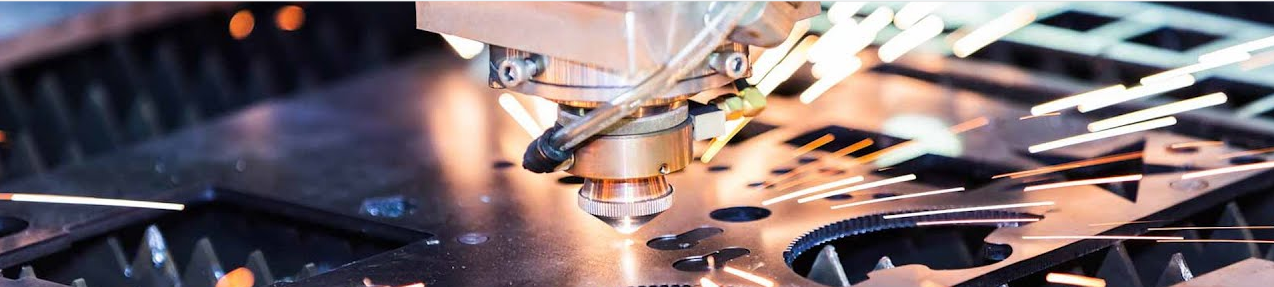
Laser cutting is the go-to method for making modern enclosures. It leaves very clean edges and does not warp the metal. This tech makes it much faster to produce large batches of custom designs. It ensures that every single panel is exactly the same.
Bending, Welding, and Assembly Capabilities
The true strength of a box is often found at its corners. Modern folding methods keep the structure solid. This prevents small gaps that might let in dust or liquid. Expert welding makes the box stronger and keeps it looking good. The result is a smooth finish that shows the high quality of the parts inside.
Balancing Cost, Performance, and Longevity in Material Selection
Smart buying means looking beyond the first bill. You should compare the initial price to how often it needs care and how long it will last. A carbon steel box might be cheaper today. However, if you have to paint it every two years or replace it because of rust, it costs more in the long run. Using rust-proof metals saves money by cutting down on downtime and labor.
Every job has its own specific needs. Before recommending metal materials, the Deshibo Machinery team considers the operating environment, load-bearing capacity, and design options to ensure you get optimal performance within your budget, avoid overspending, and guarantee safety.
Picking the right metal can be confusing, but you do not have to do it by yourself. Deshibo Machinery offers expert help in choosing the right metal for your job. Whether you need a NEMA-rated box for a wet area or a light rack for servers, we start with the best material. Contact us to discuss your drawings, application conditions, and production requirements.
FAQ
Q: What is the best material for outdoor industrial enclosures?
Stainless steel (especially Grade 316) is usually the top choice for the outdoors. It resists salt and chemicals very well. Aluminum is also a good, lighter choice for less harsh spots.
Q: How does sheet metal thickness affect enclosure cost?
Thicker metal costs more to buy. It also takes more power and special tools to bend and weld, which makes the work more expensive.
Q: Can aluminum enclosures be used for heavy-duty industrial equipment?
Yes, aluminum works for heavy jobs if the design is reinforced or uses strong alloys. However, steel is still the favorite for carrying very heavy loads.
Q: Does powder coating prevent rust on carbon steel?
Powder coating acts as a strong wall against water and air. It stops rust very well as long as the coating does not get scratched or chipped.
