
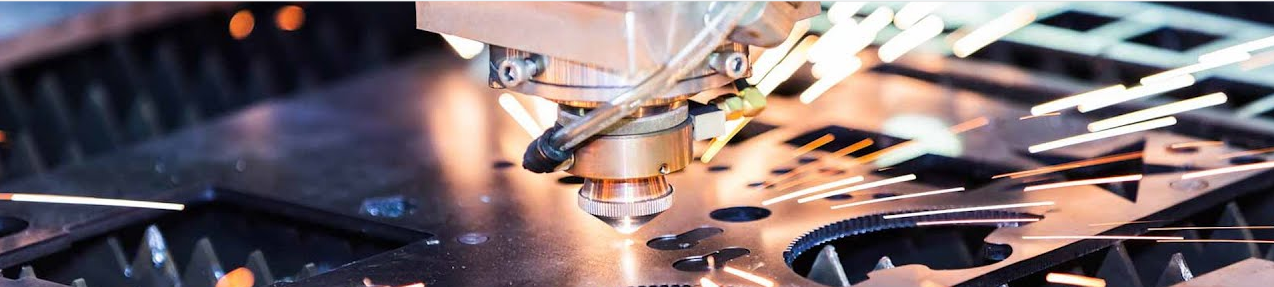
How Surface Treatment Improves Custom Sheet Metal Durability
Time : Jun 11, 2026 View : 61
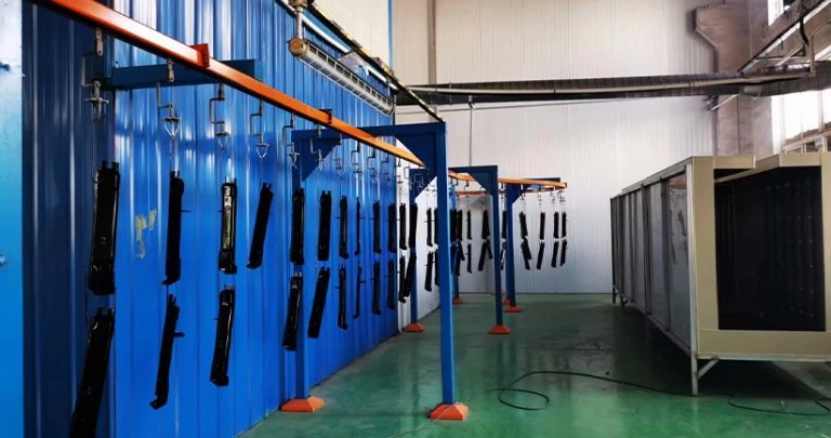
The lifespan of a metal part depends just as much on its surface finish as it does on the specific alloy used. By using expert coatings and chemical steps, shops change raw materials into tough parts. These parts can then handle rusty environments, high-friction work, and rough weather. This smart layer acts as a shield. It stops early damage and makes sure that custom-fabricated solutions keep their strength and good looks over many years.
Why Surface Treatment Matters in Metal Manufacturing
Adding a finish does several vital jobs that go past simple beauty. Most importantly, surface treatment boosts the physical and chemical traits of sheet metal. It changes the surface energy and the way molecules sit to build a tougher outside shell.
It boosts defense against rust, wear, and weather damage by making a protective or steady barrier. Treated areas allow coatings and paints to stick better. This ensures that extra finishes do not peel away or crack when used. The work can also change how well a part moves heat or electricity, depending on what the job needs.
Types of Metal Surface Treatments Used in Custom Sheet Metal Fabrication
Choosing the right fix needs a good grasp of the base metal and what the final product will do.
Galvanizing for Corrosion Resistance
Galvanizing is still a highly affordable method to shield steel. The method covers iron or steel with a zinc layer. Hot-dip galvanizing gives lasting defense for outdoor use. Galvanized sheet metal fits perfectly for building parts and enclosures. It also works well for industrial equipment in wet or seaside places. The metal shows a unique “spangled” finish.
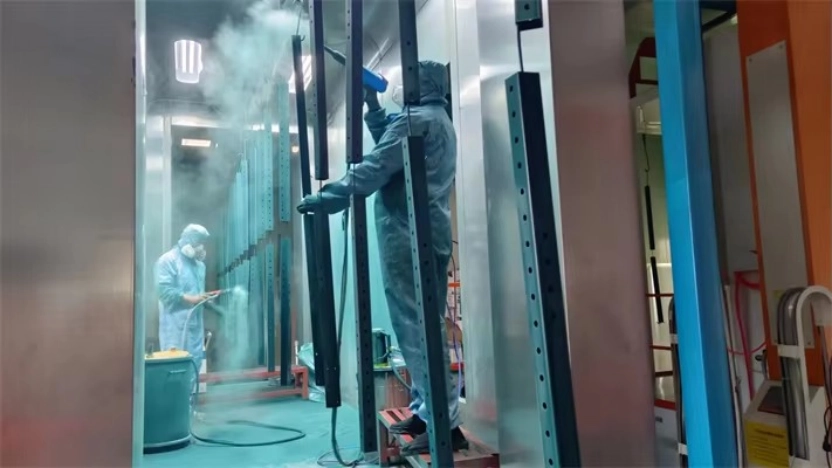
Powder Coating for Enhanced Appearance and Protection
Operators apply the material as a dry powder using an electrostatic process. After this step, the coated parts are cured under high heat. The final layer easily resists both chipping and color loss.
You can use it for shiny architectural panels. Furthermore, the system does not use any liquid solvents. This detail makes it a greener option than older solvent-based paints. It releases almost zero volatile organic compounds (VOCs) during the process.
Anodizing for Aluminum Components
Anodizing serves as a specific electrochemical method. It works to thicken the normal oxide layer found on aluminum. The anodic layer features a porous structure. This open structure lets dyes sink deep into the metal. As a result, you get rich metallic colors that will never peel away.
Electroplating and Passivation Techniques
Electroplating puts down a thin skin of metal like nickel or gold to add strength or help electricity flow. This is key for gadgets where a part must look good and work well. On the other side, passivation is just for stainless steel. It uses a mild acid to clean away surface dirt. This helps the “passive” layer grow, which is what truly makes stainless steel stay clean.
The Process of Applying Surface Treatments in Custom Sheet Metal Workflows
In a pro shop, the steps are strictly managed so the treatment sticks perfectly to the metal.
Pre-Treatment Preparation Steps
If you put a coating over grease or dust, it will fail in a few weeks. Cleaning gets rid of oil and rust before the finish starts. This is often done with special baths. Polishing or sandblasting makes the surface smooth and gives it a “grip” for the coating.
Application Methods and Quality Control Measures
Inside a modern facility, teams watch the environment closely. They track the temperature, the humidity, and the curing time to maintain reliability. This careful tracking stops bad finishes like “orange peel” textures. It also prevents the coatings from becoming brittle. At the end of the line, strict inspection protocols guide the final check.
img.galvanized sheet metal.webp
Benefits of Surface Treatment on Sheet Metal Durability and Performance
Paying for high-quality sheet metal finishing saves money over time. It is the main reason why one part might last five years while another lasts fifty.
Extended Service Life Under Harsh Conditions
Treated metals handle sun, salt, and chemicals much better than raw ones. For gear used in chemical plants or on ships, this safety is a must. Also, since parts stay in good shape, they need less work later.
Improved Mechanical Strength and Wear Resistance
Tougher surfaces stop scratches during use. For instance, an anodized aluminum track will not get marked up when a part slides over it. These layers also stop tiny cracks from starting. This keeps the whole unit stable even when it shakes or vibrates during work.
Enhanced Aesthetic Appeal for Custom Applications
Smooth finishes make products look better to customers and give them a high-quality feel. Having the same color every time helps a brand look professional. It allows a company to have a matching look across all their different tools and machines.
The Future of Surface Treatment Technologies in Metal Fabrication
The industry is moving toward smarter and cleaner ways to protect metal. New ideas in chemistry and robots are changing what custom sheet metal fabrication can do. There is a big move toward being green. Water-based coatings help the earth and still work great. They are replacing older, harsher chemical baths. Also, new nanocoatings give amazing rust defense with very thin layers. This saves material and keeps parts light.
Choosing the Right Surface Treatment for Your Project with Deshibo Machinery
At Deshibo Machinery, the goal is to find the best match for the stress the part will face. Deshibo Machinery looks at the whole build process. By keeping CNC machining, laser cutting, and finishing in one place, we keep things exact. This “one-stop” setup stops parts from getting dirty while moving between different shops. Skilled engineers pick the best treatments based on how the part is used. Strict tests prove that every piece is ready for hard work before it is shipped out.
To discuss suitable materials, surface finishes, and fabrication options for your next project, contact us for a customized sheet metal solution.
FAQ
Q1: What is the best surface treatment for outdoor steel parts?
Hot-dip galvanizing or using a zinc primer with powder coating usually gives the longest protection against rust and sun damage outdoors.
Q2: Can all metals be powder coated?
Most metals that can hold a charge and handle the high heat of the oven (around 350-400°F) can be coated. This includes steel, aluminum, and stainless steel.
Q3: How does anodizing differ from painting?
Paint sits on top of the metal. Anodizing is different because it uses electricity to become part of the aluminum itself. This means it cannot chip or peel off.
Q4: Does surface treatment affect the dimensions of a part?
Yes, some ways like galvanizing or thick powder coating add a little size. Designers must plan for this during the CNC machining stage.
Q5: Is passivation necessary for all stainless steel parts?
Stainless steel is tough, but passivation is a good idea for medical or food tools. It cleans the surface and helps the natural shield work its best.
