
BESS Cabinet Sheet Metal Fabrication Guide for Industrial Energy Storage
Time : Jun 05, 2026 View : 87
The U.S. power grid is going through big changes in its structure. This is the biggest shift since synchronous grids first came in. The U.S. Energy Information Administration says utility-scale developers will add a record 86 gigawatts of power capacity in 2026. That tops 53 GW added in 2025. It marks the largest one-year jump since 2002.
While solar photovoltaic generation makes up the biggest part of this growth at 51%, battery energy storage systems have moved from extra assets to a key part of modern power grid reliability.
What Is a BESS Cabinet?
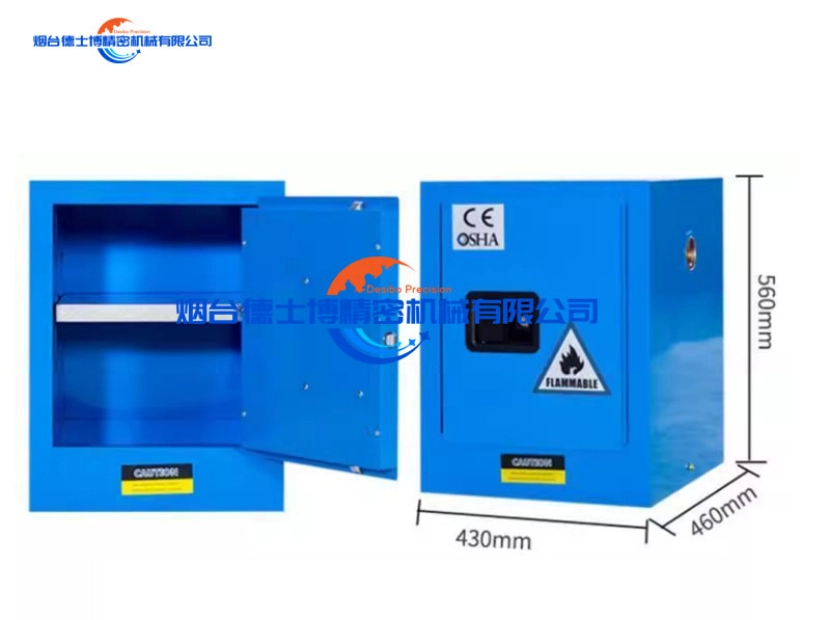
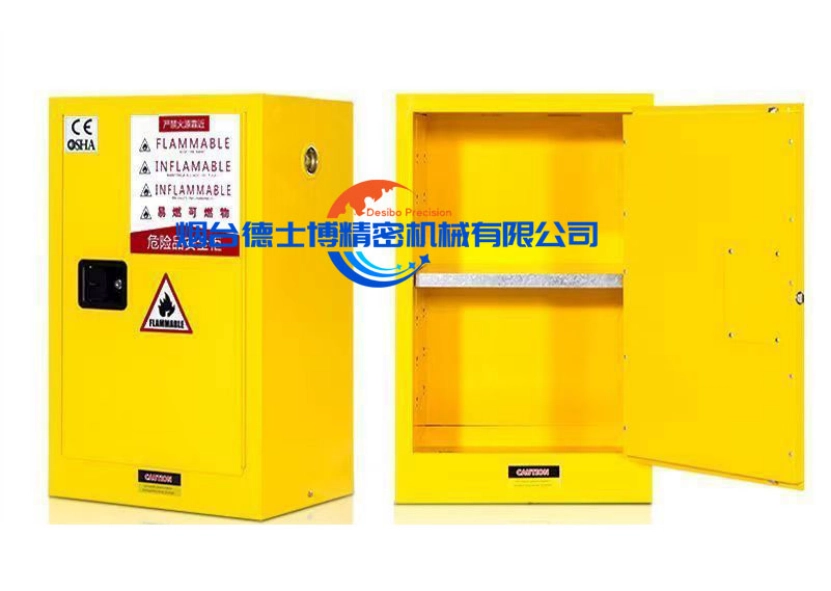
A BESS cabinet is an engineered enclosure. It holds and protects battery modules, control systems, and extra parts used in large energy storage projects. In industrial work, these cabinets are part of a bigger energy storage enclosure. They link to renewable sources like solar or wind farms. Their main job is to keep safe conditions for lithium-ion or other advanced battery types. At the same time they help move power efficiently.
Sheet metal enclosures do an important job here. They keep sensitive electronics safe from dust, moisture, and bumps. The design often adds strong supports and cut panels. This lets workers reach parts for fixes without losing protection. Common setups use modular rack units for fixed sites or container systems for moving or short-term use.
Key Design Considerations for BESS Cabinet Fabrication
Every BESS rack needs to balance strength and heat control. This is a common issue in manufacturing choices.
Structural Integrity and Load Requirements
The frame of a BESS cabinet must handle heavy battery weight when still. It must also take forces during transport or earthquakes. Engineers check load paths to stop bending over time. They add ribs, welded frames, and plates. These make the cabinet stiffer without much extra weight.
Vibration resistance matters too. In moving or outdoor units, parts can shake loose if not held well. Designers use anti-vibration mounts and strong bases. These soak up shocks.
Thermal Management and Ventilation Design
Battery output drops fast in high heat. Good heat control is needed in cabinet sheet metal fabrication for energy storage. Louvered panels may work for lighter loads. But dense systems often need fans or built-in liquid cooling.
Material choice changes how heat moves out. Aluminum alloys give good heat flow and low weight. Stainless steel resists rust better and works well near coasts or chemicals. Coatings like powder paint or anodizing help surfaces last longer against wear.
Electrical Safety and Compliance Standards
Industrial BESS cabinets must follow rules like UL 9540A for fire tests, IEC 62619 for battery safety, and IP ratings for dust and water protection. Good grounding stops shock risks. Insulation cuts short-circuit chances between modules.
Designers add breakers, fuses, and sensors inside the layout. Following these rules meets regulations and builds trust with users who need steady power in places like data centers or grid stations.
Materials Selection for BESS Cabinet Fabrication
Picking the right material sets both performance and cost:
|
Material Type |
Key Advantages |
Typical Applications |
|
Stainless Steel |
High corrosion resistance; strong structural stability |
Outdoor enclosures near marine or industrial zones |
|
Aluminum Alloy |
Lightweight; excellent thermal properties |
Mobile units; rooftop installations |
|
Galvanized Steel |
Cost-effective; good rust protection |
Indoor stationary cabinets |
|
Cold-Rolled Steel |
Smooth finish; suitable for powder coating |
General-purpose industrial housings |
Surface treatments matter just as much. Powder coating gives even cover and good stick. Anodizing builds on aluminum’s natural layer. Electroplating adds rust protection so parts last longer even in tough spots.
Core Fabrication Processes for BESS Cabinets at Deshibo Machinery
Moving from design to making needs exact methods. These keep every part the same.
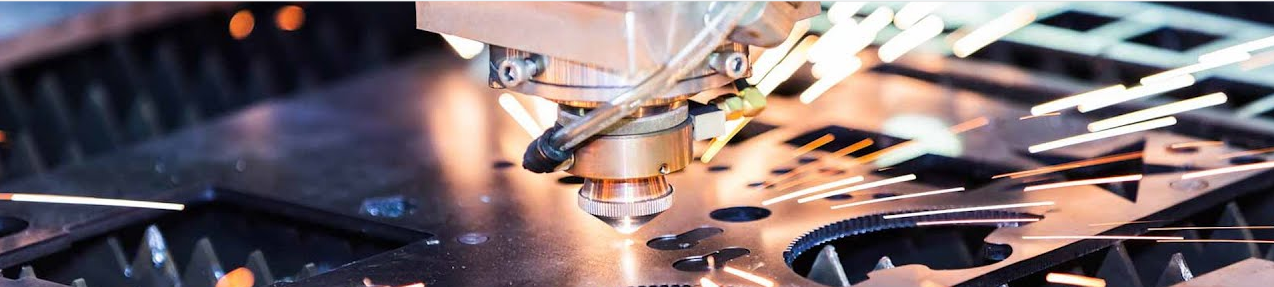
Laser Cutting Precision Components
High-speed laser cutting gives clean edges with little burr. It holds tight sizes needed for good fit during assembly. Automated laser tools handle complex shapes well in energy storage enclosures. They cut vent patterns and cable holes. This keeps results the same across big production runs.
CNC Machining for Custom Fitment Parts
CNC milling and turning shape parts that need exact sizes. These include mounting brackets and connector points. The work makes sure subassemblies fit when electrical gear goes into the cabinet frame. Steady accuracy cuts fit mistakes at final build and speeds up lines.
Sheet Metal Bending and Forming Techniques
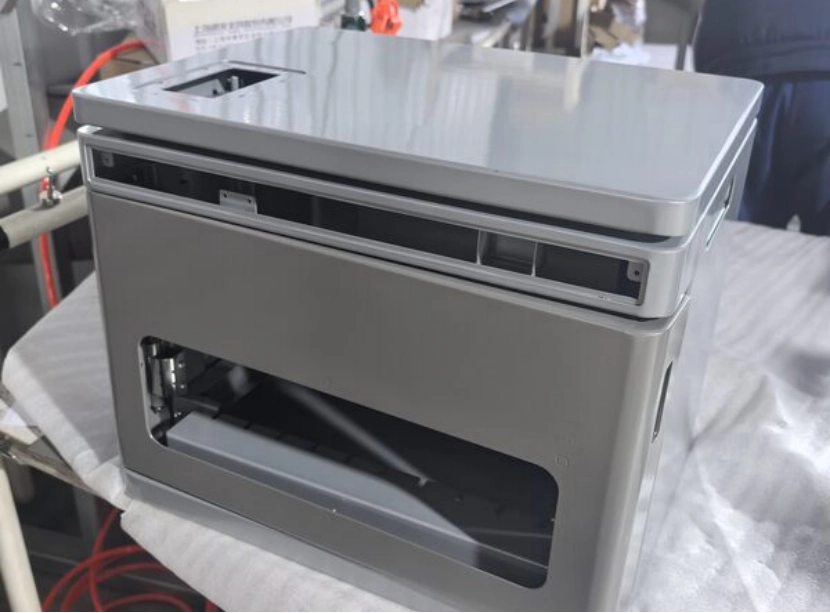
Press brake bending turns flat sheets into doors, sidewalls, or beams. Workers control bend curves to stop cracks on fold lines. This matters most with coated sheets where the surface must stay good. Skilled staff change tool angles for different thicknesses and get steady results in each batch.
Welding and Assembly Processes
TIG welding makes clean joins on thin aluminum. MIG welding gives deep strength on thicker steel frames. Some jobs use rivets or bolts instead. These let crews swap damaged sections without welding the whole frame again. That helps in field fixes common at industrial sites.
Quality Assurance in BESS Cabinet Manufacturing
Quality checks decide if an enclosure will work well for years:
Structural Verification: Load tests check frame stiffness under real stresses.
Coating Thickness Measurement: This confirms protective layers meet set microns against rust.
Salt Spray Test: It speeds up aging to check coating life in salt air.
This matters for outdoor use near coasts or damp areas. Each check follows ISO steps to keep product quality steady before shipping.
Customization Capabilities for Industrial Applications
Every site brings its own needs for cabinet design.
Outdoor vs Indoor Cabinets
Outdoor units need weather seals, UV-safe finishes, and IP65 filters. These block dust but still let air flow. Indoor versions focus on small size and easy reach. They run in controlled spaces with little rust risk.
Stationary vs Mobile Systems
Stationary cabinets stay fixed at substations or renewable farms. They use heavy frames and skip easy moves. Mobile systems use lighter materials, quick connectors, and lift points. These allow moves without losing safety during shakes or handling.
Partnering with Deshibo Machinery
Deshibo Machinery gives full service from early design talks to build and final tests. Its shops use laser cutters, CNC centers, robotic welders, and press brakes. These handle large runs and keep sizes the same on every part.
We have worked on many renewable jobs. These include solar-plus-storage and grid projects where strong sheet metal matters. Deshibo mixes engineering skill with lean methods. This cuts costs but keeps reliability. It helps clients finish projects faster while hitting compliance rules, contact us to discuss your design requirements, material options, and production needs.
FAQs
Q1: What materials are best suited for outdoor BESS cabinets?
Stainless steel or aluminum alloys are preferred due to their corrosion resistance and ability to withstand environmental stressors like humidity or salt exposure.
Q2: How does thermal management affect battery life in a BESS cabinet?
Efficient cooling maintains optimal cell temperatures, preventing overheating that can degrade capacity and reduce operational lifespan.
Q3: Are all BESS cabinets required to meet UL 9540A standards?
While not mandatory worldwide, UL 9540A certification demonstrates compliance with rigorous fire safety testing widely recognized by industry regulators.
Q4: What fabrication methods ensure tight tolerances in large enclosures?
Laser cutting combined with CNC machining achieves precise fits essential for modular assembly alignment across multiple units.
Q5: Can sheet metal cabinets be customized for mobile energy storage trailers?
Yes, lightweight aluminum designs with reinforced corners and vibration-resistant mounts are tailored specifically for mobile applications requiring frequent relocation.
