
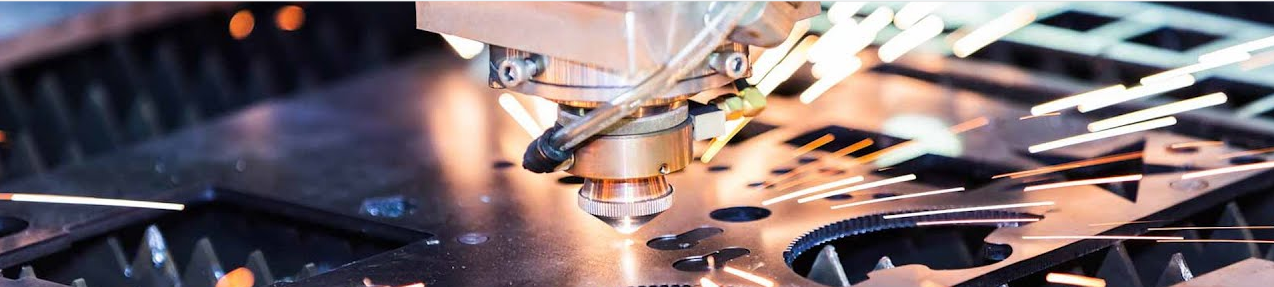
How Custom Sheet Metal Parts Are Used in the Automotive Industry
Time : Sep 04, 2026 View : 46
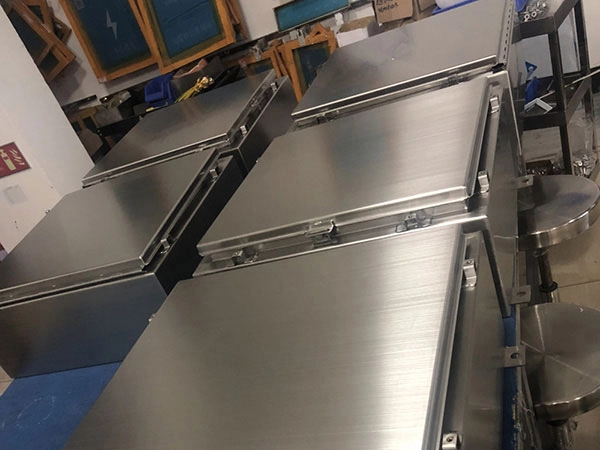
The automotive industry needs metal parts that stand up to vibration. These parts also face pressure and heat during daily use. They must last for many years. Vehicle designs keep advancing. Because of this, standard parts sometimes fail to match the exact engineering needs.
Custom sheet metal parts provide manufacturers with greater flexibility in vehicle development. These parts appear in EV systems. They also fit structural components, brackets, protective covers, and interior assemblies. Manufacturers apply laser cutting for many steps. They turn to CNC machining when needed. Bending and welding play important roles too. These steps let them produce precise parts. The parts range from early prototypes to full production volumes. Automotive companies gain real advantages from a reliable sheet metal fabrication partner.
Why Custom Sheet Metal Parts Are Important for the Automotive Industry
Vehicle manufacturers keep improving designs. They focus on cutting weight. They seek better performance. They also add support for new technologies. Custom fabrication lets engineers build components. These match actual vehicle requirements. Engineers avoid changing designs to fit standard parts.
Supporting Lightweight Vehicle Design
Vehicle weight affects fuel efficiency in a direct way. It also changes electric vehicle range. Lightweight metal components grow more important in car manufacturing today. Custom sheet metal parts often go into battery covers. They work for support frames, brackets, and protective structures.
Consider one electric vehicle manufacturer. The company may need a battery enclosure. The design must work in a tight installation space. A custom fabricated solution lets the component fit the vehicle structure. It still keeps strong. It also stays durable over time.
Improving Design Flexibility and Customization
Automotive projects often include several design changes. These happen throughout development. Engineers may test different shapes. They check various mounting positions. They review material options before final decisions.
Custom sheet metal fabrication supports this effort. It allows quick production of prototypes. Small batches come together fast as well. A modified bracket can go through testing. The team makes adjustments next. Improvements follow before larger runs begin. This method lowers development risks. It saves time overall.
Achieving High Precision and Consistent Quality
Automotive parts must fit together well. Even small dimension errors can slow assembly.
CNC machining and laser cutting help create steady quality. These methods allow suppliers to make repeatable components. The parts meet all technical requirements. Stable production quality remains essential for automotive manufacturers. Every component influences the final assembly.
Common Applications of Custom Sheet Metal Parts in Automotive Manufacturing
Custom sheet metal components appear throughout vehicles. Some support the main structure. Others protect key systems.
Automotive Body Panels and Structural Components
Sheet metal fabrication plays an important role in vehicle structures.
Common applications include:
-
Reinforcement plates
-
Mounting supports
-
Chassis components
-
Structural brackets
These parts need strength and accurate dimensions. A poorly manufactured support component may create problems during assembly or long-term operation.
Battery Enclosures and EV Components
Electric vehicles keep growing in popularity. This trend increases demand for precision metal fabrication. Battery systems need protective structures. These must resist impact. They handle heat. They also face environmental exposure.
Custom sheet metal parts work for battery trays. They form covers. Support frames use them. Electrical protection components include them. These uses call for careful choice of materials. Accurate forming matters. Reliable welding ensures safety. It also adds to durability.
Automotive Brackets and Mounting Parts
Brackets are common but critical automotive components.
They are used for:
-
Sensors
-
Electrical systems
-
Engine-related components
-
Interior assemblies
Although many brackets appear simple, they often require precise hole locations and bending angles. Small manufacturing errors can affect the installation of connected parts.
Interior and Exterior Automotive Components
Custom sheet metal parts serve interior and exterior needs. Dashboard supports use them. Seat structures do as well. Protective covers and decorative metal components represent other examples. Manufacturers choose custom fabrication when they want particular shapes. They may need extra strength. Small production quantities can also lead to this choice.
Manufacturing Processes Used to Produce Automotive Sheet Metal Parts
The creation of automotive metal components calls for the proper mix of fabrication processes. Every step affects how the final part performs.
Laser Cutting for Accurate Automotive Metal Components
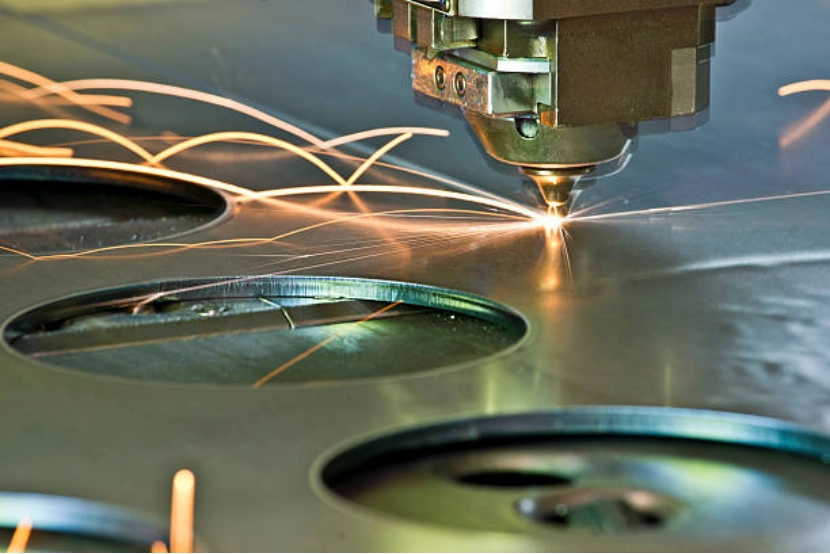
Laser cutting sees wide use in automotive sheet metal production. It delivers clean edges and exact shapes. The method suits brackets. It works for panels and covers. Prototype parts benefit from it too. In new vehicle projects, laser cutting permits engineers to try out different designs. They avoid the cost of new tooling.
CNC Machining for Complex Automotive Parts
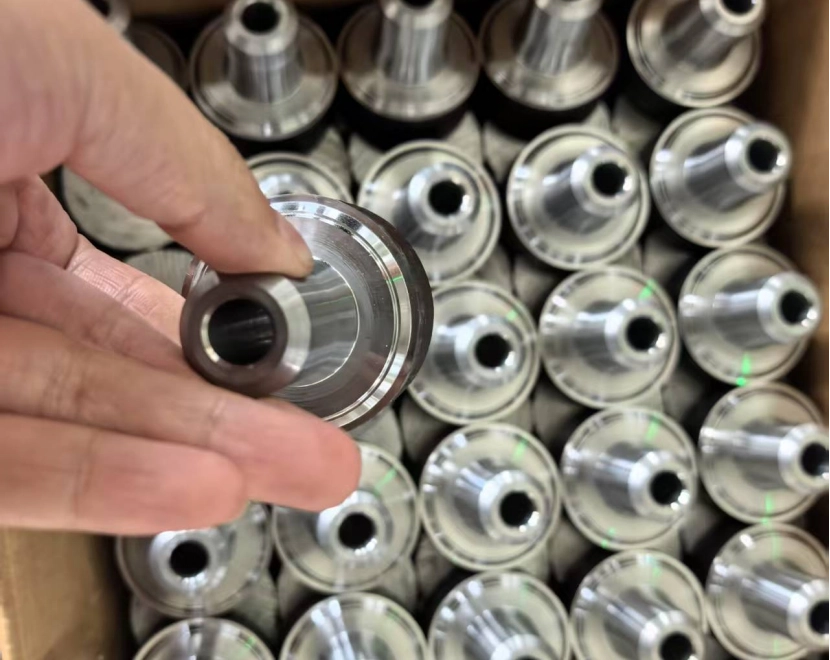
Certain automotive components need more precision. Standard fabrication methods may not reach this level. CNC machining steps in for parts with complex shapes. It creates accurate holes. Tight tolerances become possible. Prototypes use this process. Production components do too when consistency counts. A mounting component that links several vehicle systems offers a good example. The part has to follow the original design exactly. Only then will installation go smoothly.
Sheet Metal Bending and Forming
Bending transforms flat metal sheets into functional three-dimensional components.
It is commonly used for:
-
Frames
-
Enclosures
-
Supports
-
Protective covers
Accurate bending helps ensure correct assembly and prevents unnecessary stress on the finished part.
Welding and Surface Finishing
Automotive components often consist of several pieces. These pieces need joining. Welding builds strong bonds between the fabricated parts. Surface finishing then adds value. It improves resistance to corrosion. Service life grows longer. Automotive components often meet moisture and road conditions. Proper finishing therefore forms a vital element for product reliability.
Benefits of Working with a Professional Automotive Sheet Metal Fabrication Supplier
A skilled supplier offers more than just machines. Engineering help and production know-how affect success too.
From Prototype to Mass Production Support
Automotive companies often move through different production stages. A professional supplier can support:
-
Prototype development
-
Low-volume production
-
Mass manufacturing
This makes the transition from testing to production smoother.
Engineering Support and Design Optimization
Choices made early in the design phase influence cost. They affect production efficiency as well. Suppliers with experience review drawings. They suggest ideas on materials. Bending methods receive input. Welding processes and fabrication approaches get advice. A minor change in design can lower production difficulty. It often leads to better overall outcomes.
One-Stop Manufacturing Solution
Managing multiple suppliers can increase communication problems and delivery risks. A complete manufacturing partner can provide:
-
CAD review
-
Laser cutting
-
CNC machining
-
Bending
-
Welding
-
Surface finishing
-
Quality inspection
This integrated process makes project management easier.
How to Choose the Right Custom Sheet Metal Fabrication Partner for Automotive Projects
Picking a fabrication supplier involves more than price comparison. Automotive companies need to look at manufacturing capability. Quality control methods matter. Engineering experience counts. Delivery reliability should receive attention too.
The right supplier understands technical drawings. It delivers steady production quality. It also keeps communication open during the entire project.
Why Choose Deshibo Machinery for Custom Automotive Metal Parts?
Deshibo Machinery delivers custom metal fabrication solutions. These solutions target companies that need precise automotive components.
The company supplies sheet metal fabrication. CNC machining forms part of the offering. Laser cutting, bending, and welding complete the services. Integrated manufacturing capabilities allow Deshibo to guide projects. The guidance runs from design review all the way to finished parts. Automotive suppliers who develop prototypes or production components can benefit. A flexible manufacturing partner reduces complexity. It raises efficiency at the same time.
Conclusion: Custom Sheet Metal Fabrication Drives the Future of Automotive Manufacturing
Automotive manufacturers still need metal parts. These parts should be lighter than before. They must also prove stronger. Adaptability counts as another requirement. Custom sheet metal fabrication aids modern vehicle development. It supplies flexible solutions for EV components. Structural parts receive support. Precision assemblies do too. An experienced supplier helps companies. These companies introduce new designs into production. They gain better control over quality. Delivery becomes more predictable.
Are you searching for a reliable supplier of custom automotive sheet metal parts?
Deshibo Machinery offers professional laser cutting. It provides CNC machining. Bending and welding receive attention. OEM fabrication services round out the list. Contact the engineering team today. They will work with you on a customized solution.
FAQ
Q: What automotive parts can be made with custom sheet metal fabrication?
Custom sheet metal fabrication can produce brackets. It makes battery covers. Structural supports come from the process. Enclosures, mounting parts, and protective components for vehicles result as well.
Q: Why do automotive manufacturers use CNC machining?
CNC machining delivers accurate production. The parts repeat the same dimensions. It suits automotive parts with complex shapes. Tight tolerances present no problem.
Q: What materials are commonly used for automotive sheet metal parts?
Stainless steel sees common use. Carbon steel app ears often. Aluminum completes the main choices. The final selection depends on required strength. Weight plays a role. Corrosion resistance matters. The specific application guides the decision.
Q: Can sheet metal suppliers support automotive prototypes?
Yes. A number of suppliers offer prototype services. They also handle small-batch production. These steps occur before large-scale manufacturing starts.
Q: How can I get custom automotive metal parts from Deshibo Machinery?
Customers should send drawings. They can also describe project requirements. Deshibo Machinery will examine the design. Then the team suggests suitable fabrication solutions.
