
Custom Metal Enclosures Manufacturing Guide for Industrial Equipment
Time : Sep 03, 2026 View : 51
Industrial equipment seldom runs in a clean and controlled space. Dust appears often. Vibration is common. Many manufacturers begin with standard enclosures. They often discover problems later. The size may not fit. Cable routing becomes hard to manage. Heat builds up inside. Modification costs rise during assembly.
Custom metal enclosures solve these issues. They match the exact requirements of the equipment. They fit the production process. They suit the working environment. For OEM manufacturers choosing the right fabrication partner makes a big difference. It improves product reliability. It also raises manufacturing efficiency.
What Are Custom Metal Enclosures?
Custom metal enclosures are protective housings. They are manufactured according to specific equipment designs. Unlike standard products they come from customer drawings. They follow exact dimensions. They meet functional requirements and installation conditions.
These enclosures are commonly used for:
-
Industrial control cabinets
-
Electrical equipment housings
-
Machine covers
-
Automation system enclosures
-
Instrument protection boxes
Common Applications of Industrial Metal Enclosures
Industrial metal enclosures see wide use in different industries. Equipment protection matters in these settings. Electrical and electronic equipment often needs customized solutions. Every system has different component layouts.
Ventilation must be considered. Cable openings matter too. Mounting positions require attention during fabrication. Medical and laboratory equipment also relies on metal enclosures. Cleanliness matters there. Durability is key. Surface quality remains important.
Why Choose Custom Metal Enclosures Instead of Standard Enclosures?
Standard enclosures can work for simple applications. Industrial equipment usually brings unique requirements.
Perfect Fit for Your Equipment Design
Custom fabrication allows engineers to improve every part of the enclosure.
The design can consider:
-
Equipment dimensions
-
Internal component layout
-
Mounting requirements
-
Cable management
-
Maintenance access
A well-designed enclosure reduces installation problems. It improves the overall appearance of the final machine.
Better Protection and Durability
Industrial environments can be demanding. Metal enclosures need to handle impacts. They face temperature changes. They resist corrosion risks.
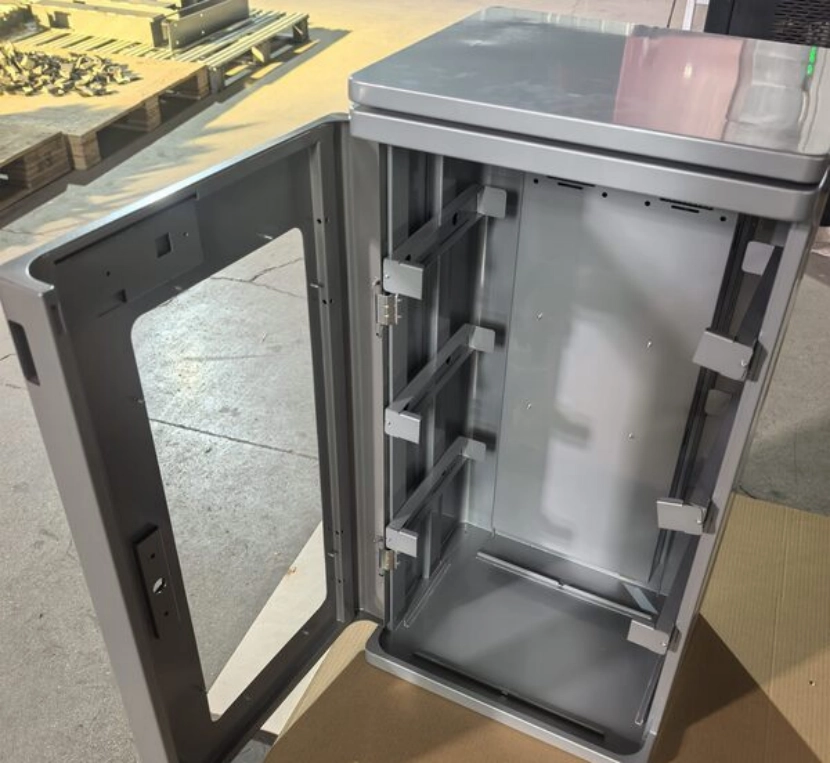
Material selection affects service life. Fabrication methods have a direct effect too. A stainless steel enclosure works well in humid environments. Powder-coated carbon steel offers a practical choice for general industrial applications.
Cost Efficiency for OEM Production
Custom enclosures go beyond appearance. They can cut manufacturing costs when designed correctly. For example a machine manufacturer producing several hundred units may save time. The enclosure is designed for fast assembly. Fewer modifications become necessary during production.
Materials Used in Custom Metal Enclosure Manufacturing
The material choice depends on the operating environment. It considers strength requirements. Budget plays a role as well.
Stainless Steel Enclosures
Stainless steel sees wide use when corrosion resistance matters. Durability is important too.
It is commonly selected for:
-
Food processing equipment
-
Medical devices
-
Outdoor electrical systems
The smooth surface makes cleaning easier.
Aluminum Enclosures
Aluminum enclosure offers a lightweight solution. It delivers good mechanical performance.
It is often used for:
-
Electronic equipment
-
Automation systems
-
Portable industrial devices
For projects where weight reduction matters aluminum serves as a good option.
Carbon Steel Enclosures
Carbon steel remains one of the most common materials for industrial fabrication. It offers several benefits.
-
High strength
-
Good machinability
-
Cost efficiency
With proper surface treatment carbon steel enclosures deliver reliable protection in many industrial environments.
Custom Metal Enclosure Manufacturing Process
Producing a quality enclosure requires more than cutting and assembling metal sheets. The manufacturing process needs careful planning. This planning runs from design to inspection.
Engineering Design and CAD Review
A successful enclosure project starts with a detailed design review. Engineers usually check several points.
-
Material thickness
-
Bending requirements
-
Assembly method
-
Manufacturing feasibility
Design adjustments at this stage prevent production issues later. A small change in the drawing may cut welding work. It can also simplify assembly.
Laser Cutting of Sheet Metal
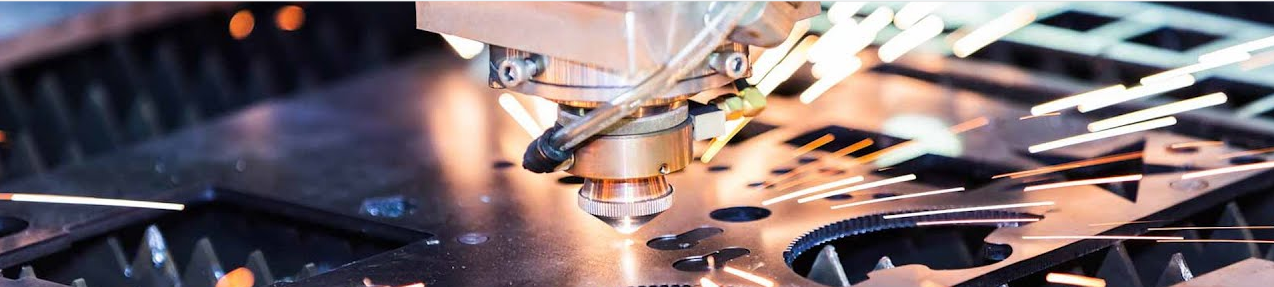
Laser cutting is commonly used. It creates precise sheet metal components. The process gives clean edges. It delivers accurate dimensions. It works well for panels. It handles openings and mounting holes. It even manages complex shapes.
CNC Sheet Metal Bending
After cutting flat sheets form into three-dimensional structures. This happens through CNC bending. Accurate bending is critical. Incorrect angles create problems. They affect assembly. They reduce enclosure strength.
Welding and Assembly
Welding joins different metal components. They form a complete structure. Manufacturers may use TIG welding or MIG welding. The choice depends on the application. Good welding quality improves durability. It also creates a cleaner appearance.
Surface Finishing
Surface treatment protects the enclosure. It improves its appearance at the same time.
Common finishing options include:
-
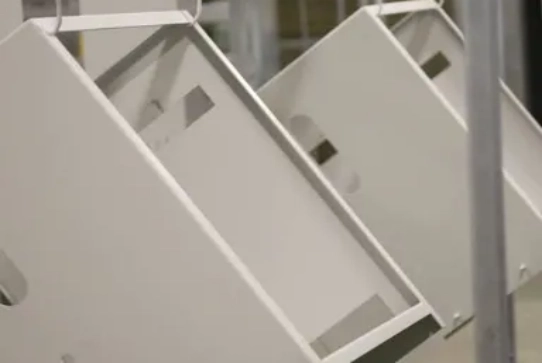
Powder coating
-
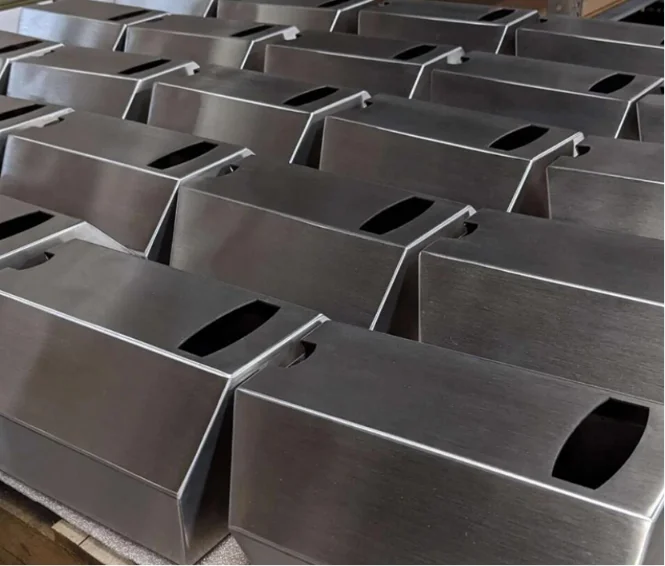
Brushing
-
Polishing
-
Anodizing
The right finish depends on the working environment. It also follows customer requirements.
Quality Inspection and Delivery
Finished enclosures receive inspection before shipment. Checks cover dimensions. They examine appearance. They verify assembly accuracy. For OEM customers consistent quality is essential. A small dimensional error can disrupt the entire production line.
Key Design Considerations for Industrial Metal Enclosures
A good enclosure design balances protection with accessibility. It also considers manufacturing efficiency.
Size and Structural Design
The enclosure should provide enough internal space. It must avoid becoming too large. Extra space raises material cost. Limited space creates installation problems.
Ventilation and Thermal Management
Heat management presents a common challenge in industrial equipment. Electronic components generate heat during operation. Proper ventilation design prevents overheating. It extends component life as well.
Protection Level Requirements
Different environments need different protection levels. Outdoor equipment may need stronger protection. It must guard against moisture and dust. Indoor systems can use simpler requirements.
Manufacturing Tolerances
Tolerances affect how easily components fit together. For precision equipment accurate dimensions are essential. Poor tolerance control leads to assembly delays. It creates extra machining work.
How to Choose the Right Custom Metal Enclosure Manufacturer
Selecting a fabrication partner requires more than checking price.
Manufacturing Capabilities
A capable supplier should provide complete fabrication services. These include several steps.
-
Laser cutting
-
CNC bending
-
Welding
-
Surface finishing
-
Assembly
This approach reduces communication problems between different suppliers.
Engineering Support
A reliable manufacturer offers practical feedback. This happens during design review. Small improvements in material usage help. Changes to structure design reduce production difficulty.
Quality Control System
Quality control makes sure every enclosure meets required specifications. Inspection procedures matter. Production management counts. Experienced technicians influence final results.
Prototype to Mass Production Capability
OEM customers often need prototypes. They also require production quantities. A supplier with flexible production capability supports product development. It helps from early testing through large-scale manufacturing.
Your Trusted Partner for Custom Metal Enclosure Manufacturing
Deshibo Machinery provides custom metal fabrication solutions for industrial equipment manufacturers. With capabilities including laser cutting, CNC bending, welding, and assembly Deshibo supports projects. It helps from prototype development to production manufacturing.
For companies looking for a reliable custom metal enclosure manufacturer manufacturing experience matters. Process control is another critical factor. A well-designed enclosure starts with understanding the equipment requirements. It ends with consistent production quality.
Contact Deshibo Machinery to discuss your custom metal enclosure project. You will receive a manufacturing solution based on your specific requirements.
FAQ
Q: What materials are commonly used for custom metal enclosures?
Common materials include stainless steel, aluminum, and carbon steel. The best choice depends on several factors. These include corrosion resistance. Weight requirements play a part. Strength and cost also guide the decision.
Q: Can custom metal enclosures be manufactured from customer drawings?
Yes. Many enclosure projects begin with customer CAD files. They can start from engineering drawings. Manufacturers review the designs. They suggest improvements before production starts.
Q: What manufacturing processes are used for metal enclosures?
Typical processes include laser cutting. CNC bending follows. Welding comes next. Surface finishing is important. Quality inspection completes the steps.
Q: How long does it take to manufacture custom metal enclosures?
Production time depends on design complexity. Material availability affects the schedule. Quantity plays a role. Finishing requirements matter too. Prototype projects usually take less time. Large production orders need more.
Q: Why choose a custom enclosure instead of a standard product?
Custom enclosures provide better equipment fit. They deliver improved protection. They offer greater design flexibility. These benefits stand out especially for industrial OEM applications.
