
Fabrication Parts China: A Complete Guide for Global Manufacturers
Time : May 15, 2026 View : 83
Global manufacturers today depend on carefully made components to keep production lines moving without hitches. Fabrication parts—especially those from metal fabricators in China—play a key role in delivering affordable, top-notch manufacturing outcomes. Their value comes from exactness, flexibility, and the strong production setup that backs them up.
What Fabrication Parts Are
Fabrication parts mean custom metal pieces shaped by cutting, bending, and putting together. They serve as main supports in equipment, cars, and building designs. Their exactness decides if an engine works smoothly or a building holds up over time. When measurements stay tight and materials get the right handling, the end result works well even in tough spots.
The Importance of Fabrication Parts in Modern Industries
These parts help smooth out production in areas like cars, gadgets, and building work. Take car making, for instance. Fabricated supports and frames boost vehicle protection while cutting down on extra weight. In the gadget world, careful sheet metal work makes sure casings match sensitive circuit boards just right. And it’s not only about how they work. These parts let designers create adaptable fixes for special needs. They boost steadiness and cut down setup time. As a result, they lead to real boosts in output.
Core Manufacturing Processes for Fabrication Parts
Each stage from readying raw stuff to final touches shapes quality and keeps expenses in check.
Metal Cutting and Material Preparation
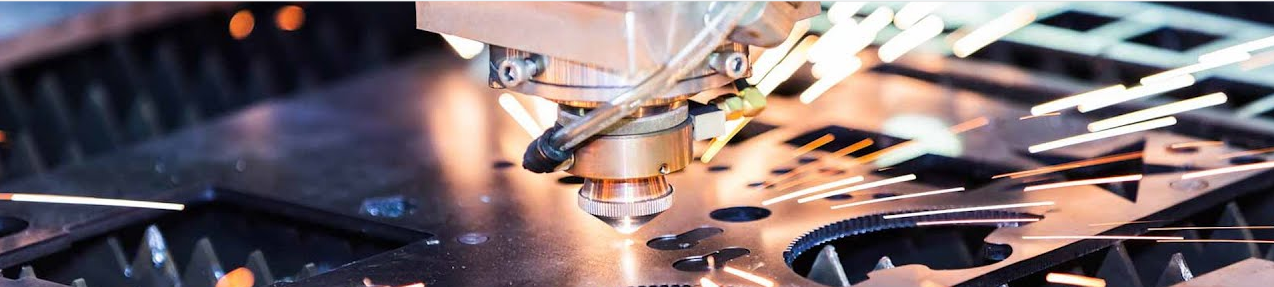
Tools like laser cutting, plasma cutting, and waterjet cutting give sharp edges with little warping. You pick steel, aluminum, or stainless steel based on how strong it needs to be and what it’s exposed to. Precise cuts cut down on scraps during joining up. That’s crucial for efficient operations that aim for green practices.
Sheet Metal Forming and Bending
Once you cut, you shape it. Press brakes turn flat sheets into exact shapes for things like control boxes or machine covers. Computer-guided bending machines, or CNC press brakes, hit the same angles batch after batch. This sameness matters a lot in big runs. Even small slips can lead to poor fits when putting things together.
Welding and Assembly
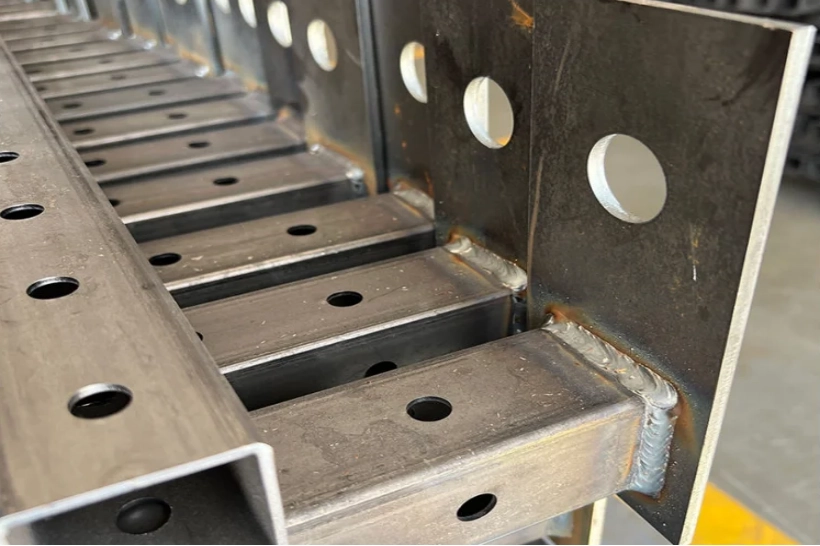
Techniques like MIG, TIG, or spot welding create solid links between parts. Trained workers manage tricky setups that need both toughness and good looks. Consider welds you can see on building rails or car frames. For high-volume jobs, robots weld at fast paces with even results. They cut out mistakes people might make.
CNC Machining for Precision Features
CNC milling and turning add fine details like threads, openings, or detailed edges that basic shaping misses. This step shines for test models or machine parts needing tiny accuracy. Pairing fabrication with CNC work connects rough shaping to polished engineering.
Surface Finishing and Treatment
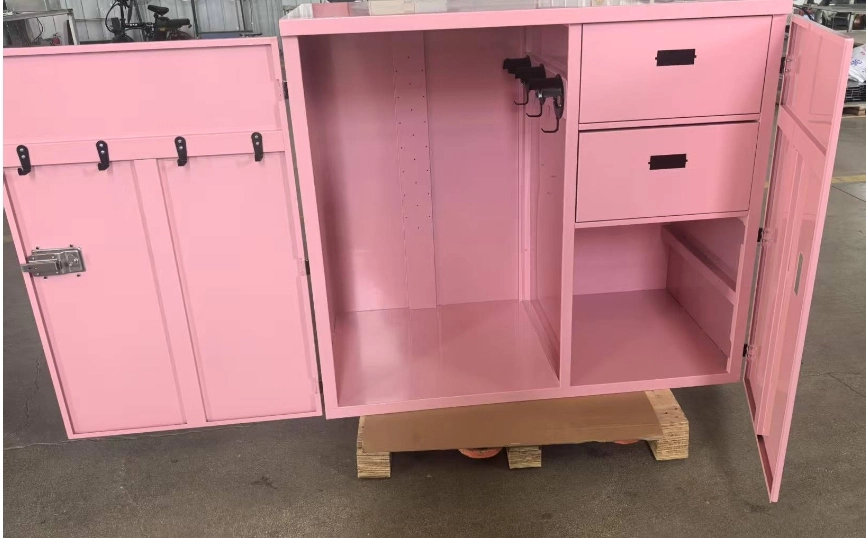
Finishes such as powder coating or galvanizing make a part last longer by fighting rust. Looks-based options like anodizing let you add custom colors for branding. These layers do more than look nice. They guard against water, harsh stuff, and wear that might cut short how long gear lasts.
Why China Is a Leading Source for Fabrication Parts
China leads in worldwide fabrication thanks to its blend of tech, smooth supply lines, and skilled engineering. All these matter when you source precision sheet metal fabrication from abroad.
Fully Integrated Manufacturing Ecosystem
Groups of focused suppliers sit close by. Cutting spots neighbor plating areas, which neighbor CNC shops. This setup speeds up delivery big time. Firms like Deshibo Machinery handle various steps in one place. They keep a firm grip on quality checks along the way.
Advanced Equipment and Automation
Factories in China now run automated gear often. Think laser cutters with sharp fiber optics or robot welding setups that go nonstop. This keeps output steady and prices low against places in the West.
Comprehensive Material Availability
Easy reach to different metals right there—stainless steel to fight rust, aluminum mixes for light builds, carbon steel for power—means no holdups for imports. It fits right-in-time making that big original equipment makers prefer. They want to trim stock costs.
Engineering Support and Design for Manufacturability (DFM) Services
Lots of Chinese providers offer DFM advice up front. Their engineers look over your CAD files to spot design snags that might trip up making later. Working together early cuts down on fixes and ups success rates per run. That’s a real plus when growing production around the world.
Applications of Fabrication Parts from China
The range of these metal parts makes them vital in many business areas globally.
Industrial Equipment Manufacturing
Fabricated frames hold up big machines like belt lines or auto setup systems. Strength counts here. Powder-coated layers stop rust in damp plant settings. That keeps them tough during round-the-clock use.
Automotive and Transportation Components
For cars, metal fabricators in China make frame parts, exhaust holders, supports, or guard covers. They use light but solid metal mixes. These improve gas savings without skimping on safety rules.
Electronics and Electrical Enclosures
Careful sheet metal work builds casings with slots cut just for switches or plugs in control setups or comms gear. Smart designs in these boxes let heat escape well. That shields inner electronics from getting too hot while running.
Construction and Architectural Structures
Building jobs use fabricated beams or fancy fronts that mix use and style. Polished stainless steel rails fight off rust. They also lift the look of sleek buildings. Many overlook this, but it counts in high-end property spots.
How to Choose a Reliable Fabrication Parts Supplier in China
Picking the best partner takes more than just looking at price.
Key Factors to Evaluate Suppliers
Check their skills in tech like CNC accuracy or approved welding steps (ISO/CE).
Gauge how quickly they reply in quote phases. Good talk avoids expensive mix-ups down the line.
Look at past work examples. Even weld lines or steady coating layers show a mature setup.
Cost and Lead Time Considerations
You need to weigh money limits against what you expect in performance for overseas work.
Managing Budgets Without Compromising Quality
Line up supplier bids by material type specs, not just the top-line cost. Low-end metals might not hold up long. Grouping cutting, bending, and welding with one shop trims moving costs a lot. You’ll see this in combined Chinese sites around Guangdong’s work zones.
| Factor | Impact on Cost | Optimization Strategy |
| Material Grade | High-grade alloys increase cost | Match grade strictly with functional needs |
| Tolerance Level | Tighter tolerance raises machining time | Adjust only where critical |
| Surface Finish | Complex coatings add expense | Use standard finishes unless necessary |
Understanding Lead Time Variables
Delivery times shift with how complex the piece is. Multi-part joins take more days. Finish needs add wait, like anodizing’s dry time. Order size sways the lineup. And shipping picks matter—air goes quick but costs more than ocean routes.
Quality Assurance and Risk Management
Keeping quality tight stays essential with foreign providers. Fixing issues after shipping gets pricey.
Ensuring Consistent Product Standards
Set up checks in layers.
IQC looks at incoming raw stuff before work starts.
IPQC watches during making.
FQC tests end products before they pack up.
For extra peace, outside inspectors can confirm ISO 9001 setups or RoHS green rules. This makes sure items fit export needs every time.
Reducing Risks During Overseas Sourcing
Spell out contracts clearly. Set exact measurements to decimals and pack rules to avoid shipping harm. Steady updates with photos or video chats spot problems early. Before goods head out, this small step saves weeks of fixes later.
Ready to streamline sourcing for custom fabrication parts from China? Deshibo Machinery provides precision sheet metal fabrication, CNC machining, welding, and surface finishing solutions for global manufacturers. From prototypes to large-scale production, the team delivers reliable quality, stable lead times, and flexible customization for industrial projects. Contact us today to request a quote and discuss tailored fabrication solutions for your business.
FAQs
Q1: What is precision sheet metal fabrication used for?
It creates exact metal casings or build parts with close measurements in fields like gadgets or car work.
Q2: How do I verify a Chinese fabricator’s quality standards?
Look for certs like ISO 9001. Ask for sample checks on size data before big orders.
Q3: Which metals are most commonly used in fabrication?
Stainless steel, aluminum alloys, carbon steel, copper, and brass work well. They balance power and ease of shaping.
Q4: What affects the lead time when ordering fabrication parts from China?
Piece details, finish type, order amount, and ship choice all shape when things arrive.
Q5: Why are Chinese suppliers competitive in custom metal fabrication?
They mix wide material access with modern auto tools in tight-knit work areas. This drops costs and speeds up delivery smartly.
