
How to Engrave Metal: 5 Methods Explained
Time : May 21, 2026 View : 90
Accuracy and lasting quality shape metal engraving. For tasks like factory tracking, item labeling, or creative touches, grasping efficient metal engraving techniques can boost both practicality and visual appeal. Your choice of method hinges on the metal type, desired depth, and batch size.
What Metal Engraving Means
You cut or imprint patterns, words, or shapes onto metal using tools, lasers, or chemicals. This step supports key manufacturing needs. It aids in spotting items, adding personal touches, and checking quality. Everyday examples cover tagging hand tools, numbering engine components, and finishing consumer products or signs with flair.
Common metals for this work include:
Stainless steel due to its toughness and rust-proof nature.
Aluminum in light-duty spots such as covers or labels.
Brass and copper for ornamental and wiring parts.
Titanium and zinc alloys in high-stakes areas like planes or health tools where exactness counts.
Why Metal Engraving Matters in Modern Manufacturing
Factories today can’t skip tracking. Etched labels let teams follow components from start to end. This keeps things safe in car building, plane assembly, and gadget production. Lasting etchings strengthen company images with solid logos or numbers that resist scratches or weather. Engraving brings a pro edge to built parts in tailored machines or setups. Many teams rely on it for that reliable finish.
1: Laser Engraving on Metal
Workers now favor laser engraving for its quick, spot-on marking of metals.
How Laser Engraving Works
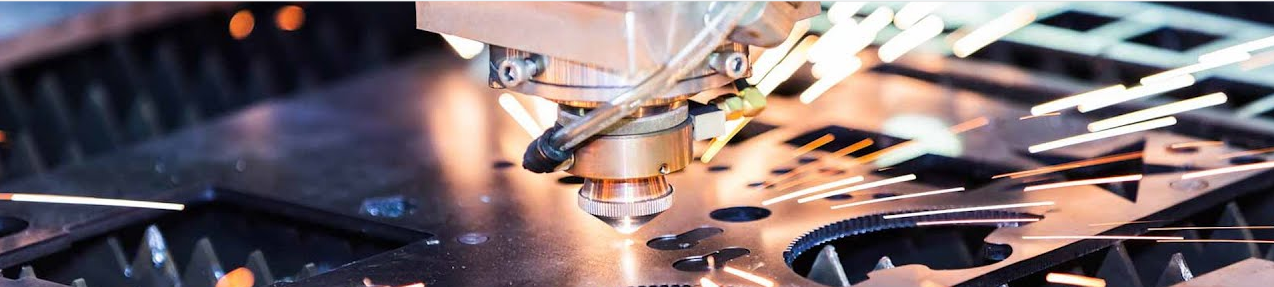
The laser’s strong beam hits the metal and burns off thin material layers. Software guides it precisely. No touching occurs, so it nails even curved surfaces. Beam power and pause length set the groove depth. You get sharp lines perfect for detailed jobs.
Advantages of Laser Engraving
This method yields clear images with neat borders and steady depth. Tools never touch the piece, cutting down on bends or grime. It tackles various metals—stainless steel, aluminum, brass, titanium, coated types—without wearing out bits.
Try it for:
Barcodes and QR codes in stock tracking.
Logos or numbers that endure rough use.
Tiny print that readers can easily spot.
Deshibo Machinery’s shops blend laser engraving with CNC work to label fresh parts. Think stainless panels for machines, aluminum housings for gear, or bespoke metal bits. Clean marks add branding without extra polish steps.
2: CNC Engraving on Metal
Reach for CNC engraving when you need bold cuts or deal with sturdy metals.
The Process of CNC Metal Engraving
Computers steer cutting heads to etch patterns right into the metal. Heat stays out of it, unlike lasers. Bits like end mills or diamonds whirl fast to slice channels.
Benefits of CNC Engraving
These machines repeat tasks flawlessly. All items in a run look the same. Adjust depths for rough feels or deep dips that hold up in tough spots.
Other perks cover:
Handling bulky metals with strong etches.
Covering wide areas fast, no warping.
When to Choose CNC Over Laser Engraving
Go with CNC for engravings you can touch and that survive scrubbing or grit. Picture rugged plates or dash boards. It beats lasers in those cases. Also, use it on thick stock to dodge heat twists.
3: Chemical Etching on Metal
Turn to chemical etching for fine work without tool pressure.
How Chemical Etching Works
Coat protected zones with a mask. Acids, say ferric chloride or nitric blends, eat away bare areas. You end up with a design from guided rusting, not blades.
Key Advantages of Chemical Etching
Forces stay absent, so borders stay even without rough spots. Thin sheets or fancy panels love this. It cranks out complex designs in volume, beyond what hands can do. Pick it for light, intricate outcomes like circuit tags or mesh filters.
Industrial Uses of Chemical Etching
Electronics teams etch board paths with it. Sign shops use it for crisp text. Part specialists choose it when fit matters over groove size.
4: Hand Engraving on Metal
New tech hasn’t erased the charm of hand engraving.
The Traditional Approach to Metal Engraving
Skilled hands push gravers or chisels to shape designs on metal. Patience builds this art over time. Each push chips material to craft lines that gleam under light.
Pros and Cons of Hand Engraving
Uniqueness draws people in. Every item differs. Yet it drags on and varies too much for big orders. When custom vibe tops speed, hand work shines with real personality.
Where Hand Engraving Still Excels Today
Crafters apply it to personalize jewels, etch memory plates, award trophies, string instruments, or art works. Skill here amps up feeling with everyday use.
5: Rotary Engraving on Metal
Rotary methods mix old-school cuts with smart machine control.
Understanding Rotary Tool Operation
Bits spin to shave surface along coded routes. It’s like milling but geared for labels, not forms.
Benefits of Rotary Engraving
These cut firm into brass or stainless while keeping curves neat on text or icons. Marks stand out to the touch. Braille signs benefit from that raise. In gritty factories, grooves shrug off cleans and keep their look. Shops at Deshibo Machinery’s lines often rotary-etch part tags, gauge faces, labels, tool markers, and sturdy plates for plant floors.
Choosing the Right Metal Engraving Method for Your Project
Pick from these options based on your aims and setup realities.
Factors to Consider Before Selecting a Technique
Before you figure out effective metal engraving:
Assess metal hardness. Gentle blends suit chemicals; stiff ones need CNC or rotary mechanics.
Pin down depth requirements. Lasers nail light, true marks; CNC handles deep ones for endurance.
Factor in production volume. Hand suits singles; machines ensure evenness in crowds.
| Factor | Best Method | Notes |
| Fine detail & small text | Laser | High resolution & clean edges |
| Deep marking | CNC / Rotary | Ideal for industrial plates |
| Thin sheet materials | Chemical Etching | No deformation risk |
| Artistic personalization | Hand | Unique handcrafted finish |
How Deshibo Machinery Supports Custom Metal Projects
Deshibo Machinery pulls together fabrication services. You get CNC turning, laser slices, folds, joins, polishes, and spot-on engraving in a single flow. Engineers chat with you to weigh laser tags on steel boxes against rotary on brass bits. We base picks on real costs and styles, not shots in the dark.
Smart choices keep letters bold for years. They mix solid tech with looks fit for top manufacturing.
FAQs
Q1: What is the most durable method for engraving letters on metal?
CNC or rotary methods carve deeper. They outlast laser scratches against rubs.
Q2: Can you laser engrave all types of metals?
Laser works on usual metals. Shiny copper types call for fiber versions to soak up the beam better.
Q3: Does chemical etching weaken the metal?
Control it right, and no. It strips mere surface specks without core harm.
Q4: How do you engrave metal at home safely?
Grab small rotary kits for easy metals. Shield your eyes. Steer clear of acids without proper training.
Q5: What factors affect engraving quality?
Power tweaks for lasers, fresh edges for CNC, coat depth for etching, and hands-on know-how for manual cuts all play in.
