
Custom Fabrication and Welding: A Comprehensive Guide for Modern Manufacturers
Time : May 14, 2026 View : 77
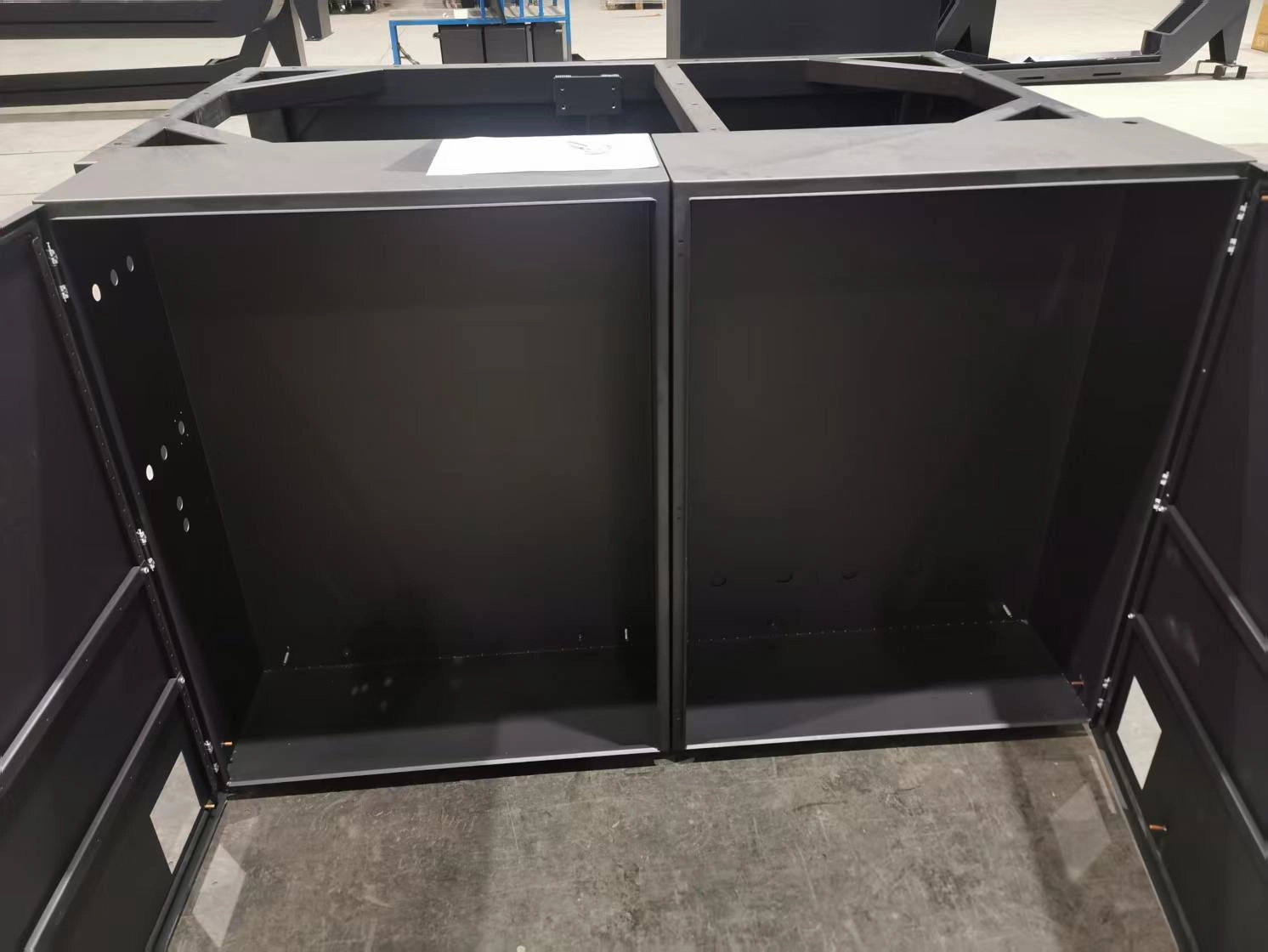
Modern manufacturing depends a lot on accuracy and flexibility. Companies now deal with tricky design needs, strict tolerances, and the demand for tough but light materials. Custom fabrication and welding give the freedom to tackle these issues head-on. Manufacturers blend cutting-edge tools like CNC machining, laser cutting, and robotic welding to build custom metal parts that work well in various fields.
The Role of Custom Fabrication in Modern Manufacturing
Custom fabrication shapes metal parts to fit unique designs and performance needs. It helps fields like automotive, aerospace, construction, and electronics. Engineers can hit precise mechanical traits while keeping a nice look.
Precision sheet metal fabrication makes sure products stay even, strong, and useful. People design each piece for its own job. For example, it might be a bracket that handles heat in a plane or a box that fights rust for gear used outside.
In areas like building sites or green energy setups, custom fabrication lets projects grow easily. Workers make modular pieces away from the site in steady conditions. Then, they put them together quickly right where they are needed.
How Welding Complements Fabrication
Fabrication makes the pieces. Welding joins them into full setups. Solid welds keep the strength of detailed designs intact. Bolts or glues might not hold up under pressure or shakes.
Many find it smart to add welding early in planning. This matches the shape of parts to workable joint setups. As a result, it cuts down on fixes needed later. Plus, every bit slots in smoothly when you assemble.
Core Processes in Custom Fabrication
Any good fabrication job starts with strong basic steps. These go from slicing raw stuff to molding exact forms before you put things together.
Metal Cutting and Pre-Processing
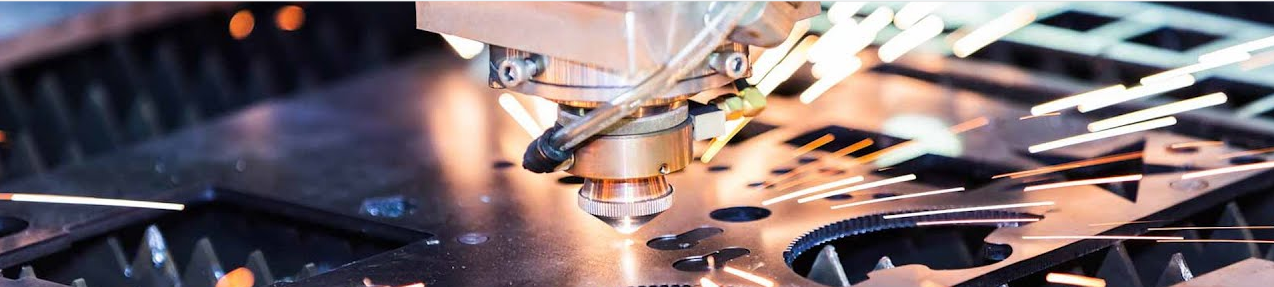
Laser cutting delivers sharp accuracy for detailed shapes and designs. It makes neat edges and wastes very little. CNC machining guarantees exact sizes and steady results in groups. This matters a ton when you need thousands of matching parts for factory clients.
Steps to ready the material, like smoothing burrs and finishing edges, affect how well welds turn out later. They create clean spots for joining without dirt or rough spots.
Sheet Forming and Bending
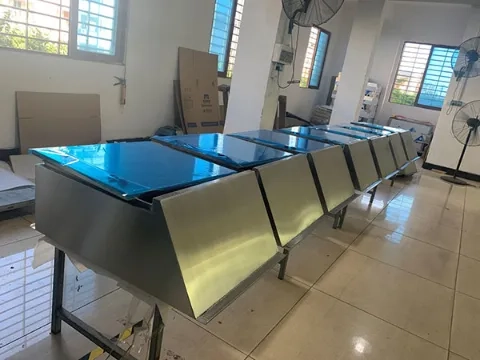
After cutting, teams shape the sheets with press brakes. These form the right angles within close limits. Machines that bend on their own cut down on hand mistakes and speed things up. This helps a lot in big runs.
Good ways to form avoid breaks or bends in the material during later steps. You see this as key with stuff like stainless steel or aluminum mixes. They can crack from stress if you handle them wrong.
Advanced Fabrication Methods
Software for design, or CAD, links up with CNC setups to handle tricky shapes without people stepping in. Robots in fabrication boost output for huge jobs. They keep things even over hundreds of pieces.
Building in modules lets you tweak for different needs easily. This suits manufacturers who serve many fields with changing specs.
Welding: The Heart of Custom Fabrication
Welding does more than link metals. It forms lasting ties that set a product’s power and lasting time.
Common Welding Techniques Used in Manufacturing
MIG welding fits fast assembly lines with heavy stuff like steel frames or machine bottoms. It digs deep and lays down material quickly.
TIG gives neat, exact welds for slim metals or jobs that need pretty finishes. Think stainless steel sheets or fancy fittings.
Factory workers often use these for linking sheet metal in car bodies or gear housings. Repeated spot joins add stiffness without too much heat warp.
Welding in Complex Assemblies
Robots that move on many axes sharpen accuracy in tough shapes where hands can’t reach well. Steady heat management stops twists in big or fragile builds. This counts big in making plane parts or health tools that need spot-on sizes.
Checks for quality, like sound waves or X-ray looks, confirm weld strength before you finish the outside. They lower chances of breaks when the thing runs.
Surface Finishing After Fabrication and Welding
Once fabrication and welding wrap up, finishing the surface decides how the end item fights rust, looks good, and holds up over years.
Purpose of Surface Treatment Processes
Treatments for the surface boost resistance to rust, looks, and toughness for metal bits in rough spots. You might see this in sea work or setups outside.
Common Finishing Techniques
Powder coating puts on an even shield against wear from weather. It also lets you pick from many colors for brand looks or eye appeal.
Polishing makes things smooth for better looks. Sandblasting adds grit that helps paint stick or cuts shine based on what you need.
Key Capabilities of Custom Fabrication and Welding Providers
Picking a strong provider shapes not just how good the product is but also how fast the job finishes and how much it costs.
Technological Capabilities to Look For
Top CNC machines allow sharp cuts and shapes with steady repeats in big orders. Laser systems cut various materials, from soft steel to aluminum, and create little scrap.
Skilled Workforce and Quality Control Practices
Welders with certifications make sure work meets rules like AWS D1.1 or ISO 3834. Strict check routines keep things even in runs through size measures, eye looks, and tests that don’t harm when needed.
Real-World Applications of Custom Fabrication and Welding
Custom fabrication’s range makes it vital in many areas:
Industrial Equipment Manufacturing
Tough frames, boxes, movers, and supports depend on welded builds that handle machine weight non-stop.
Automotive Components Production
Precision sheet metal fabrication aids light but sturdy car parts. Examples include frame bits, exhaust pipes, or battery boxes for electric rides.
Architectural Metalwork Projects
Tailored railings, sheets, fronts, and decor mix power with bendy design. Architects can meet safety rules and art ideas at the same time.
How to Choose a Reliable Partner for Fabrication and Welding Services
Look at a provider’s background with materials such as stainless steel, aluminum, carbon steel, or special mixes for planes. Make sure they know how each acts in shaping or welding. A great partner gives full services like slicing, curving, welding, and outside treatments all in one place. This smooths talks between steps and shortens wait times. Places with ISO stamps show they follow world rules for steady quality from test models to big makes.
Cost Advantages and Considerations in Custom Fabrication
The kind of material, like stainless over mild steel, the trickiness of the shape, how many in the batch, and what finishes you want all shift the prices a lot. Spending more at the start on precision sheet metal fabrication cuts fix costs down the road. Exact parts join without big changes later. Steady suppliers cut stop times with reliable quality and on-time drops. This lets manufacturers keep output smooth without surprise fixes or waste from bad materials.
Looking for a reliable partner for custom fabrication and welding projects? Deshibo Machinery provides precision metal fabrication, CNC machining, laser cutting, and professional welding solutions tailored to modern manufacturing needs. Whether the project requires complex assemblies, high-volume production, or customized metal components, the engineering team can deliver stable quality and efficient lead times. Contact us today to request a quote and discuss custom manufacturing solutions for upcoming projects.
FAQs
Q1: What industries benefit most from custom metal fabrication?
Automotive, aerospace, construction, energy equipment manufacturing—all depend heavily on tailored fabricated components built to exact specifications.
Q2: How does precision sheet metal fabrication improve product performance?
It ensures uniform thicknesses, tight tolerances, and smooth finishes that enhance both structural reliability and visual appearance.
Q3: What’s the difference between MIG and TIG welding?
MIG is faster for thicker materials; TIG offers greater control for thin metals requiring cleaner seams or decorative finishes.
Q4: Why is surface finishing important after welding?
It protects against corrosion while improving appearance—essential when products face outdoor exposure or consumer visibility.
Q5: How can I evaluate a fabricator’s quality assurance system?
Check their certifications (like ISO 9001), review sample inspection reports, and confirm they perform non-destructive testing where applicable.
