

Custom Stainless Steel Cabinets for Medical Equipment
Time : Aug 14, 2026 View : 73
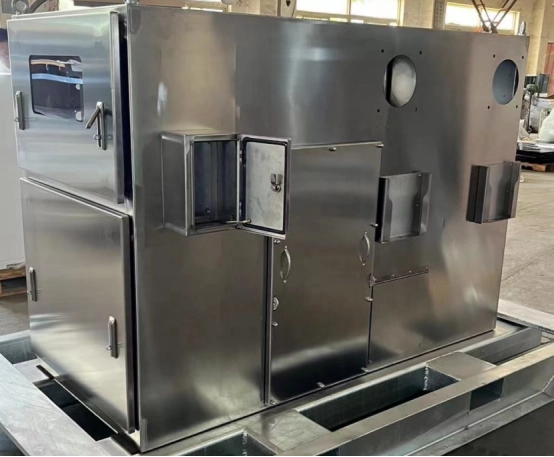
Custom stainless steel cabinets for medical equipment may carry pumps, displays, power supplies, fluid lines, drawers, and service panels. Some are cleaned several times a day.
Resistance to corrosion counts. Access matters just as much. Stiffness is important. Cleanability matters too. Cable routing plays a role. So does behavior after welding. A cabinet can look fine in CAD. It may still prove hard to clean. It can also be tough to assemble.
Why Stainless Steel Is Used for Medical Equipment Cabinets
Stainless steel stands up to repeated cleaning, moisture, and daily wear. It does this better than many painted metals. Scratches can still occur. This happens often on brushed surfaces. Yet no coating layer sits ready to chip.
The material forms well. It welds in a steady way. It can form doors, drawers, brackets, panels, and structural frames. Cleanability still depends on design. Tight gaps, rough welds, exposed threads, and liquid traps can make a cabinet hard to maintain.
304 vs. 316L Stainless Steel for Medical Cabinets
The choice between 304 and 316L is not a simple good versus better decision. The correct grade depends on cleaning chemicals, humidity, chloride exposure, weld design, service life, and budget.
When to Choose 304 Stainless Steel
304 stainless steel is practical for many indoor medical equipment cabinets. It works well for dry rooms, diagnostic equipment housings, mobile carts, and control cabinets cleaned with compatible agents.
Its cost is usually lower than 316L. On a large cabinet or repeat order that difference matters. Specifying 316L without a clear corrosion requirement may add cost. It may not improve service performance.
When to Choose 316L Stainless Steel
316L is a stronger candidate when the cabinet faces frequent washdown. This applies with chloride containing cleaners, higher humidity, or aggressive chemical exposure. Its low carbon content also suits welded assemblies.
One mobile enclosure project used 316L because the customer had fixed the cleaning procedure. Changing the chemical was not an option, so the grade decision was straightforward.
Key Design Requirements for Medical Equipment Cabinets
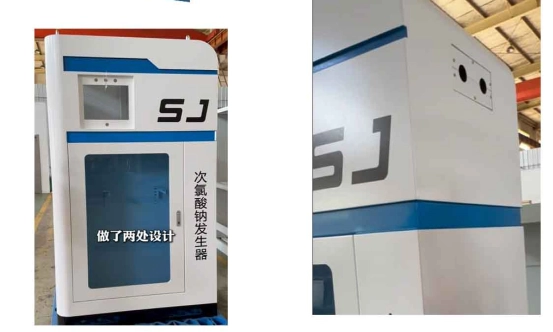
Material grade gets attention early, but cabinet performance is often decided by smaller details: a door that sags, a seam that traps liquid, or a panel that cannot be removed easily.
Cleanable Surfaces and Joint Design
Large surfaces should be easy to wipe and inspect. Open seams, deep corners, and unnecessary gaps deserve review. Where cleaning requirements are demanding, continuous welds or sealed joints may be preferable to intermittent welds.
Horizontal ledges collect dust or cleaning fluid. Folded returns may create hidden spaces. Sharp internal corners are easy to draw and unpleasant to clean. A small radius often works better.
Structural Strength and Equipment Load
The cabinet must support its own weight plus internal equipment, shelves, and door mounted components. A tall cabinet on casters behaves differently from a fixed enclosure.
Increasing sheet thickness is not always the best answer. Folded edges, stiffeners, internal frames, and well placed brackets can add rigidity without making every panel heavier.
A wide door may look flat after bending but distort once hinges, a display, and a latch are installed.
Access, Doors, and Hardware
Maintenance access should follow the actual service sequence. A technician should not remove a rear panel to reach a filter replaced every month.
Hinges, latches, handles, slides, and locks need defined loads and mounting details. Concealed hardware gives a cleaner appearance but can reduce access. Removable panels should use repeatable locating features.
Ventilation and Cable Management
Ventilation openings must provide airflow without creating weak panels or difficult cleaning zones. Fan cutouts, filter frames, and louver patterns should be coordinated with the heat source.
Cable entries need space for glands, bend radius, grounding, and connector access. Fluid lines and electrical cables may require separation. On compact equipment, this becomes a packaging problem quickly.
Manufacturing Process for Custom Stainless Steel Cabinets
A cabinet moves through several operations, and each one affects the next. Good drawings help. Process planning still matters.
Laser Cutting
Laser cutting produces profiles, mounting holes, ventilation patterns, door openings, and internal brackets. Feature size should match sheet thickness. Very small holes or narrow bridges may cut, yet leave unnecessary burr or distortion.
Protective film can reduce surface damage, but it must suit the cutting process.
CNC Bending
CNC bending creates the cabinet shape and much of its stiffness. Bend radius, flange length, grain direction, and hole to bend distance must be realistic.
Stainless steel springback is noticeable. A drawing may specify 90 degrees, while the press brake setup requires overbending to achieve it. Consistent tooling matters when panels must align.
Welding and Distortion Control
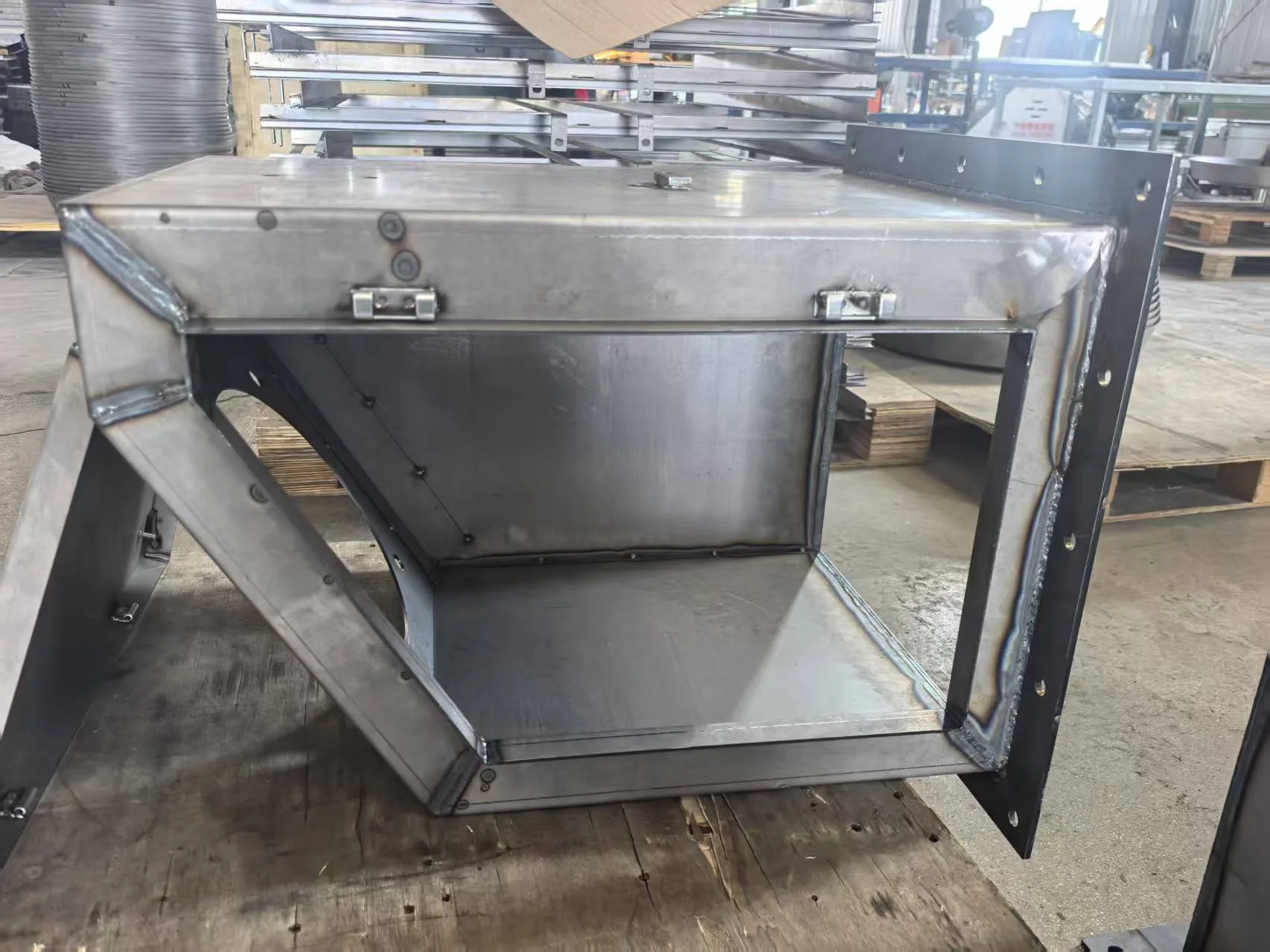
Thin stainless steel moves under heat. Long welds can pull a panel out of square or create a visible wave that polishing will not hide.
Fixtures, short weld sequences, balanced heat input, and suitable joint design reduce distortion. TIG, spot, or laser welding may be appropriate depending on strength and appearance requirements.
Grinding a weld flat is not the same as restoring the original sheet finish.
Choosing the Right Surface Finish
Brushed finishes are common because they provide a controlled industrial appearance and hide minor handling marks. Grain direction should remain consistent across adjacent panels.
Mechanical polishing can blend welded areas. Bead blasting creates a matte surface. Passivation may be specified after fabrication.
“Polished stainless steel” is too vague. Drawings should identify visible faces, grain direction, weld blending, and acceptable cosmetic defects.
Quality Control for Medical Equipment Cabinet Fabrication
Inspection should follow how the cabinet will be used. Overall dimensions matter, but so do door gaps, panel alignment, caster contact, latch operation, and internal mounting positions.
Material certificates may be required. Weld appearance, flatness, squareness, and surface consistency should be checked against agreed criteria. Hardware needs functional testing after assembly.
Packaging matters too. A finished cabinet can arrive with rub marks. This happens if shelves move during transport. Doors can cause marks. Loose hardware leads to the same issue.
What to Include in an RFQ for a Custom Medical Cabinet
A useful RFQ includes 2D drawings. It needs 3D CAD files. Stainless steel grade must be listed. Thickness is important. Quantity should be stated. Critical tolerances require mention. Weld symbols help. Finish requirements need detail. Hardware specifications must be clear.
Add internal equipment weights. List cleaning chemicals. Operating environment needs description. Inspection documents should be noted. Labeling requirements matter. Packaging needs require attention. Mark cosmetic surfaces clearly.
Incomplete information usually adds assumptions. Those assumptions often return later as cost changes, revisions, or delays.
Custom Stainless Steel Cabinet Manufacturing at Deshibo Machinery
Deshibo Machinery manufactures custom stainless steel cabinets from customer drawings using laser cutting, CNC bending, welding, riveting, surface finishing, assembly, and inspection.
Cabinets can include custom doors, hinges, locks, brackets, ventilation openings, shelves, drawers, and internal mounting structures. Material options include 304, 316L, and other project specified grades.
Prototype production is useful when access, assembly, or appearance is still being verified. Batch production should begin after those details are stable. Sending the equipment layout with the cabinet drawing usually leads to a better manufacturability review.
Frequently Asked Questions
Q: Is 304 or 316L stainless steel better for medical equipment cabinets?
304 suits many indoor cabinets. 316L is preferred where cleaning chemicals, chlorides, moisture, or customer specifications create a higher corrosion risk.
Q: What thickness should a stainless steel medical cabinet use?
There is no universal thickness. Cabinet size, panel span, equipment weight, door design, bends, and internal reinforcement all affect the decision.
Q: Can stainless steel medical cabinets be customized?
Yes. Dimensions, doors, drawers, shelves, hinges, locks, casters, ventilation, brackets, cable entries, and surface finishes can be customized.
Q: Does a stainless steel cabinet automatically comply with medical regulations?
No. Material selection and fabrication are only part of the equipment requirements. Compliance depends on the complete device, intended use, documentation, validation, and target market.
Conclusion: Design the Cabinet Around the Equipment
A medical cabinet works best when material, structure, access, cleaning method, and manufacturing process are considered together. The equipment layout should drive the cabinet—not the other way around.
For a manufacturability review and quotation, send Deshibo Machinery the CAD files, material grade, cabinet dimensions, expected quantity, finish requirements, and operating details.
