
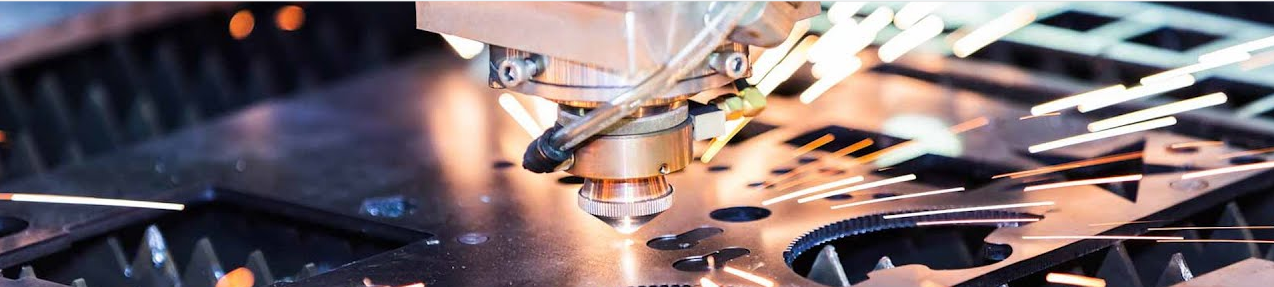
Custom Sheet Metal Enclosures for Industrial Robots and Automation Equipment
Time : Jul 24, 2026 View : 47
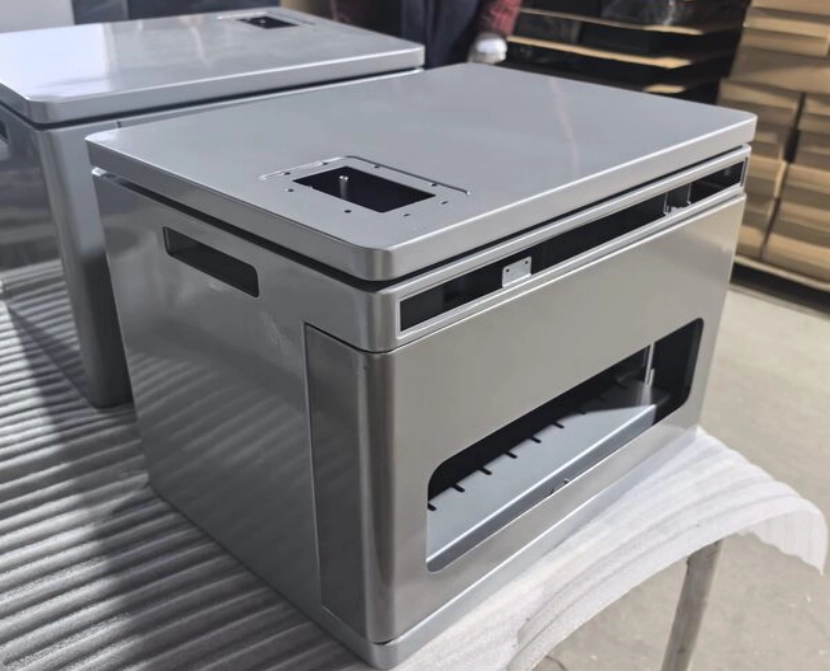
Industrial robots seldom work in clean and steady settings. Welding areas create metal particles and warmth. Packaging areas need regular washing. Machine support systems leave controls open to liquids, shaking, and sometimes hits from a wrong part.
Controllers, drives, sensors, and electrical links require solid protection. Yet a simple cover around the parts falls short. The enclosure must match the gear, manage warmth, arrange wires, and let workers reach items fast without taking apart much of the setup. This is where a custom sheet metal enclosure becomes part of the automation system—not merely its outer cover.
What Do Sheet Metal Enclosures Protect in Robotic and Automated Systems?
Enclosures show up all over an automated line. Some protect sensitive electronics. Others keep operators away from moving equipment or shield cameras from a harsh process. Their construction changes with the job.
Robot Controllers and Electrical Control Cabinets
Robot control cabinets contain PLCs, servo drives, relays, power supplies, safety controllers, and network hardware. These components are sensitive to dust, moisture, heat, and electromagnetic interference.
A cabinet placed next to a welding robot might need clean air flow and well placed cable entries. Set the air intake too near the weld zone and the filter fills with metal bits quite quickly. Inside rails for mounting, ground connections, and space between signal and power lines also need thought before building starts.
Machine Guards, Sensor Housings, and Operator Stations
Sheet metal serves for robotic cell guards, machine covers, HMI consoles, camera housings, and inspection system enclosures too. A laser check station could use a firm cover with a panel that comes off for setup. An operator station may require an angled touchscreen surface, emergency stop opening, keyboard tray, and access door.
These parts often look simple in CAD. Assembly reveals whether the design is actually practical.
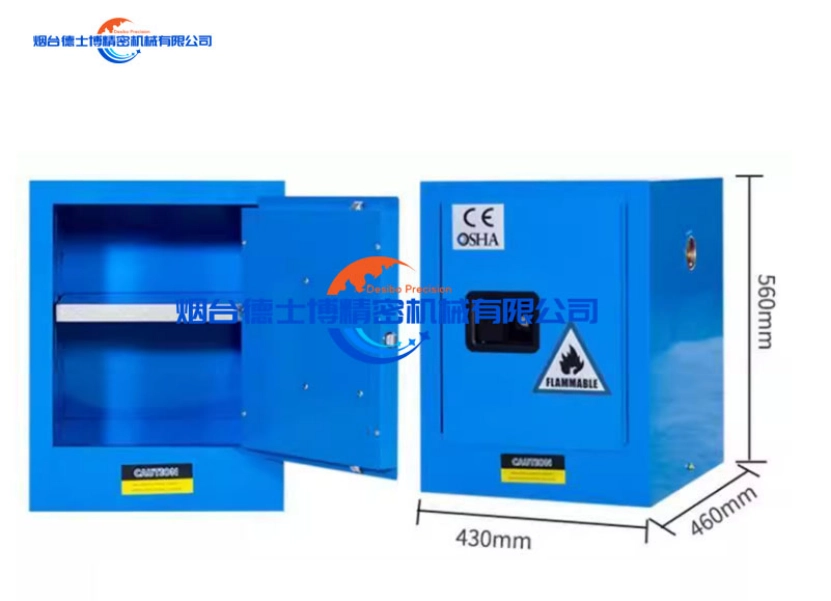
Why Choose a Custom Enclosure Instead of a Standard Cabinet?
A standard cabinet fits when space, mount points, wire paths, and cooling needs line up by chance. In automation work they rarely do.
Custom fabrication lets mount holes, inside supports, air openings, access covers, and connector cuts go in during creation. It cuts out extra plates and on site changes that eat up build time. A bit costlier built cabinet can save money when you count drilling, fixes, added parts, and worker time.
Custom work fits prototypes and small runs of machines. The plan can shift after real tests without locking into stamp tools or high cost setups.
Which Sheet Metal Material Is Best for an Automation Enclosure?
Material choice rests on the work setting, needed firmness, enclosure scale, weight cap, and planned use length. Looks count too though often less than rust resistance and easy reach.
Carbon Steel
Carbon steel makes a sound pick for indoor control cabinets, machine guards, and support covers. It holds up well, shapes easily, and stays cheap. Powder coating usually applies since bare steel rusts fast near coolants, damp air, or wash fluids.
Stainless Steel
Stainless steel fits food process gear, drug machines, wash areas, and spots with rust risks. Grade 304 handles many factory uses. Grade 316 often gets picked near salts, chlorides, or strong cleaners.
It costs more and can be harder to form, but replacing a corroded enclosure in service costs much more.
Aluminum
Aluminum cuts weight and gives solid built in rust resistance. It helps with movable gear, top mounts, sensor covers, and enclosures that get taken off often. It moves heat nicely too though fine heat flow alone does not fix every hot issue.
|
Material |
Strength |
Corrosion resistance |
Weight |
Relative cost |
Typical application |
|
Carbon steel |
High |
Low without coating |
High |
Low |
Indoor cabinets and guards |
|
Stainless steel |
High |
Excellent |
High |
High |
Washdown and corrosive areas |
|
Aluminum |
Moderate |
Good |
Low |
Medium–high |
Mobile equipment and electronics |
What Design Factors Matter Most for Industrial Robot Enclosures?
A usable enclosure begins with the environment and internal layout. Exterior dimensions alone do not provide enough information.
Environmental and Ingress Protection
Dust, water, oil spray, coolant, and wash chemicals shape nearly every choice. Door shape, weld lines, gasket fit, cable entries, drain paths, and air openings must link well.
One common mistake is adding a fan opening late in the project. The cabinet may run cooler, but its original dust or water protection is gone. Protection requirements should be defined before the sheet is cut.
Thermal Management
Servo drives and power supplies can produce substantial heat inside a compact cabinet. Natural ventilation may be adequate for a lightly loaded indoor system. Dense controls may require filtered fans, heat exchangers, or enclosure air conditioning.
Component spacing matters. A fan cannot correct a layout where hot exhaust flows directly into the next drive.
EMI Shielding and Cable Management
Power, motor, encoder, Ethernet, and sensor cables should not be routed as one bundle. The enclosure needs suitable entry points, grounding studs, shield termination areas, and enough bend clearance for large cables.
Removable gland plates are often worth adding. They simplify wiring changes and avoid replacing an entire cabinet when the connector layout changes.
Safety and Serviceability
Doors should open without striking nearby equipment. Filters, terminals, and frequently replaced components need clear access. Heavy panels may require stronger hinges or lift off hardware.
Edges must be deburred. Covers need secure fastening. A technician reaching into a cabinet should not have to work around a sharp flange because it saved a few millimeters of material.
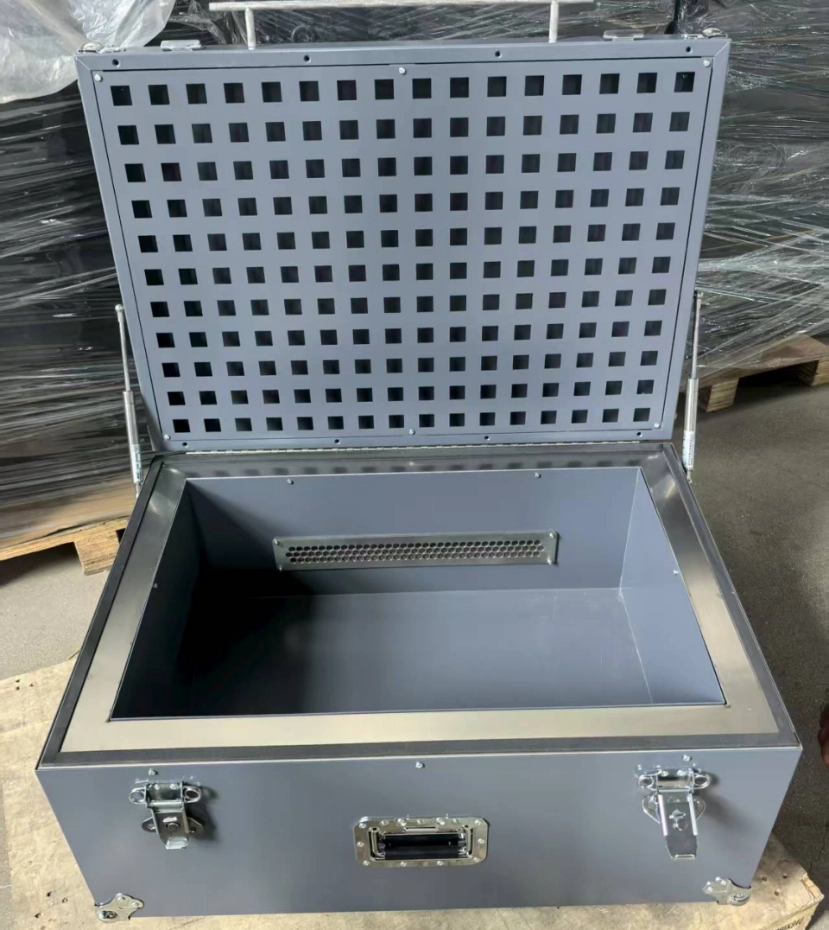
How Are Custom Automation Enclosures Manufactured?
Work usually opens with a check of STEP, DWG, DXF, or PDF files. Bend curves, hole places, weld room, part clearance, and finish space get reviewed before release.
Flat profiles are laser cut, then formed on a CNC press brake. Welding joins corners, frames, and internal supports. Depending on the structure, the process may use TIG, MIG, spot, or laser welding. Grinding, tapping, riveting, and insertion of PEM fasteners follow.
Powder coating is common for carbon steel. Stainless steel may be brushed or passivated, while aluminum can be powder coated or anodized. Dimensional inspection should happen before coating and again after assembly where fit is critical.
How Do Protection Ratings and Safety Requirements Affect the Design?
IP ratings describe protection against solid objects and water. NEMA ratings may also address conditions such as corrosion or external ice. The two systems should not be treated as simple equivalents.
The needed rating shapes seams, gaskets, locks, air flow, and cable entries. Robot areas may also need guards, electrical rules, interlocks, and emergency stops. These needs change by area and use.
A rating printed on a drawing is not proof of compliance. The finished design and test method must support it.
What Should You Look for in a Custom Enclosure Manufacturer?
A capable supplier should handle laser cutting, bending, welding, machining, finishing, hardware installation, and inspection without losing control between processes.
Ask how the supplier reviews drawings. Check whether it supports prototypes as well as repeat production. Material certificates, first article reports, coating checks, and dimensional records should be available when required.
Experience with automation equipment is valuable. A fabricator who notices an inaccessible fastener or an impossible welding position before production can save days of rework.
Conclusion: Build a More Reliable Automation System with the Right Enclosure
A good enclosure fits quietly into the machine. Cables route cleanly, doors open properly, heat escapes, and maintenance takes minutes rather than hours.
Deshibo Machinery provides custom laser cutting, bending, welding, CNC machining, finishing, and assembly for industrial automation enclosures. Send the drawings, material requirements, target protection rating, and quantity for a fabrication review and quotation.
FAQ
Q: What drawing formats are suitable for an enclosure quotation?
STEP, STP, DWG, and DXF files are preferred. A dimensioned PDF should also identify materials, tolerances, finishes, hardware, and quantities.
Q: Can custom enclosures be produced in low quantities?
Yes. Laser cutting and CNC bending require little dedicated tooling, making them suitable for prototypes and low volume automation equipment.
Q: What sheet thickness should an industrial enclosure use?
There is no universal thickness. Cabinet size, material, loading, mounting method, and required stiffness determine the answer. Large doors and panels may need formed edges or internal reinforcement.
Q: Can ventilation be added to a sealed enclosure?
Yes, but ordinary vents can reduce ingress protection. Filtered fans, heat exchangers, or sealed cooling systems may be needed where dust or water exposure is significant.
