
Best Surface Finishes for Outdoor Sheet Metal Enclosures
Time : Jul 23, 2026 View : 45
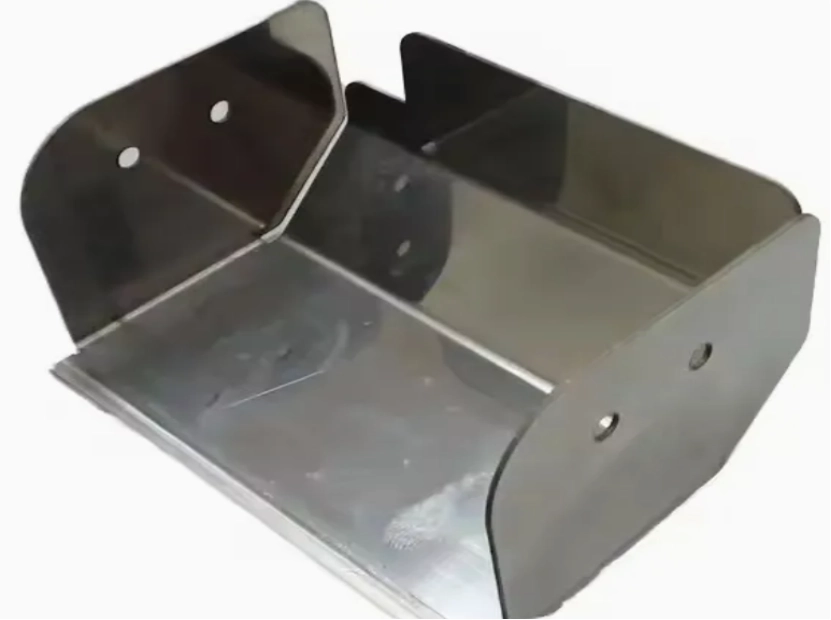
Outdoor enclosures face tough conditions. Rain enters tiny scratches. Condensation builds up along folded edges. Sunlight makes coatings lose color. Salt and industrial dust damage exposed metal.
Selecting the right surface finish for outdoor sheet metal enclosures goes beyond looks. The finish influences how well it resists corrosion. It also affects how much maintenance it needs. In addition, it impacts electrical grounding and overall service life. The base material plays a key role too. A coating that suits an aluminum control box might not work well on a welded steel battery cabinet.
What Should an Outdoor Sheet Metal Finish Protect Against?
Moisture remains the main threat. Yet outdoor conditions include much more than just rain. An enclosure could deal with salt spray. It might also encounter fertilizer dust or cleaning chemicals. Road debris and constant UV radiation add further risks. Temperature shifts make the metal and coating expand at different speeds.
Mechanical damage needs careful thought. Tools can slip while workers install the unit. Hinges wear from rubbing. Fasteners often cut into coatings. Corrosion frequently starts at these common contact spots. It does not usually begin across a large flat panel.
The proper finish must handle the expected surroundings. At the same time, it should not affect threads, seals, grounding points, or assembly tolerances.
Which Surface Finishes Are Best for Outdoor Sheet Metal Enclosures?
A few finishes can guard outdoor enclosures. Their success relies on the base material. It also depends on pretreatment, coating thickness, and how well workers apply it.
Powder Coating for Steel and Aluminum Enclosures
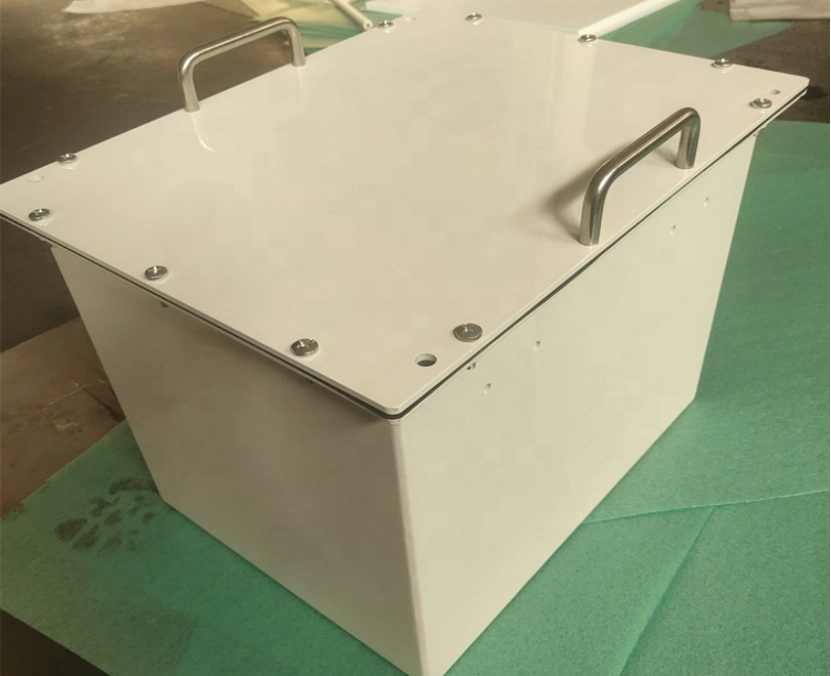
Powder coating serves as a practical option for many outdoor cabinets. It also fits machine guards and electrical enclosures. This finish delivers solid corrosion resistance. It offers strong impact resistance too. Plus, it creates a uniform look. Options for color and texture remain wide.
Epoxy powder works fine inside buildings. However, it often chalks and loses color when exposed to UV light.
Pretreatment decides the coating’s success. Powder placed over oil, rust, or badly prepared welds may start to lift near edges in just months. Weld seams, drainage holes, and sharp corners require extra attention. A smooth flat panel holds little value if rust forms under a hinge.
Anodizing for Aluminum Enclosures
Anodizing forms a protective oxide layer directly from the aluminum surface. It does not flake off like paint. The finish integrates with the material itself.
Type II anodizing works well for many outdoor instrument housings and lightweight electrical boxes. Type III hard anodizing is better where abrasion or repeated handling is expected.
Color variation can occur between alloy grades and production batches. Welded areas may also appear different after anodizing. That is normal, though not always acceptable for highly cosmetic products. Where exact color matching matters, powder coating may be easier to control.
Galvanizing and Zinc-Based Coatings for Steel Enclosures
Zinc shields steel with sacrificial protection. A small scratch on the surface lets nearby zinc keep guarding the bare spot.
Hot-dip galvanizing gives robust defense for outdoor infrastructure and heavy equipment. Its surface tends to feel rough. The extra zinc layer can interfere with threads, slots, hinges, or tight-fitting parts.
Electrogalvanizing and zinc plating create a smoother and thinner layer. They work for milder exposure. They can also act as a base before another coating. Galvanized steel paired with outdoor powder coating forms a strong duplex system. It raises the price. Yet it makes sense for gear meant to stay outside for many years.
Passivation and Electropolishing for Stainless Steel Enclosures
Stainless steel often goes without any painted layer. Still, building it can leave free iron and other impurities on the surface. Passivation clears away this contamination. It helps the natural chromium oxide layer stay strong.
Electropolishing levels the surface and makes cleaning easier. It helps in food equipment, medical housings, and units near chemicals.
The stainless grade remains important. Passivated 304 stainless steel may have trouble near saltwater. For coastal sites, 316 stainless steel usually offers a safer pick. No treatment can change a wrong grade into the correct one.
How Do the Main Outdoor Finishes Compare?
The table below gives a helpful starting point. Actual results will still vary with fabrication details and the specific environment.
|
Surface finish |
Suitable materials |
Corrosion resistance |
UV resistance |
Appearance |
Relative cost |
Typical use |
|
Outdoor powder coating |
Steel, galvanized steel, aluminum |
High with proper pretreatment |
High |
Many colors and textures |
Medium |
General outdoor enclosures |
|
Anodizing |
Aluminum |
High |
High |
Metallic finish |
Medium |
Lightweight housings |
|
Hot-dip galvanizing |
Steel |
Very high |
High |
Rough industrial finish |
Medium |
Harsh outdoor environments |
|
Zinc plating |
Steel |
Moderate |
High |
Smooth metallic finish |
Low–medium |
Mild exposure or undercoating |
|
Passivation/electropolishing |
Stainless steel |
High to very high |
High |
Natural stainless finish |
Medium–high |
Coastal, hygienic, or chemical use |
Powder coating handles the broadest set of common projects. Galvanizing and stainless steel grow more appealing when moisture, salt, and long service needs rise.
How Should the Finish Be Matched to the Enclosure Material?
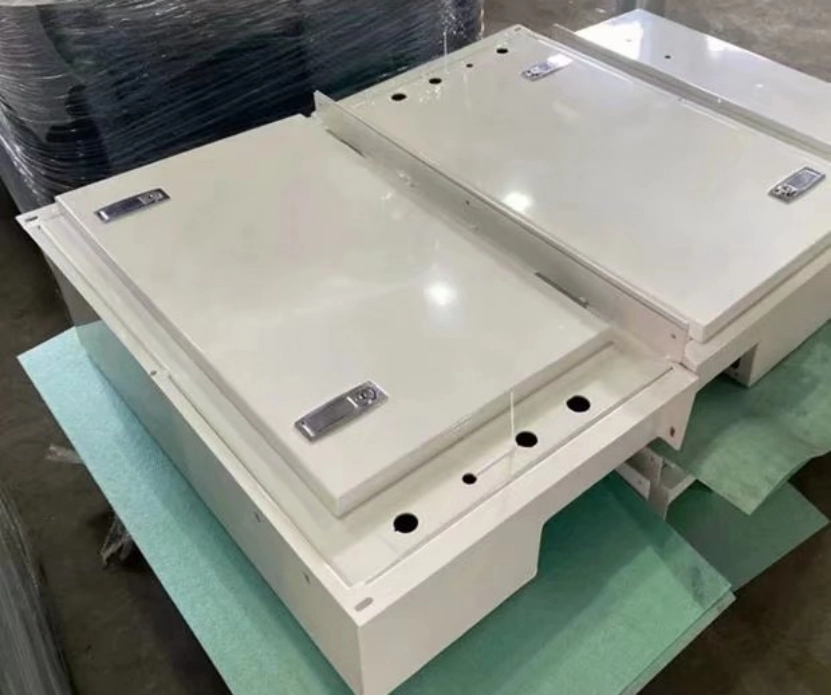
Mild steel generally requires pretreatment. After that comes exterior-grade powder coating. In tough conditions, galvanized steel with a powder-coated top coat supplies better defense.
Aluminum pairs nicely with anodizing if a metallic look is wanted. Powder coating lets users manage color and texture more freely.
Passivated 304 stainless steel fits many outdoor jobs. Coastal areas and places rich in chlorides often call for 316 stainless steel. Electropolishing can join it when needed.
One frequent error involves picking a cheap material. People then hope the finish will fix every weakness. A thin painted carbon-steel cabinet placed by the sea may cut costs at purchase. After two wet seasons, the real value often changes.
What Factors Should You Consider Before Choosing a Finish?
The fabricator needs more than a color code. Useful project information includes:
- Installation environment
- Expected service life
- Base material and sheet thickness
- Required color, gloss, and texture
- Coating thickness
- Salt-spray or adhesion requirements
- Areas requiring masking
- Conductive grounding points
- Cosmetic acceptance criteria
- Production quantity
Sealing faces, threads, studs, hinges, and electrical contacts should be identified on the drawing. Coating buildup in these areas can cause assembly problems that are difficult to correct later.
A site photograph is often helpful. “Outdoor use” could mean a sheltered box beneath a roof—or a cabinet facing ocean spray every afternoon.
Which Finish Is Best for Your Outdoor Enclosure?
For ordinary outdoor steel enclosures, pretreated polyester powder coating usually strikes the best balance. It offers good cost, appearance, and lasting strength. Anodizing works nicely on aluminum. Galvanized systems fit severe exposure. Passivated or electropolished stainless steel matches coastal, hygienic, and chemical settings.
Deshibo Machinery provides custom sheet metal fabrication, welding, surface finishing, and assembly. Send your drawings and installation details for a manufacturing review and quotation.
Frequently Asked Questions
Q: Is powder coating enough for outdoor steel enclosures?
It can work well if the steel gets proper pretreatment. An exterior-grade polyester powder must also be chosen. Coastal or very corrosive spots may need galvanized steel under the coating.
Q: Can aluminum enclosures be powder coated instead of anodized?
Yes. Powder coating supplies a wider range of colors. It can also cover small differences in the material. Anodizing creates a thinner metallic surface. It will not peel like paint.
Q: Does stainless steel need a surface finish outdoors?
Not always, but passivation is recommended after welding and fabrication. It removes surface contamination that could lead to rust staining. Electropolishing may be added where cleanability or stronger corrosion resistance is needed.
