
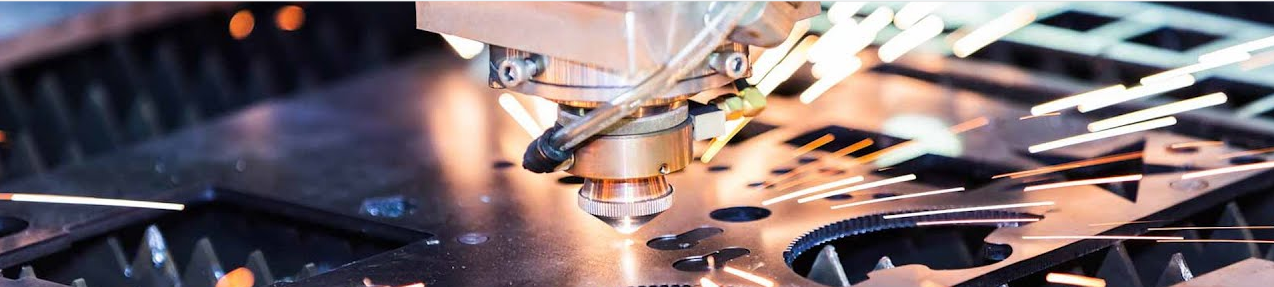
Why Sheet Metal Laser Cutting Services Make Sense for Agricultural Applications
Time : Jul 17, 2026 View : 58
Precision Requirements in Modern Agricultural Machinery
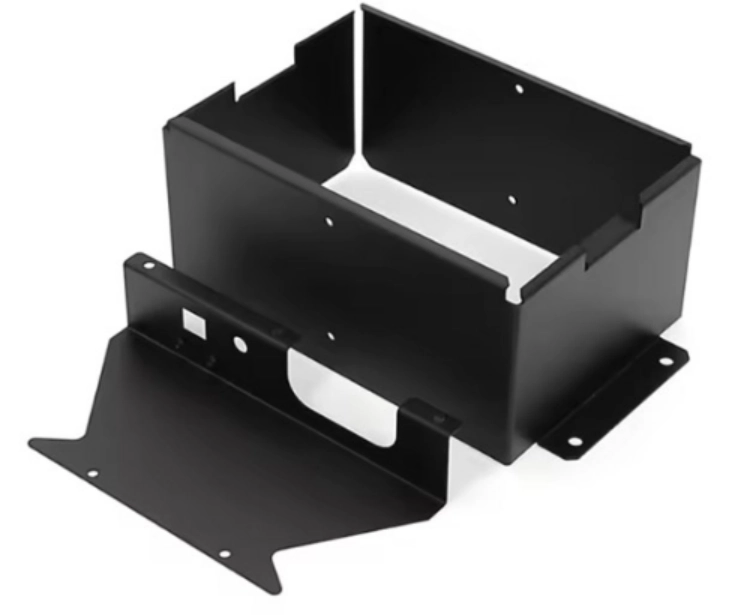
Modern farming equipment demands tighter tolerances to integrate with GPS and automated sensors. It is no longer just about heavy iron; it is about how that iron communicates with a satellite. If a bracket for a sensor is off by even a millimeter, the entire automated steering system of a tractor can lose its calibration. This shift toward “smart” farming has made traditional fabrication methods somewhat obsolete for high end components.
Laser cutting achieves intricate geometries that traditional mechanical shearing cannot match. When dealing with complex mounting plates or internal engine components, the ability to cut non-linear paths with extreme accuracy is a game changer. High repeatability ensures that replacement parts for harvesters or tractors fit perfectly every time. This is critical during a harvest window when a farmer cannot afford to spend three hours grinding a “standard” replacement part just to make it bolt onto the frame.
How Does Laser Cutting Improve Equipment Durability?
The longevity of agricultural machinery is often determined by how the metal was treated during the initial fabrication phase.
Material Integrity and Heat Affected Zones
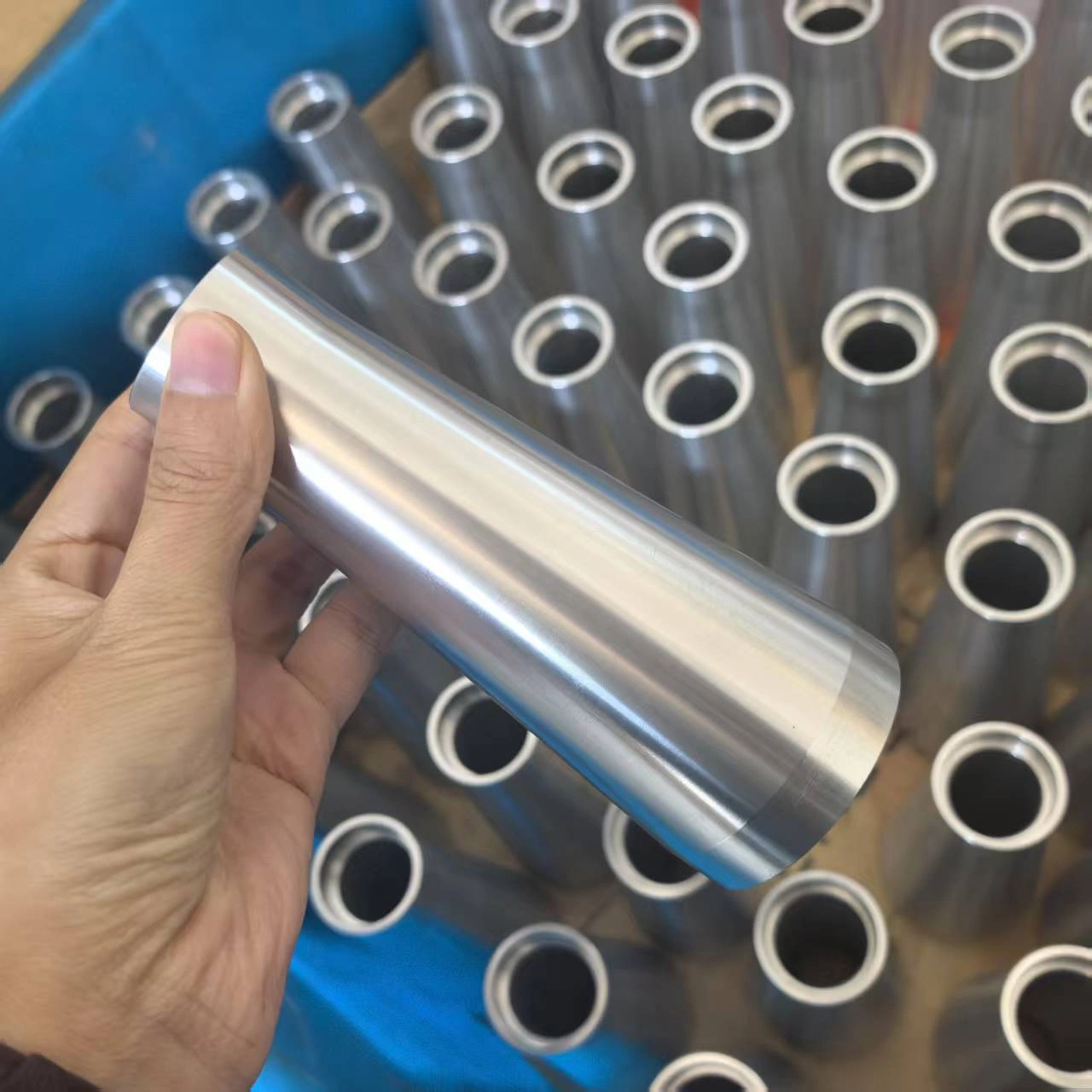
Fiber lasers minimize the Heat Affected Zone (HAZ), preserving the structural properties of the base metal. In the shop, we see how conventional plasma or oxy fuel cutting dumps massive amounts of heat into the workpiece. This heat changes the molecular structure of the steel, often making it brittle. Reduced thermal distortion prevents warping in large scale agricultural panels and chassis components. If a 10 foot grain cart panel warps during cutting, it creates internal stresses that will eventually lead to failure. Cleaner edges reduce the risk of stress fractures in high vibration environments like tilling or seeding. When a machine is bouncing across a dry field for 14 hours a day, those microscopic cracks in a poorly cut edge will eventually propagate into a full blown frame snap.
Enhancing Corrosion Resistance Through Edge Quality
Smooth, dross free edges allow for superior powder coating and paint adhesion. If there is slag or dross on the edge, the paint will thin out over that sharp point, creating a failure site for moisture. Eliminating micro-burrs prevents the premature onset of rust in moisture heavy farming conditions. Think about manure spreaders or chemical sprayers; these are highly corrosive environments. High quality finishes extend the operational lifespan of livestock feeding systems and storage bins by ensuring the protective coating actually stays on the metal rather than peeling off at the corners.
Can Laser Cutting Reduce Lead Times for Seasonal Demands?
Agriculture is entirely dictated by the weather and the calendar. If you miss the planting window, you lose the year. Rapid prototyping allows agricultural OEMs to test and refine equipment designs before peak seasons. We can cut a prototype in the morning, test it in the afternoon, and have the final design ready for production by the next day. No requirement for expensive physical dies or tooling reduces the setup time for custom fabrication runs. Unlike stamping, where you wait weeks for a die to be machined, laser cutting starts the moment the CAD file is uploaded. Furthermore, automated nesting software optimizes material usage, reducing scrap and lowering overall production costs. It is about getting the most parts out of a single sheet of steel, which is vital when raw material prices are volatile.
Material Versatility for Diverse Farming Environments
A single piece of farm equipment might use four different types of metal, each requiring a specific approach to sheet metal fabrication.
Handling High Strength Steels and Alloys
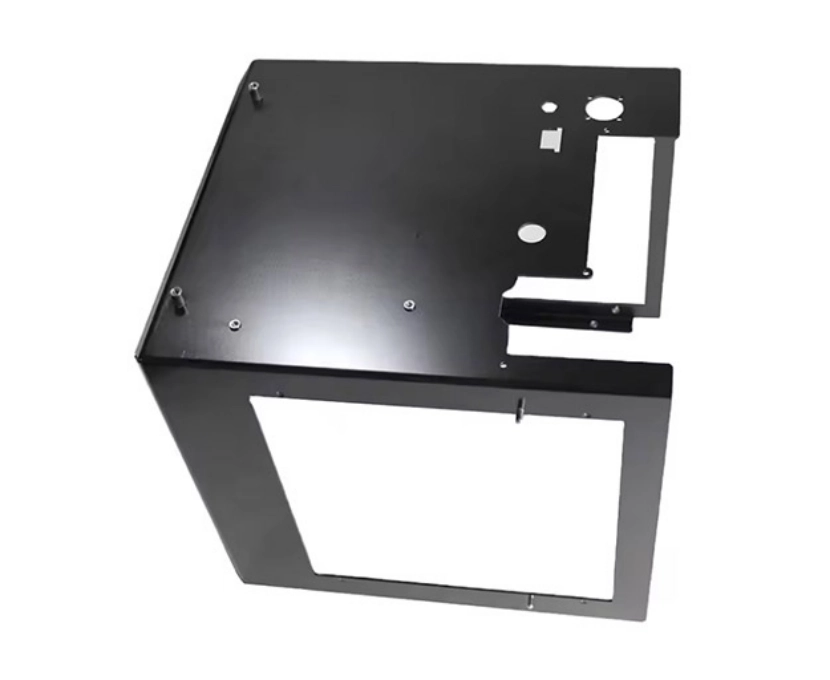
Laser systems easily process high strength, wear resistant steels used in soil engaging tools. These steels are notoriously difficult to machine or shear because they are designed to resist abrasion. However, a fiber laser does not care about the hardness of the material. Precise cutting of stainless steel is essential for food grade agricultural processing and dairy equipment where hygiene is paramount. We also see a trend toward lightweighting; Deshibo Machinery manages complex projects involving aluminum for lightweighting mobile irrigation components, which helps reduce soil compaction by lowering the overall weight of the machinery.
Customization for Specialized Agricultural Implements
Small batch production becomes economically viable for niche organic or vineyard farming tools. Not every farmer needs a 50 foot wide combine; some need specialized equipment for narrow vineyard rows. Complex venting patterns and drainage holes can be integrated directly into the cutting process, eliminating the need for secondary drilling. Laser technology facilitates the creation of interlocking tabs and slots, simplifying the secondary welding and assembly phases. It is like a giant Lego set; if the laser cuts the tabs perfectly, the welder doesn’t have to spend time measuring and squaring—the parts only fit together one way.
Strategic Advantages of Partnering with Deshibo Machinery
Choosing a partner for laser cutting is about more than just the machine; it is about the workflow. Our integrated approach combines laser cutting with CNC bending and welding for a turnkey agricultural solution. We don’t just hand over a pile of flat parts; we provide sub assemblies that are ready for the production line. Decades of experience in sheet metal fabrication ensure compliance with rigorous industrial standards, which is why we can handle the heavy duty requirements of the ag sector.
Contact us today to discuss your next agricultural fabrication project and get a custom manufacturing solution built for the field.
FAQ
Q: Why is fiber laser cutting better than CO2 laser cutting for farm equipment?
Fiber lasers are generally faster and more efficient at cutting thinner to medium gauge metals commonly used in equipment panels. They also require less maintenance, which helps keep production costs down for the end user.
Q: Can laser cutting handle the heavy 20mm steel plates used in tractor frames?
Yes, modern high power fiber lasers can easily handle thick carbon steel. The edge remains square and clean, which is much better for deep penetration welding compared to the slanted edges often seen with plasma cutting.
Q: Does laser cutting help with rust prevention?
Indirectly, yes. By providing a smoother edge, the paint or powder coating adheres better and covers the edge more uniformly, which prevents moisture from reaching the raw steel.
Q: Is it cost effective for just a few replacement parts?
Absolutely. Because there is no “tooling” cost, the price to cut one part is essentially the same as the price per part for a hundred, minus the minor setup time for the software.
