
5052 vs 6061 Aluminum for Sheet Metal Fabrication
Time : Aug 06, 2026 View : 46
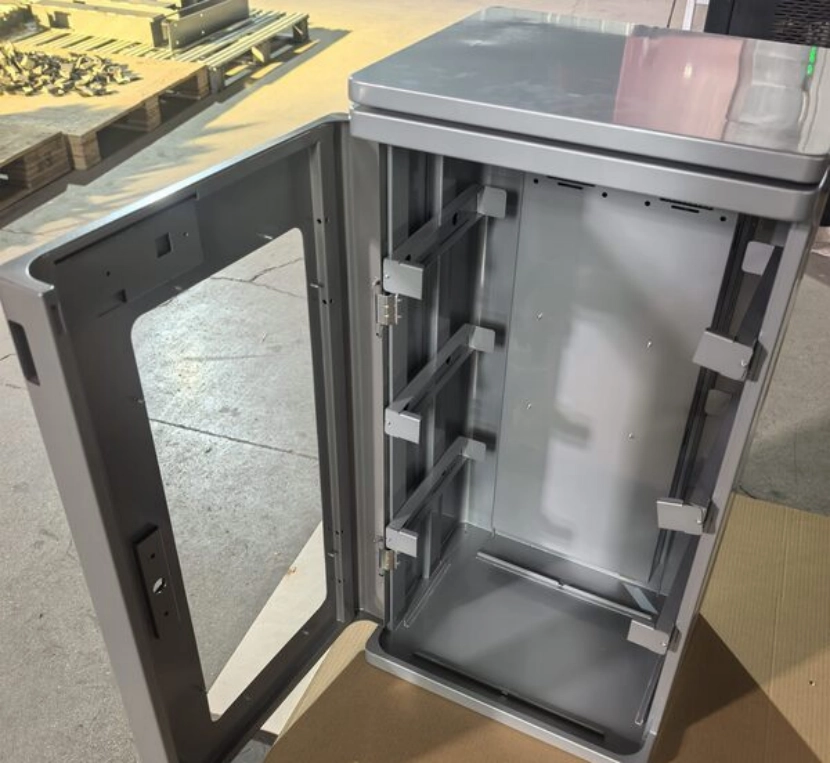
Picking between 5052 and 6061 aluminum can appear easy on a list of materials. The choice seldom stays that easy. The part soon reaches the brake press. It moves to the welding table. Or it arrives at the machining center.
A shape that bends clean in 5052 could develop cracks in 6061-T6. One bracket feels firm in 6061. It might call for added thickness in 5052. The final choice rests on how you make the item and the environment where it operates.
What Is the Main Difference Between 5052 and 6061 Aluminum?
5052 is an aluminum magnesium alloy. It is not heat treatable and is valued for formability, weldability, and corrosion resistance. In sheet metal work, 5052-H32 is common because it balances strength and ductility.
6061 contains magnesium and silicon. Heat treatment can strengthen it. Many teams select 6061-T6 where stiffness, structural strength, and machining performance count. This added strength creates a trade off. The T6 temper does not handle tight bends as well.
| Property | 5052-H32 Aluminum | 6061-T6 Aluminum |
| Relative strength | Moderate | Higher |
| Bendability | Excellent | Limited at tight radii |
| Weldability | Excellent | Good |
| Corrosion resistance | Excellent | Very good |
| Machinability | Fair | Good |
| Heat treatable | No | Yes |
| Typical use | Formed and welded sheet parts | Structural and machined parts |
Use 5052 when the part must be shaped. Consider 6061 when it must carry load, hold threads, or receive substantial machining.
Which Alloy Is Easier to Fabricate Into Sheet Metal Parts?
How the material behaves during making often sets the choice early. Strength numbers come later.
Bending and Forming
5052 is usually the safer choice for bent enclosures, trays, covers, and panels with several flanges. It accepts smaller inside bend radii and forms with less risk of surface cracking.
6061-T6 can be bent, but tight bends may crack, especially when the bend line is poorly oriented to the grain. Larger radii help. So does specifying the temper instead of writing only “6061” on the drawing.
A U-shaped mounting bracket is a typical example. In 5052-H32, two short flanges may form cleanly in one setup. In 6061-T6, the same geometry may need a wider radius or a material change. The drawing looked reasonable. The temper caused the trouble.
Welding and Assembly
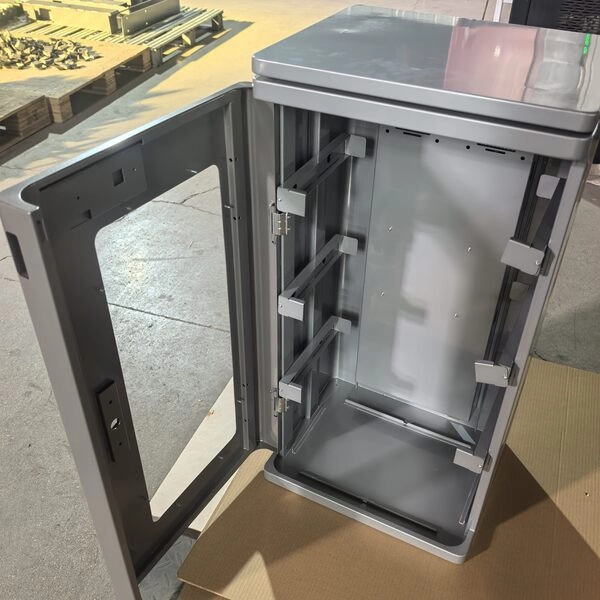
Both alloys can be welded. 5052 feels easier in welded sheet metal assemblies. Teams use it often for cabinets, tanks, covers, and housings where seams get welded and finished.
6061 also welds well, yet the heat affected zone loses strength compared with the original T6 condition. The joint should not be designed as though full base metal strength remains unchanged.
Rivets, screws, or PEM hardware can avoid welding. For mixed processes, Deshibo Machinery reviews the full assembly drawing. Different steps may suggest different material choices.
Cutting and Machining
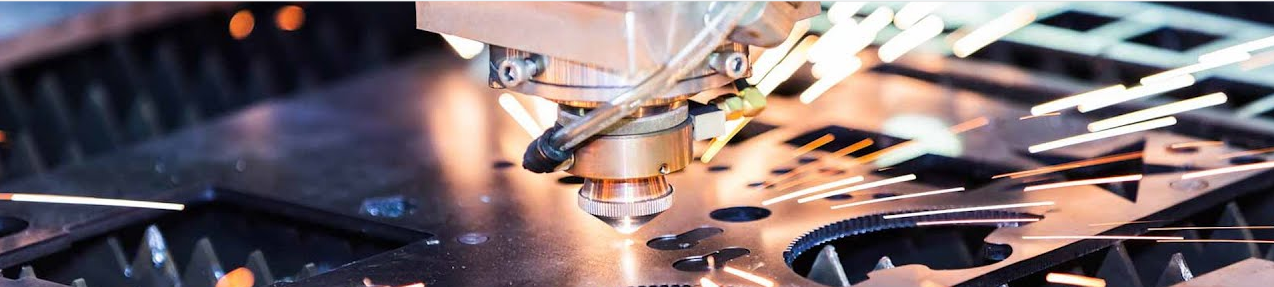
Laser cutting, waterjet cutting, sawing, and blanking work with both alloys. The difference becomes clearer when the part includes tapped holes, counterbores, precision bores, or milled pockets.
6061 machines more cleanly and is generally preferred for extensive CNC work. Chips break more predictably, threads hold well, and dimensional control is easier.
5052 can be drilled and tapped, but its softer behavior makes detailed machining less pleasant. A few mounting holes are fine. Deep pockets and many threaded features suggest 6061—or a two part design.
Which Alloy Offers Better Strength and Corrosion Resistance?
Strength controls deformation and load capacity. Corrosion resistance controls how the part ages.
Strength and Structural Performance
6061-T6 has higher yield and tensile strength than 5052-H32. It is commonly used for structural brackets, machine supports, mounting plates, and rigid components.
Still, alloy strength is only one part of the design. A formed return flange can stiffen a 5052 panel more effectively than simply changing material. Beads, ribs, gussets, and section depth often matter more than expected.
A flat 6061 cover may still vibrate. A formed 5052 cover with edge returns can feel stiffer and may be easier to produce.
Corrosion Resistance
5052 performs particularly well in humid, marine, and salt exposed environments. That is why it appears in marine panels, outdoor cabinets, battery enclosures, and equipment covers.
6061 also has good corrosion resistance and suits many indoor and outdoor applications. Anodizing, powder coating, or conversion coating can improve durability and appearance.
“Outdoor use” is too vague. A dry inland control box and a coastal cabinet exposed to salt spray need different assumptions.
What Applications Are Best Suited to 5052 and 6061 Aluminum?
The alloy should follow the dominant manufacturing and service requirement, not habit.
Common Applications for 5052 Aluminum
5052 sees regular selection for electrical enclosures, battery housings, HVAC panels, marine components, fuel tanks, formed covers, trays, and welded assemblies.
A battery cabinet is a good example. It may need several bends, ventilation openings, welded seams, corrosion resistance, and a powder coated finish. Formability and joining behavior often influence production risk more than higher base metal strength.
Common Applications for 6061 Aluminum
6061 fits structural brackets, machine frames, tooling plates, fixtures, robotics components, load bearing supports, and CNC machined parts.
Consider an equipment mounting plate with tapped holes, dowel locations, and a flatness requirement. Machining performance and stiffness become the main factors. 6061 turns into the practical selection.
Some assemblies combine both materials. Formed 5052 panels can pair with machined 6061 rails or mounting blocks. One alloy does not need to handle every role.
How Do Cost and Availability Affect the Choice?
Both alloys stay easy to source. Price shifts with temper, thickness, sheet size, order volume, and location. Material cost should connect to the full processing cost.
A cheaper sheet can create a more expensive part. Tight bends in 6061 may increase cracking, scrap, and setup time. A heavily machined 5052 component may consume more tool time and produce poorer threads than the same part in 6061.
Volume changes the calculation. On one prototype, extra machining may be acceptable. Across several thousand parts, cycle time and rejection rate matter much more.
How Should You Choose Between 5052 and 6061 for Your Project?
Start with the process sequence. Does the part need tight bends, long welded seams, tapped holes, structural stiffness, or exposure to salt and moisture?
Select 5052 when forming demands, weld quality, and corrosion resistance lead the requirements. Select 6061 when strength, rigidity, and machining lead instead. For mixed needs, check temper, bend radius, grain direction, thickness, joining method, and load path as one set of decisions.
A drawing review is useful here. Deshibo Machinery can examine the flat pattern, bend notes, tolerances, welded joints, and machined features as one manufacturing problem. An alloy change can affect tooling, bend allowances, inspection points, and assembly sequence—not just the material line on the bill of materials.
5052 or 6061 Aluminum: Which One Is Better?
Neither alloy wins every comparison.
5052 is usually the better fit for formed and welded sheet metal parts, especially in corrosive environments. 6061 is usually the stronger choice for structural parts and components requiring substantial CNC machining.
The difficult projects sit between those categories. A prototype may need to be bent like sheet metal, then machined and loaded like a structural part. Reviewing the complete drawing—and sometimes producing one sample—is more useful than debating alloy data in isolation.
Before placing a production order, submit your drawing for a manufacturability review to confirm the most suitable alloy, temper, thickness, and fabrication process.
FAQ
Q: Can 6061 Aluminum Be Bent Without Cracking?
Yes, but 6061-T6 often needs a larger bend radius than 5052-H32. Thickness, grain direction, tooling, and bend angle all affect the result.
Q: Is 5052 Strong Enough for Structural Brackets?
It can be strong enough. The answer depends on the load. Thickness is important. The geometry matters. Support conditions also count. Flanges add stiffness. Ribs help. Gussets can improve performance. These features often work better than changing to a different alloy.
Q: Which Alloy Is Better for Outdoor Enclosures?
5052 is often the first choice when moisture is present. Salt air or repeated weather exposure makes it attractive. 6061 can succeed if you apply a suitable coating. An anodized finish also helps.
Q: Can 5052 and 6061 Be Used in the Same Assembly?
Yes they can. Many assemblies mix formed 5052 panels with machined 6061 components. Check the joining method first. The service environment needs review too. Do this check before full production begins.
