
Semiconductor Sheet Metal Fabrication: What to Know
Time : Jul 16, 2026 View : 63
Critical Requirements for Semiconductor Sheet Metal Fabrication
In chip manufacturing, sheet metal serves as more than just a basic cover. It acts as a vital part of the active process environment. A bracket might miss its mark by half a millimeter in normal industrial settings. In that case, workers often just push the bolt into place. However, things change inside a lithography tool or a vacuum chamber. There, that identical tiny error leads to complete failure.
Why is Precision Non-Negotiable in Semiconductor Environments?
Semiconductor equipment demands extremely tight tolerances. Makers often measure these limits in microns. This strict measurement ensures fragile electronic parts fit together perfectly. The internal layout of a wafer processing tool leaves absolutely no room for mistakes. Highly accurate sheet metal fabrication stops physical clashes inside vacuum chambers. It also protects cleanroom modules. A very small alignment issue might spark unwanted vibrations. Such shaking can easily destroy a batch of wafers. Those damaged items often cost hundreds of thousands of dollars.
Facilities must keep this exactness across thousands of individual parts. Therefore, modern CNC machinery and laser cutting systems play a required role. They deliver the steady repetition needed for large-scale semiconductor tool manufacturing.
Material Selection and Chemical Compatibility
The working environment completely dictates the choice of metal. You cannot just pick basic carbon steel and hope it lasts. Instead, the industry depends on specific materials. These include stainless steel (304/316L), aluminum alloys, and strong plastics.
Builders place a major focus on fighting rust and decay. The metal must resist the harsh chemicals found in wafer etching and cleaning steps. A metal might react with active process gases. If that happens, it brings unwanted metallic dirt right into the cleanroom. In addition, engineers need a solid grasp of how metals grow when heated. They use this knowledge to keep structures strong during hot processing stages. A metal frame might stretch too much as the chamber warms up. Consequently, the attached sensors will lose their proper setup.
Specialized Fabrication Processes at Deshibo Machinery
To meet these extreme demands, the fabrication floor must operate more like a laboratory than a traditional machine shop. It is about controlling variables from the moment the raw sheet is loaded.
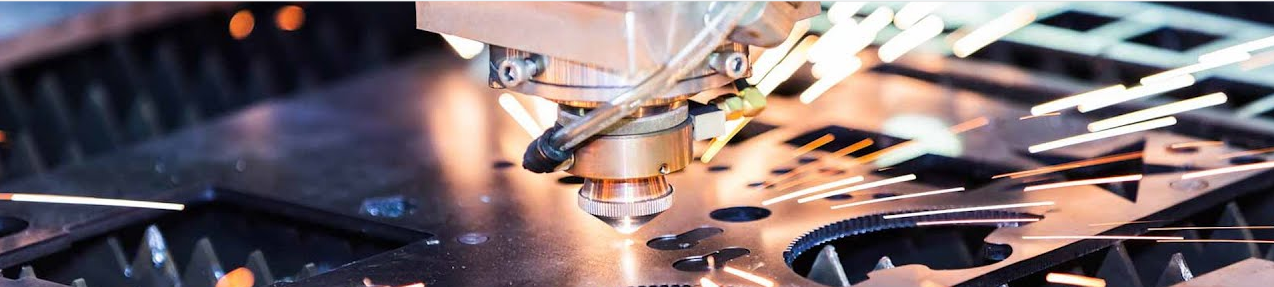
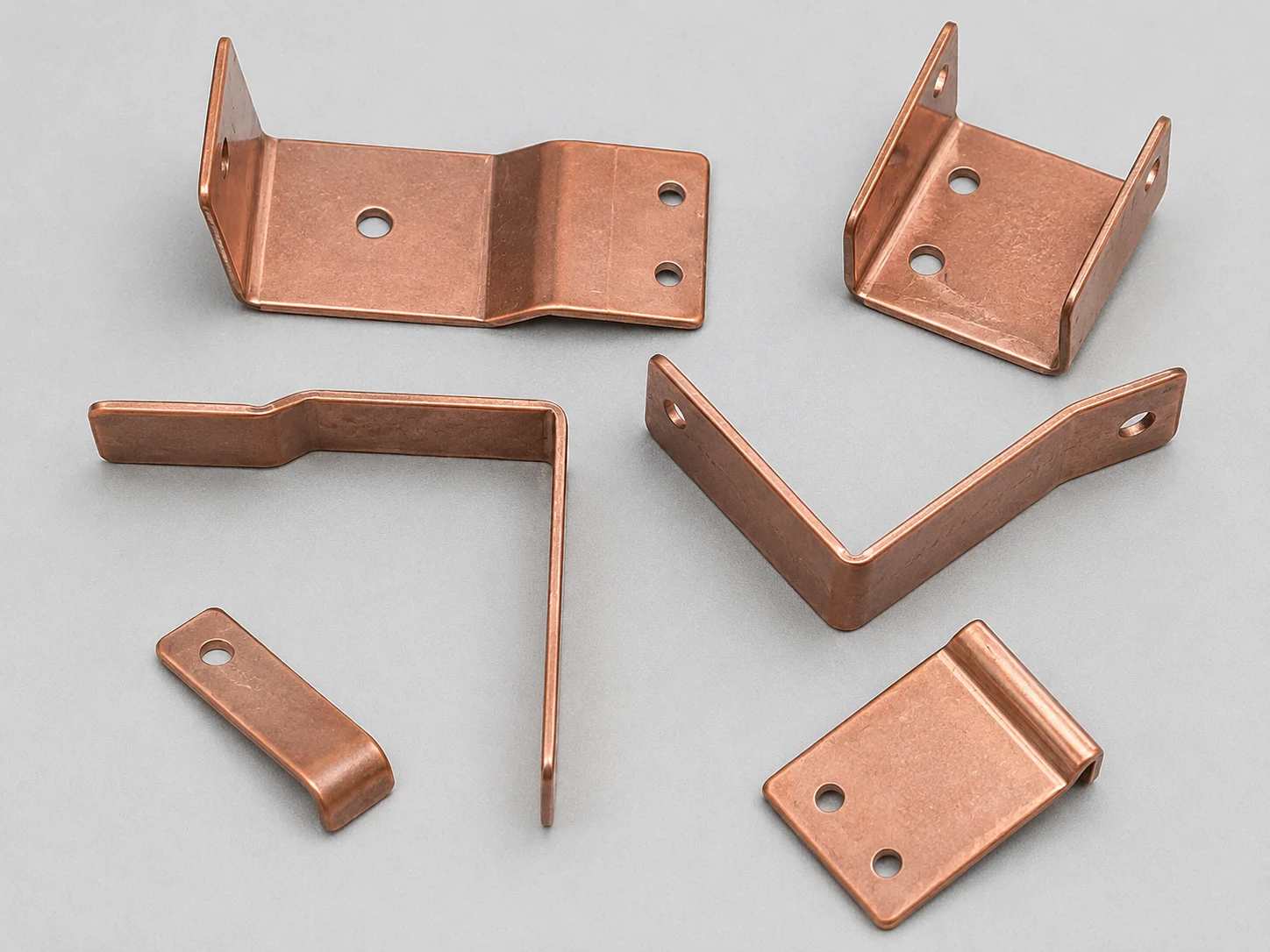
The workflow begins with the utilization of high speed fiber laser cutting for intricate geometries without heat affected zone (HAZ) distortion. Traditional CO2 lasers or plasma cutters can leave a “bruise” on the edge of the metal—a zone where the crystalline structure has changed. Fiber lasers minimize this, which is vital for parts that need to be welded later. Following cutting, we see precision bending and forming using multi-axis CNC press brakes to ensure exact angles for modular frames. This is where the sheet metal fabrication becomes an art of physics; calculating the “spring back” of 316L stainless steel requires sophisticated software and experienced operators.
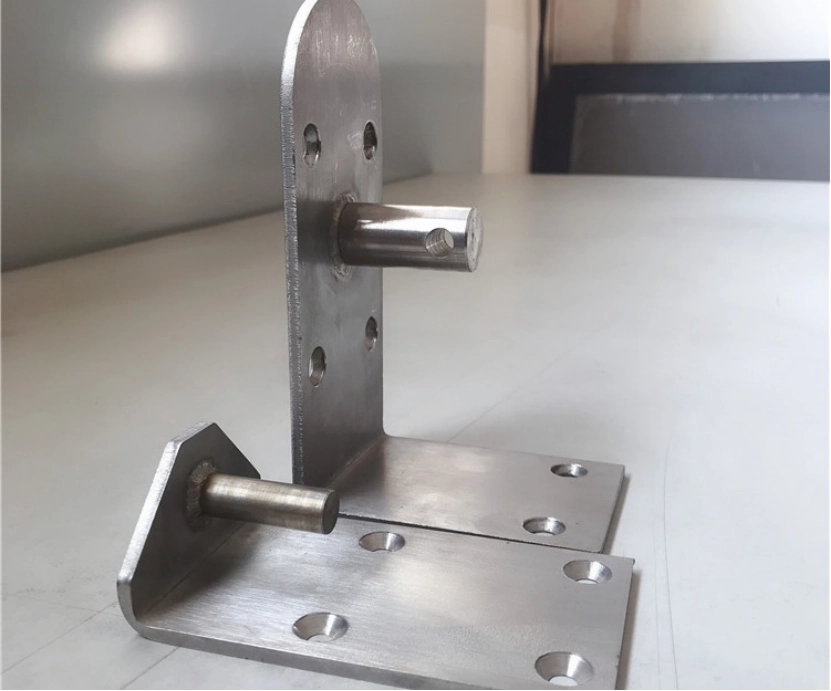
Specialized welding techniques, including TIG and robotic welding, are used to create airtight seals for vacuum environments. A vacuum leak is the nightmare of any fab engineer, so these welds must be non-porous and ultra clean. Finally, the integration of hardware insertion and assembly services to provide a turnkey solution for equipment housings ensures that every PEM nut and standoff is perfectly perpendicular and seated to the correct torque.
Managing Contamination and Surface Integrity
A part can be dimensionally perfect but still be “dirty” in the eyes of a semiconductor manufacturer. Surface finish is the gatekeeper of cleanroom compatibility.
How Do Surface Finishes Impact Cleanroom Performance?
Raw metal surfaces are actually quite craggy under a microscope. We use electropolishing and passivation techniques to remove surface impurities and enhance corrosion resistance. This process essentially “irons out” the surface at a molecular level. The importance of smooth surface profiles (Ra values) to prevent particle entrapment and outgassing cannot be overstated. If a surface is rough, it traps dust; if it has oils in the pores, it outgasses in a vacuum, ruining the process vacuum. For external components, we focus on applying specialized powder coatings or anodizing that meet stringent cleanroom outgassing standards to ensure no chemical vapors are released over time.
Strict Quality Control and Cleanliness Protocols
The job is not finished when the machine stops. Implementation of multi-stage cleaning processes to remove oils, fingerprints, and debris before shipping is a standard requirement. Most people do not realize that a single fingerprint can cause a “hot spot” of corrosion or outgassing in a high vacuum tool. Inspection using CMM (Coordinate Measuring Machines) to verify dimensional accuracy against CAD models provides the data trail needed for compliance. Finally, we use packaging solutions designed to maintain component purity during transit to the manufacturer—often double bagging parts in a controlled environment so they can go straight into the customer’s cleanroom.
Choosing a Partner for Semiconductor Grade Metalwork
Not every shop with a laser cutter is equipped for this industry. It requires a specific mindset regarding documentation and quality.
Evaluating Technical Expertise and Equipment Capability
The first thing to check is an assessment of a fabricator’s ability to handle complex, thin gauge materials without warping. Heat management during welding and cutting is the difference between a flat panel and a potato chip. There is also the value of engineering support in DFM (Design for Manufacturing) to reduce production costs and lead times. A good fabricator will tell a designer when a bend is too close to a hole, preventing a fracture before it happens. Finally, look for the scalability of services from initial prototyping to full scale production runs.
How Does Deshibo Machinery Support Semiconductor Supply Chains?
Supply chain reliability is currently the biggest bottleneck in the chip world. We address this by providing end to end transparency in material sourcing and fabrication logs. If a batch of steel has an issue, we know exactly which parts it went into. Our rapid response capabilities to meet the fast paced innovation cycles of the semiconductor industry allow us to turn around prototypes in days, not weeks. We also offer customization options that allow manufacturers to iterate designs quickly based on evolving chip architecture needs, ensuring that as chips get smaller, the metal supporting them gets more precise.
Contact us today to discuss your semiconductor fabrication requirements and discover how our precision metal manufacturing solutions can support your next project.
FAQ
Q: What are the most common materials used in precision sheet metal fabrication for semiconductors?
Stainless steel 316L is the gold standard for its corrosion resistance, while various aluminum alloys are used for their strength to weight ratio and thermal conductivity.
Q: Why is “outgassing” such a big deal?
In a vacuum chamber, any trapped air or chemicals in the metal surface will slowly release. These molecules can land on the silicon wafer, causing defects in the microscopic circuits.
Q: What is the typical tolerance for these parts?
While it varies, we often work with tolerances as tight as +/- 0.05mm for critical mounting features, which is significantly tighter than standard industrial sheet metal work.
Q: How is cleanliness maintained during shipping?
Parts are usually cleaned in ultrasonic baths, dried, and then vacuum sealed or double bagged in poly bags to prevent any environmental contamination during transport.
