
Why Electroplating Matters for Precision Sheet Metal Fabrication
Time : Apr 10, 2026 View : 33
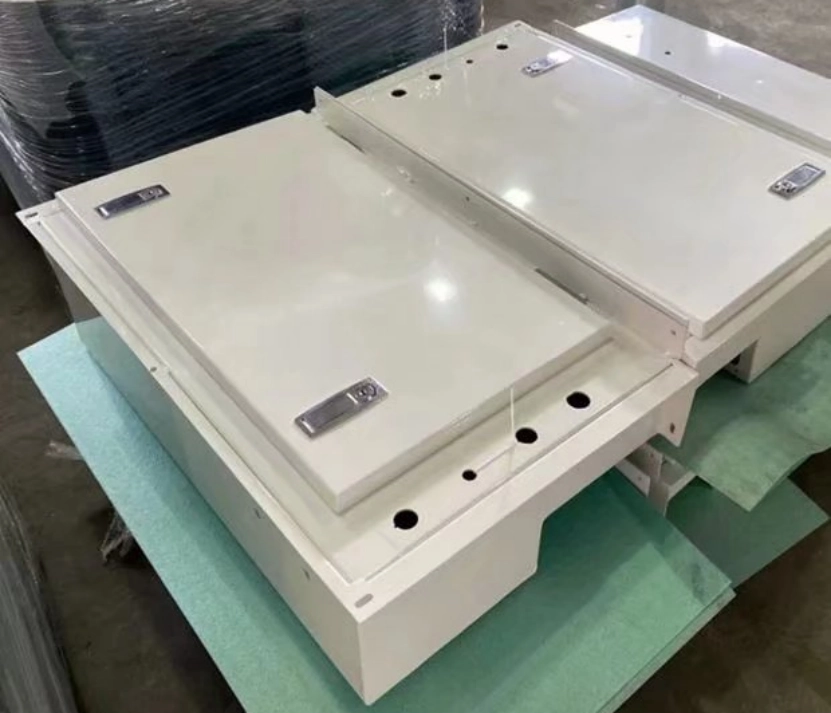
Precision sheet metal fabrication needs good accuracy in shaping and joining. It also requires strong surface treatment. Electroplating plays a key role here. This process turns a basic metal part into a tough, rust-proof, and good-looking item. For fields where exactness, long life, and looks meet, like aerospace, automotive, and electronics, electroplating is a must.
The Role of Electroplating in Precision Sheet Metal Fabrication
Electroplating acts as a guard and a beauty boost for made parts. It does more than just finish them. It upgrades how they work.
Understanding the Purpose of Electroplating
Electroplating applies an electric current to coat one metal over another. For instance, adding chromium or nickel to iron makes it shinier and tougher. This slim metal cover boosts wear protection, rust defense, and surface shine. In precision sheet metal fabrication, these gains matter a lot. Even small flaws on the surface can mess up how parts fit together or conduct electricity.
Sectors that need close fits, such as medical tools or airplane parts, use electroplating. It helps keep steady work under pressure and weather. Plus, it improves the look without changing the shape of thin sheet metals.
How Electroplating Supports Modern Fabrication Needs
Today’s making focuses on both exact mechanics and saving money. Electroplating helps with this. It lets makers hit close fits with even covers. It gives cheap safety for pricey setups like boxes or links. And it allows special finishes for needs like electric flow or shine.
- Allowing manufacturers to reach tight tolerances with uniform coatings.
- Offering cost-effective protection for high-value assemblies like enclosures or connectors.
- Enabling customized finishes for specific functional needs such as electrical conductivity or reflectivity.
By adding electroplating to the making process early on, makers cut down errors after production. They also boost repeat results in big batches.
The Science Behind the Electroplating Process
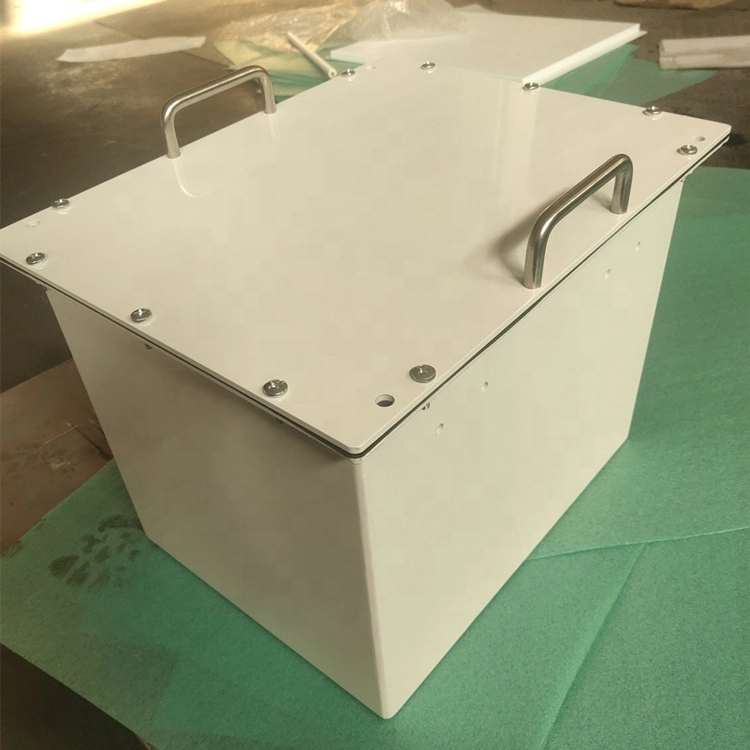
Before looking at methods or stuff, it pays to grasp how electroplating works at its heart. It is a managed chemical-electric reaction that sticks atoms one by one.
How Electroplating Works
The method soaks a leading base metal, the cathode, into a liquid mix with bits of the coating metal, the anode. When power runs through the mix, metal bits settle evenly on the cathode’s face. They form a solid cover. The liquid keeps bit movement smooth and the mix steady during plating steps.
This exact handle on power strength and length lets makers set cover thickness to tiny measures. That is vital for close-fit sheet metal items in gadgets or light tools.
Key Factors Affecting Plating Quality
A few things shape plating outcomes:
- Voltage and current density– too much can lead to bumpy buildup; too little might weaken stickiness.
- Temperature– changes how bits move and cover evenness.
- Solution composition– sets the shine and toughness of the end result.
- Surface preparation– cleaning off grease, washing, or smoothing helps better sticking;
After-plating steps like sealing or heating add more strength. They close tiny holes or ease built-up strain in the cover.
Benefits of Electroplating in Sheet Metal Fabrication
Precision sheet metal pieces often deal with hard settings, like shakes, dampness, warmth. Electroplating lets them last through that. It keeps accuracy and looks intact.
Improving Strength and Durability
Coated layers from electroplating make the surface harder. Yet they keep the base stuff bendy. So parts fight rubbing wear better without getting breakable. That helps a lot for moving setups like door parts or cases handled often.
Extending Product Lifespan Through Corrosion Resistance
These traits make coated sheet metals great for outside gear, boat parts, or car bottom pieces open to wet and salt spray. Nickel or zinc acts as give-up shields. They stop rust on base steel or aluminum mixes under them.
Enhancing Surface Appearance and Finish Quality
A smooth finish not only boosts the view but shows fine work in buyer goods like home tools or control boards. Based on picked metals, chrome for mirror glow or nickel for soft feel, makers get steady good looks. They keep the build solid too.
Modifying Electrical Conductivity and Functionality
In gadget making, slim gold or silver covers go on links and ends. They better electric touch trust and fight dulling over time. On the other hand, non-leading finishes work when block is needed between parts in small setups.
Common Electroplating Techniques Used in Fabrication
Various part shapes need varied plating ways. They ensure full cover without harm to soft spots.
Barrel Plating for Small Components
This suits nuts, screws, rings, and other tiny bits made in lots. Barrel plating rolls parts in a turning barrel dunked in liquid mix. It gives even cover on tricky forms.
Rack Plating for Larger or Delicate Pieces
Rack plating hangs each part alone on leading frames. This keeps tight watch on cover thickness spread. It is key for weak parts with small details, like supports or pretty edges.
Choosing Materials for Effective Electroplating Results
Picking stuff decides how well plating sticks and holds up.
Popular Base Metals in Sheet Metal Fabrication
Steel and Stainless Steel
Steel gives power; stainless steel fights rust but may need extra wake-up before plating. That is due to its quiet rust skin.
Aluminum and Copper Alloys
Light but well-leading stuff like aluminum gains from before-hand steps. Such as zincate, before electroplating. This makes sure good sticking.
Common Plating Metals and Their Advantages
|
Plating Metal |
Key Benefits |
Typical Applications |
|
Nickel |
Corrosion resistance, hardness, bright finish |
Precision housings |
|
Zinc |
Cost-effective rust prevention |
Industrial fasteners |
|
Gold/Silver |
High conductivity & decorative appeal |
Electronics & jewelry |
Comparing Electroplating with Other Finishing Methods
It makes sense to check electroplating against other usual finish tricks in sheet metal fabrication.
Differences Between Electroplating and Powder Coating
Powder coating builds thicker guard layers good for bump safety. But it misses metal leading, a problem where electric link counts. Coated layers from electroplating are slimmer but more exact. They fit tight setups well.
How Anodizing Differs from Electroplating
Anodizing is a face treatment just for aluminum and its mixes. It uses electric split to make a hard guard film, alumina layer, on the aluminum face. Unlike electroplating that adds stuff outside, anodizing changes the aluminum base. It forms a rust film that fights decay. And it lets color picks.
Applications of Electroplated Sheet Metal Across Industries
Coated finishes show up in many areas. They mix shape with job nicely.
Automotive and Aerospace Uses
Engine supports, pipe edges, plane gear cases, all gain from better rust safety. They do so without much extra weight.
Electronics and Electrical Equipment
Gold- or silver-coated touches keep steady signal send; nickel layers guard circuit cases from wave mix-up.
Consumer Products and Decorative Items
Tool turns, light setups, watch boxes, all use coated finishes. They keep shine despite daily touch.
Factors to Consider When Selecting an Electroplating Service Provider
Picking a skilled helper ensures tech skill and making speed.
Quality Standards and Certifications
Seek suppliers that follow ISO quality setups. They track steps from before-treatment to check stages.
Customization Capabilities
Helpers should give changeable settings like thickness watch or mixed covers. Tailor them to your job’s mechanics or electric needs.
Turnaround Time and Cost Efficiency
Check scale choices based on batch size. Shorter waits often mean edge in item starts.
Deshibo brings together advanced sheet metal fabrication, CNC machining, laser cutting, bending, welding, and yes, precision electroplating in one place. With firm quality control matched to world standards, Deshibo gives not just pieces but full answers. They fit for work and looks in fields from electronics to automotive manufacturing.
FAQs
Q1: What is electro plating used for in sheet metal fabrication?
It’s used to enhance corrosion resistance, wear durability, electrical conductivity, and aesthetic appearance of fabricated parts.
Q2: Which metals are most commonly used in electro plating?
Nickel, zinc, gold, silver, chromium are among the most popular choices depending on functional needs.
Q3: How thick is an average electro plated layer?
Typically between 5–25 microns depending on application requirements like conductivity or abrasion resistance.
Q4: Can aluminum be electro plated directly?
Not directly—it requires a zincate pre-treatment layer before standard plating processes can adhere properly.
Q5: What industries rely heavily on electro plated sheet metal?
Automotive manufacturing, aerospace engineering, consumer electronics, telecommunications equipment all depend heavily on it for precision performance outcomes.
