
Custom Sheet Metal Fabrication Cost Guide for OEMs
Time : Apr 16, 2026 View : 98
Precision, efficiency, and cost balance shape the success of OEM metal parts manufacturing. Many OEMs face a real challenge. They need to grasp how design complexity, material selection, and fabrication processes impact sheet metal fabrication costs. The key is not just the right technology. It also includes early teamwork with a full-service partner. This partner can handle every stage from concept to completion.
What Custom Sheet Metal Fabrication Involves
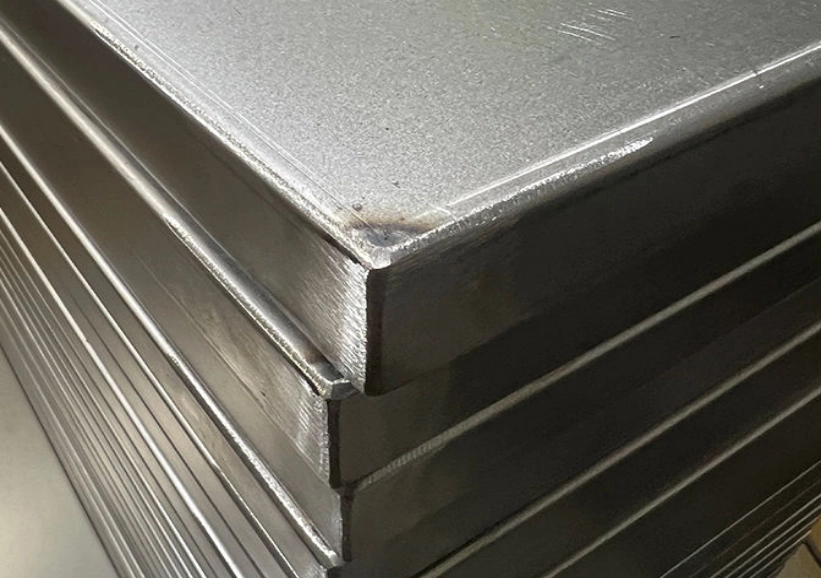
A thin plate means a steel plate whose thickness is much smaller than its length and width. It has weak side bending strength. So, it does not fit for uses with side bending loads. The process often begins with CAD design and engineering checks. Then it moves to cutting, forming, welding, and surface finishing. Usual methods include laser cutting for exact edges, CNC bending for shaping tricky forms, and MIG or TIG welding for strong joins. Deshibo focuses mainly on sheet metal fabricating and CNC Machining. Their combined services—cutting, bending, welding, finishing—help OEMs grow production while keeping close tolerances.
Why OEMs Choose Custom Fabrication
OEMs pick custom fabrication because it gives:
Flexibility in design changes and production volumes.
Compatibility with complex assemblies requiring precision alignment.
The ability to integrate multiple manufacturing processes under one supplier.
The design team works with customers from their idea stage. They offer solutions by adding value through engineering. This teamwork makes sure prototypes shift easily into large production. It avoids expensive redesigns.
Key Factors Influencing Sheet Metal Fabrication Costs
Cost estimates in precision sheet metal fabrication rely on various elements—materials, geometry, tolerances, and finishing choices.
Material Selection and Pricing Variables
Different metals give varied performance-to-cost balances:
| Material | Characteristics | Relative Cost |
| Aluminum | Lightweight, corrosion-resistant | Medium |
| Stainless Steel | Strong, durable | High |
| Carbon Steel | Economical but less corrosion-resistant | Low |
| Copper | Excellent conductivity | High |
Material thickness matters too—thicker sheets raise both raw material use and cutting time. Choosing wisely helps hit performance goals without going over budgets.
Complexity of Design and Engineering Requirements
Tricky geometries need more tooling setups and longer machine runs. The simpler the cutting surface shape, the easier and quicker the cutting process. It also shortens the cutting path and cuts down the cutting amount. Making contours less complex can cut costs a lot. CAD modeling plus DFM (Design for Manufacturability) rules lets engineers spot production issues early. When fabricators like Deshibo join in the design phase, they avoid unneeded bends or tight curves that make tooling hard.
Fabrication Processes That Affect Cost Structure
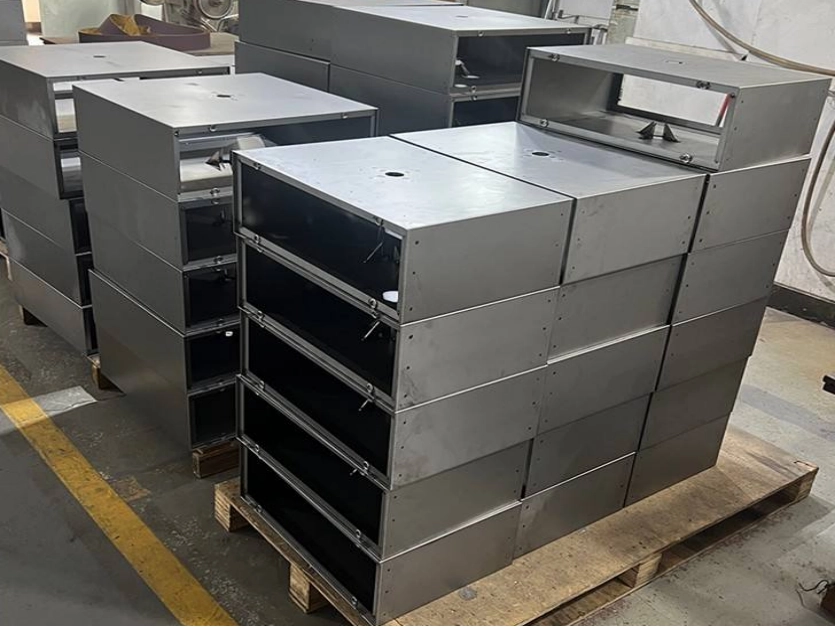
Cutting, forming, and welding each add in their own way to the total cost setup of a project.
Cutting Methods: Laser, Plasma, and Waterjet Cutting
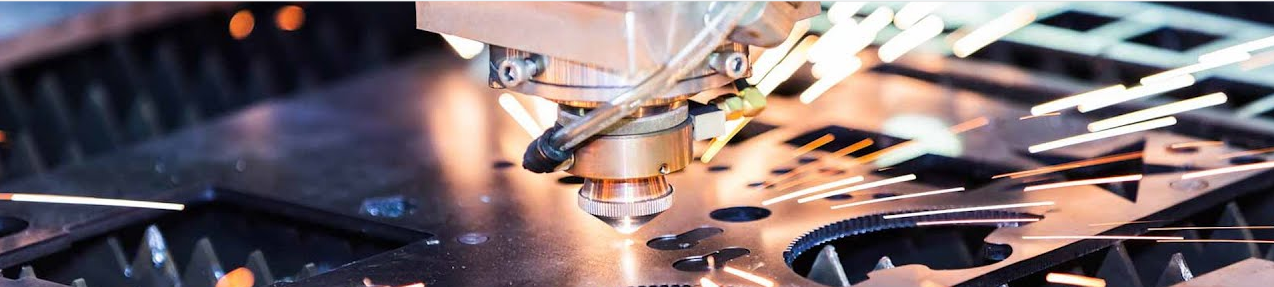
Laser cutting gives top-notch precision. But it costs more per hour than plasma or waterjet ways. Still, automation helps by cutting waste and speeding up repeated jobs. Metal laser cutting bending services at Deshibo show this usefulness—perfect for big OEM projects that need steady accuracy.
Forming and Bending Operations
Setup time and tooling difficulty strongly affect bending costs. Operations with many steps raise labor work and cycle time. Sharp bends need special and pricey tools. Also, very small bending radii often crack or wrinkle on the inner side. Planning with gentler bend radii lowers both crack risk and tool damage.
Welding and Assembly Considerations
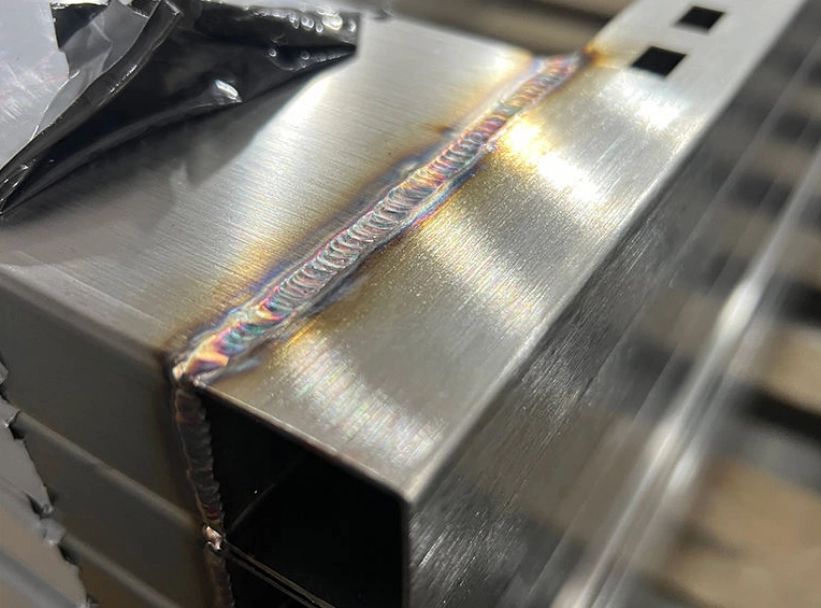
MIG or TIG welding needs skilled workers; automated spot welding might lower cost but cuts flexibility. Fixtures to hold parts during welding add setup costs. Treatments after welding, like grinding or polishing, raise total cost. But they ensure good looks for parts that show.
Tolerances, Precision, and Quality Control in OEM Projects
Precision needs decide machine picks—and thus—the project’s cost limit.
How Tolerances Influence Manufacturing Costs
Tolerance is a big factor in product quality and price. Tight tolerances call for advanced CNC equipment and skilled operators. There is always a choice between speed and exactness; looser tolerances let faster work but might not fit assembly rules in top applications.
Quality Assurance Practices in Precision Sheet Metal Fabrication
Quality control uses check tools like CMM (Coordinate Measuring Machines) or laser scanners to confirm part exactness. Records ensure tracking—a must in fields like aerospace or electronics where rules are strict.
Surface Finishing Options and Their Cost Implications
Surface finishes boost both use and looks but differ a lot in cost per unit area.
Common Finishing Techniques for Sheet Metal Parts
Powder Coating vs Painting vs Anodizing
Powder coating gives great lasting strength; painting allows color choices; anodizing fits aluminum parts that need rust protection with a shiny metal look. We also provide assembly, painting, anodize and powder-coating services to offer a full end-to-end fabrication process.
Plating, Polishing, or Brushing Finishes
Decorative finishes suit products seen by users; useful coatings fit where electrical flow or wear strength counts most.
How Surface Treatments Affect Lead Time and Pricing
Each extra step adds a bit to lead time—but big finishing orders can drop per-part costs through scale savings. Good planning between fabrication stages avoids slowdowns.
 Hardware Integration and Assembly Efficiency
Choices on hardware integration shape both production pace and overall strength of assemblies.
Fasteners, Inserts, and Other Hardware Components
Using PEM inserts or welded studs adds hardware expense but makes later assembly simpler. Adding hardware during fabrication, not after, saves time on big volume runs.
Design Tips to Simplify Assembly for OEM Applications
Cutting part numbers through clever joining lowers labor time. Standard hardware eases buying logistics—a minor shift that grows big over thousands of units made each year.
Strategies for Reducing Custom Fabrication Costs for OEMs
Optimization starts at the planning stage well before machines run.
Design Optimization Techniques
Simplifying Geometry Without Sacrificing Functionality
Skip unneeded bends or too-tight radii that make tooling setups tough.
Standardizing Materials Across Product Lines
Using same materials over various designs cuts stock hassle. It also uses bulk buy savings—an simple gain for ongoing cuts.
Partnering With a Full-Service Manufacturer Like Deshibo
Benefits of Integrated Manufacturing Capabilities
Mixing laser cutting, CNC machining, bending, welding in one place cuts transport costs. Managing all processes inside keeps steady quality from prototype to mass production.
Early Supplier Involvement (ESI) in the Design Stage
Teamwork early spots cost-saving chances before production starts—like better material nesting plans or tweaking tolerance levels to match machine skills.
Evaluating Quotes and Choosing the Right Fabrication Partner
Picking the right partner means more than price checks—it is about matching skills to your product aims.
What to Look For in a Sheet Metal Fabricator
Find suppliers with experience in OEM-level projects in areas like electronics or industrial equipment manufacturing. Certifications such as ISO prove steady processes key for repeat orders over years of partnership. Started in the year 2001 Ability to design from concept to creation Quick response Flexibility Cost Competitive —these strengths show why Deshibo keeps long-term OEM ties worldwide.
Comparing Quotes Beyond Price Alone
Price counts—but added services like prototype help or supply chain joining speed up product launches. Provide your drawing we will give you a fast quote. A quick quoting way shows strong operations—a hint you work with pros who get time-to-market needs of today’s OEMs.
FAQs
Q1: What factors most affect sheet metal fabrication costs?
Material type, design complexity, tolerance requirements, finishing options, and order volume all play major roles in determining total cost.
Q2: Is laser cutting more expensive than other methods?
Yes initially per hour—but its precision reduces rework costs over large production runs making it efficient overall.
Q3: How can I reduce my custom sheet metal fabrication expenses?
Simplify geometry where possible, standardize materials across designs, involve your supplier early during design review stages.
Q4: Which surface finish offers best durability?
Powder coating generally provides superior abrasion resistance compared with paint while anodizing excels on aluminum components needing corrosion protection.
Q5: What certifications should I check when choosing a fabricator?
Look for ISO-certified facilities ensuring consistent quality management systems suitable for precision sheet metal fabrication projects.
