
Types of Sheet Metal Finishes and Their Uses
Time : Apr 17, 2026 View : 101
Picking the proper sheet metal finish can totally alter how a product works, appears, and endures. From smooth brushed aluminum panels to rust-proof galvanized steel, each finish has a role. The correct surface treatment boosts strength and also shapes the product’s final look in factory or buyer markets.
What Is a Sheet Metal Finish?
A sheet metal finish means any method put on the outside of made metal pieces to better their work or look. Finishing guards metals from rust, rubbing, and weather effects. And it adds nice looks too. Usual stuff like stainless steel, mild steel, and aluminum usually get finished after shaping or joining. This helps reach the wanted surface feel.
Yan Tai Deshibo Metal Products Co., Ltd. is mainly specialized in sheet metal fabricating and CNC Machining. Provide complete end-to-end metal fabrication solutions. Their services include cutting, bending, welding, painting, anodizing, and powder coating—demonstrating how finishing is integrated into modern precision sheet metal fabrication workflows.
Why Finishing Matters in Steel Sheet Fabrication
Finishing has a guarding and pretty part in steel sheet fabrication. It stops rust by closing bare spots. Plus, it raises defense against scraping or harsh stuff. For sale items like boxes or show panels, finishes set the eye catch too. Each kind—maybe flat, shiny, or rough—fills a special job that fits machine or style needs.
Common Types of Sheet Metal Finishes
Various jobs need various finishes based on place and how they’re used.
Black Oxide Finish
This way makes a slim coat of magnetite on steel outsides. It gives a deep flat look. It brings light rust guard. And folks use it a lot for tools, car pieces, and gear parts. There, looks count just like the job.
Electroplating Finish
Electroplating puts a slim metal coat—like nickel or chrome—on the main stuff using power flow. It lifts rust guard. It also betters power flow. You will see this coat on bolts, pretty edge parts, and power links.
Anodizing Finish
Anodizing works well for aluminum pieces. The power-chemical way grows the normal oxide coat on the outside. This raises toughness. And it lets color adding for nice reasons. Building panels and buyer gadgets often pick anodized coats. They give lasting strength and style choices.
Painting Finish
Painting lets you pick colors. It also hides metals from air harm. It’s handy for inside boxes or outside machine tops. Based on paint mix—epoxy or polyurethane—it fights sun rays or chem stuff well.
Powder Coating Finish
Powder coating takes power-stuck dry dust baked with heat. This builds a full guard coat. The end is a fat layer that fights breaks and color loss more than old paint. So, it’s great for factory gear frames or outside chairs in tough spots.
Galvanizing Finish
In galvanizing, steel goes into hot zinc to make a solid no-rust wall. It’s used a ton in build stuff like beams and HVAC pipes. This is because of its top work in wet or sea spots.
Phosphating Finish
Phosphating builds a crystal phosphate coat. That helps paint stick and fights rust. It’s often picked as a first step before painting car outsides or machine frames.
Passivation Finish
Passivation uses chem to clean dirt from stainless steel outsides. It brings back their normal chromium oxide skin. This raises rust guard without extra covers—just right for clean jobs like food gear or health tools.
Buff Polishing Finish
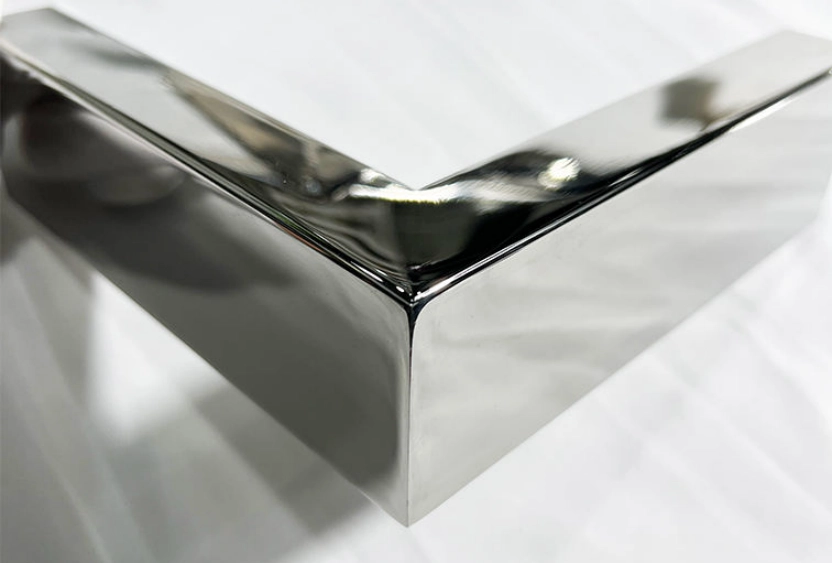
Buff polishing takes machine scratchers to make even mirror outsides. These show metal shine. It’s eye-nice, but it gives small guard from rust unless mixed with other ways.
Sandblasting Finish
Sandblasting shoots scratch bits fast to wash rust or old coats from outsides. This happens before more finish steps like painting or powder coating. It makes sure better stick for next layers on big factory parts.
Electrolysis Polishing (Electropolishing) Finish
Electropolishing clears tiny tops from stainless steel with set power-chemical acts. The end is a super-even outside with better clean—often needed in drug pipes and food tanks.
Brushing Finish
Brushing adds metals thin straight grain marks using scratch belts or brushes. It cuts shine but keeps a fine metal style. You see it often on kitchen tools and build panels.
Choosing the Right Sheet Metal Finish for Your Project
Picking the top finish relies on stuff match, place, machine wants, looks, and money thoughts.
Matching Finishes to Materials
Not every finish fits all metals the same. For instance:
Aluminum benefits most from anodizing.
Stainless steel responds well to passivation.
Mild steel pairs effectively with galvanizing or powder coating.
Compatibility ensures both long-term performance and consistent appearance across production batches.
Considering Environmental Exposure
Outside setups need strong rust guard. So, galvanizing or powder coating are top picks. Inside items may care more about eye pull with brushing or painting. They skip heavy guard layers.
Meeting Mechanical Requirements
Some finishes change outside toughness or slide levels—take electropolishing, it cuts slide. Meanwhile, phosphating betters stick before painting. Picking by work pressure makes sure steady work over time.
Aligning with Aesthetic Preferences
Pretty finishes like anodized colors or brushed feels can lift brand mark with eye diffs. And they don’t hurt build strength.
Evaluating Cost Efficiency
Make amount sways money save. Big runs might back electroplating gear. But small lots could like easy painted coats. That’s from lower tool costs.
Applications of Sheet Metal Finishes Across Industries
The flex of finishes backs many fields where work meets style hopes.
Industrial Equipment Manufacturing
Big strong machines need coats that take scraping and chems. Powder coating gives strength. And galvanizing stops rust on build frames in outside air.
Consumer Electronics & Appliances
Brushed aluminum panels bring clean new looks in laptops or fridges. Anodized coats add style and mark guard—a mix key for buyer joy.
Construction & Architecture
Galvanized steel grows build life against weather. Pretty finishes add nice fronts without hurting power rules from build laws.
Automotive & Transportation Components
Phosphated car outsides make paint stick in line work. Black oxide bolts cut light bounce in inside spots. They give fair rust guard at cheap prices.
How Professional Fabrication Services Add Value Through Surface Finishing
Surface finishing gets its top wins when joined with exact make steps like cutting and welding under tight check systems.
Integration of Precision Sheet Metal Fabrication Techniques
Depending on your manufacturing needs, we can cut the sheets, bend, and weld them for you. Integrating these steps ensures dimensional accuracy even after finishing operations like powder coating which may slightly alter thickness tolerances in precision sheet metal fabrication projects.
Benefits of Working with an Experienced Fabricator Like Deshibo
Renowned for exceptional quality and reliability, our products are trusted by customers in over 30 countries and regions worldwide. Deshibo combines advanced CNC technology with flexible production capabilities—from single prototypes to mass manufacturing within 7–15 working days average delivery time—to meet diverse client demands globally through efficient project management systems.
FAQs
Q1: What is the most durable sheet metal finish?
Powder coating generally offers superior durability due to its thick cured layer resistant to scratches and UV damage.
Q2: Which finish prevents rust best?
Galvanizing provides excellent rust prevention because zinc acts as a sacrificial barrier protecting base steel even when scratched.
Q3: Can aluminum be galvanized?
No; aluminum doesn’t bond well with zinc through hot-dip methods but can be anodized instead for corrosion protection.
Q4: What’s better: painting or powder coating?
Powder coating lasts longer outdoors since it resists peeling better than liquid paints though initial setup costs may be higher.
Q5: How do I choose between brushed vs polished finishes?
Choose brushed if you prefer subtle texture hiding fingerprints; pick polished when you want reflective shine emphasizing premium appeal.
