
Sheet Metal Hemming: What It Is, Hem Types, and Where It’s Used
Time : Nov 26, 2026 View : 1
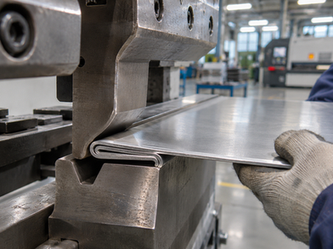
In sheet metal fabrication, the process of hemming a sheet metal edge is used to fold the edge back on itself. Hemming helps to make a part stiffer while also giving it a neat appearance. Metal hemming is commonly found on appliance panels and vehicle doors, and the type of fold required will depend upon the material being used.
What Is Sheet Metal Hemming?
The flange is folded back on the sheet edge, in most cases about 180°. The returned flange covers the raw edge of the sheet and, in addition, another layer of material is created along the relevant part of the perimeter of the sheet.
How Does the Sheet Metal Hemming Process Work?
Step 1. Sheet Metal Preparation
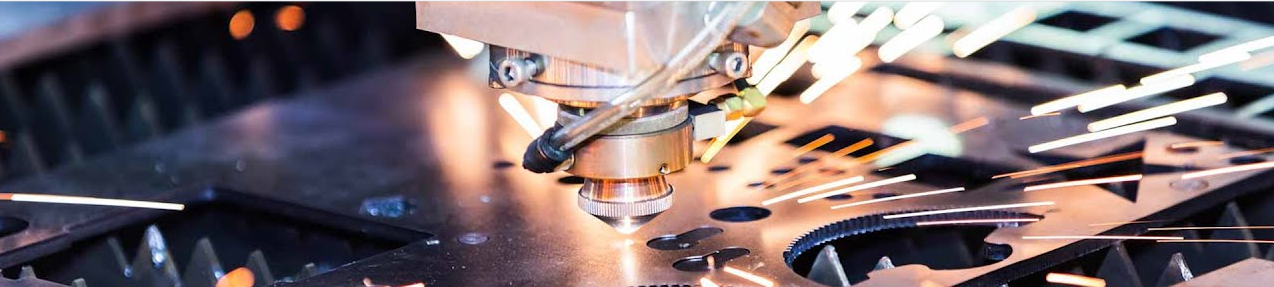
After the panel parts have been cut with laser cutting technology, or another applicable method, the part must be checked for appropriate size, then deburred before being formed into shape.
Step 2. Pre-Bending
Bend the flange to an acute included angle before forming it back into a hem to the required specification using the press brake.
Step 3. Flattening the Hem
This fold is created with a hemming tool, which flattens the flange to the desired form.
Step 4. Quality Inspection
Verify the finished length of the hem as well as the gap between the hem folds. Check for even edges and cracks within the fold. Also check for any signs of distortion or press marks within the fold.
What Are the Main Types of Sheet Metal Hems?
1. Closed Hem (Flat Hem)
A closed hem is used when the returned flange is folded against the main body of the sheet metal. A closed hem is typical of cabinet doors, covers, and other sheet metal panels that are to be seen. However, some less ductile combinations may crack as they are folded.
2. Open Hem
An open hem will have a gap between the layers, so it is essential to maintain a sufficient bend radius to stop the fold from being squashed flat.
3. Teardrop Hem
The free edge is folded towards the material to form a teardrop shape with a rounded pocket at the bend. Special care must be taken to assess the alloy, the temper and the thickness in order to check if a teardrop hem can be created without problems.
4. Rolled Hem
A rolled edge is an edge which has been curled into a circle or curl using special tools.
|
Hem Type |
Main Feature |
Typical Use |
|---|---|---|
|
Closed |
Flat, contacting layers |
Cabinets and panels |
|
Open |
Controlled gap |
Reinforced edges |
|
Teardrop |
Rounded bend pocket |
Edges needing a larger radius |
|
Rolled |
Curled section |
Rounded rims and assemblies |
What Are the Key Benefits of Sheet Metal Hemming?
Improved Edge Safety
Folding the cut edge inwards helps protect hands during transportation and installation. Make sure to check corners too for exposed sharp areas.
Increased Edge Stiffness
By adding another layer of metal to the edge of a panel, sheet metal edge reinforcement is created, which can help to stop the thin panel from flexing.
Better Appearance
The fold also covers the raw cut edge of the sheet metal to give exposed panels a neat appearance.
Improved Assembly Performance
A fold can hold another panel or retain sealing material. Again, this is highly dependent on the actual joint design being used.
Where Is Sheet Metal Hemming Used?
Automotive Industry
Some automotive outer panels are hemmed to form a wrap around a frame, using specialized tooling or even roller hemming to form curved panels.
Electrical Enclosures and Industrial Cabinets
Stiffer edges and less exposed sharp metal make control cabinet doors and removable covers easier for installers to handle.
Home Appliances
Some household appliances, like refrigerators, washing machines and ovens, also use hems to form the edges of panels.
HVAC and General Industrial Equipment
Components such as ductwork, guards and covers for equipment can all be edge folded. Where a component requires a seal as well as an edge fold then both can be specified.
Important Design Considerations for Sheet Metal Hemming
Material Type and Thickness
Also consider that mild steel, stainless steel and aluminum have different properties. Therefore choose the fold on the basis of the material type and thickness.
Bend Radius and Hem Type
A closed hem forms a very tight inside radius. This can present problems when working with less ductile materials. Open or teardrop forms could be an alternative here.
Hem Length and Allowance
For metal hemming we recommend leaving sufficient flange width for the tooling to grip the metal in order to form the hem. Blank allowance for hemming will differ from that for conventional 90° bends, and K-factor values set for the latter need verification through hemming trials.
Tooling and Manufacturing Feasibility
When combining cutting and bending operations as part of your DFM process, remember to check for sufficient access of the tools past adjacent flanges. Verify the positions of holes to be formed and the sequence of forming various features and check for any undesirable surface marks.
Sheet Metal Hemming vs. Bending vs. Seaming
These sheet metal forming techniques have different jobs:
|
Process |
Definition |
Main Purpose |
|---|---|---|
|
Hemming |
Folding an edge back |
Edge safety and stiffness |
|
Bending |
Changing the sheet angle |
Flanges and shapes |
|
Seaming |
Joining prepared sheet edges |
Connecting panels |
Bending is the process that creates the first flange of the part. Hemming is used to fold back the edge of the part. Seaming is used to join together two edges of adjacent parts by folding and sometimes forming the part edges as well.
How Deshibo Supports Custom Sheet Metal Fabrication Projects
Integrated Sheet Metal Fabrication Capabilities
We provide a full scope of services in laser cutting, forming, welding, precision machining, surface finishing, and other fabrication processes that can be coordinated as a custom fabrication project utilizing our custom fabrication workflow.
Custom Manufacturing Solutions
You can also send CAD files, 3D models or sketches. We can view a hem cross-section to confirm the intended gap and edge configuration.
Flexible Production Support
You can order one prototype, a small batch or repeat production. Check a sample for a new edge design for fit and appearance before ordering more.
The type of hem used will depend upon the material, the tooling available and your required end product. We would be pleased to quote for your custom sheet metal fabrication requirements, please send your drawings to Deshibo Machinery.
Frequently Asked Questions About Sheet Metal Hemming
Q: What Is the Main Purpose of Sheet Metal Hemming?
The purpose of sheet metal hemming is to cover cut edges of sheet metal and to give extra local stiffness.
Q: What Is the Difference Between Open Hem and Closed Hem?
A closed hem is where the two layers of metal are touching. An open hem is where there is a gap between the two layers of metal and this must be taken into account when designing the profile, the method of forming and the final assembly of the part.
Q: Can All Sheet Metal Materials Be Hemmed?
Not every grade suits every fold. Thickness, ductility, material hardness and bend radius need to be checked using the proposed material and tooling on a test part.
