
How to Reduce Sheet Metal Fabrication Cost Without Sacrificing Structural Strength
Time : Sep 24, 2026 View : 0
Reducing the price of a sheet metal part is rarely about choosing the thinnest sheet or removing a weld at random. Those shortcuts return later as vibration, poor fit-up, or a cabinet door that twists when opened. The useful savings are usually found in the drawing, before material is released.
For OEM parts, the target is a design that carries real loads and can be made repeatedly. That may mean a different fold, one less cutout, or a tolerance.
1. Understand What Actually Drives Sheet Metal Fabrication Cost
Material cost is only one part of the job. A low-cost steel panel can become expensive with small slots, awkward bends, cosmetic welds, and a finish requiring masking. Cutting time, setups, welding fixtures, inspection, and packing all appear in the price.
Look beyond the sheet price
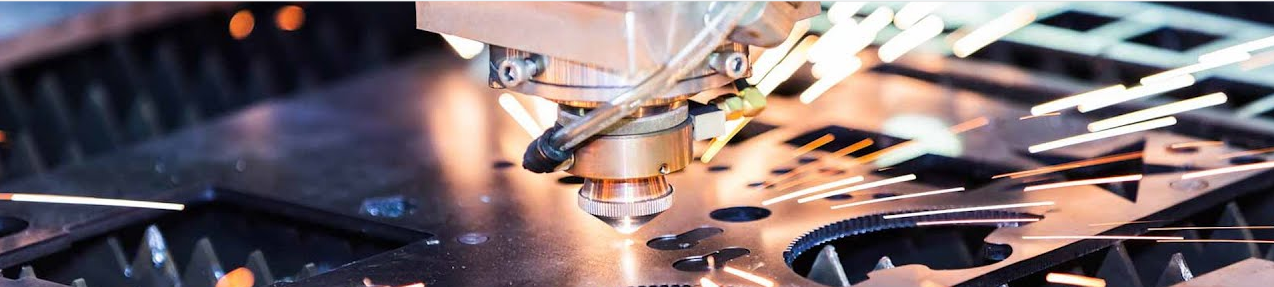
Part geometry is often the lever. A laser-cut profile with clean, open features runs quickly. Narrow webs or tiny holes may need slower cutting and more handling. Each different bend can require a new setup. Tight dimensions can create extra inspection or secondary machining.
Quantity changes the answer. A prototype can justify a flexible process. A recurring order may benefit from standardized hardware and a layout that nests efficiently on common sheet sizes. If a feature does not locate, stiffen, seal, mount, or protect something, question it.
2. Use Material Thickness Strategically, Not Excessively
Thickness is the obvious way to make a part feel solid. It is also an expensive habit. Heavier sheet raises material spend, cutting time, bending force, and freight weight.
Let the load path guide the design
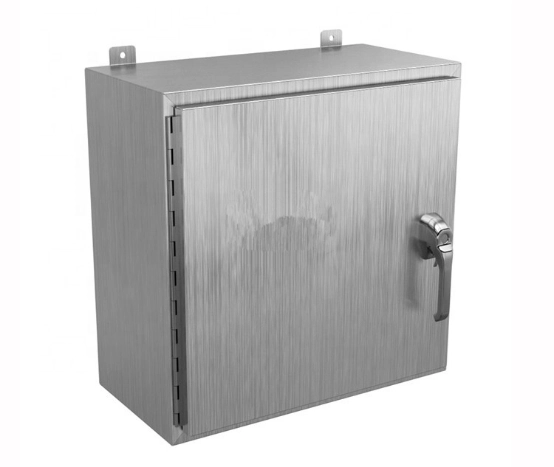
Start with the load case. A wall-mounted control enclosure has different needs from a battery cabinet that sees transport shock. A fan panel needs stiffness near its mounting points, not heavier sheet everywhere.
Flanges, return edges, hems, and gussets can add stiffness where it counts. A thin flat lid may drum under hand pressure. A return flange changes that. In one enclosure revision, a formed perimeter avoided a thicker lid and improved the mating edge.
Material choice still matters. Aluminum can reduce weight. Mild steel is often economical for painted industrial parts. Stainless steel should be justified by the environment.
3. Design Bends and Flanges to Add Stiffness at Low Cost
Bends are often treated as a cost penalty. Some are. Yet a well-placed bend can remove a reinforcing bracket or welded frame.
Use formed geometry as structure
U-channels, hat sections, boxed corners, and return flanges resist deflection better than a flat panel. A long equipment panel with two formed edges can stay rigid without a separate rail. That cuts part count and assembly time.
Keep bend radii practical. Use consistent radii where possible. Short flanges, folds crowded by holes, and sharp internal radii make an otherwise simple part difficult to form. Hole-to-bend clearance and bend relief prevent distortion and cracked corners. For parts needing precise profiles and formed edges, metal laser cutting and bending should be treated as one connected process.
4. Simplify Laser-Cut Features and Avoid Over-Engineering
Every cutout removes material and adds machine time. It can also create a stress concentration. That is why feature reduction often helps strength as well as price.
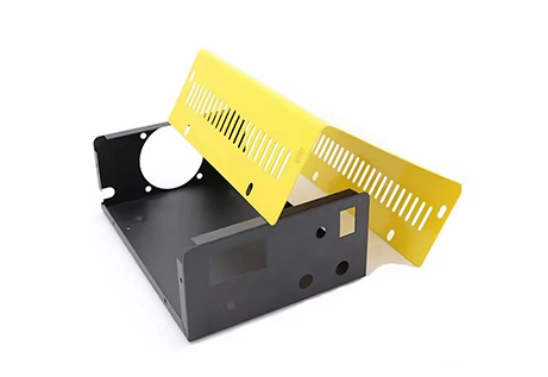
Use standard hole diameters where hardware permits. Keep enough metal between a hole and an edge. Avoid dense perforations unless airflow requires them. Decorative slots can make a structural cover flexible and slow to cut.
The point is to preserve continuous material around mounts, hinges, and loaded edges. A clean profile also reduces burr removal and correction.
5. Reduce Welding Where Mechanical Design Can Do the Work
Welding is valuable when a joint must be permanent, sealed, or load-bearing. It also brings distortion, fixturing, cleanup, and inspection. A long visible weld on thin sheet can create substantial work after welding.
Make the assembly locate itself
Tab-and-slot features, folded locating tabs, rivets, and PEM hardware can reduce welding. They help an assembly find its position before it is fixed. This improves repeatability on low-volume work.
Do not remove welds blindly. A battery frame, lifting bracket, or sealed housing may need them. Ask whether short welds at structural points will do the job. Designs should allow torch access and inspection. Custom sheet metal welding parts work best when those choices are resolved in the drawing.
6. Specify Tolerances Based on Function, Not Habit
Precision should be concentrated where the assembly needs it. Mounting holes, bearing locations, and mating interfaces may be critical. A large internal panel face often is not.
Applying tight tolerances to every feature slows production and increases inspection. It may push a sheet metal feature into secondary CNC work. Define critical dimensions clearly, then allow normal fabrication variation elsewhere. A thin welded panel cannot be treated like a machined plate without paying for it.
7. Select Finishes That Match the Actual Operating Environment
Finish decisions should fit the service environment. A protected internal bracket may not need the same cosmetic coating as an external operator panel. Conversely, dropping corrosion protection to lower an initial quote can become a costly field failure.
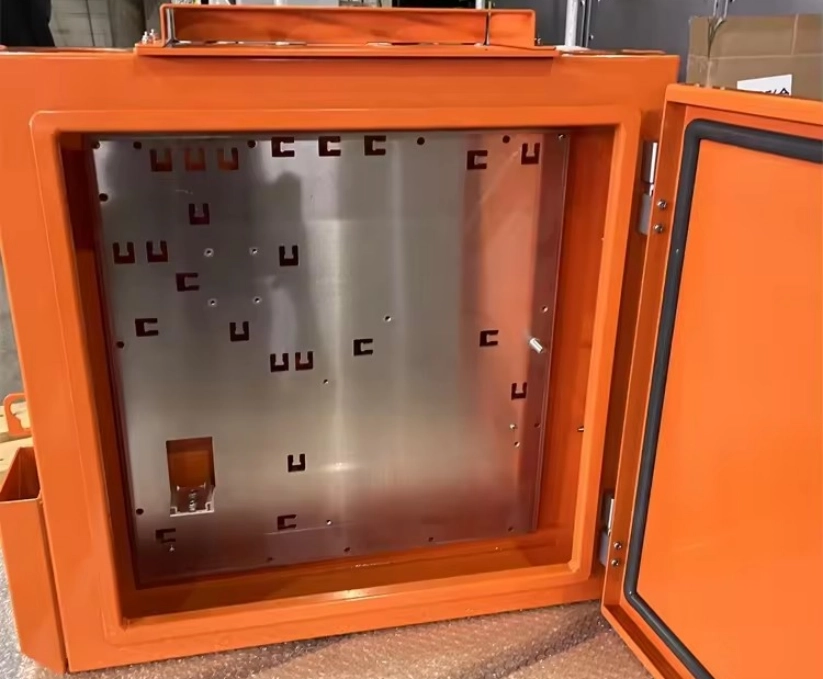
Consider exposure, cleaning, appearance, wear, and electrical needs. Powder coating is often sensible for steel enclosures. Anodizing may suit aluminum. Keep finish requirements clear in the RFQ, including cosmetic zones. Ambiguity creates delays and rework.
8. Involve Your Fabrication Supplier Early in the Design Process
The lowest-risk cost reduction happens while the model can still change. Share the 3D CAD file, drawing, material, quantity, finish, and dimensions that control function. A DFM conversation can identify a flange needing more clearance, a weld that can be shortened, or a machined feature that can be formed instead.
Deshibo Machinery supports projects from prototype through repeat production, with custom CNC machining services available where sheet metal operations cannot achieve a functional feature. A laser-cut enclosure with a machined interface should be reviewed as one build.
Conclusion: Build Strength Into the Design, Not Into Unnecessary Cost
The cheapest custom sheet metal part is not always the lowest-cost part in use. It must still fit, carry load, survive handling, and arrive consistently. Smarter geometry, functional tolerances, disciplined welding, and an appropriate finish reduce cost without hollowing out the design. For a manufacturing review, send the project details to Deshibo Machinery with the CAD file, quantity, material, and finish requirements.
FAQ
Q: Can thinner sheet metal still be structurally strong?
Yes. A thinner sheet can be effective when bends, flanges, ribs, or gussets create a stiff load path. The design still needs to be checked against its actual mounting method, load, vibration, and handling conditions.
Q: Does reducing welding always reduce fabrication cost?
Usually, but not automatically. A folded or mechanically fastened replacement must still be easy to assemble and strong enough for its purpose. For sealed or heavily loaded assemblies, welding may remain the most practical option.
Q: What should be included in a sheet metal fabrication RFQ?
Provide a 3D CAD file, a dimensioned drawing, material grade, thickness, quantity, finish, critical tolerances, and any assembly notes. Clear information reduces quotation revisions and makes a DFM review more useful.
