
How to Design Sheet Metal Enclosures: Tips and Best Practices
Time : Apr 03, 2026 View : 49
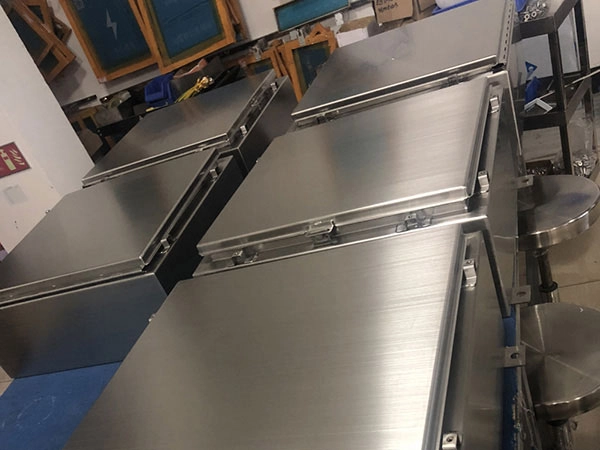
Designing a sheet metal enclosure goes beyond just covering electronics or mechanical parts. It involves building a structure that mixes protection, ease of making, and good looks. Smart choices in design can cut costs, boost how it works, and make building simpler. Knowing how materials, shapes, and finishing ways connect is key to getting both solid function and nice style.
Understanding the Basics of Sheet Metal Enclosure Design
Before you jump into CAD models or fabrication drawings, you need to figure out what the enclosure must do.
Identifying Functional and Aesthetic Requirements
Every sheet metal enclosure has a goal. Does it guard sensitive electronics from dust and water? Or does it act as a seen part of a consumer product where looks count? The job shapes the form. For instance, industrial enclosures focus on strong build and rust resistance. Consumer devices aim for smooth lines and brand match. Balancing these needs means making choices. A design that seems sharp may require added ribs for firmness. This mix of function and style makes sure the end product works well. It also keeps the brand image strong.
Selecting the Appropriate Material
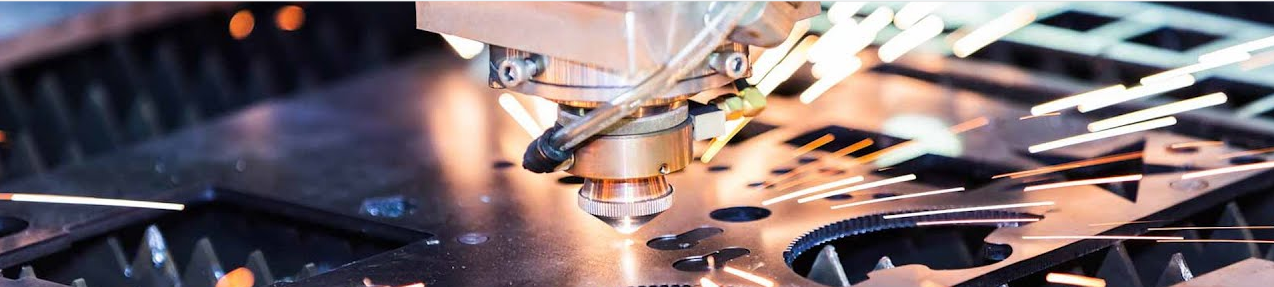
Choosing material sets how your enclosure handles pressure, warmth, or rust. Usual picks are aluminum, mild steel, and stainless steel. Based on the cutting way used, cut sheet metal can end up with rough and uneven edges. So, take great care during cutting and handling jobs. Laser cutting works great for sheet metal. It leaves cut edges even and neat.
|
Material |
Durability |
Weight |
Cost |
Corrosion Resistance |
|
Aluminum |
Medium |
Light |
Moderate |
High |
|
Mild Steel |
High |
Heavy |
Low |
Low |
|
Stainless Steel |
Very High |
Heavy |
High |
Excellent |
Sheet metal fabrication uses flat materials to make things like chimneys, metal drums, fuel tanks and canisters, ventilation ducts, elbows, reducers, transitional pieces, funnels, and like shapes. The main steps include shearing, bending, hemming, forming, welding, and riveting. This shows how material pick affects later steps like bending or welding. Outside factors count too. Outdoor enclosures gain from stainless steel or coated aluminum. Those offer good rust protection.
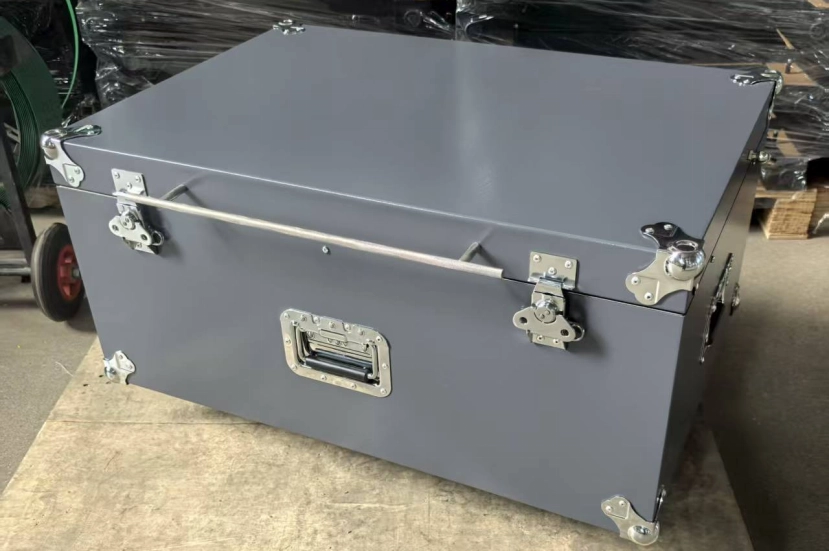
Key Design Considerations for Sheet Metal Enclosures
After picking material, choices on shape and size set how easy it is to make and how well it performs.
Choosing the Right Shape and Size
Space limits often guide enclosure shape. Parts inside set layout needs. Outside mounting sets size. Smart use of material cuts waste. It also keeps room for air flow or cable paths. The build of thin-plate parts should mainly think about making process needs and traits. Plus, the number of parts in a run matters. So, designers must weigh production amount. Simple shapes fit small runs well. Complex bends may cover tool costs in big production.
Determining Sheet Metal Gauge and Thickness
Gauge changes strength and bend ease. Thicker sheets fight bending but add weight and price. For most electronic housings, 1–2 mm thickness gives enough firmness. It does not overload assembly tools.
Accounting for Dimensional Tolerances
Exact measures make sure parts join well in assembly. Close tolerances help work better but lift making costs. The size tolerance of sheet metal parts is a main factor in product quality and price. Designers should match tolerance needs with making skills. Laser cutting gives better accuracy than mechanical punching. But it costs more.
Understanding Bend Radius in Design
Bend radius affects looks and material health. A tiny radius can lead to breaks. A big one wastes room. When material bends, the outer part of the curve pulls tight. The inner part pushes in. For a set material thickness, the smaller the inner radius r, the worse the pull and push get. A solid rule: keep inner bend radius at least the sheet thickness for mild steel. For tougher alloys, use 1.5× t.
Assembly and Finishing Techniques for Enclosures
Design does not stop at cutting and bending. How parts join sets lasting strength and style.
Deciding on Assembly Methods
Usual ways to join include welding, riveting, screws, or snap-fits. Welding gives power but can warp thin panels. Rivets go fast but look plain. Threaded fasteners allow fix access. Ease of putting together should balance with build needs. This is true in high-volume sheet metal fabrication. There, time per unit adds up quick.
Finishing Options for Sheet Metal Enclosures
Finishes guard surfaces from rust. They also improve looks. Choices include painting, powder coating, anodizing (for aluminum), or plating (for steel). Good surface prep makes coatings stick even. Powder coating gives strong lasting with even feel. Anodizing boosts rust fight while keeping metal shine. Electroplating adds pretty layers like chrome or nickel. All of these come from Deshibo. They make building your enclosure simpler.
Advantages of Using Sheet Metal Enclosures
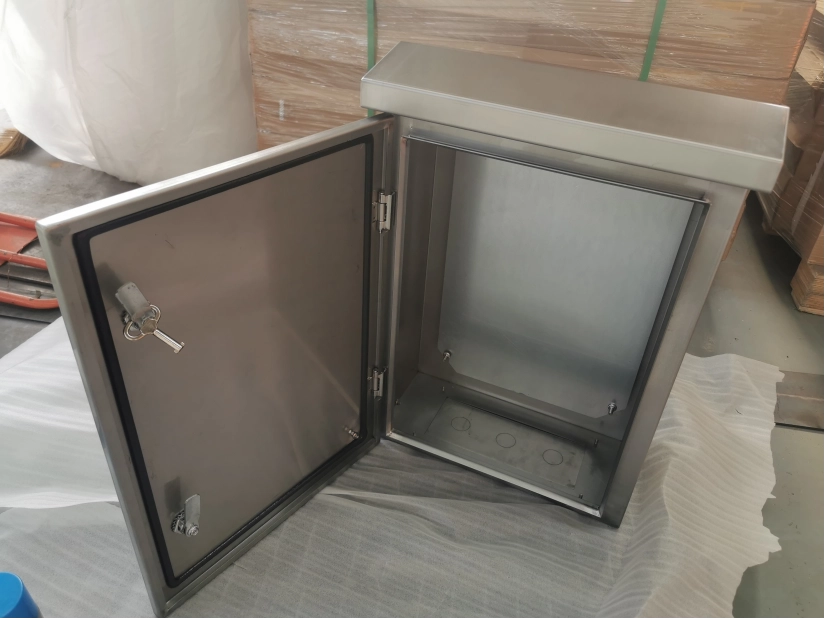
Sheet metal enclosures lead in fields from telecom to cars. They mix flexibility with good use:
- Versatility:Easily customized through CNC cutting or laser processing.
- Cost-effectiveness:A sound manufacturing process should ensure minimal material consumption, a reduced number of processing steps, a simple mold structure, a long service life, and stable product quality.
- Strength-to-weight ratio:Thin sheets offer high rigidity when bent correctly.
- Scalability:Ideal for prototyping as well as mass production runs.
These traits make sheet metal fabrication a core part of today’s making systems. There, change fits best.
Mastering Your Sheet Metal Enclosure Design Process
A good design seldom comes in one try. It grows through tests and team work. Begin by making models of prototypes. Use real tolerances and bend allowances. Then check fit with real samples. When designing bending structures, it is recommended to perform simulations. Simulation stops costly fixes later. It spots clash problems before making starts. Team work with skilled fabricators matters just as much. They know machine limits better than any CAD guide. Their ideas improve ease of making. They do not harm design goals.
Deshibo focuses on custom sheet metal fabrication, CNC machining, laser cutting, bending, and welding services. These fit client needs. By mixing new tools with expert skills, Deshibo makes sure every enclosure hits high quality rules. It keeps costs low. This suits businesses looking for trusted partners in exact metal making.
FAQs
Q: What is the ideal thickness for sheet metal enclosures?
Typically between 1 mm – 2 mm depending on load requirements and stiffness expectations.
Q: Which finish offers the best corrosion protection?
Stainless steel or powder-coated aluminum provide superior resistance in humid environments.
Q: How do I avoid cracks during bending?
Maintain an internal bend radius equal to at least the material thickness; increase it for harder metals like stainless steel.
Q: Can sheet metal enclosures be waterproof?
Yes—with proper sealing gaskets, welded seams, or IP-rated designs ensuring ingress protection against dust or moisture.
