
Laser Cutting Tolerances: What Engineers Should Know
Time : May 09, 2026 View : 122
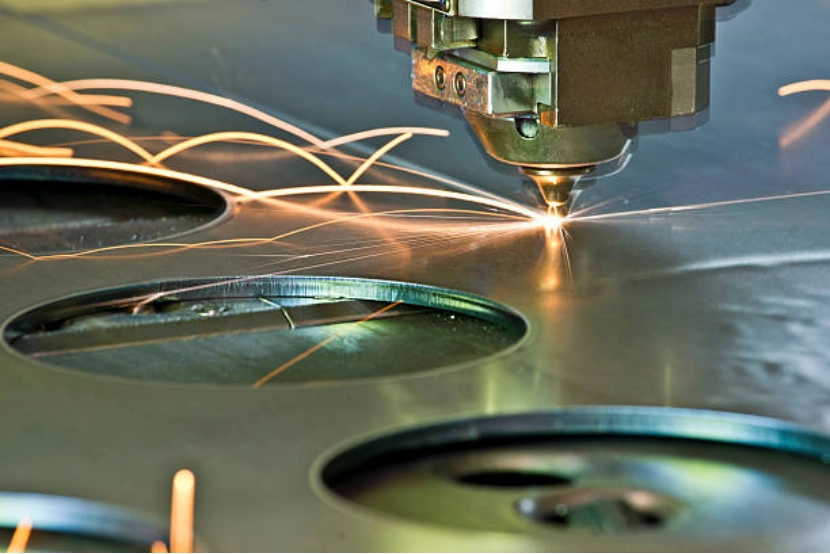
Laser cutting precision often acts as that hidden element deciding if a metal part assembles smoothly or causes issues later. Engineers who grasp laser cutting tolerances create better designs, cut down on scrap, and deliver reliable results. In today’s fabrication world, a tiny variation like ±0.1 mm can turn a project into a success or a headache.
What Laser Cutting Tolerances Mean
Laser cutting tolerances show how closely the real cut matches your original blueprint. When parts need to join precisely, such as in boxes or equipment frames, strict tolerances guarantee good alignment and smooth operation. Your design goals must match what the machines can actually do. Laser cutting uses a sharp laser beam to slice or form materials with great detail. This link between what you want and what the tool delivers decides if a part gets made quickly without extra steps.
Why Tolerances Matter in Laser Cutting
Tolerances affect how well components work together and perform mechanically. Loose ones might let parts shift or not line up right; tight ones could demand fixes. Costs climb with finer precision because you slow the machine, add checks, and maybe need better gear. So, engineers balance bold ideas with real possibilities. They aim for enough accuracy to work well without blowing the budget.
Factors That Influence Laser Cutting Accuracy
Several connected elements shape laser cutting accuracy, from the raw material to machine setup and beam handling.
Material Type and Thickness
Various metals respond differently to laser heat. Take stainless steel: it yields neat edges thanks to its high melt point. Aluminum, on the other hand, reflects light and can spread the beam a bit. As materials get thicker, the kerf—the strip of material the cut removes—widens, which hurts size accuracy.
The surface matters too. Shiny or reflective finishes call for power tweaks to keep outcomes steady. Processes stainless steel, aluminum, copper, steel, and acrylic panels with tight tolerances (±0.1 mm). This level fits common needs in detailed sheet metal jobs.
Machine Calibration and Maintenance
Top fiber lasers still slip if you skip calibration. Frequent checks keep the beam sharp over the whole table. Tasks like cleaning lenses or checking nozzles stop errors from dirt or damage.
Skilled operators make a big difference. They spot when to adjust based on the cut’s sound, sparks, or edge hue.
Laser Power and Beam Quality
Power choices set the pace and edge sharpness. More power speeds things up but risks melting or rough spots on slim sheets. A steady beam creates smooth, repeatable cuts; wobbles lead to bumpy kerfs.
Picking the right settings for each thickness balances speed with size control. Utilizes 3 kW and 6 kW fiber lasers for energy-saving, quick cuts. These setups work well to hold precision in different jobs.
Typical Tolerance Ranges in Laser Cutting
Engineers should know standard tolerance levels from current laser tech before locking in their plans.
Standard Industrial Tolerances
Many laser-cut sheet metal pieces hit ±0.1 mm to ±0.25 mm, based on thickness and machine strength. Here’s a quick table of usual ranges:
|
Material Type |
Typical Thickness |
Achievable Tolerance |
|
Stainless Steel |
≤3 mm |
±0.1 mm |
|
Mild Steel |
3–6 mm |
±0.15 mm |
|
Aluminum |
≤5 mm |
±0.2 mm |
|
Copper/Brass |
≤3 mm |
±0.25 mm |
Laser beats plasma cutting (±1 mm) or waterjet (±0.2–0.5 mm) for steady results in detailed parts.
Fine-Tolerance Applications
Premium builds, like device shells or health tools, often need under ±0.05 mm. You achieve this with steady temps, exact optics, and maybe follow-up work such as milling or grinding edges. But finer limits stretch time and checks. Save them for key spots only.
Designing for Optimal Laser Cutting Results
Smart design thinks ahead to shop floor needs, fixing issues early instead of patching them after.
Best Practices for Engineers During Design Stage
Set tolerances by what the part truly needs, not just for show.
Check manufacturer capabilities right in your CAD files.
Don’t lock down minor features that just add expense.
Mark clear notes on which sizes matter most for function (CTF).
Remember, thin plate designs must fit steps like cutting, folding, stretching, and joining. Simple shapes not only speed up cuts but also hold sizes better.
Considering Part Geometry and Edge Quality
Tricky shapes build heat stress that warps thin sheets a touch. So, adjust tolerances near tight turns or tiny holes. Beam spread causes edge slant; account for kerf in your layouts by shifting lines. Adding 0.1–0.2 mm extra space in joining spots often covers these shifts without hurting the fit.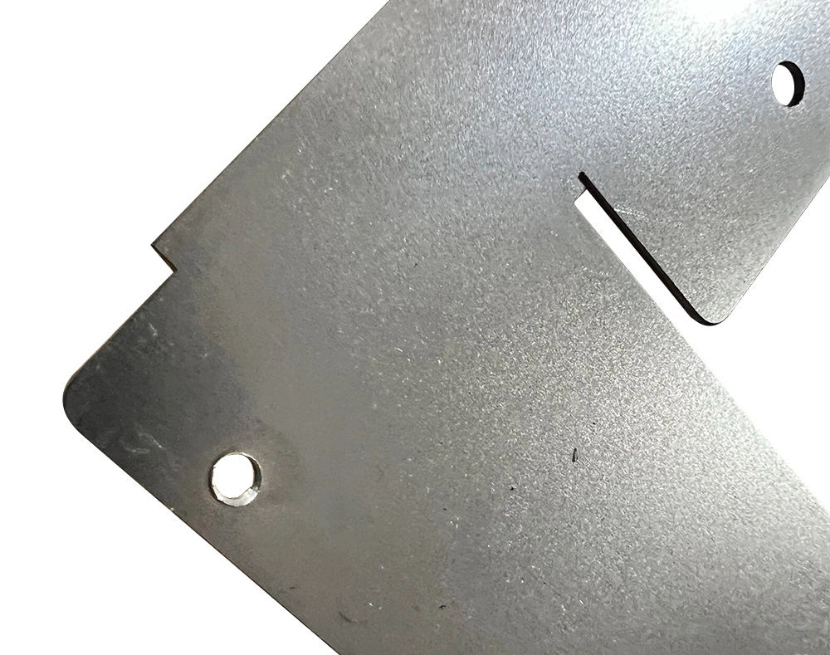
How Manufacturers Like Deshibo Machinery Ensure Precision
A part’s dependability comes down to tight control in the workshop.
Advanced Equipment and Process Control
Deshibo Machinery focuses on sheet metal building and CNC Machining. The company blends laser cutting with folding, joining, finishing, and putting together—all in one place. This cuts chances for mix-ups from passing parts around.
Provide complete end-to-end metal fabrication solutions. Their CNC-run fiber lasers keep going with auto feeders built for steady accuracy in big runs. Auto flows let projects switch smoothly. Digital links make sure each cut sticks to the CAD plan spot on.
Quality Assurance in Metal Fabrication Projects
Precision goes beyond the cut—it includes checks before shipping:
Coordinate Measuring Machines (CMM) verify sizes match specs.
Optical scanners catch tiny flaws you can’t see by eye.
Papers with each order prove tolerances hold up.
Deshibo’s multi-stage inspections follow this: Quality Assurance: Multi-stage inspections ensure compliance with technical specifications.
Teams of engineers and workers team up for ongoing tweaks. This builds better designs and workshop habits over time.
Improving Project Outcomes Through Communication and Planning
A strong fabrication tie depends on clear talk between designer and maker, not just tools.
Working Closely with Your Fabrication Partner
Send full drawings soon, with all tolerances noted, to skip confusion in quotes or setups. Talk about real limits by material; some metals swell more from heat. Draw on your fabricator’s know-how. Their take on machine quirks often beats pure math guesses.
Design Team involves with customers from their concept and provide solutions by value adding through engineering. This team approach speeds up work while matching ideas to what shops can do.
Balancing Accuracy, Speed, and Budget in Production Planning
Projects always juggle precision, time, and money:
Strict tolerances mean slower speeds from reduced rates.
Looser ones cut checks but might cause fit problems later.
Test small runs first to check ideas before full production.
Grasping these links helps teams pick smart paths. They avoid chasing extra detail that wastes cash without real gains. Ready to achieve tighter laser cutting tolerances and better fabrication results? Contact us today to discuss your project requirements and request a customized quote.
FAQs
Q1: What is a typical laser cutting tolerance for sheet metal?
Most industrial laser cutters achieve around ±0.1–0.25 mm depending on material thickness and equipment condition.
Q2: Why do thicker materials have lower accuracy?
As thickness increases, the laser beam widens slightly (kerf expansion), reducing edge precision compared to thinner sheets.
Q3: How often should a laser cutter be calibrated?
Calibration frequency depends on usage intensity but generally every few weeks ensures consistent focus alignment across jobs.
Q4: Can post-processing improve tolerance?
Yes—secondary operations like CNC milling or deburring can refine edges when ultra-tight fits are required after cutting.
Q5: What factors most affect laser cutting accuracy?
Key influences include material reflectivity, machine calibration quality, beam power stability, operator expertise, and environmental conditions such as temperature stability within the workshop environment.
