
Custom Control Box Fabrication: Design, Cost, and Lead Time
Time : Apr 30, 2026 View : 102
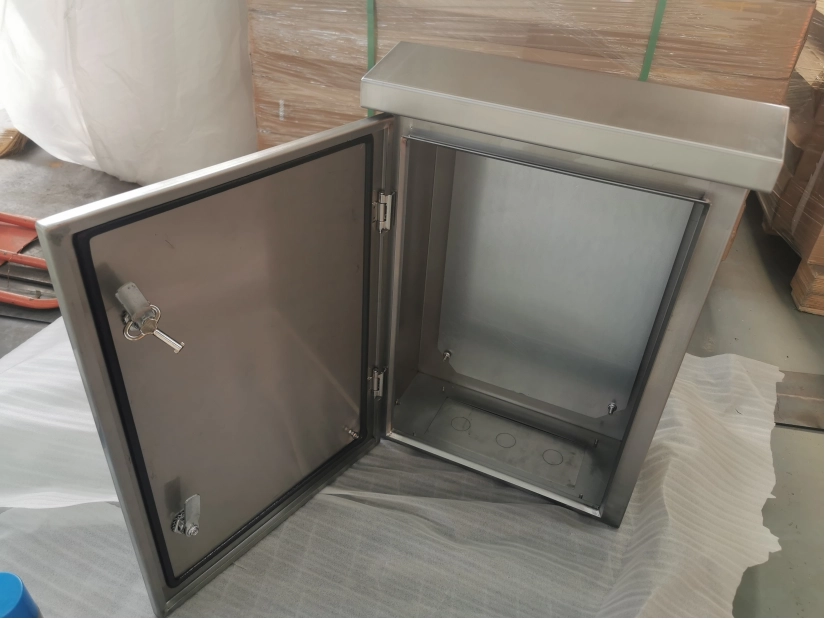
A well-designed custom control box serves as the central hub in modern automation. It combines precise engineering with solid protection. This setup houses electrical parts, boosts safety, and keeps things running smoothly in harsh industrial settings. You might use one in a factory setup or for gear exposed to the outdoors. The way fabricators build these enclosures decides their toughness and how well they work overall.
What Is a Custom Control Box?
A control box acts as an enclosure that holds electrical components for automation, machines, or power distribution. When you go custom, engineers adjust everything—from dimensions and arrangement to resistance against the environment—to fit exact needs. Popular choices include stainless steel for fighting rust, aluminum for light yet strong builds, and carbon steel for affordable sturdiness.
The Role of Sheet Metal Fabrication in Control Boxes
Sheet metal fabrication builds the strong frame for control boxes. Fabricators use methods like cutting, bending, and welding to hit tight tolerances. This shields delicate electronics from dirt, shakes, and dampness. Deshibo Machinery’s sheet metal parts come across as tough and long-lasting builds crafted with CNC tools and practical, high-performing designs. Such skilled work means each enclosure holds up reliably in tough spots.
Key Design Considerations in Control Box Fabrication
Design blends function with how easily you can make it. Choices about layout or surface finish impact both ease of use and building speed.
Determining Functional Requirements
Start by figuring out the box’s job: handling power, controlling automation signals, or guarding circuits from weather threats. Engineers also map out inside space for simple upkeep and good air flow to cool things down. Meeting standards like IP or NEMA ratings ensures it blocks dust or water effectively.
Material Selection for Durability and Performance
Pick materials that match performance needs without breaking the bank:
| Material | Key Advantages | Typical Use |
| Stainless Steel | Corrosion-resistant; ideal for outdoor use | Marine & food industries |
| Aluminum | Lightweight; easy to machine | Aerospace & mobile systems |
| Carbon Steel | Strong; economical | Industrial machinery |
Finishes on the surface boost how long they last. Powder coating adds resistance to wear. Anodizing aluminum provides extra guard against rust plus color choices.
Incorporating CNC Machining and Laser Cutting in Design
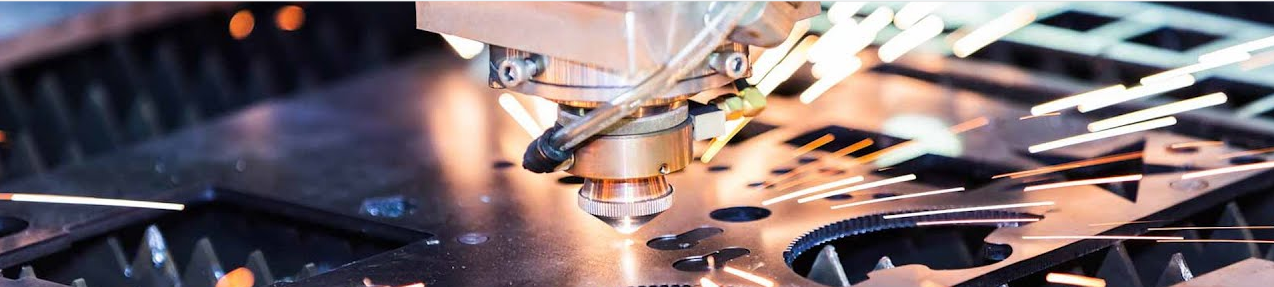
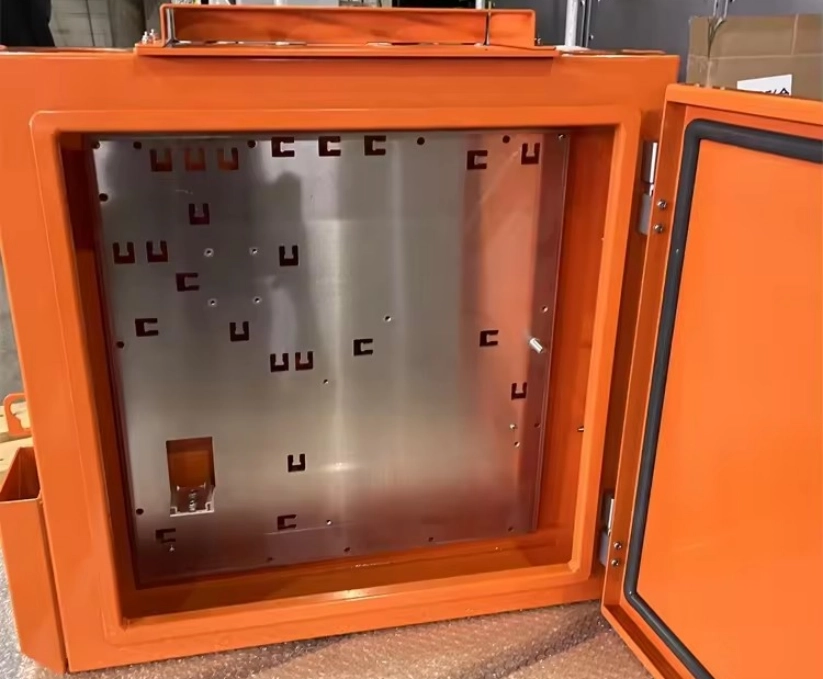
Exact machining makes sure parts fit just right. CNC machining creates precise openings for switches or plugs with no human mistakes. Laser cutting delivers smooth edges and less scrap—a big plus for looks and saving money. Deshibo Machinery provides metal laser cutting bending services as part of its complete sheet metal production capabilities. Pairing CNC machining with laser cutting guarantees consistent results even in big batches.
Factors Influencing the Cost of Custom Control Box Fabrication
Costs vary based on several elements, from basic materials to how tricky the assembly gets.
Material Costs and Thickness Choices
Thicker sheets offer better shielding but increase weight and price. Special alloys or added coatings can drive up the bill, depending on supply and what finishes you need. In real projects, you can fine-tune sheet thickness early in design to get the right strength without overspending.
Design Complexity and Custom Features
Enclosures with lots of folds or welds take more hands-on time than basic ones. Add-ons like air vents or brackets mean extra setup effort. When you plan bending structures, watch the space between the part and the bending tool. It’s smart to test the bending setup first to dodge clashes or problems. This shows how thinking ahead in design cuts down on fix-up expenses.
Production Volume and Tooling Setup
Larger runs cut costs per piece by sharing the initial setup over many items. Single prototypes or unique builds cost more because of custom tools. Deshibo Machinery offers MOQ as low as 1 piece with average delivery time between 7–15 working days. This kind of option helps when you want to try a new idea before going big.
Understanding Lead Time in Control Box Fabrication Projects
Lead times hinge on how ready your design is and how smoothly the manufacturing flows.
Holds often come from slow sign-offs or fuzzy plans. These can ripple through the whole timeline if you don’t catch them soon.
The Impact of Design Approval on Production Schedule
Fast back-and-forth between you and the fabricator keeps things moving. Teaming up early lets you tweak things quickly before cutting or joining materials. That avoids expensive changes down the line.
Manufacturing Stages Affecting Delivery Time
Sheet Metal Processing Stage
This part includes cutting, bending, punching, and welding—the core steps to shape the enclosure. Bending turns a flat 2D sheet into a 3D shape. You need a bending machine and matching dies, plus a clear order of steps. The rule is to bend non-interfering sections first. Save the tricky ones that might block later moves for last.
Surface Finishing Stage
Steps like powder coating or polishing apply layers that fight rust and enhance the look.
Assembly and Quality Inspection Stage
With the shell done, workers add the electrical bits inside. Every piece gets checked for seal tightness, proper alignment, and overall finish before it ships out.
How to Work with a Fabrication Partner Effectively
Staying in close touch with your fabricator keeps the project on track for tech and budget.
Providing Accurate Drawings and Specifications
Clear CAD files cut down on mix-ups during prep. Add details on sizes, allowed variations, hole spots, color finishes, and any unique assembly notes. This prevents endless questions and delays.
Communicating Project Timelines and Budget Goals Early On
Openness creates trust. Tell them your deadlines right away so they can line up resources. Steady check-ins give you a clear view of progress all through the build.
Choosing a Reliable Sheet Metal Fabrication Company like Deshibo Machinery
Picking a solid partner can turn a smooth job from one full of headaches. Deshibo, based in Yantai Development area, brings over 10 years of know-how in precise sheet metal work. Our all-in-one services—from CNC machining to laser cutting—handle everything in-house. We deliver full metal fabrication packages, including assembly, painting, anodizing, and powder-coating. A group of mechanical engineers helps refine your design from idea to finished product. Clients get quicker turnaround without losing quality.
A custom control box goes beyond a simple cover. It stands as an engineered piece shaped by material know-how, smart design, accurate machining, and team planning. When pros like Deshibo Machinery handle it right, it forms a key part of dependable automation setups in industries everywhere.
Contact us today to discuss your requirements and request a quote.
FAQs
Q1. What materials are best for outdoor control boxes?
Stainless steel is preferred due to its corrosion resistance against moisture and chemicals.
Q2. How long does it take to fabricate a custom control box?
Average lead time ranges from 7–15 working days depending on complexity and finish requirements.
Q3. Can I order only one prototype before mass production?
Yes—Deshibo accepts MOQ as low as one piece for prototyping purposes.
Q4. What finishing options improve durability?
Powder coating, anodizing (for aluminum), or galvanizing enhance surface protection against rust or abrasion.
Q5. Why choose precision sheet metal fabrication over standard methods?
Precision fabrication ensures tighter tolerances, cleaner aesthetics, better fitment for electrical components—and ultimately longer equipment life span.
