
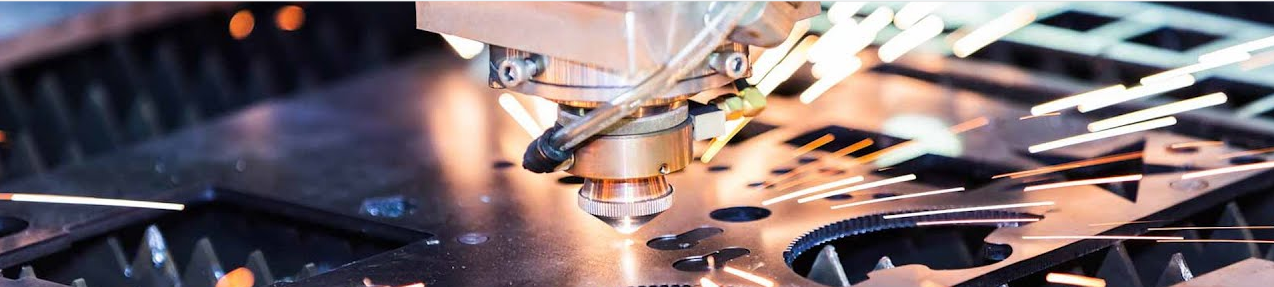
10 DFM Tips for Better Sheet Metal Parts
Time : Apr 29, 2026 View : 92
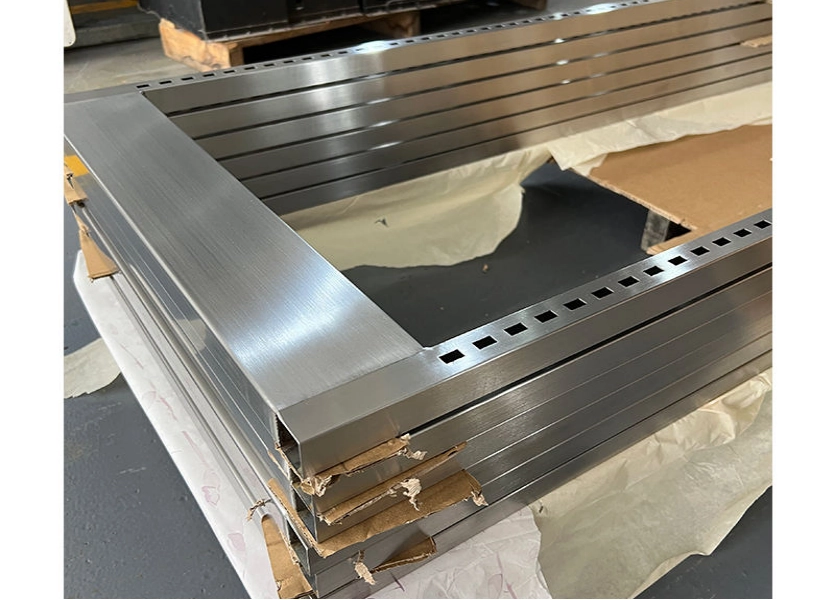
Designing sheet metal parts that work well and make sense to build takes more than just good ideas. It demands careful attention and a solid grasp of how materials act up during the making process. Each bend, slice, or join influences expenses and reliability. Savvy designers realize that weaving in Design for Manufacturability (DFM) ideas right from the start can slash building time, cut down on wasted materials, and limit fixes later on.
What DFM Means in Sheet Metal Design
Design for Manufacturability (DFM) involves tweaking a product’s layout so builders can create it smoothly, quickly, and dependably. It connects what engineers plan with the actual abilities of the shop floor. When you apply DFM right, every piece fits the tools and methods at hand, like slicing, folding, joining, and polishing.
You need to focus the build of slim plate pieces mainly on what the making steps require and how they behave. Plus, think about how many units you’ll produce. Designers always weigh the real-world angles of building. What equipment exists? What precision levels work? How does each choice hit assembly or expenses?
At Deshibo Machinery which focuses on tailored sheet metal building and CNC cutting, this idea sits at the heart of each job. Their tech team works hand-in-hand with customers to guarantee layouts build easily from the first sketch to the final product.
Practical Design for Manufacturability (DFM) Tips for Better Sheet Metal Parts
Putting DFM to work feels practical. It’s a field grounded in solid rules about shapes, material facts, and step oversight. Here, you’ll find ten useful pointers to boost your sheet metal layouts.
Tip 1: Simplify Part Geometry
Tricky forms usually call for custom tools and added shaping moves. Streamlining shapes trims expenses and boosts consistency. The less complicated the slice edges, the smoother and quicker the slicing goes. It shortens the slice route and lessens the scraps removed. Opt for straight edges instead of bends. Pick rounds over ovals. These minor picks yield major gains in building pace.
Where you can, try these:
-
Stick to common hole diameters and fold angles.
-
Skip extra raised areas or deep dips.
-
Build in balance to shorten prep time.

Tip 2: Optimize Material Selection
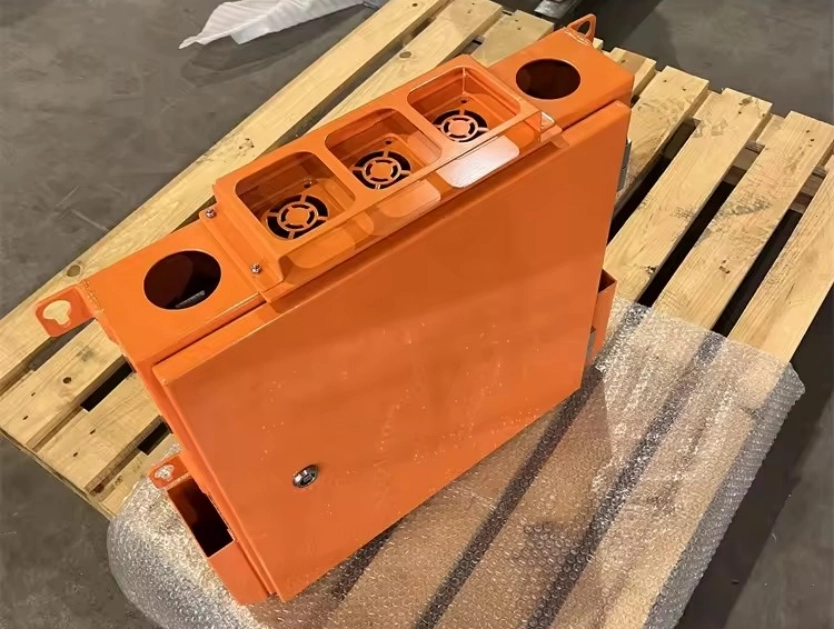
Your pick of material shapes not just toughness but also how well it molds and fights rust. For example, SPCC (Special Steel Clad Carbide) comes from steel sheets coated with plating or paint. On the other hand, SECC (Self-Glazed Steel Clad Carbide) uses zinc-coated steel sheets treated with tinplate and a fingerprint barrier. Pick smartly to get lasting results without extra costs for features you don’t need. Deshibo Machinery stocks options like stainless steel, mild steel, aluminum, and brass. They choose based on what the job demands and what’s on hand to speed up delivery.
Tip 3: Standardize Bend Radii
Matching fold curves across pieces eases tool prep. As you fold a material, the outside pulls longer while the inside squeezes in the curved spot. With steady material depth, a tinier inside curve r ramps up the pull and squeeze on the material. If the pull stress on the outer curve tops the material’s max strength, splits and breaks happen. Sticking to basic curve rules stops those issues and sharpens size accuracy.
| Material Type | Minimum Bend Radius (r/t ratio) |
| Mild Steel | ≥ 1 |
| Stainless Steel | ≥ 1.5 |
| Aluminum | ≥ 1 |
Tip 4: Maintain Uniform Wall Thickness
Steady depth spreads out pressure evenly in folds or joins. Steer clear of slim, stretched slices and overly thin slots. This boosts edge toughness in matching die sections. Sudden shifts can lead to twists or focused strain spots that weaken the build.
Tip 5: Design with Tolerances in Mind
High accuracy costs more. Super strict limits might double cutting bills or add extra tasks like smoothing or resizing. Limits play a big role in item quality and price. From experience, builders can’t hit exact sizes on plans, no matter the spend or effort. Talk about doable limits upfront with your fabricator. Sensible bounds keep building smooth without hurting the part’s role.
Tip 6: Plan for Easy Assembly and Welding
Solid putting together begins in the planning phase. Add guide tabs or notches for exact matches in joining or pinning. For tough builds, folding alone gets hard. So, aim for straightforward setups. When you can’t avoid complexity, blend basic, slim plate pieces. Link them via welding, screws, or similar. Cut back on join lines where feasible. This boosts steady strength and cuts warping.
Deshibo Machinery’s metal welding service applies cutting-edge methods for neat edges on tricky builds.
Tip 7: Account for Laser Cutting Efficiency
Laser slicing moves fast, yet it reacts to fine details. Smooth borders slice quicker than detailed inner shapes. In stamped part outlines and inner rounds, dodge sharp turns. Link straight and curved lines with rounded joins. Use a curve R of at least 0.5t. Cluster like pieces on one sheet plan to trim waste. This basic grouping tactic drops material bills a lot.
Deshibo Machinery’s metal laser cutting bending technology delivers fine work while keeping edge finish ready for later shaping.
Tip 8: Consider Bending Direction and Grain Orientation
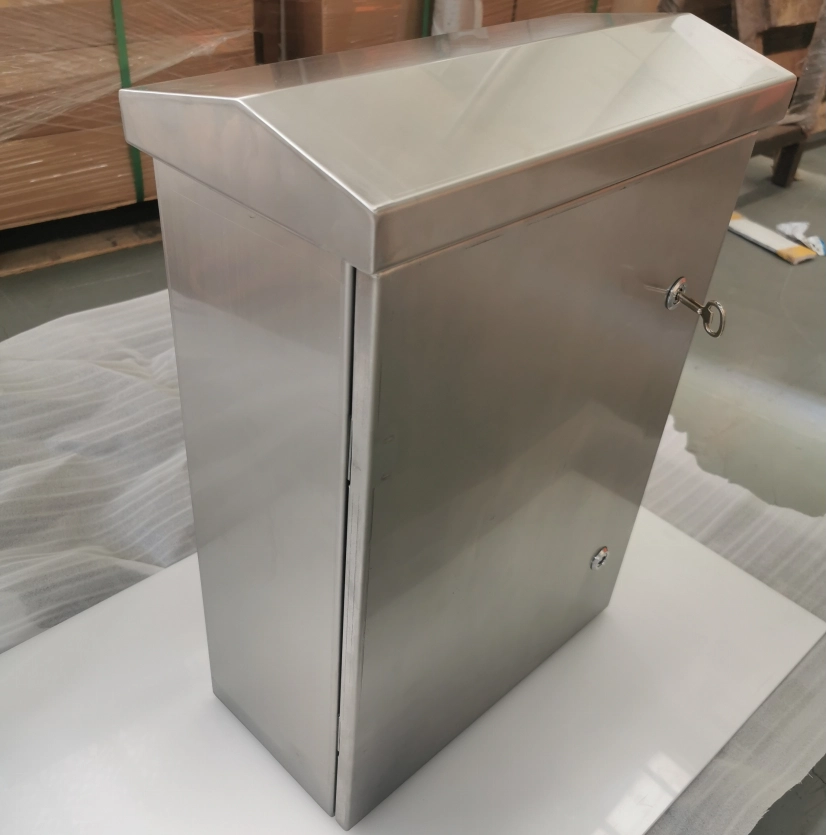
Sheet metal carries a grain from the rolling step. Folding along the grain raises split chances. Fold edges ought to run straight to the slice face. If not, split risks grow at crossings. Line up folds across from grain whenever you can. That yields tougher outcomes.
Tip 9: Incorporate Fastening Features Early in Design
Build in holes or raised spots during slicing to skip pricey later steps. For punched rounds on pieces, plan fitting edge gaps and distances to block splits. Self-gripping fasteners beat weld nuts in spots where heat warps things.
Tip 10: Communicate Clearly with Your Fabricator
Sharp talk saves cash more than any tech boost. Hand over full CAD files with flat views and fold details before work starts. Our design team partners with customers from the initial idea. We add value through smart engineering tweaks. Working together early lets everyone match cost smarts with what the part must do.
Enhancing Product Quality Through Smart DFM Practices
Using these ideas steadily brings not just expense cuts but stronger items that hold up in daily use. Solid steps should mean low material use, fewer moves, basic tool setups, durable tools, and steady item quality.
Integrating Continuous Improvement into Design Workflows
Ongoing tweaks form the core of top-notch building setups. Often check layouts using shop input. What succeeded before might improve more now. Many customers in over 30 countries and regions trust our items for their fine quality and dependability. That standing comes from careful honing of each layout choice over years of hands-on work.
Contact us today to discuss your requirements and request a quote.
FAQs
Q1: What does DFM stand for in sheet metal fabrication?
A: DFM stands for Design for Manufacturability. It makes sure layouts fit efficient building with the tools and materials on hand.
Q2: How do I choose the right material for my sheet metal part?
A: Pair traits like toughness and rust resistance with smart costs. Look at what’s available nearby to dodge holdups.
Q3: Why is bend radius important in sheet metal design?
A: A too-small curve might spark splits. Sticking to basic curve rules stops flaws in shaping.
Q4: What’s the best way to reduce laser cutting costs?
A: Streamline forms, skip small rounds or pointy turns, and group like parts neatly on one sheet.
Q5: How can I ensure accurate assembly after fabrication?
A: Add guide elements like tabs or notches in your CAD setup. That way, pieces match exactly in welding or pinning.
