
Aluminum vs Stainless Steel Enclosures: Which Material Is Best for Your Project?
Time : Jul 09, 2026 View : 44
Choosing the correct metal for industrial housings involves more than just initial costs. It concerns how the material performs years later. Will it survive in a highly corrosive or very hot place? Often, the choice comes down to aluminum or stainless steel. Each metal offers unique benefits. However, your final choice depends on the exact demands of your installation area.
Evaluating Material Performance in Industrial Environments
In any industrial area, cabinet performance means keeping delicate internal parts safe from outside dangers. This task relies on both chemistry and physics.
Corrosion Resistance and Chemical Stability
Stainless steel provides excellent defense against strong chemicals and salty conditions. This is because it contains chromium. It acts as a strong barrier in extreme settings. Specifically, SUS304 is very common. For highly demanding areas, however, Grade 316 remains the top choice. Both Grade 304 and 316 stainless steel serve as standard options for marine and medical uses. In these fields, cleanliness and a long lifespan are absolutely necessary.
Aluminum creates a natural oxide layer. This layer fights off basic atmospheric rust. Yet, it can fail in highly acidic or alkaline locations. If the unit sits outdoors without heavy salt exposure, aluminum works well. On the other hand, inside a chemical plant, that simple oxide layer might fall short.
Thermal Conductivity and Heat Dissipation
Aluminum does a great job at spreading out heat. This makes it a perfect option for enclosing delicate electronics. It pulls heat away from the source much faster than steel. Stainless steel, by comparison, has poor thermal conductivity. This trait can cause heat to build up inside the box. Therefore, active cooling becomes necessary.
Your material choice directly affects how long internal parts last. Proper thermal management is key here. If a box holds high speed drives or power converters, aluminum gives a passive cooling benefit. This feature lowers the daily workload on cooling fans.
Structural Integrity and Weight Considerations
Strength and weight often compete against each other. Aluminum offers a great strength to weight ratio. This makes installation much easier. It also lowers shipping costs for large custom metal cabinets. This benefit matters greatly if the unit requires wall mounting. It also helps when a single worker must handle the box.
Stainless steel is much denser and stronger. It offers superior defense against physical hits and vandalism. The metal is very hard to dent. It is even harder to break through. When should you choose weight savings over structural strength in sheet metal enclosures? Normally, if the unit moves around or sits on a pole, lighter weight wins. If it rests on a busy factory floor near forklifts, you should choose the solid strength of steel.
Customization and Fabrication Flexibility at Deshibo Machinery
Fabrication reveals the true nature of the material inside the workshop. The manufacturability of sheet metal means how easily we can punch, bend, and stretch the parts. We observe how these metals react to our CNC machines and press brakes on a daily basis.
Precision in Sheet Metal Fabrication
Aluminum is quite flexible. This allows for complex bending and detailed designs. It also causes less wear on our tools. The metal is softer during production. However, this softness requires careful handling to avoid surface scratches. Stainless steel needs special equipment. It requires higher pressure for bending and welding. This is due to its work hardening traits. The metal resists shaping a bit more during the process.
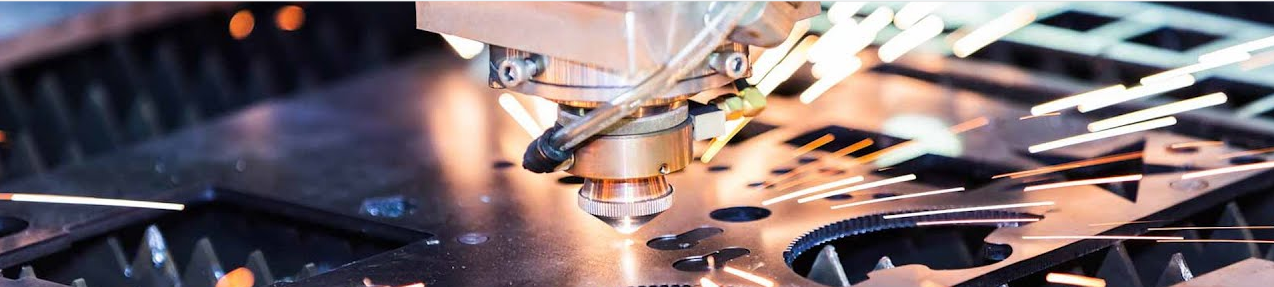
Our CNC machining and laser cutting services guarantee tight tolerances. This holds true for any chosen alloy. We follow strict guidelines, such as the simple shape rule. A simple cut geometry makes the cutting process much easier. It shortens the cutting path. It also reduces the amount of wasted material. Whether using aluminum or steel, the punching design must leave proper space near the edges. Good hole spacing is vital to prevent metal cracking.
Surface Finishing and Aesthetic Options
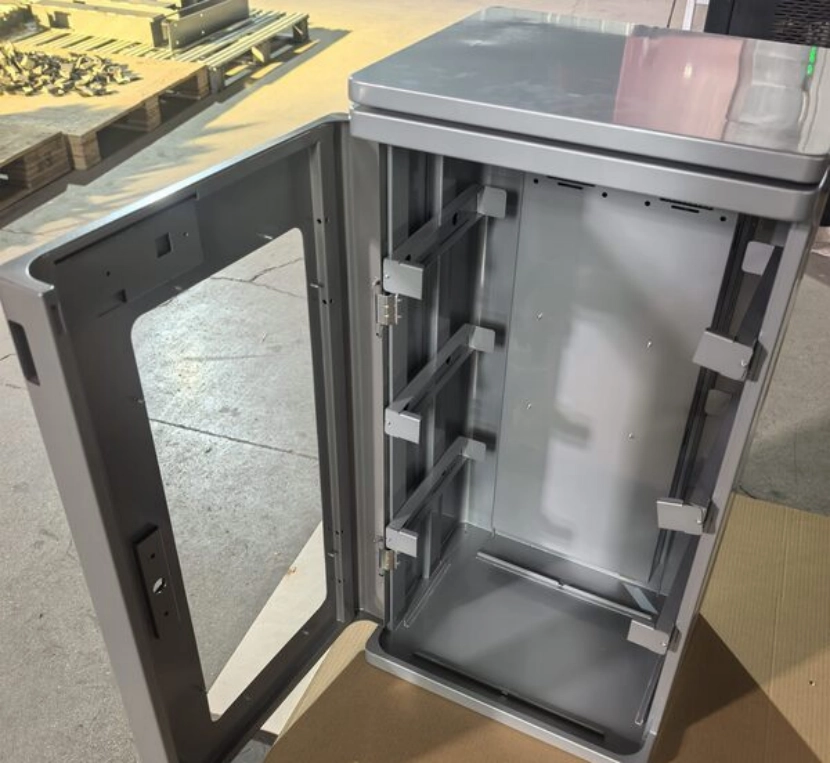
Aluminum accepts many different finishes. These include anodizing, powder coating, and chromate conversion. It adapts easily to various visual needs. Stainless steel is usually chosen for its natural brushed or polished appearance. It keeps this clean look without needing extra coatings. The metal comes naturally finished. For many buyers, the raw appearance of SUS304 serves as the main visual goal.
Cost Analysis: Initial Investment vs. Long term Value
Budget always matters in a project. Aluminum normally offers a lower starting material cost. It is also easier to machine. This simple processing reduces labor expenses. Since it causes less wear on tools, the total workshop time drops significantly.
Stainless steel requires a higher initial payment. However, it provides a longer service life in harsh conditions. This reduces how often you must replace the unit. Suppose you must replace an aluminum box every three years due to salty air. If a stainless unit lasts ten years, the steel becomes cheaper over time. Details like maintenance needs and weather exposure determine the actual total cost of ownership.
Which Material Aligns with Your Specific Application?
The decision depends heavily on location and purpose. Outdoor telecom systems often gain from aluminum. The metal is lightweight and resists daily rust. It is simple to mount on a tall tower. It will not easily rust during heavy rain.
Food processing and medical facilities need highly sanitary surfaces. They also require materials that survive high pressure washing. Stainless steel fits these needs perfectly. You can clean it with strong chemicals without causing damage. How do local rules and industry standards affect your choice? Often, safety codes make the decision for you. These rules demand non-porous surfaces that are easy to wash.
Regardless of the metal type, the core design must remain solid. For example, product designers must consider the ease of manufacturing. We focus on excellent craftsmanship. This approach ensures low material waste and fewer production steps. It also creates simple mold structures, a long service life, and stable product quality. Contact us today to discuss your requirements and get a tailored fabrication solution for your project.
FAQ
Q: Can I select aluminum for an enclosure that receives frequent bumps or impacts?
A: That is not the best idea. Aluminum is a softer metal. For busy areas, stainless steel works much better. Thin sheets have a very small thickness due to their specific geometry. Therefore, the higher density of steel provides superior resistance against heavy impacts.
Q: Is there a method to make the enclosure stiffer without adding thicker, heavier metal?
A: Yes, there is. Pressing grooves into the metal usually improves its overall stiffness. By adding ribs or specific creases, you can greatly boost the rigidity of a large flat panel.
Q: What is the smallest bending radius I should use for these materials?
A: That relies entirely on the material thickness. When the thickness remains constant, a smaller inner radius causes problems. It creates severe stretching and compression in the metal. Therefore, the structural design of bent parts must avoid very small bending radii.
Q: Does stainless steel ever rust?
A: Under normal conditions, it does not rust. However, extreme salt or chemical settings change things. Even SUS304 can develop surface stains if you do not maintain it properly. Grade 316 is strongly recommended for those highly demanding locations.
