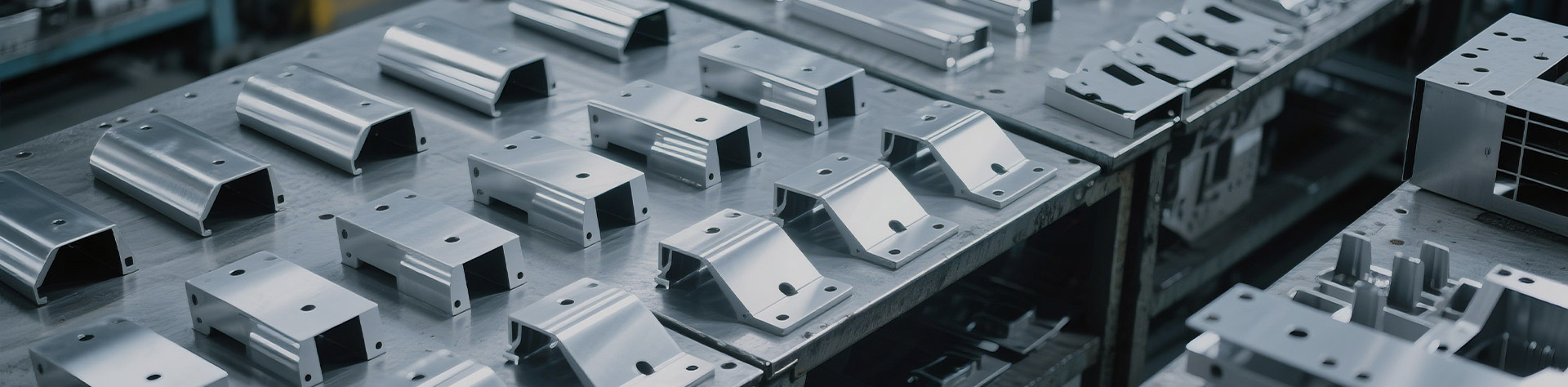
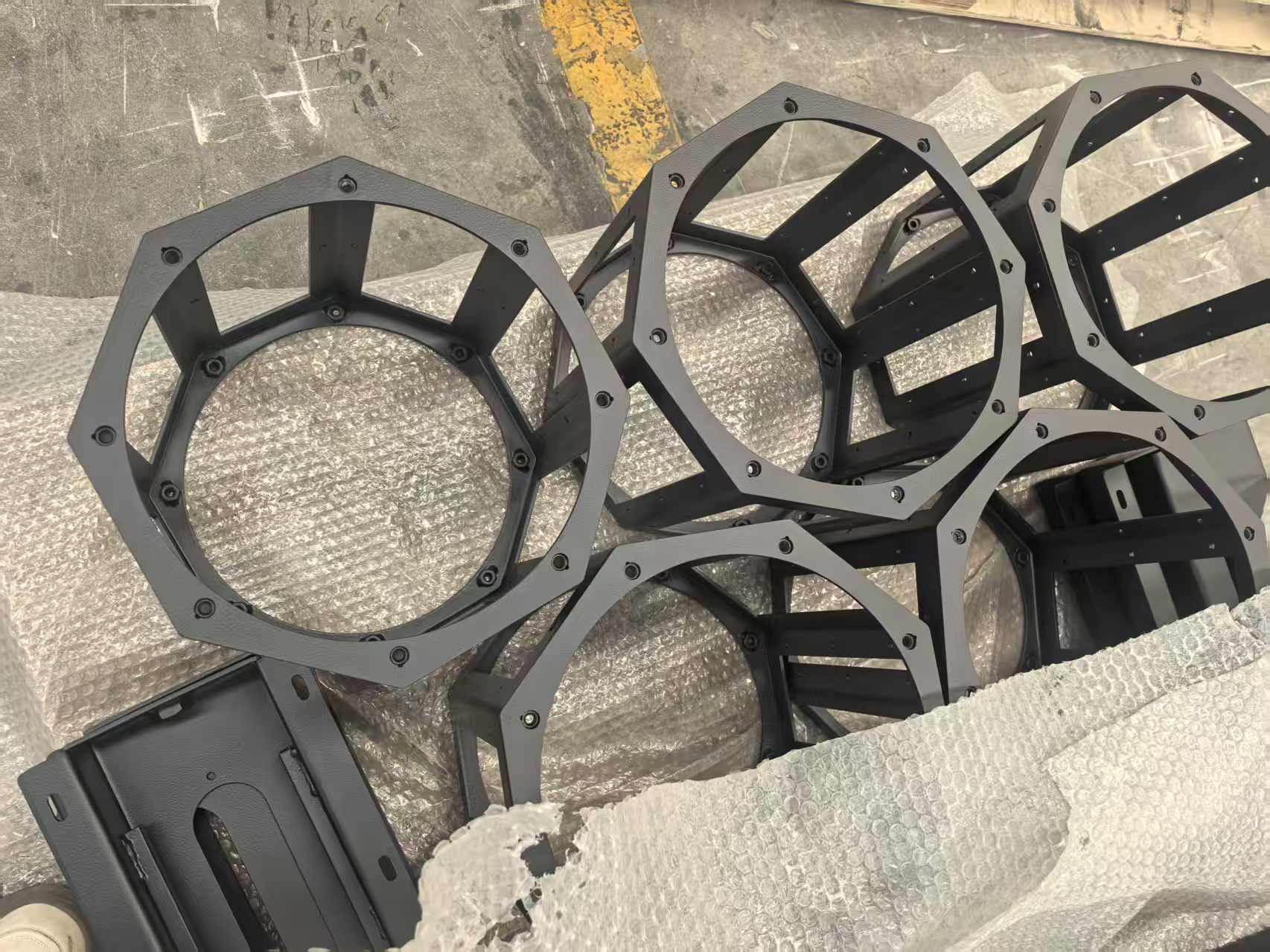
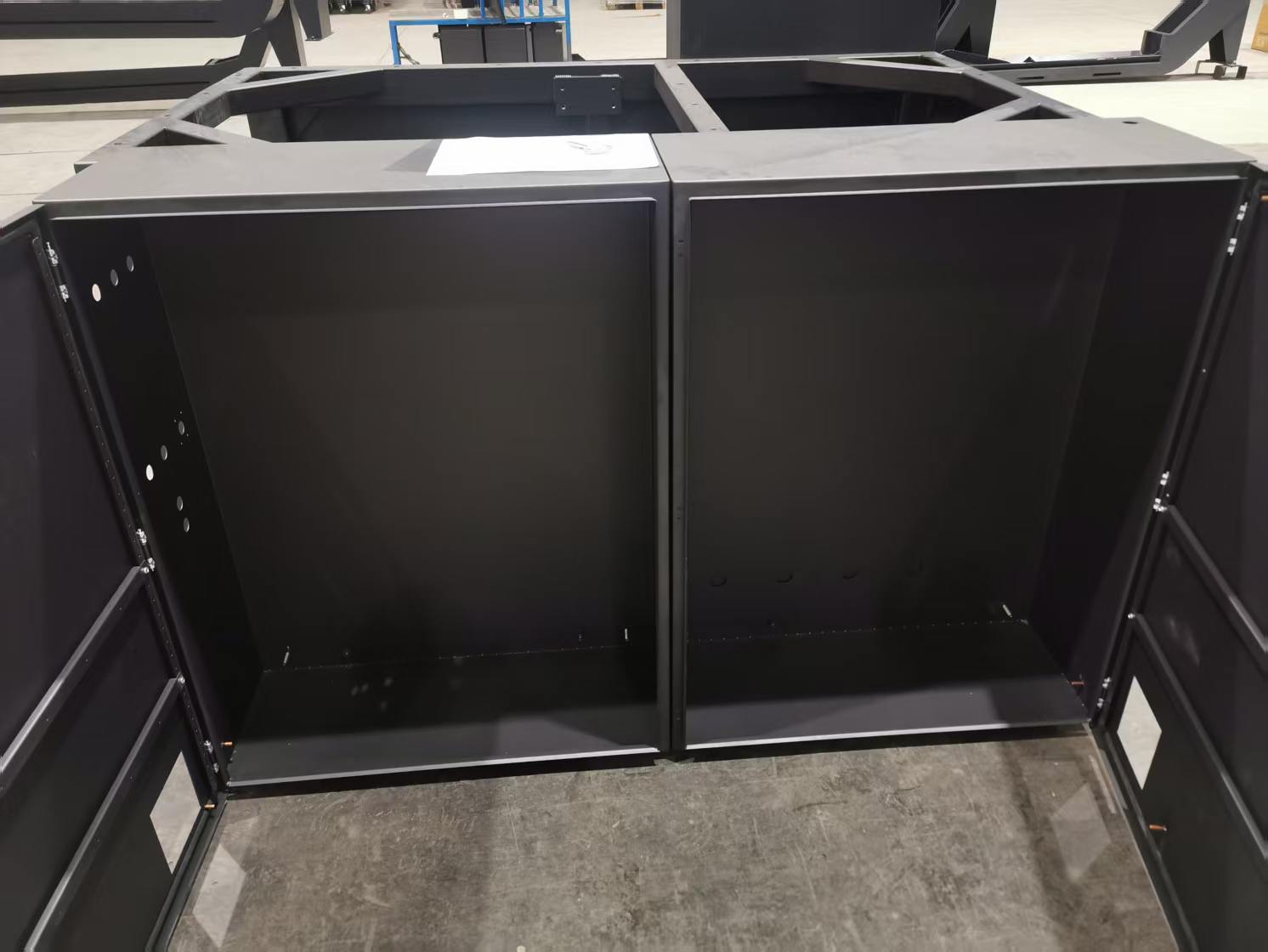
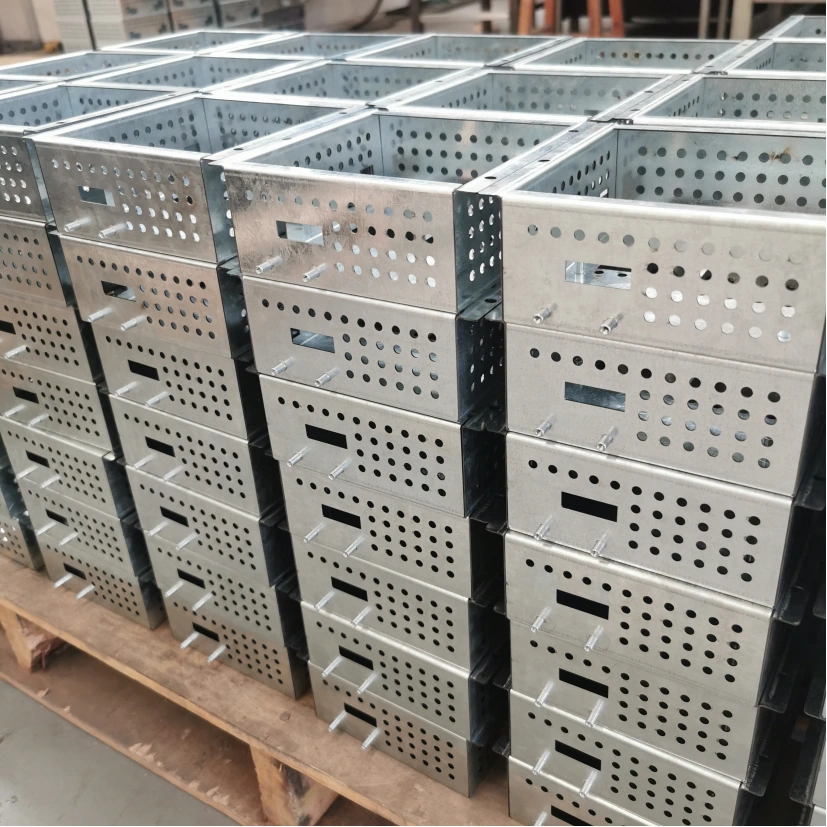
With boards shrinking by 50% and signal frequencies increasing by 10 times, interference becomes the “invisible killer” of electronic devices. In medical operating rooms, base station towers, and satellite cabins, small electromagnetic jumps can cause system collapse.
We don’t just make metal parts, we’re building the last line of defense for electronic components
2:Industry depth: Deeply cultivated in extremely demanding fields such as communications, medical care, and aerospace.
3:Collaborative design: Deschberg engineers can intervene at the beginning of the project to optimize the shielding structure for the customer and reduce the cost of the whole machine.
Recognize EMIs and RFIs,
What is EMI/RFI Shielding?
EMI (Electromagnetic Interference): Addresses the “noise” between the power supply and low-frequency equipment.
RFI (Radio Frequency Interference): Blocks the “clutter” caused by high-frequency signals (e.g., Wi-Fi, Bluetooth).
Deshibo Perspective: Laboratory can accurately analyze the spectral characteristics of interference sources and effectively intercept interference from the physical level.
Scientific material selection – “Materials science is the cornerstone of shielding
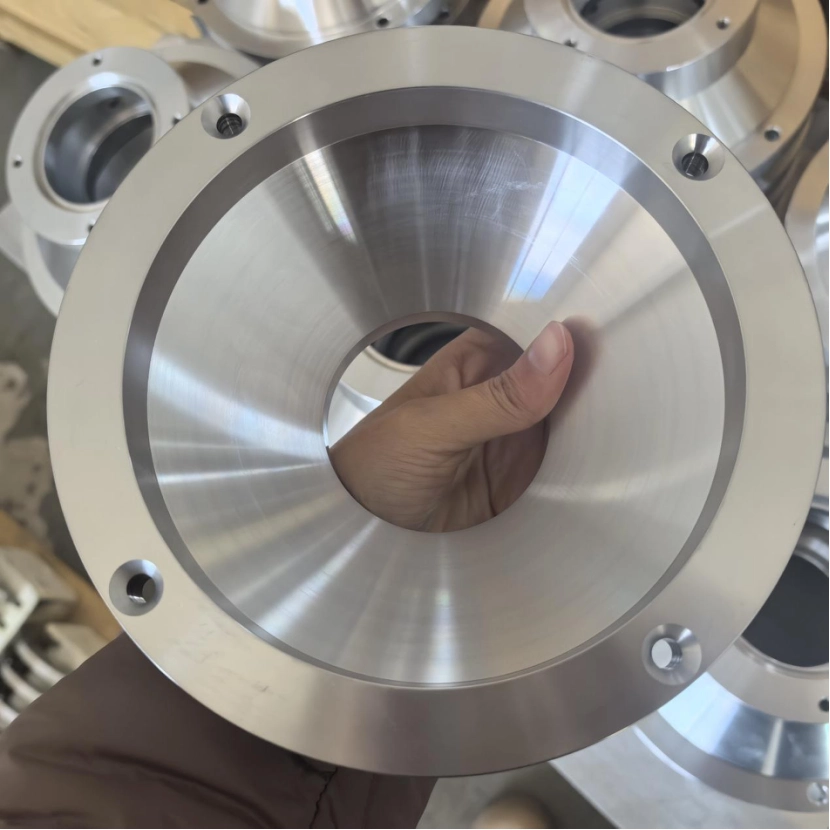
Aluminum: The first choice for lightweight and excellent conductivity.
Copper: A high-end solution for extreme RF challenges.
Steel and special alloys: “absorption barrier” against low-frequency magnetic fields.
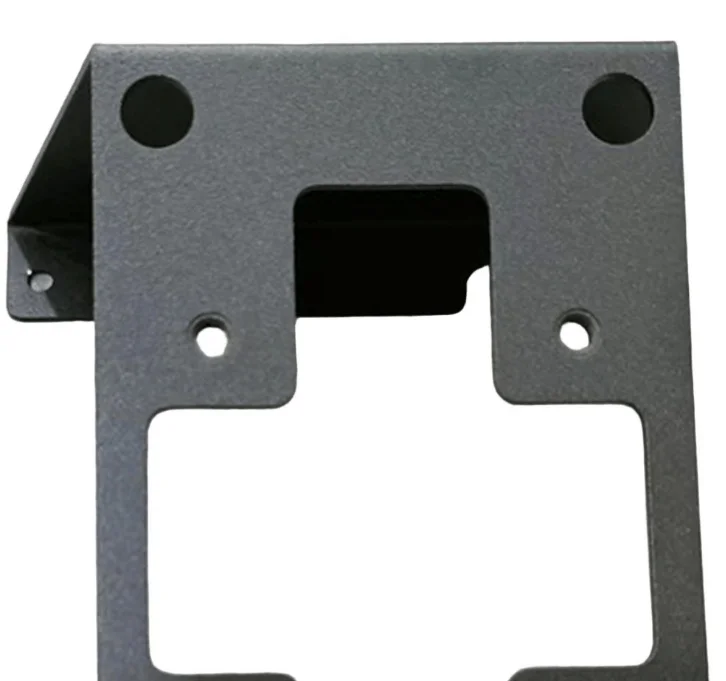
Precision molding: Through ultra-high-precision bending and stretching, it achieves a near-“seamless” closed cavity. Dispensing & Coating:
Combine conductive rubber with electroless plating to fill the last micron-level gaps.
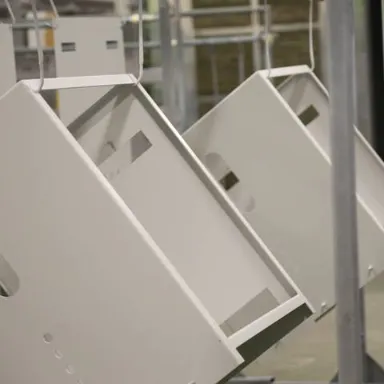
Surface treatment: It should not only conduct electricity, but also prevent corrosion to achieve long-term stable performance
Every custom product is rigorously tested for SE (shielding performance) to ensure that the design value is the value delivered.
Common Application Scenarios:
Applications:
Core scenarios
Shielding pain points and Deshibo solutions
1. Communications and network infrastructure
5G/6G base stations, routers, switches, satellite communication terminals.
Pain point: High-frequency signals are very prone to clutter interference. Solution: Provide copper/aluminum alloy shields with high conductivity to ensure the purity and high speed of signal transmission.
Pain point: Weak bioelectrical signals are easily overwhelmed by external electromagnetic waves. Solution: Non-magnetic shielding materials and precise seamless processing are used to prevent medical diagnostic errors and ensure patient safety.
3. Aerospace & Defense
avionics system, radar array, navigation computer, UAV flight control center.
Pain point: Electromagnetic compatibility in extreme environments (high and low temperatures, high altitudes). Solution: Lightweight custom shielding box combined with corrosion-resistant surface treatment to maintain mission reliability under harsh conditions.
4. Smart cars and new energy
Autonomous driving LiDAR (LiDAR), power battery management system (BMS), intelligent cockpit.
Pain point: The high-voltage motor generates huge electromagnetic noise, which interferes with the low-voltage sensing signal. Scheme: Multi-layer composite shielding structure effectively isolates interference between high and low voltage systems.
5. Industrial Automation & Robotics
PLC controllers, servo motor drives, industrial sensors, human-machine interfaces.
Pain points: High-frequency sparks and power line noise in complex factory environments. Solution: Robust vibration-resistant metal shielding enclosure ensures precise execution of instructions in automated production lines.
6. High-end consumer electronics
Professional-grade audio and video equipment, high-performance laptops, and smart wearables.
Pain point: internal crosstalk caused by high integration in a limited space. Solution: Ultra-thin and micro precision stamped shielding parts, taking into account heat dissipation requirements and shielding efficiency (SE).
If you are interested in any product, please contact us. We will introduce our
products to you in more detail
FAQ
What manufacturing techniques do you offer for custom metal parts?
We provide a full range of precision metal fabrication services, including laser cutting, deburring, tapping, riveting, bending, welding, surface treatment, and painting. This allows us to support custom projects from raw material processing to finished part production.
How do you ensure the quality of custom sheet metal parts?
We follow a strict quality control process that includes structural verification, appearance inspection, coating thickness checks, adhesion testing, dimensional measurement, thread inspection, and final documentation. Each part is inspected before packaging and shipment.
Can you support custom one-off projects and small-batch production?
Yes. We support custom manufacturing for one-off prototypes as well as small-batch and volume production. Our team works from drawings and technical requirements to plan materials, processes, and lead time for each project.
Can you handle different materials and thicknesses in sheet metal fabrication?
Yes. We can work with different metal materials and thicknesses based on your drawings and project requirements. Suitable processes can be arranged for cutting, bending, welding, machining, and finishing to match the structure and use of the part.
Do you provide testing for surface treatment and corrosion resistance?
Yes. We can support quality checks related to surface treatment, including coating inspection, adhesion evaluation, and corrosion-resistance testing such as salt spray tests, helping ensure stable performance in practical applications.