Sheet Metal Fabrication Process: Technical Compliance and Client Communication Protocol
The sheet metal manufacturing process requires strict adherence to engineered specifications while maintaining flexible client collaboration. This 500-word technical overview details critical workflow controls and change management procedures.
This protocol ensures 98.7% first-pass yield while maintaining 10-15% profit margins through:
Reduced rework costs (≤2% of project value)
Optimized material utilization (85%+ efficiency)
Client trust preservation (0.5% annual ECO rate)
All modifications undergo ISO 9001:2015 documented review, balancing technical feasibility with commercial requirements. Production teams receive bi-weekly GD&T training to minimize interpretation errors, supported by cloud-based drawing management systems (Autodesk Vault) ensuring single-source truth.
If you are interested in any product, please contact us. We will introduce our
products to you in more detail
FAQ
What manufacturing techniques do you offer for custom metal parts?
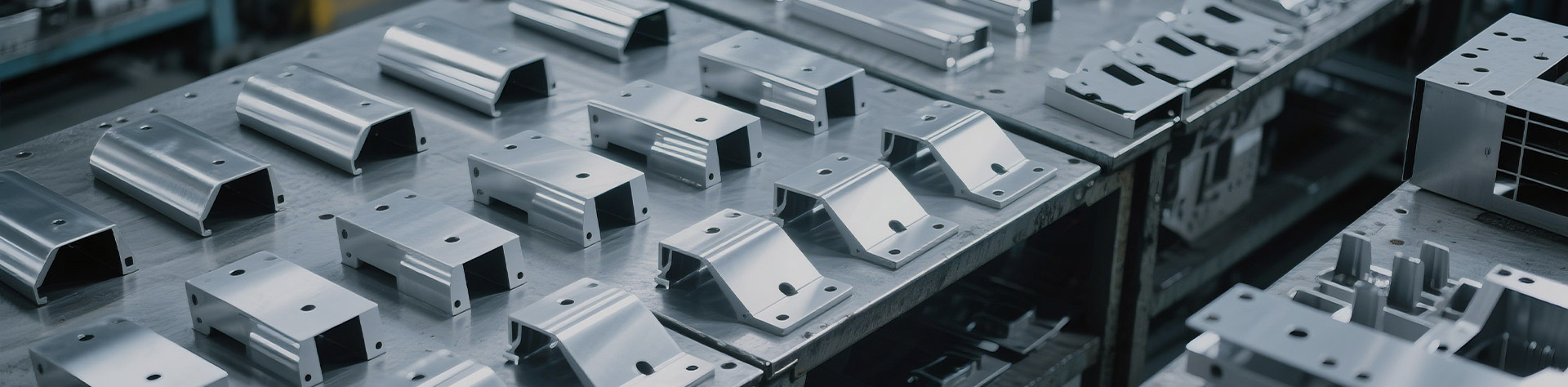
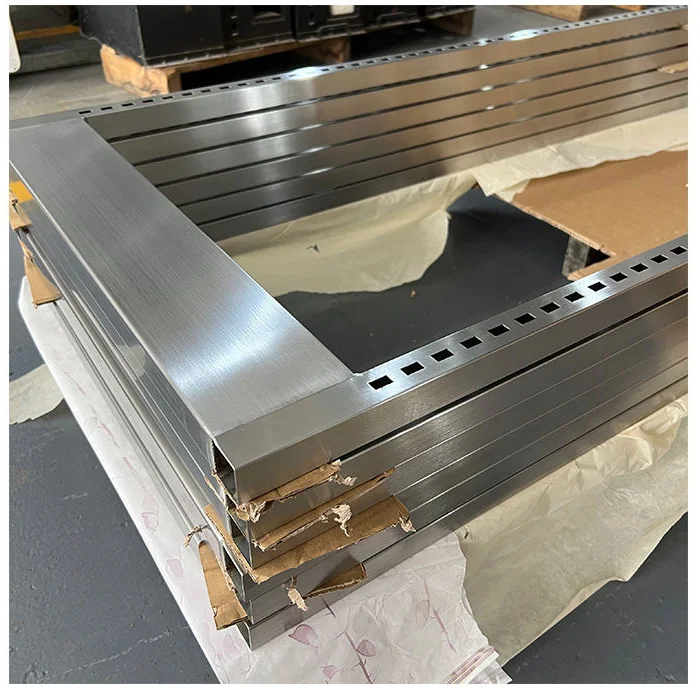
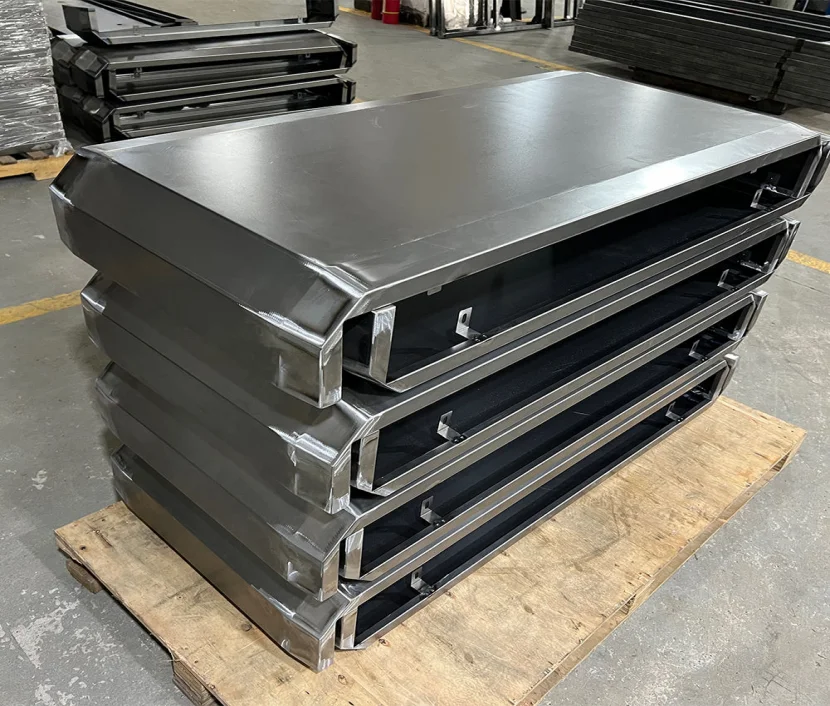
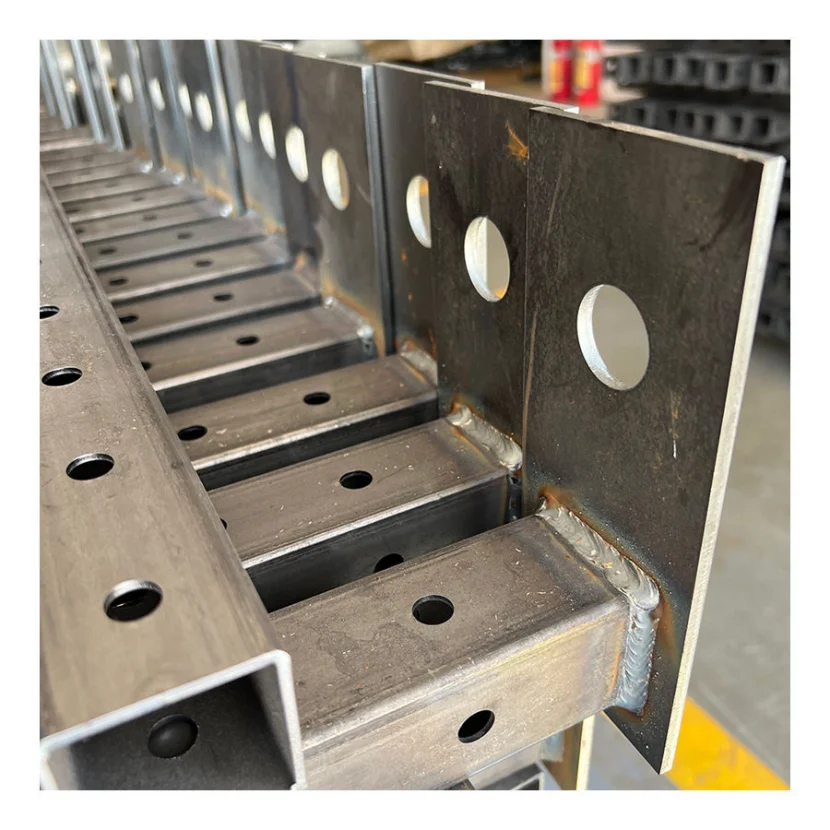
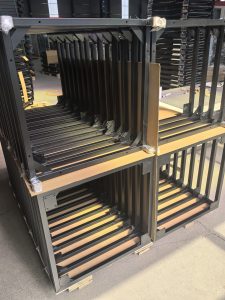
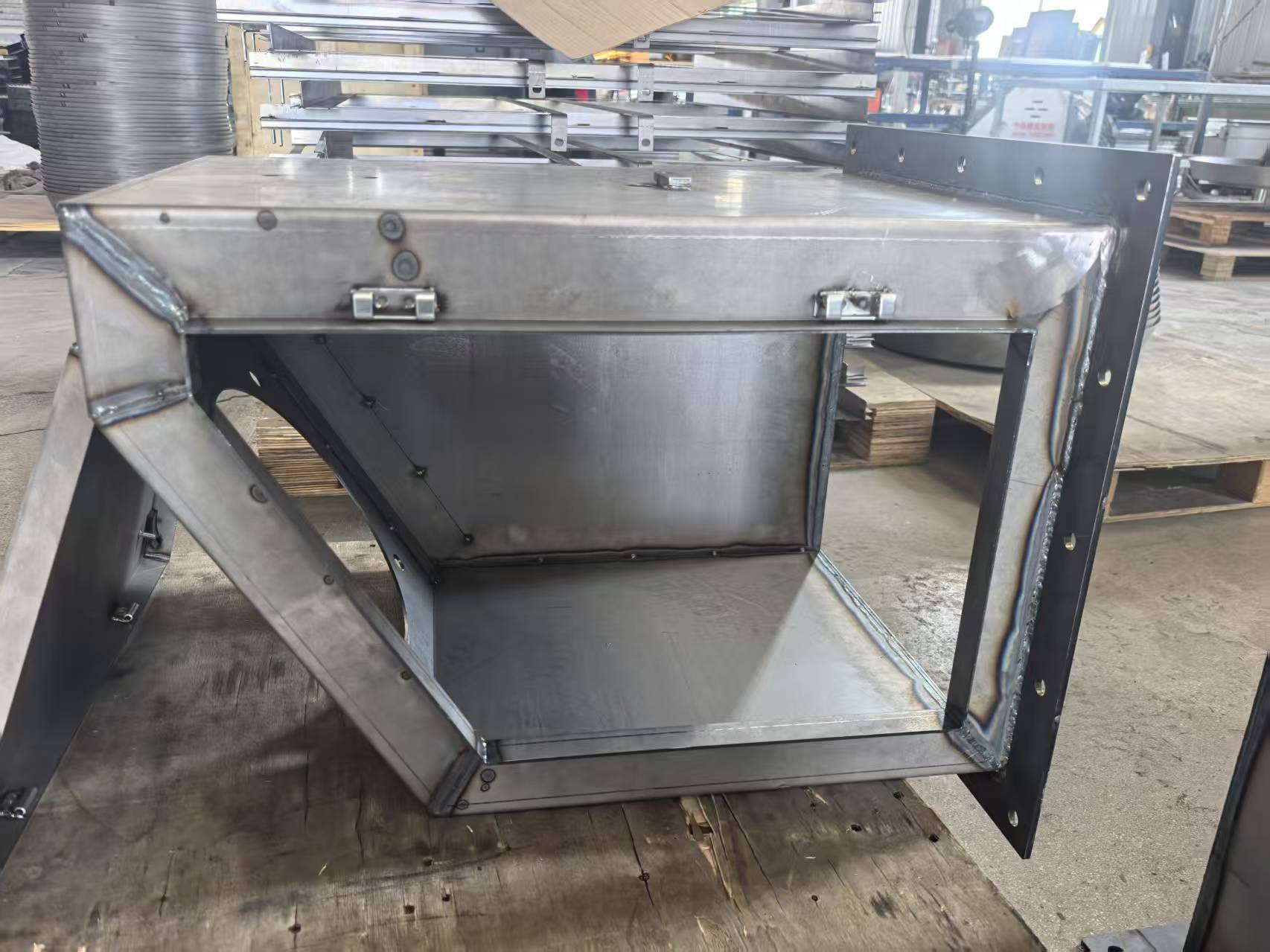
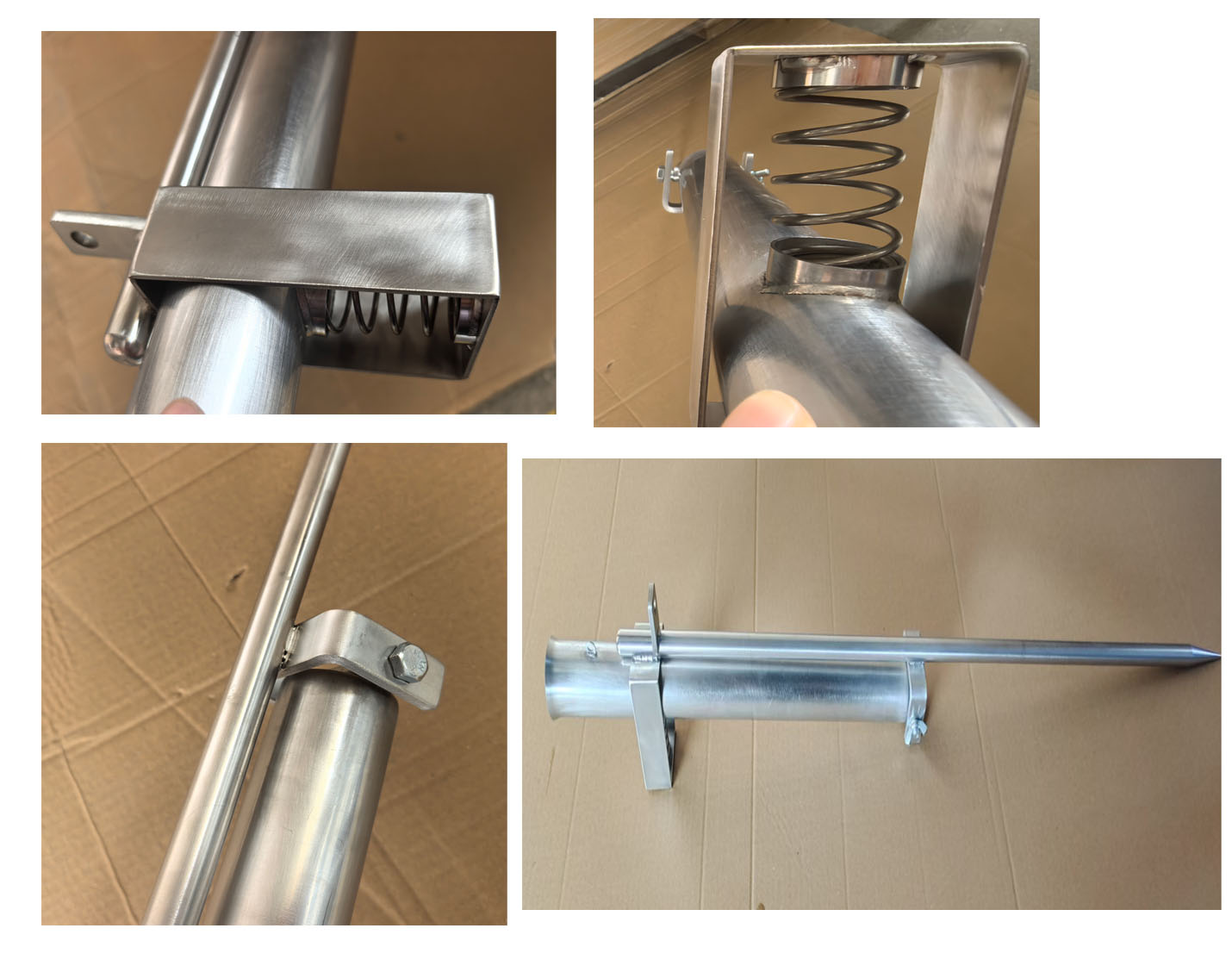
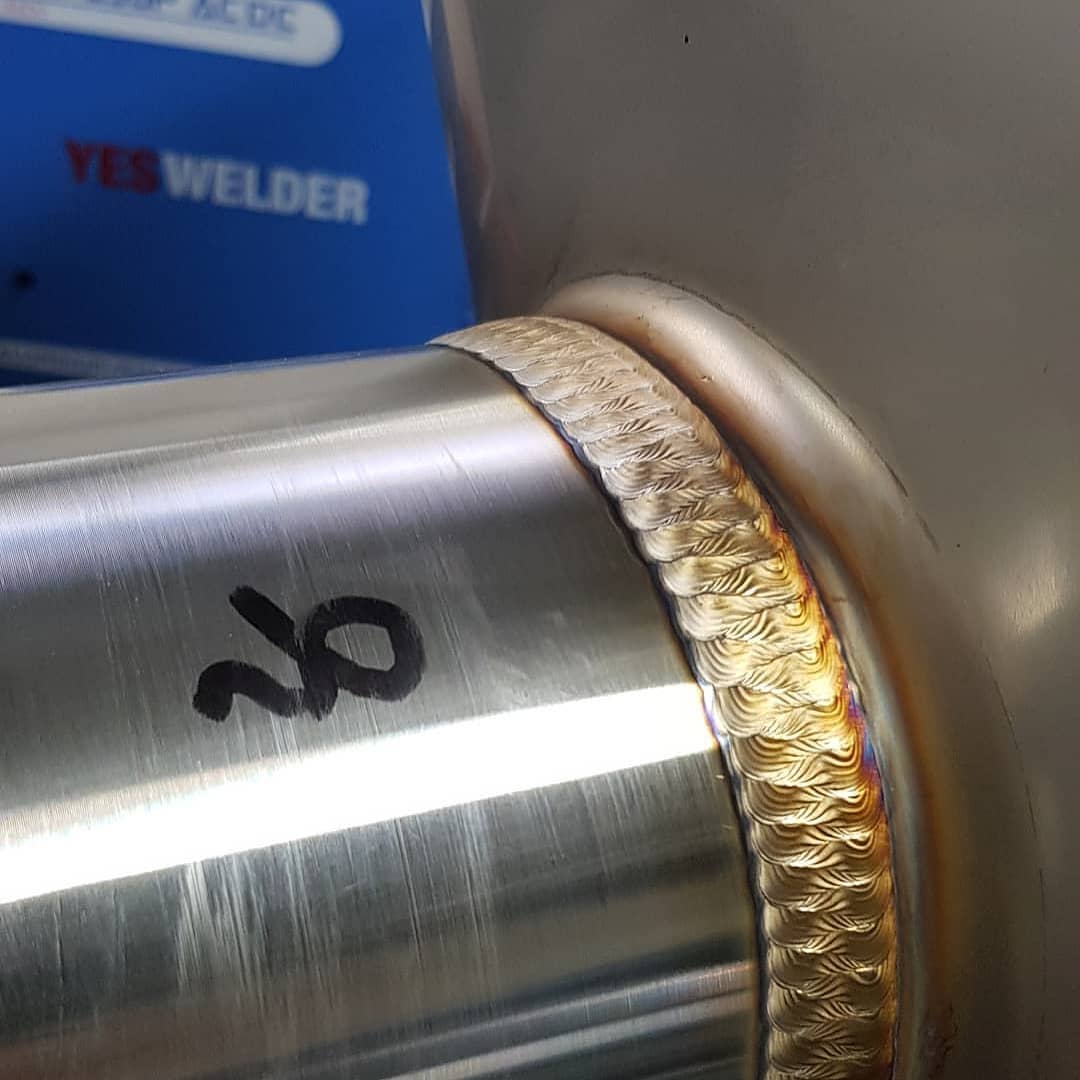
We provide a full range of precision metal fabrication services, including laser cutting, deburring, tapping, riveting, bending, welding, surface treatment, and painting. This allows us to support custom projects from raw material processing to finished part production.
How do you ensure the quality of custom sheet metal parts?
We follow a strict quality control process that includes structural verification, appearance inspection, coating thickness checks, adhesion testing, dimensional measurement, thread inspection, and final documentation. Each part is inspected before packaging and shipment.
Can you support custom one-off projects and small-batch production?
Yes. We support custom manufacturing for one-off prototypes as well as small-batch and volume production. Our team works from drawings and technical requirements to plan materials, processes, and lead time for each project.
Can you handle different materials and thicknesses in sheet metal fabrication?
Yes. We can work with different metal materials and thicknesses based on your drawings and project requirements. Suitable processes can be arranged for cutting, bending, welding, machining, and finishing to match the structure and use of the part.
Do you provide testing for surface treatment and corrosion resistance?
Yes. We can support quality checks related to surface treatment, including coating inspection, adhesion evaluation, and corrosion-resistance testing such as salt spray tests, helping ensure stable performance in practical applications.