product banner
Optimized Stainless Steel Sheet Metal Processing: Comprehensive Quality Control Protocol
Description :

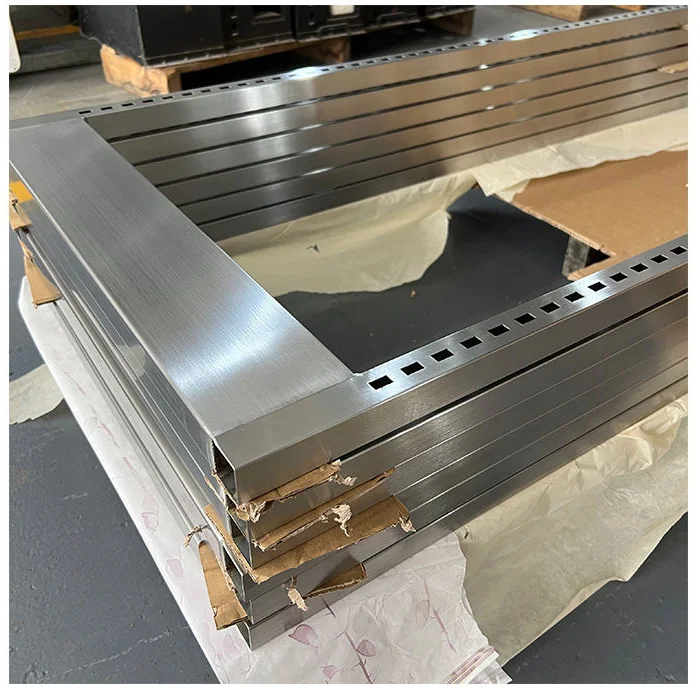
To make quality stainless steel products, control starts from the source.

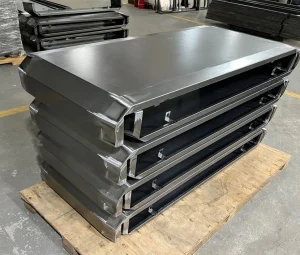
Keep protective films on during cutting and bending; use laser-cutting films if needed, and handle gently.

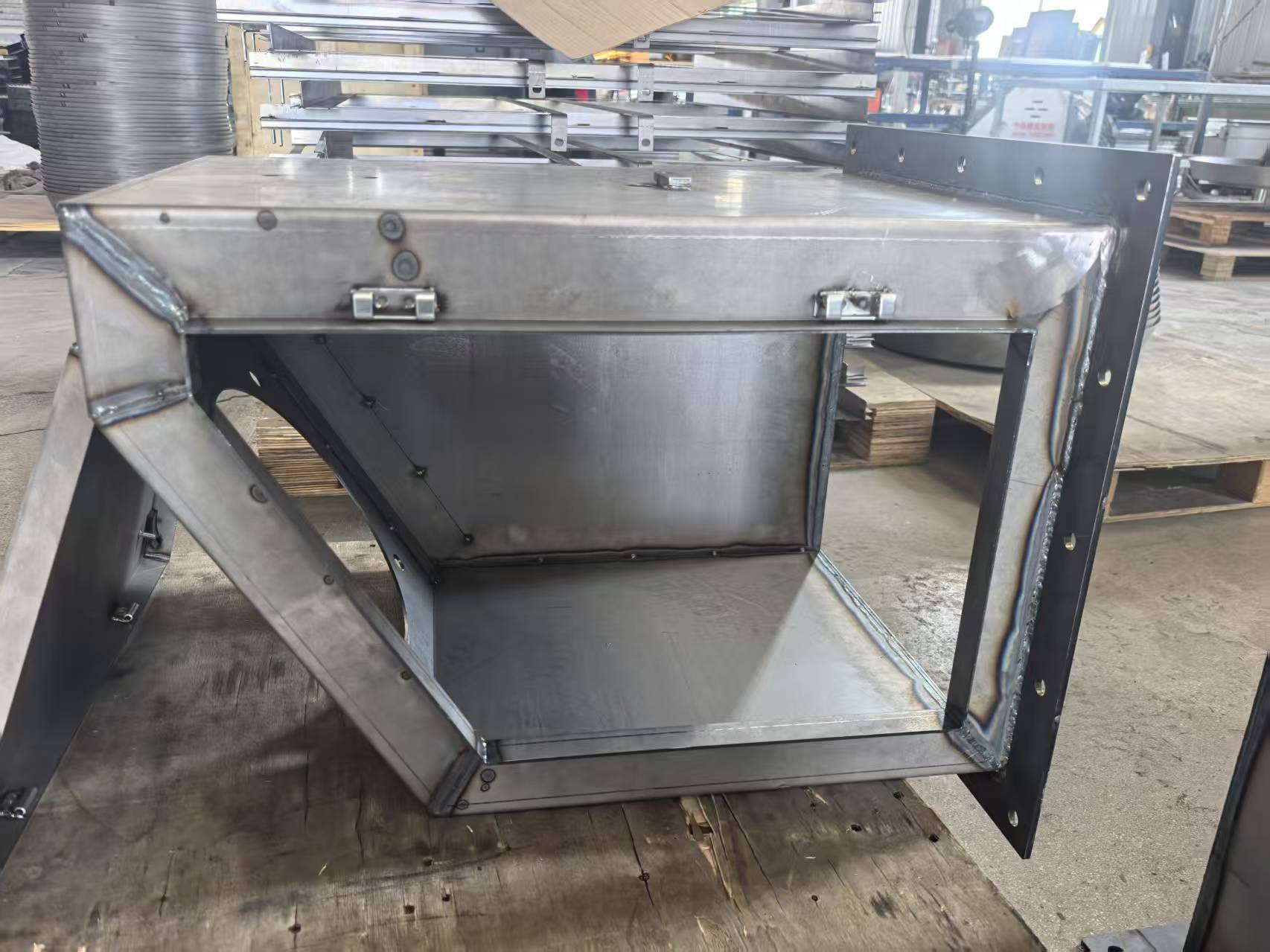
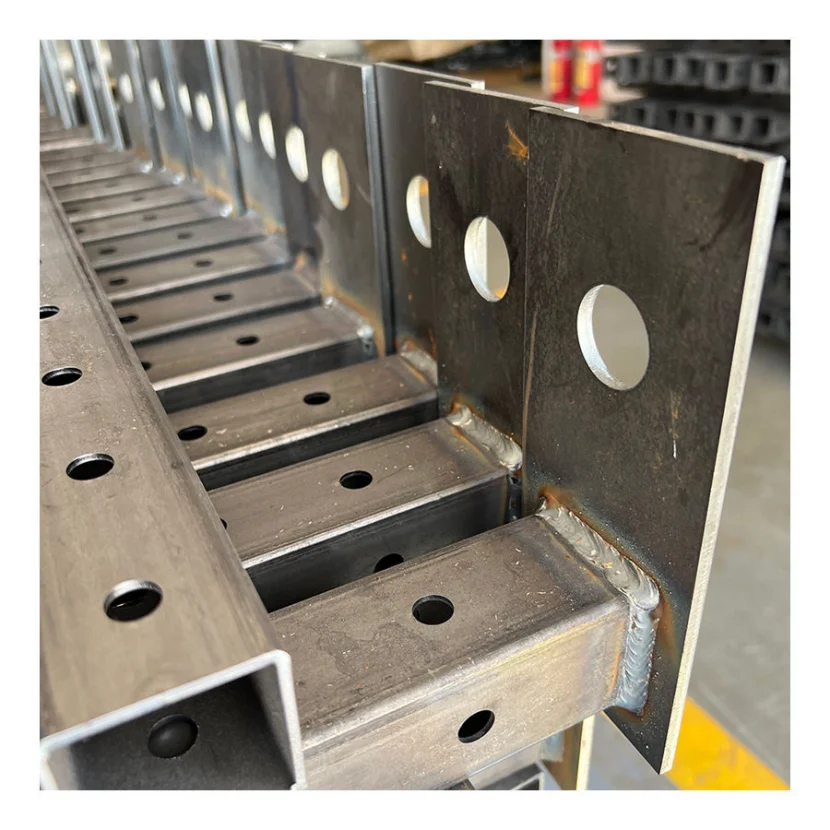
For welding, pad platforms to avoid scratches.

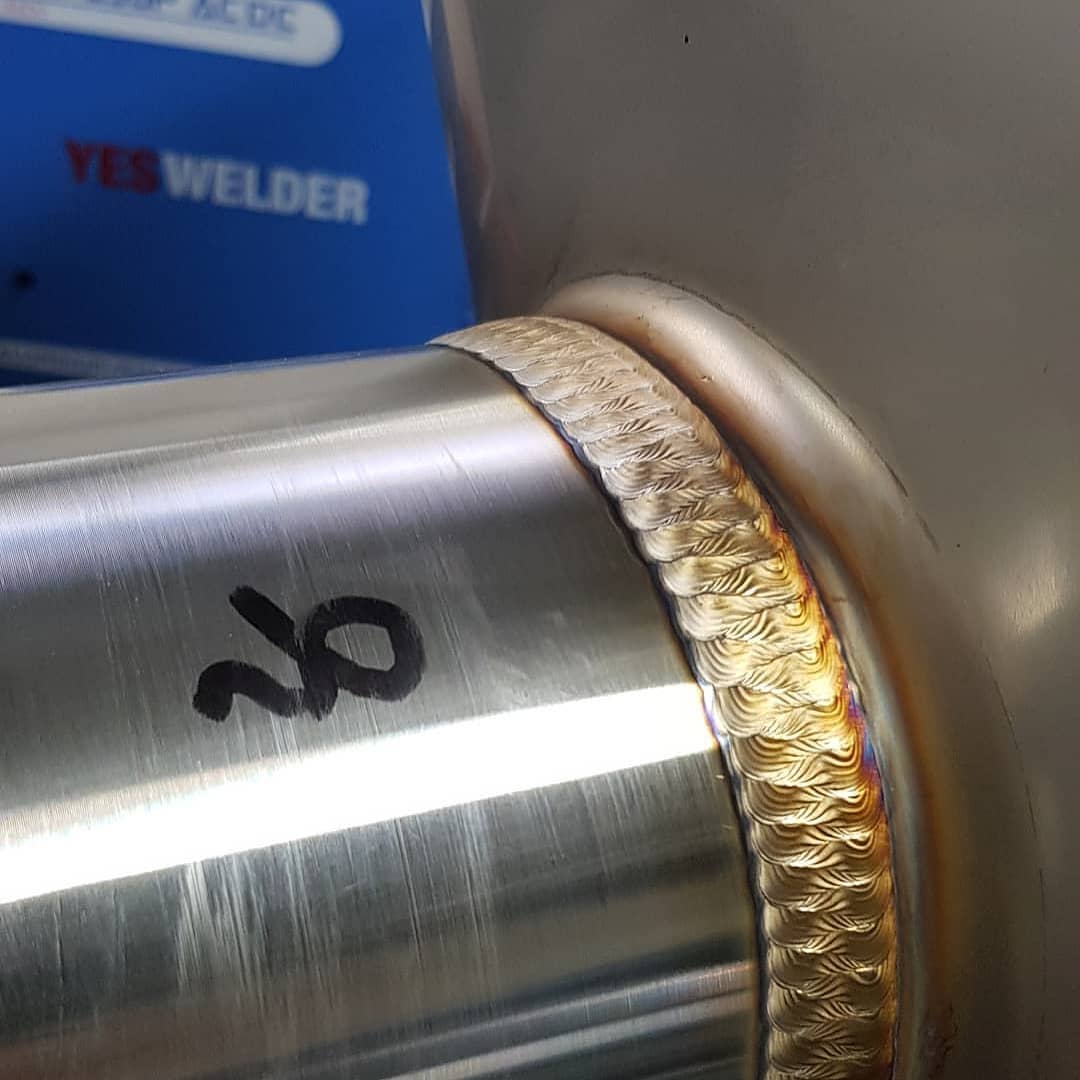
Laser welding reduces deformation, preventing post-polishing pits.

Many lack the right mindset, not skills.

Prior efforts matter more than late fixes.
Product Description:

1. Material Procurement & Logistics Management

Implement strict specifications for stainless steel procurement (Grade 304/316):                      image4Precision-Galvanized-Steel-Sheet-Metal-Fabrication-Assemble     

  • Protective film requirements:
    • 80μm PET film with UV resistance
    • Adhesion strength ≥1.5N/25mm (ASTM D3330)
  • Transportation protocols:
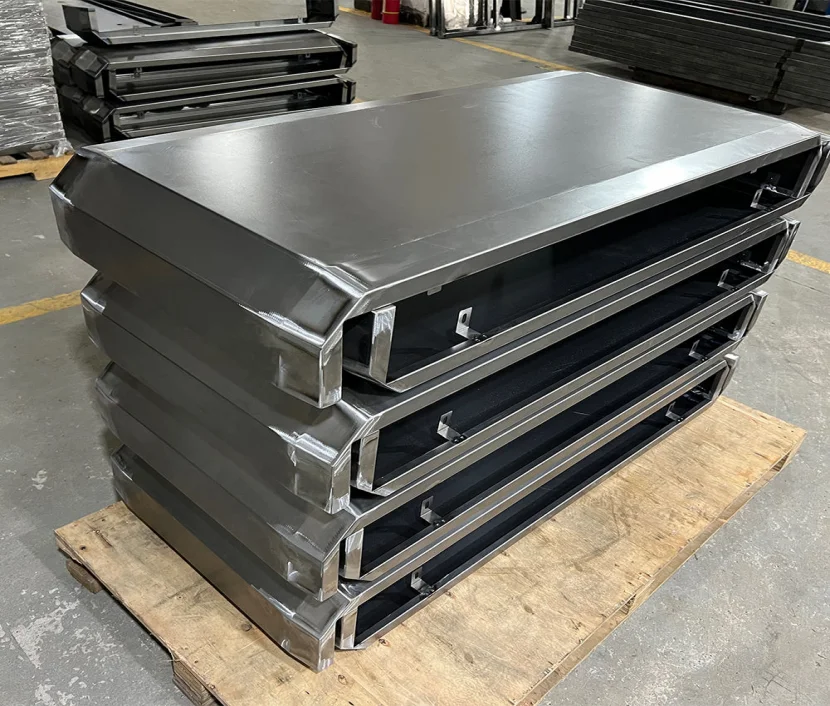
    • Dedicated rubber-lined transport vehicles
    • Interlayer protection with EPE foam (5mm thickness)
    • Maximum stacking height: 1.2m

2. Laser Cutting Process Optimization                                                  

2.1 Film Retention Techniques

  • Specialized laser-grade protective film:
    • Heat resistance: 200℃/10s exposure
    • Air-assist parameters: 0.3-0.5MPa
  • Edge weighting system:
    • Magnetic fixtures (N35 grade)
    • Vacuum clamping for thin gauges (<1.5mm)

2.2 Cutting Parameter Matrix

Thickness (mm) Power (W) Speed (mm/min) Gas Pressure (Bar)
0.8 1000 12 1.2
1.5 2000 8 1.5
3.0 4000 4

2.0


3. Bending Process Control

3.1 Material Handling Standards

  • Lifting equipment:
    • Vacuum lifters (0.8-1.2T capacity)
    • Edge protectors (Silicone rubber, Shore A50)
  • Tooling maintenance:
    • Daily VDI33 standard verification
    • R-angle tolerance: ±0.05mm

3.2 Bending Sequence Planning

  1. Internal bends first
  2. Small-radius bends (R<2t)
  3. Special features (hemming, offset)
  4. Final shape completion

4. Welding Quality Assurance

4.1 Workstation Setup

  • Welding platform requirements:
    • Ceramic fiber blankets (1260℃ rating)
    • Surface flatness: ≤0.5mm/m²
    • Periodic cleaning (Every 4 hours)

4.2 Welding Technique Selection

Thickness (mm) Welding Method Parameters
0.8-1.2 Laser Welding 150-300W pulsed
1.5-3.0 TIG Welding 60-100A DCEN
>3.0 MIG Welding 18-22V


4.3 Deformation Control Measures                                                                image3-Metal-Fabrication

  • Fixture design:
    • 3D-printed jigs (Inconel 718)
    • Water-cooled copper backing
  • Welding sequence:
    • Symmetrical skip welding
    • Maximum continuous weld length: 50mm

5. Surface Protection System

5.1 Post-Weld Treatment

  • Grinding sequence:
    1. 80-grit flap disc (Remove weld reinforcement)
    2. 120-grit fiber disc (Smooth surface)
    3. Scotch-Brite finishing (DA sander, 3000rpm)

5.2 Final Surface Requirements

  • Surface roughness: Ra ≤0.8μm (ISO 4287)
  • Visual standards:
    • No visible scratches (60W LED inspection)
    • Consistent grain direction (20° viewing angle)

6. Process Verification

6.1 Quality Checkpoints

  1. Incoming material inspection (ASTM A480)
  2. First-article verification (3D scanning)
  3. In-process monitoring (Every 10 pieces)
  4. Final audit (AQL 1.0 sampling)

6.2 Key Metrics

  • Protective film integrity: ≥95% coverage
  • Surface defect rate: <0.5%
  • Dimensional accuracy: ±0.15mm

7. Continuous Improvement

  • Implement 5S methodology:
    • Specialized storage racks (304 stainless)
    • Color-coded tool management
  • Employee training:
    • Monthly technical workshops
    • Certification program (AWS D1.6)

This comprehensive approach ensures stainless steel products meet industrial aesthetics while maintaining structural integrity. By focusing on preventive measures rather than post-processing corrections, manufacturers can reduce rework costs by 40-60% and improve production efficiency by 25%. The integration of advanced technologies like laser welding and intelligent fixturing represents the future of precision sheet metal fabrication

Leave a Message

If you are interested in any product, please contact us. We will introduce our products to you in more detail

FAQ

  • What manufacturing techniques do you offer for custom metal parts?

    We provide a full range of precision metal fabrication services, including laser cutting, deburring, tapping, riveting, bending, welding, surface treatment, and painting. This allows us to support custom projects from raw material processing to finished part production.

  • How do you ensure the quality of custom sheet metal parts?

    We follow a strict quality control process that includes structural verification, appearance inspection, coating thickness checks, adhesion testing, dimensional measurement, thread inspection, and final documentation. Each part is inspected before packaging and shipment.

  • Can you support custom one-off projects and small-batch production?

    Yes. We support custom manufacturing for one-off prototypes as well as small-batch and volume production. Our team works from drawings and technical requirements to plan materials, processes, and lead time for each project.

  • Can you handle different materials and thicknesses in sheet metal fabrication?

    Yes. We can work with different metal materials and thicknesses based on your drawings and project requirements. Suitable processes can be arranged for cutting, bending, welding, machining, and finishing to match the structure and use of the part.

  • Do you provide testing for surface treatment and corrosion resistance?

    Yes. We can support quality checks related to surface treatment, including coating inspection, adhesion evaluation, and corrosion-resistance testing such as salt spray tests, helping ensure stable performance in practical applications.