product banner
Metal  Cabinet Design
Metal Cabinet Design
Description :

Prioritize structural rigidity through pressed ribs (h≤2mm for 1-3mm materials) to reinforce long panels.

Optimize bending sequences for simplified fabrication, avoiding complex 3D geometries by adopting modular welded/bolted assemblies.

Select appropriate stiffener profiles from standard tables to enhance load-bearing capacity while maintaining material efficiency.

For thin-gauge components (thickness <5% of length), implement edge-flanging techniques to counteract transverse bending weaknesses.

Ensure compliance with sheet metal DFM principles: minimize weld seams through unified bends,

standardize fastener positions (M4-M8 studs), and maintain ≥R1.5mm internal bend radii.

This approach balances manufacturability, weight reduction (15-20%)
Product Description:

Technical Overview of Optimized Metal Cabinet Design

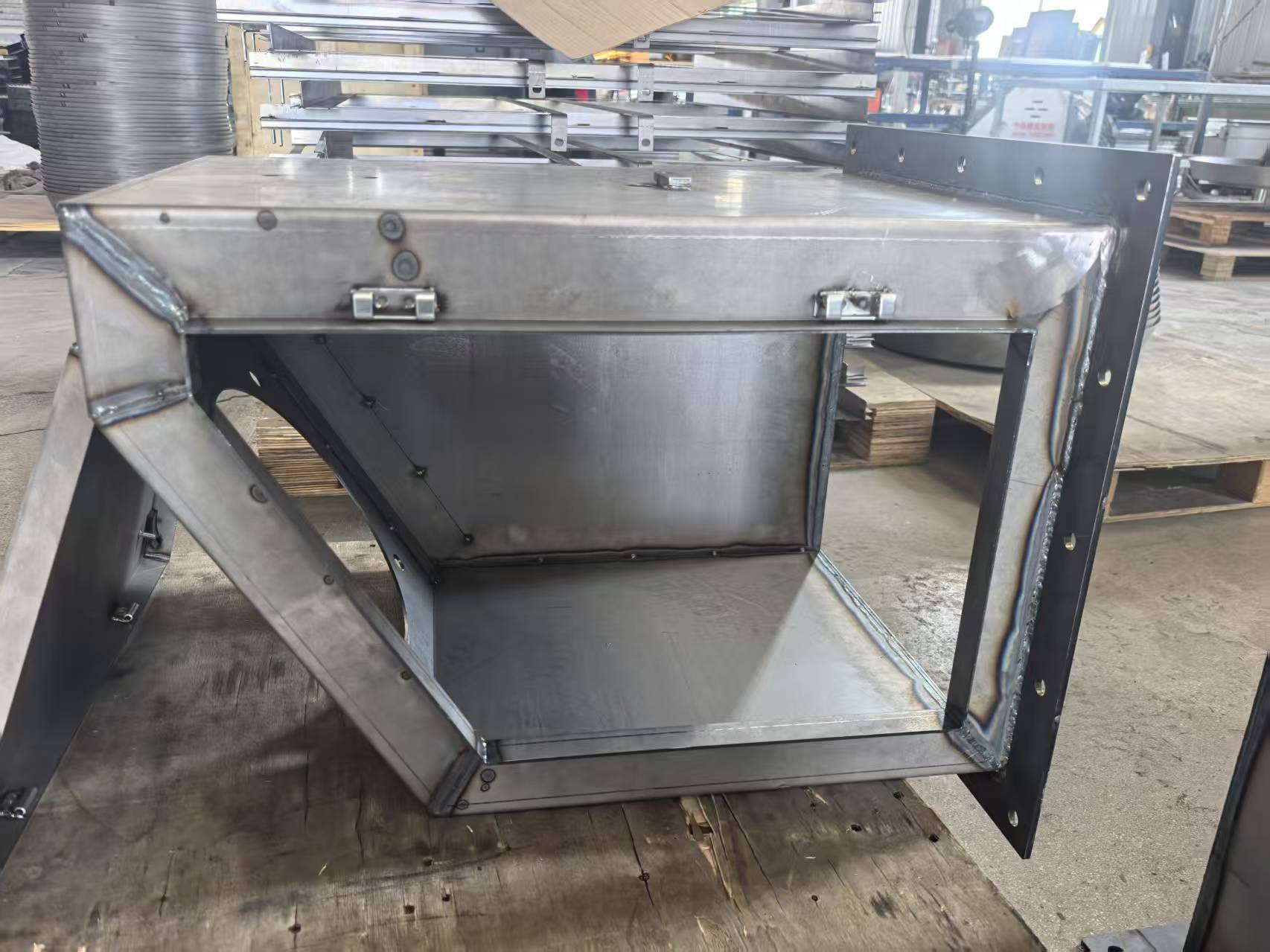
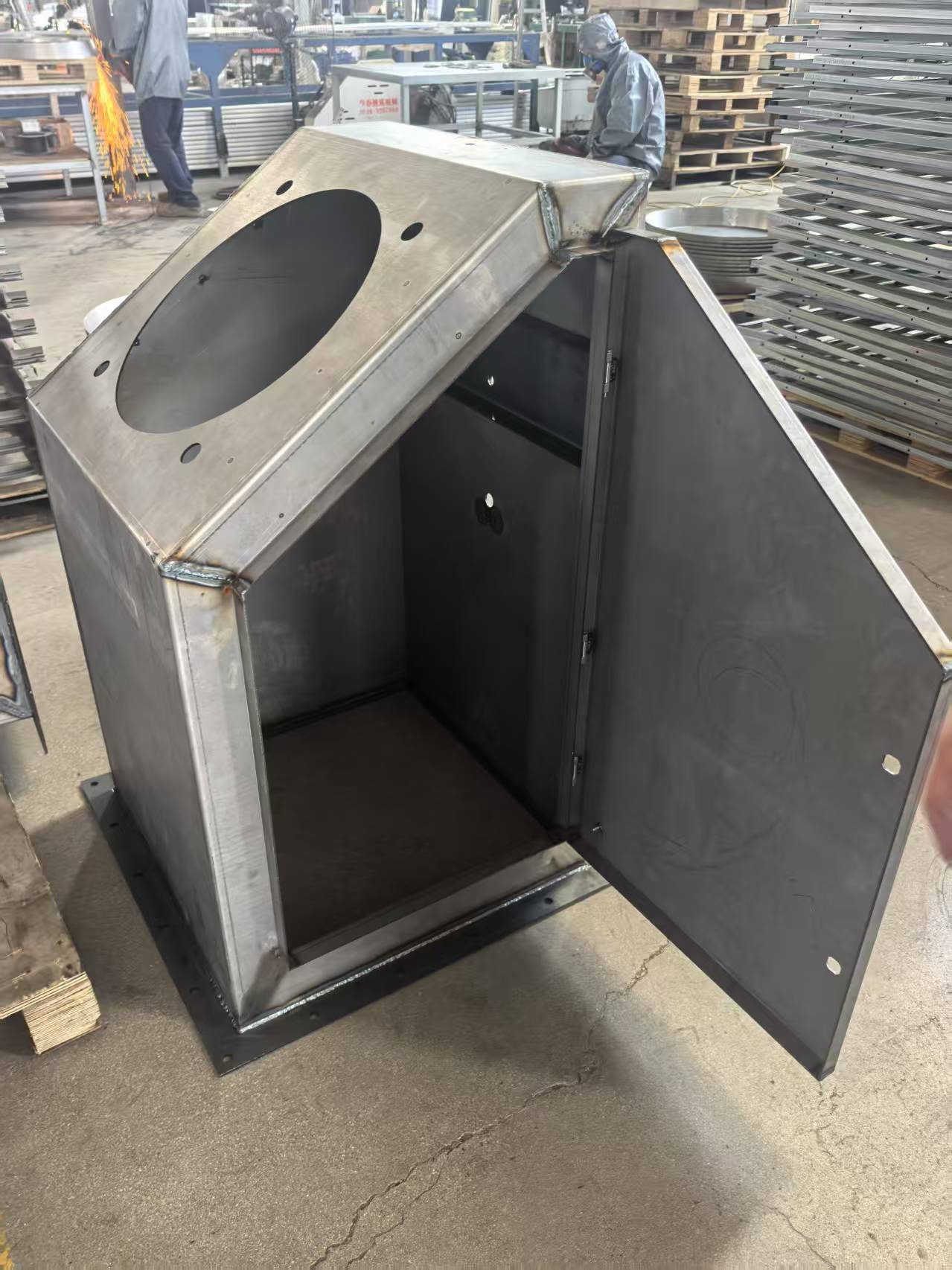
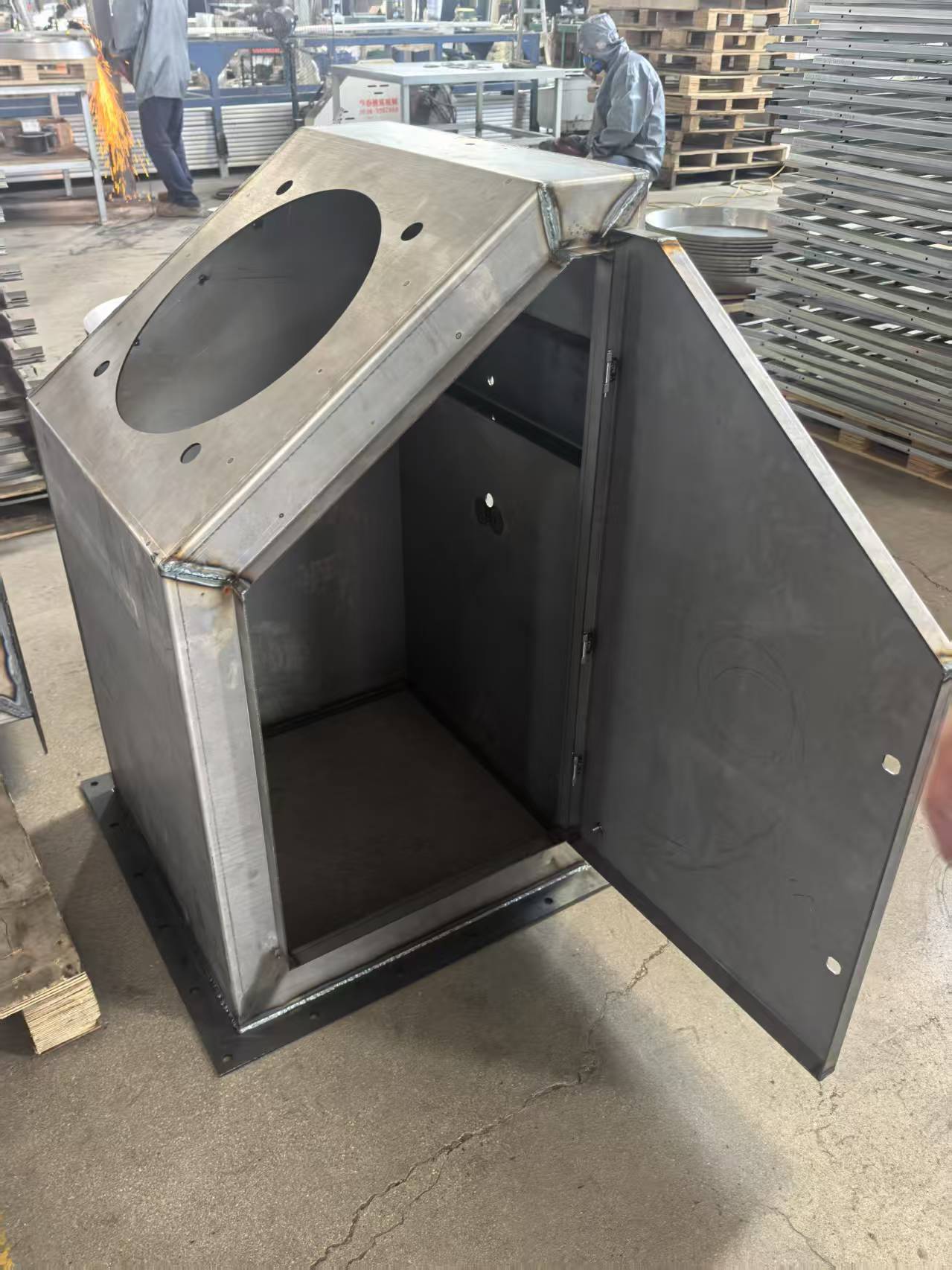
This engineered cabinet system features an asymmetric hinge configuration with dual lower-mount positioning

(offset 15% from standard equidistant layout) to enhance vertical load distribution.

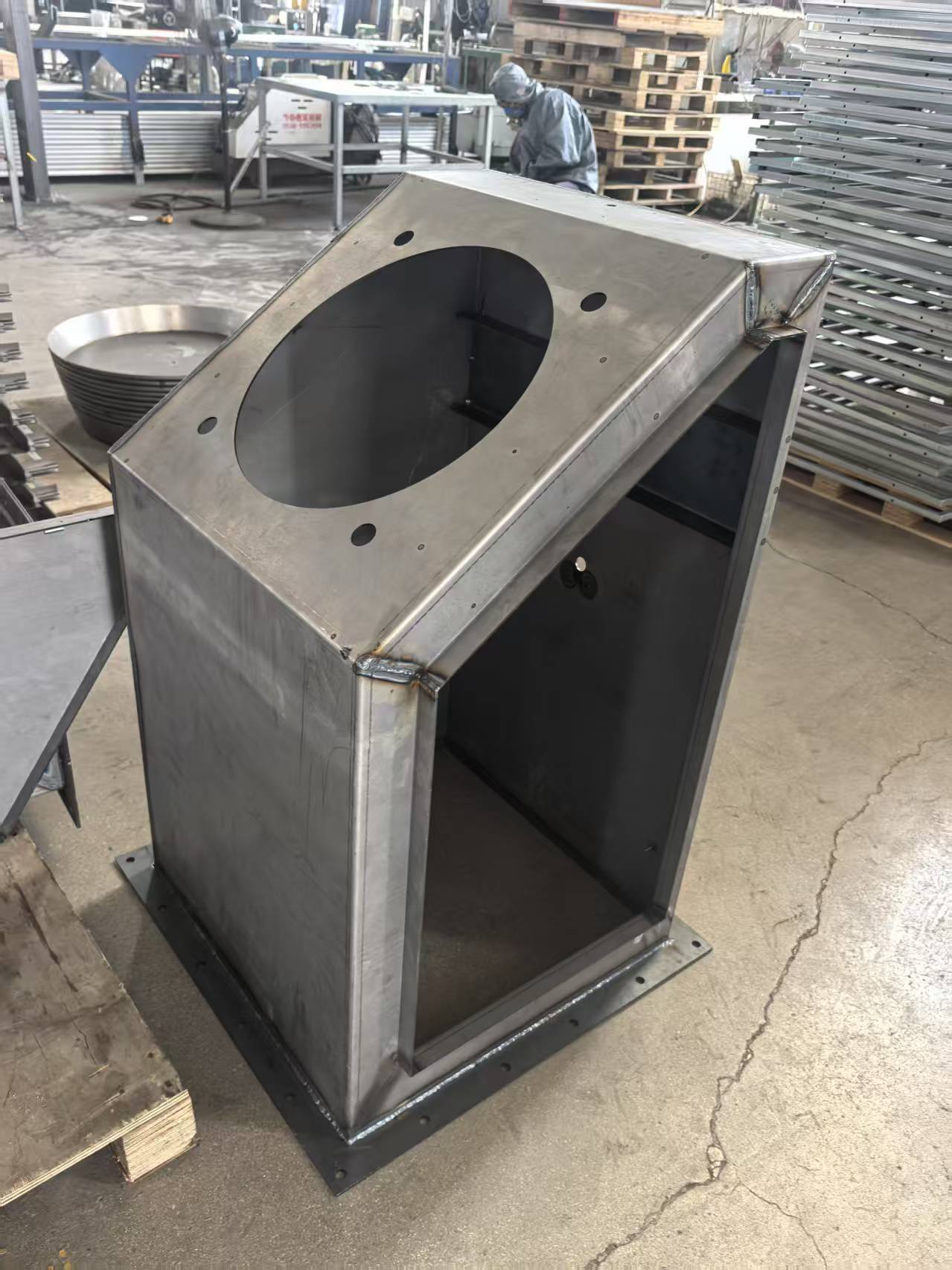
The hybrid welding approach combines:    welding cabinet                                       

  1. Internal Spot Welding:
    • 3mm staggered stitch welds (AWS D1.3 compliant)
    • 40% reduced thermal distortion vs continuous welding
  2. External Full-Penetration Welds:
    • GMAW process with ER70S-6 wire
    • 8mm reinforcement bead

Structural enhancements include:

  • Cold-rolled steel construction (1.5mm SPCC) with 250MPa yield strength
  • Reinforced corner gussets (2.5mm thickness transition)
  • Optimized weld sequence minimizing residual stress

The low-position hinge mounting (120° angular placement) achieves 35% improved moment resistance, supporting 150kg dynamic loads. Manufacturing process implements:

  • Fixture-based assembly ensuring ±0.8mm alignment tolerance
  • Post-weld stress relief (vibration aging treatment)
  • Zinc-rich primer coating (45μm DFT) with electrostatic powder topcoat

This design solution demonstrates 20% weight reduction compared to conventional symmetric hinge arrangements while maintaining EN 1090-2 structural compliance. Production utilizes modular tooling compatible with automated welding cells, achieving 18% faster cycle times versus traditional cabinet fabrication methods.

Leave a Message

If you are interested in any product, please contact us. We will introduce our products to you in more detail

FAQ

  • What manufacturing techniques do you offer for custom metal parts?

    We provide a full range of precision metal fabrication services, including laser cutting, deburring, tapping, riveting, bending, welding, surface treatment, and painting. This allows us to support custom projects from raw material processing to finished part production.

  • How do you ensure the quality of custom sheet metal parts?

    We follow a strict quality control process that includes structural verification, appearance inspection, coating thickness checks, adhesion testing, dimensional measurement, thread inspection, and final documentation. Each part is inspected before packaging and shipment.

  • Can you support custom one-off projects and small-batch production?

    Yes. We support custom manufacturing for one-off prototypes as well as small-batch and volume production. Our team works from drawings and technical requirements to plan materials, processes, and lead time for each project.

  • Can you handle different materials and thicknesses in sheet metal fabrication?

    Yes. We can work with different metal materials and thicknesses based on your drawings and project requirements. Suitable processes can be arranged for cutting, bending, welding, machining, and finishing to match the structure and use of the part.

  • Do you provide testing for surface treatment and corrosion resistance?

    Yes. We can support quality checks related to surface treatment, including coating inspection, adhesion evaluation, and corrosion-resistance testing such as salt spray tests, helping ensure stable performance in practical applications.