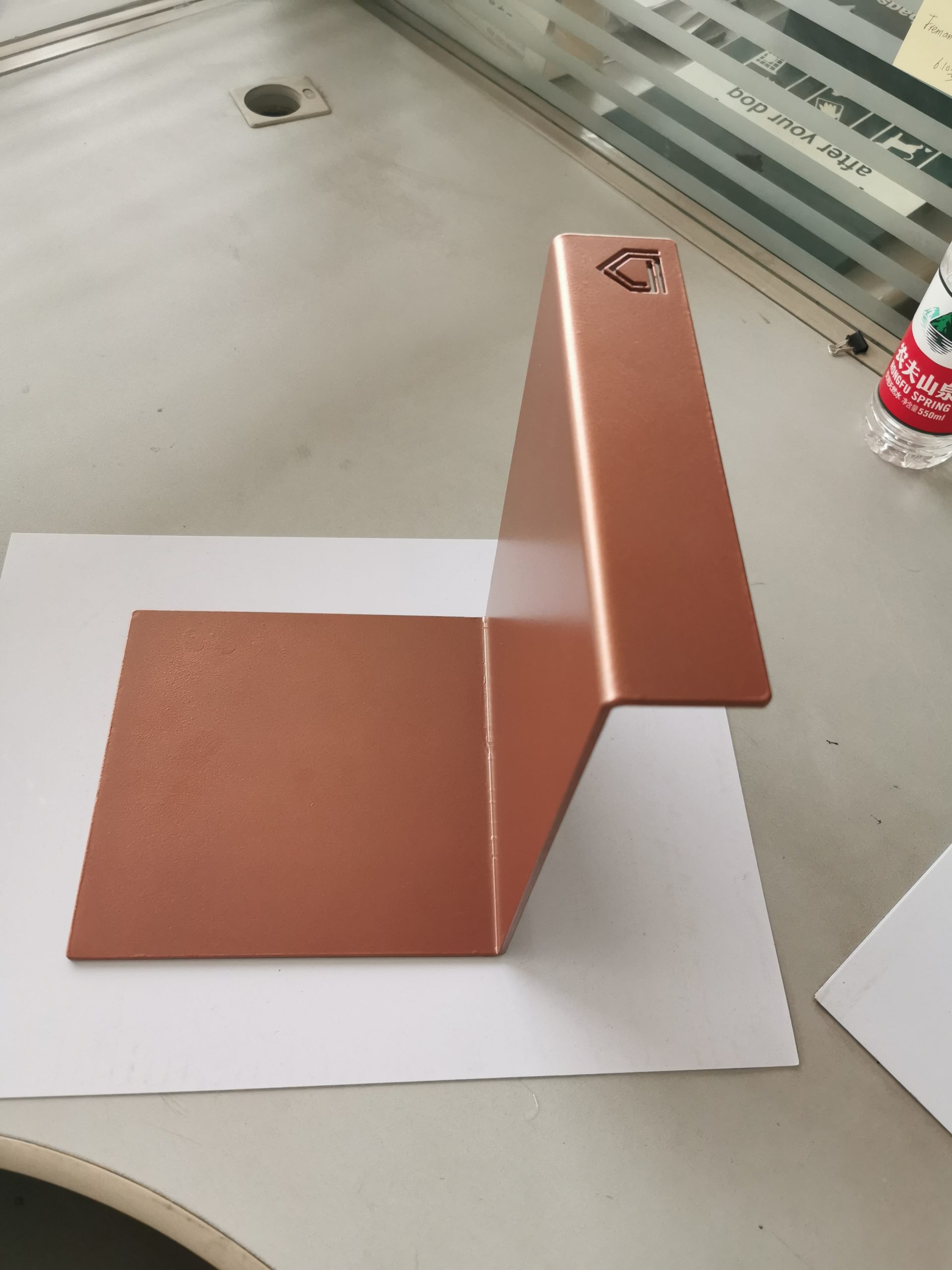
product banner
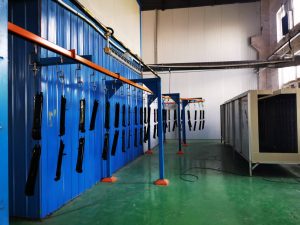
Common Problems in Spray Painting
Description :

Surface preparation is the “foundation” of coating quality.​ Neglecting surface preparation makes it impossible to achieve a durable, high-quality coating,

even when using the most expensive paints and advanced spraying equipment.

It is often stated that over 70% of coating failures originate from incorrect or insufficient surface preparation.

Therefore, sufficient attention must be paid to the surface preparation stage in any spray painting project.
Product Description:
Causes of Defects:
  1. Incorrect Paint Formulation:​ The component ratio during paint mixing is wrong. For example, insufficient pigment is added, resulting in poor hiding power.
  2. Improper Application Parameters:​ The paint’s application viscosity is too low, leading to an overly thin film. Alternatively, the paint was not stirred thoroughly before use, or the specified film thickness was not achieved.
  3. Complex Substrate Geometry:​ It is easy to miss areas when coating complex-shaped objects if not done carefully.
  4. Color Mismatch:​ Significant color difference between the primer and topcoat can exacerbate coverage issues.


Solutions & Preventive Measures:

  1. Use Qualified Paint:​ Use paint with good hiding power. If necessary, blend the defective paint with a qualified paint of the same color and type in a specific ratio, or simply select a paint with stronger hiding power.
  2. Adjust Application Parameters:​ Appropriately increase the paint’s application viscosity. Ensure thorough stirring before use, and apply the coating to achieve the specified film thickness.
  3. Careful Application:​ Pay close attention during application on complex objects to ensure no areas are missed.
  4. Color Coordination:​ Try to use primer and topcoat colors that are similar to each other, or use a primer color that is similar to the substrate’s color.


powder coating

Leave a Message

If you are interested in any product, please contact us. We will introduce our products to you in more detail

FAQ

  • What manufacturing techniques do you offer for custom metal parts?

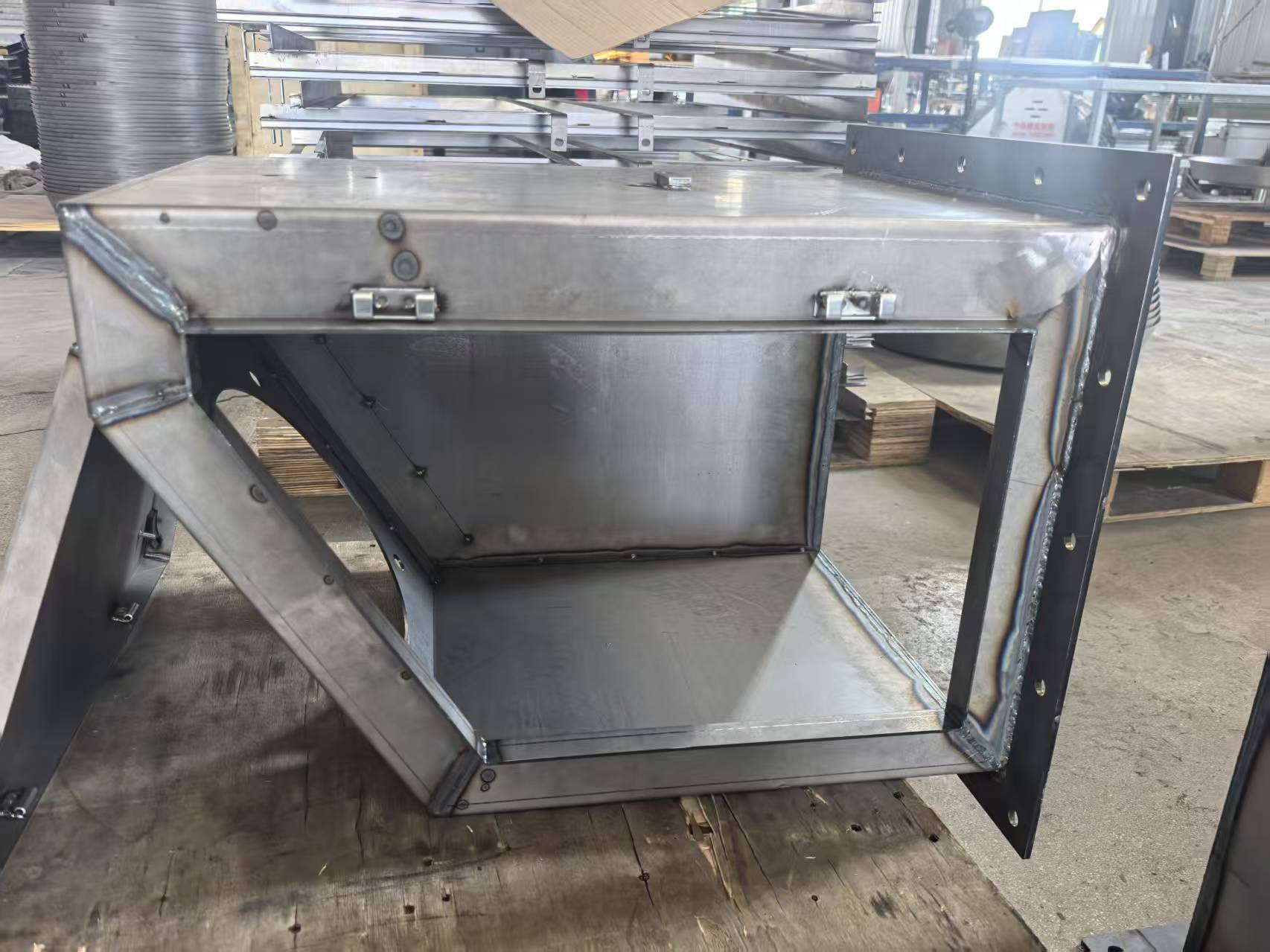
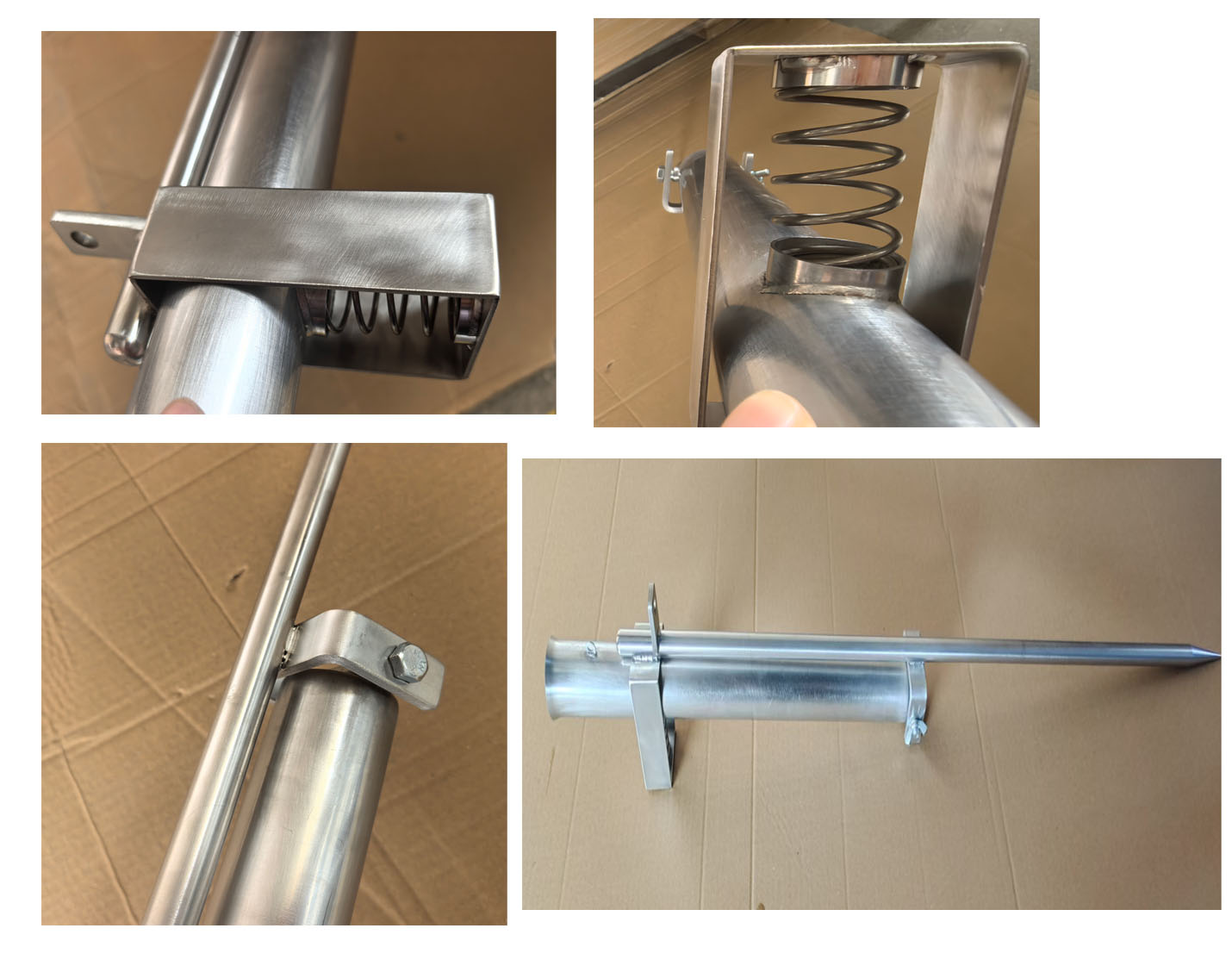
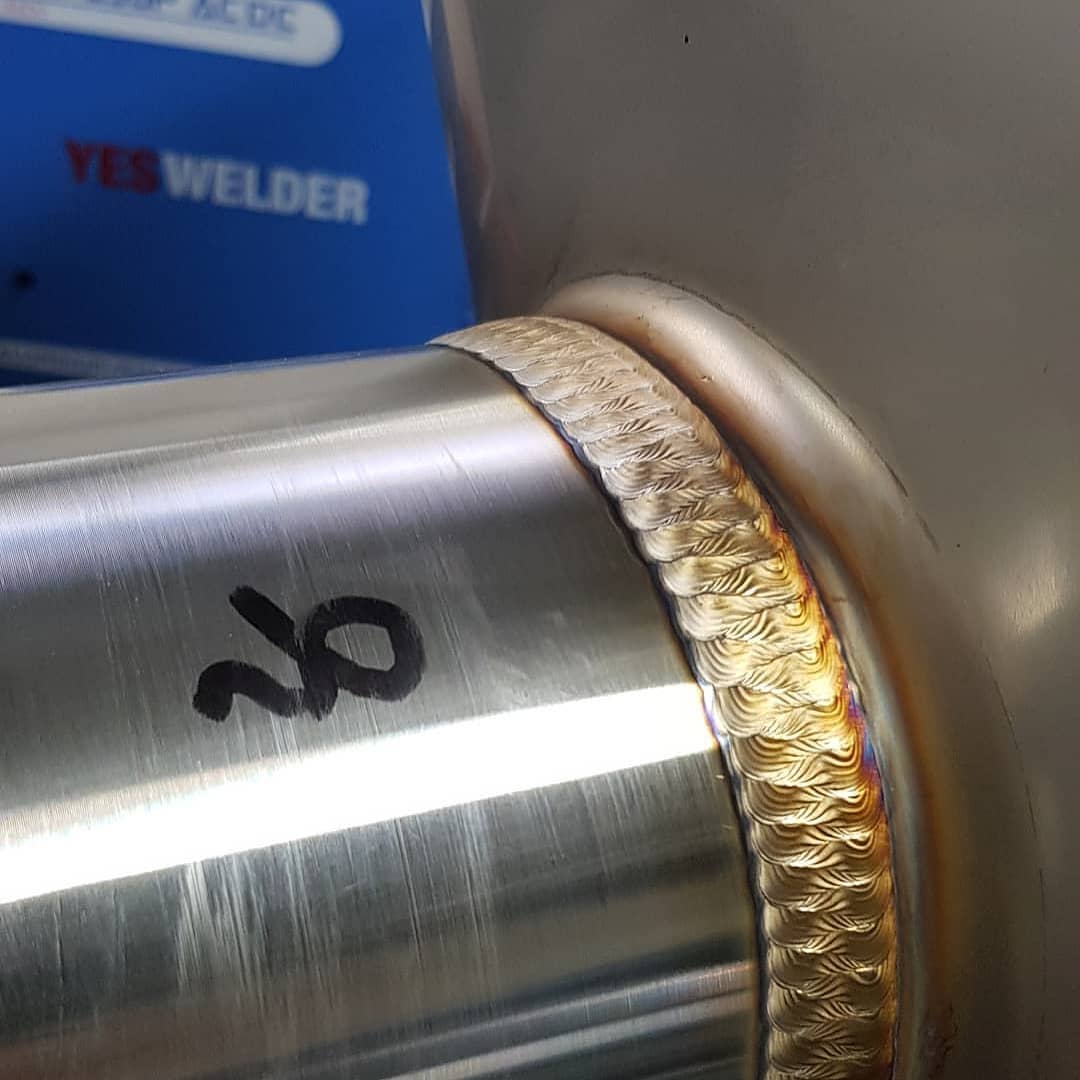
    We provide a full range of precision metal fabrication services, including laser cutting, deburring, tapping, riveting, bending, welding, surface treatment, and painting. This allows us to support custom projects from raw material processing to finished part production.

  • How do you ensure the quality of custom sheet metal parts?

    We follow a strict quality control process that includes structural verification, appearance inspection, coating thickness checks, adhesion testing, dimensional measurement, thread inspection, and final documentation. Each part is inspected before packaging and shipment.

  • Can you support custom one-off projects and small-batch production?

    Yes. We support custom manufacturing for one-off prototypes as well as small-batch and volume production. Our team works from drawings and technical requirements to plan materials, processes, and lead time for each project.

  • Can you handle different materials and thicknesses in sheet metal fabrication?

    Yes. We can work with different metal materials and thicknesses based on your drawings and project requirements. Suitable processes can be arranged for cutting, bending, welding, machining, and finishing to match the structure and use of the part.

  • Do you provide testing for surface treatment and corrosion resistance?

    Yes. We can support quality checks related to surface treatment, including coating inspection, adhesion evaluation, and corrosion-resistance testing such as salt spray tests, helping ensure stable performance in practical applications.