
Painting vs Plating: Key Differences in Cost & Quality
Time : Nov 20, 2025 View : 214
When it comes to metal parts, surface finishing is way more than just looks. The right finish can boost rust protection, toughness, and even how well it works in tough spots. For folks buying or designing metal stuff, a big question pops up:
Should I go with paint or plating for my pieces?
Both have good points and prices, and picking the wrong one can mean early rust, wasted cash, or crappy performance. This guide looks at paint versus plating to help you pick smart for your next job.
At Deshibo, we focus on sheet metal work and offer both paint and plating fixes for factory clients all over the world.
What Is Painting in Metal Fabrication?
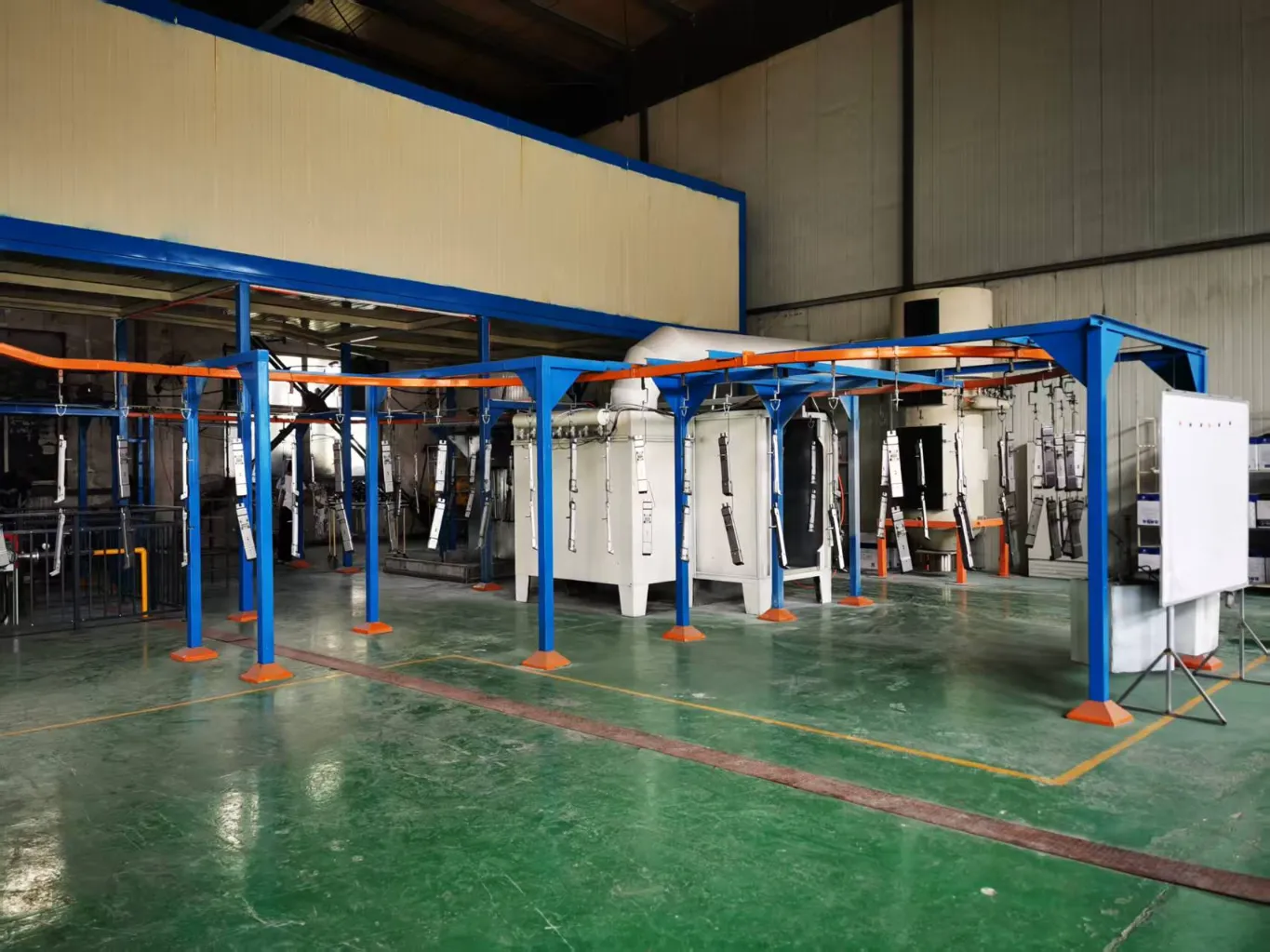
Painting, which often means powder coating or wet spray, is a super common way to finish surfaces in metal making. It starts with cleaning the top. Then you add a base coat. Next, you spray on paint or powder. Finally, you bake it at the right heat.
Advantages of Painting
-
Cheaper start up price: Paint usually costs less for small or mid-size orders.
-
Lots of color choices: You can pick nearly any shade or feel, like shiny, flat, or bumpy.
-
Quick finish time: The steps are simple and often faster than plating, great for rush jobs.
Limitations
-
Okay toughness: Paint can chip, flake, or fade after a while, especially outside or in wet air.
-
Needs touch ups: Painted bits might need a new coat after some years.
-
Not the best rust block: Paint is more like a cover than a tight bond, unlike plating.
Painting fits best for inside stuff, control boxes, cabinets, and pretty metal bits where looks count most.
What Is Plating?
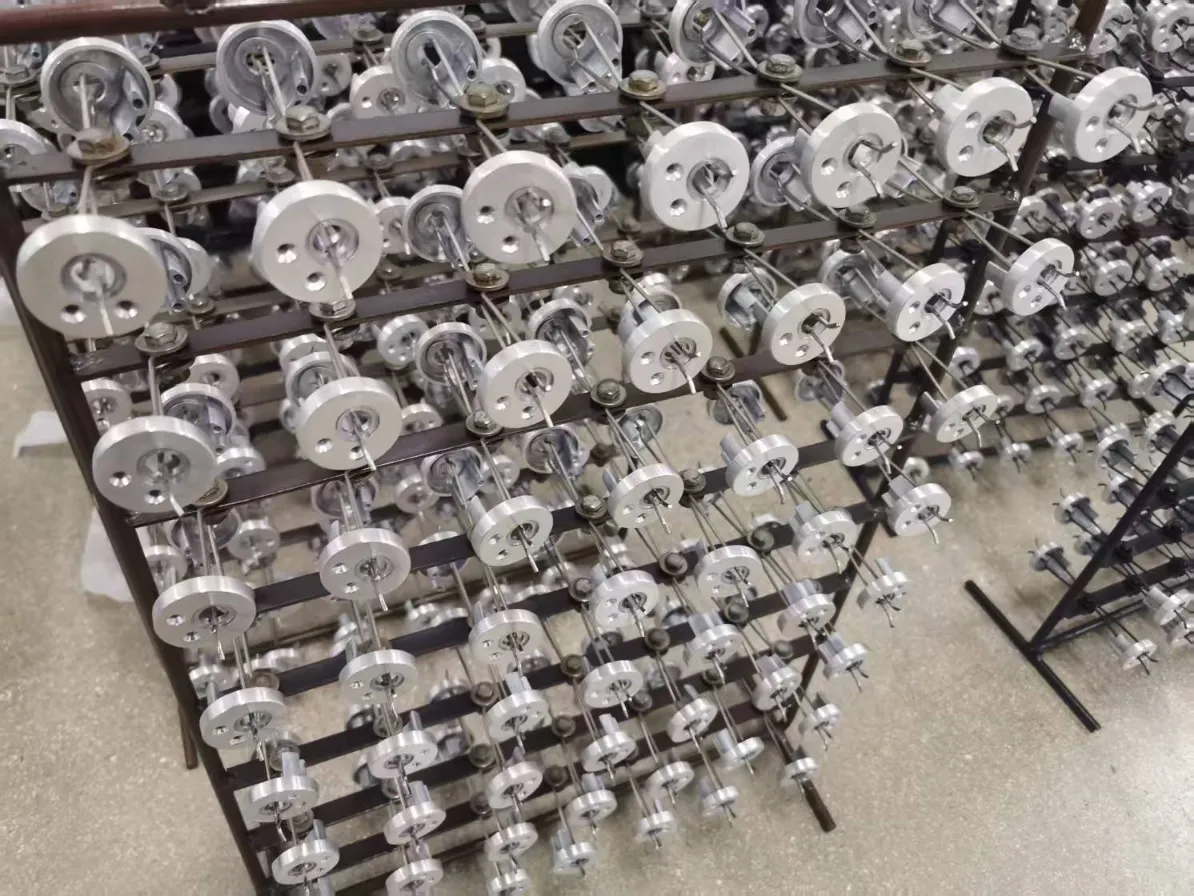
Plating means putting a skinny layer of metal—like zinc, nickel, or chrome—onto another metal. You can do it with electric current, hot dip, or chemical baths, based on the stuff and what you need.
Advantages of Plating
-
Top notch rust fight: The added metal blocks air and water, keeping the base safe from rot.
-
Harder top: Plating makes things tougher against scratches and rubbing.
-
Good for electricity: Some types, like nickel or gold, work great for wires and gadgets.
Limitations
-
Bigger price tag: Plating has extra steps, gear, and green rules.
-
Few color picks: Most plated tops look metal—silver, gold, or shiny chrome.
-
Tricky to control: You need spot on heat, mixes, and time for good results.
Plating gets used a lot for car parts, gadget cases, and outside frames where lasting power matters big time.
Cost Comparison: Painting vs Plating
| Factor | Painting | Plating |
| Initial Cost | Lower | Higher |
| Durability | Medium | High |
| Maintenance | Repainting may be required | Minimal |
| Appearance | Many color and texture options | Metallic shine |
| Best for | Indoor or decorative parts | Outdoor or heavy duty use |
Paint is often easier on the wallet for quick or tight budget jobs, especially when looks are key. Plating, though, gives better bang for your buck over years for bits that face water, salt, or factory grit.
Think of it like this:
Paint saves cash now.
Plating saves cash later.
Quality and Performance Comparison
Quality isn’t only about shiny surfaces—it’s how it holds up in real life.
Here’s how paint and plating stack up in big ways:
Rust fight: Plating bonds tight and beats rust way better than paint. For beach or outside use, plating takes the win easy.
Stick and even cover: Paint needs a super clean base to grip well, but plating lays down a smooth metal skin.
Scratch and wear toughness: Plating, think nickel or chrome, has harder skin, perfect for moving parts or sliders.
Looks: Paint lets you go wild with colors for brand or style, while plating gives a crisp, high end metal glow.
At Deshibo, we do both paint and plating with tough checks. We run stick tests, salt fog blasts, and thickness checks so every piece hits the mark.
How to Choose the Right Finish for Your Project
Picking between paint and plating hinges on a few real things:
-
Where it works – Outside, sea, or damp spots need rust busters like plating.
-
Cash & how long it lasts – For cheap or short use items, paint wins on price.
-
Stuff & shape – Some metals, like aluminum, like powder or anodize, but steel often takes plating fine.
-
Look needs – Want a certain shade or feel? Grab paint. Like a pro metal vibe? Pick plating.
If you’re not sure what fits your piece, talk to a metal pro. A tiny switch in finish can change cost and how well it works a bunch.
Conclusion
Both paint and plating are key players in sheet metal work. Paint brings flex and pretty looks for less money, but plating brings unbeatable guard and long life. At Deshibo, we get that each job is different.
Need powder for boxes or zinc for frames? Our team can suggest the top pick based on your use, spot, and cash goal.
Call to Action
Hunting for a solid sheet metal maker with pro finish options? Hit up Deshibo now for smart tips, design help, or a free quote in 24 hours. Your next job needs a finish that sticks around.
FAQ
Q: What is the main cost difference between painting and plating?
Painting has lower initial costs, ideal for small or budget jobs, while plating is pricier due to complex steps and equipment.
Q: Which finish offers better rust protection?
Plating provides top-notch rust resistance by bonding a metal layer that blocks air and water, far outperforming paint.
Q: When should I choose painting over plating?
Opt for painting in indoor, decorative, especially for control boxes or cabinets on tight budgets.
Q: What are the durability advantages of plating?
Plating delivers high scratch resistance, wear toughness, and longevity, making it perfect for outdoor, heavy-duty, or corrosive environments like automotive parts or marine frames.
Q: How does appearance differ between the two?
Painting offers endless color and texture options for branding, while plating provides a professional metallic shine in limited shades like silver, gold, or chrome.
