
Mechanical Properties of Materials: A Complete Guide
Time : Feb 28, 2026 View : 52
When picking the best metal for a job—like sheet metal manufacturing, structural steel fabrication, or cold formed metal framing—knowing about mechanical traits is not just nice to have. It is key. These traits show how a material acts when you push, pull, or bend it. In the end, they decide if your design works well, stays safe, and saves money.
Understanding Mechanical Properties of Materials
What Mechanical Properties Represent
Mechanical properties are traits you can measure. They describe how stuff reacts to pushes and pulls. This covers things like power, bounce-back, toughness, and stretchiness. Basically, they tell builders what a material can take. Will it bend, snap, squash, or spring back in certain spots?
These traits matter a lot when you pick materials for parts that carry weight or face shakes, warmth, or rubbing. For example, a spring needs good bounce-back. But a support beam must stay firm and strong.
Importance in Industrial Applications
In factory settings, mechanical properties link straight to how reliable and safe a product is. Parts in planes or cars must handle ongoing stress without wearing out. On the other hand, gadgets for everyday use focus on stretchiness and ease of shaping for tricky builds.
Good methods should use little material, few steps, basic mold designs, long-lasting tools, and steady item quality. This idea fits well in structural steel fabrication and cold formed metal framing. There, steady traits across big groups are vital.
Key Mechanical Properties Explained
Hardness
Hardness shows how well a material fights scratches or dents on its surface. People test it with ways like Brinell, Rockwell, or Vickers. For instance, Rockwell uses a steel ball or diamond tip to check how deep it goes into the material under weight.
Toughness
Toughness gets mixed up with strength sometimes, but it stands apart. It tells how much force a material can soak up before it breaks. A fragile pottery piece might be strong yet not tough. It shatters fast under quick hits. Metals like steel give a nicer mix.
Elasticity
Elasticity means going back to the first shape after a bend. Springs and seals count on this to work right. If a spring fails to snap back, it can’t do its task.
Plasticity
Plasticity lets materials change shape for good without cracking. This makes metals like aluminum great for shaping jobs.
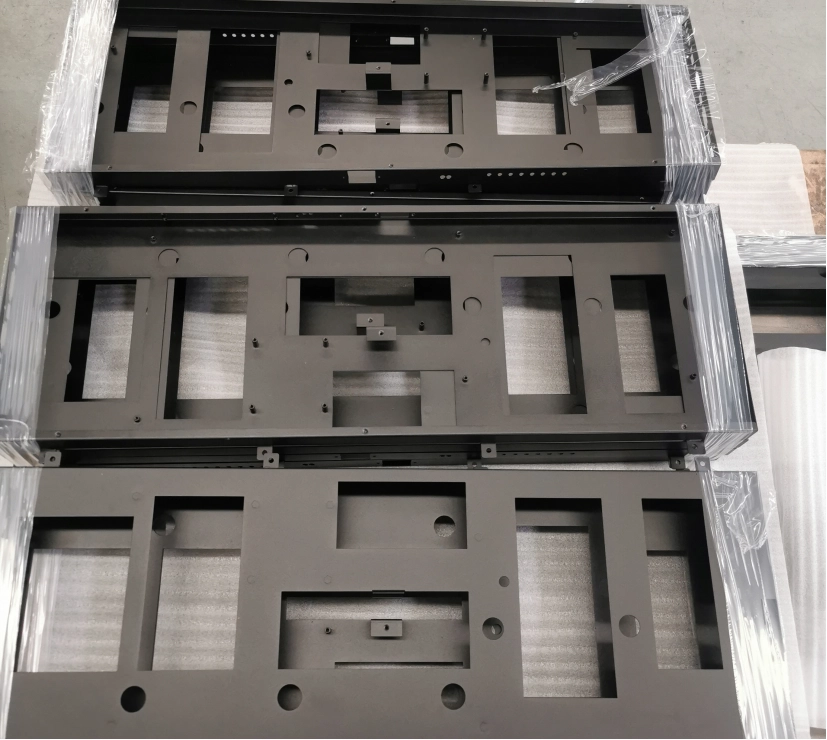
Sheet metal is metal by nature. But it has a thin size due to its shape. So, ways to work on sheet metal parts have their own special sides.
Malleability
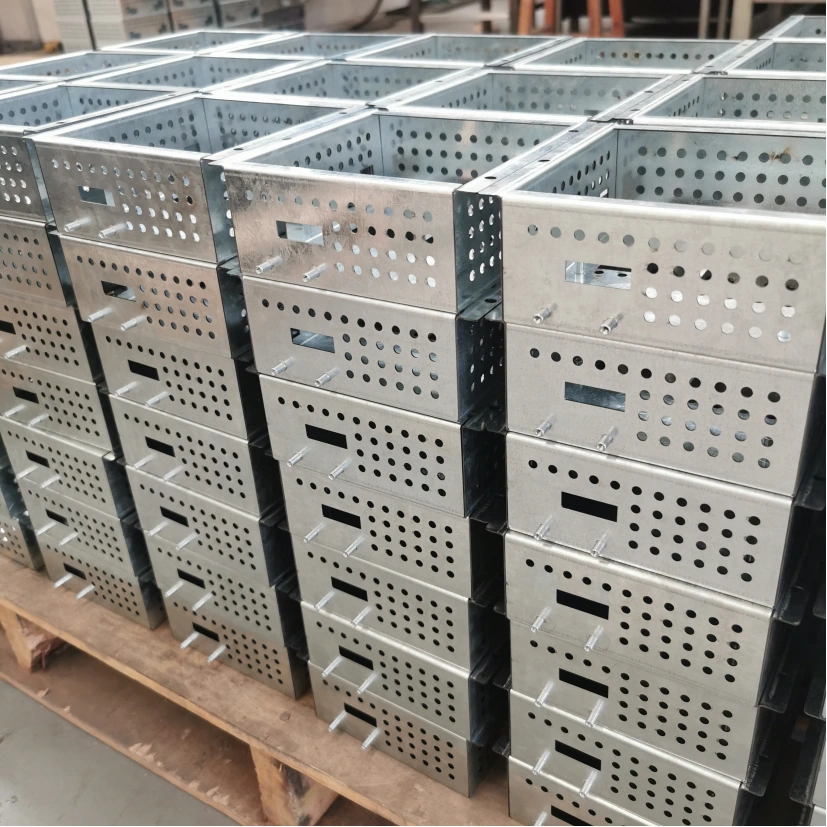
Malleability is about how a material can get hammered or rolled into slim sheets. It plays a big role in things like sheet metal boxes or car body parts.
Stiffness
Stiffness checks how much a material fights bending that snaps back. It ties to Young’s Modulus. A stiffer item bends less under load. This matters in support frames.
Ductility
Ductile materials can get pulled into wires without snapping. You measure this by how much it stretches or shrinks in area during pull tests.
Resilience
This trait shows how much force a material can take in its bounce-back range and let go when you remove the load. It suits parts that soak up shocks, like cushions.
Strength
Strength is the top stress a material can handle before it gives out. It covers pull strength, push strength, slide strength, and yield strength where lasting bends start.
Fatigue Resistance
Fatigue resistance shows how a material lasts under back-and-forth loads over time. It counts a lot in spinning machines and plane parts.
Brittleness
Brittle materials break with little lasting bend. Unlike stretchy ones, they snap all at once. Glass is a common case.
Machinability
Machinability rates how easy it is to cut or form a material with tools. Things like hardness, heat flow, and chip making all affect it.
Creep Resistance
Creep resistance gets important at hot spots under steady stress. Think of turbine blades or motor pieces.
Mechanical Properties in Sheet Metal Fabrication
Influence on Fabrication Techniques
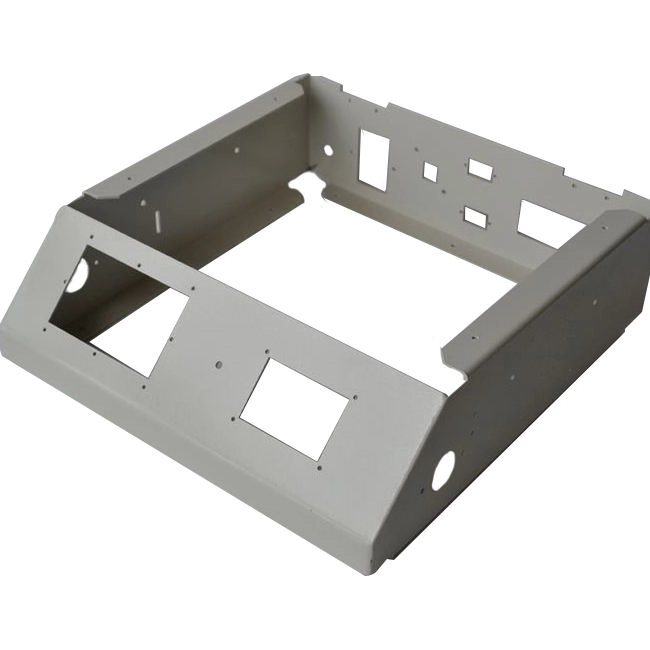
Traits like stretchiness, malleability, and strength shape how you can cut, bend, or form sheet metal. The straight side height of bent parts should not be too tiny. If it is, you can’t make enough bending force. Then, it’s hard to get parts with right shapes.
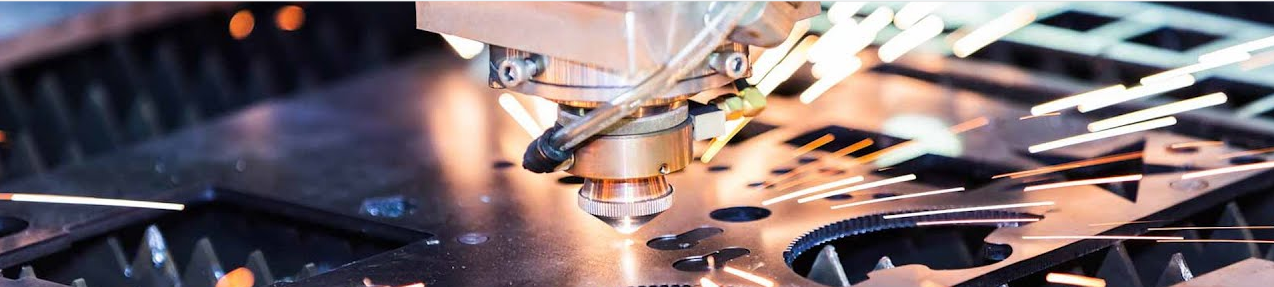
This shows why learning these traits early stops pricey tool problems or breaks during making. At Deshibo, builders check these mechanical sides before suggesting ways like CNC bending or laser cutting. They aim for exactness and lasting power.
Selecting Materials Based on Property Requirements
Pairing mechanical skills with design aims is the heart of wise material picks. Want high toughness? Pick stainless steel. Care about light weight and easy shaping? Choose aluminum.
Common Metals and Their Mechanical Characteristics
Steel and Stainless Steel
They have big strength and toughness. This makes them fit for structural steel fabrication and tough jobs. Stainless kinds add rust fighting.
Aluminum
It is light with fine stretchiness and solid rust resistance. It works well for plane and car parts where cutting weight helps.
Copper
It has top stretchiness plus great heat and electric flow. This makes it key in wiring setups and heat swaps.
Brass
Brass gives nice machinability and a pretty look. People use it in connectors, valves, and fancy bits.
Other Related Material Properties Worth Considering
Thermal Properties
Heat flow, growth speed, and warmth resistance matter for parts near motors or ovens.
Electrical Properties
Flow ability affects if it fits for electric boxes or ground links.
Optical Properties
See-through or shiny traits guide use in lights or show boards.
Magnetic Properties
Magnetic flow is key in power changers and motor hearts.
Chemical Properties
Rust fighting sets long-term toughness in outside or sea spots.
Acoustic Properties
Some metals quiet sounds better than others. This helps in building sheets or machine covers.
Manufacturing Properties
Weld ease, cast ability, and form skill affect making cost and if it’s doable.
Rules for making tricky build mixes: Parts with very wild space shapes are hard to form fully by bending. Knowing this lets Deshibo pick best making paths. They cut waste and keep item wholeness.
Need Custom Sheet Metal Fabrication? Contact Deshibo Today!
Whether your job has detailed laser-cut designs or strong cold formed metal framing, Deshibo offers trusty fixes made for your needs. With lots of know-how in CNC machining, welding, forming, and structure putting together—we aid in turning your ideas into real things with focus on how they perform.
FAQs
Q1: What’s the difference between ductility and malleability?
Ductility refers to stretching into wire; malleability means flattening into sheets without cracking.
Q2: Why is creep resistance important at high temperatures?
Because materials can slowly deform over time under constant stress when heated—impacting part lifespan.
Q3: Which property should I prioritize for a spring component?
Elasticity and resilience are key for ensuring energy return and durability during repetitive motion.
Q4: Is hardness the same as strength?
Not exactly. Hardness resists surface indentation; strength measures overall load-bearing capacity before failure.
