
Lightweight Automotive Components: Designing for Metal Bending
Time : Nov 27, 2025 View : 184
Introduction
Why Lightweight Components Are Critical in the Automotive Industry
Automotive makers chase lighter vehicles to boost fuel efficiency and cut emissions. Think about it: every kilogram shaved off means better mileage and handling. Regulations push this trend hard, especially with electric cars needing to stretch battery life.
Role of Sheet Metal Bending in Automotive Part Design
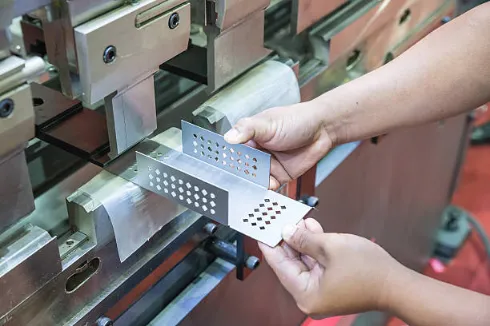
Sheet metal bending shapes lightweight parts like panels and brackets. It turns flat sheets into strong, complex forms without adding much weight. Precision here matters for safety and performance.
Overview of Challenges in Designing for Bending
Bending lightweight metals brings issues like springback and cracking. Designers juggle material limits, tooling, and production costs. Get it wrong, and parts fail early.
Material Selection for Lightweight Bending
Common Materials: Aluminum, High-Strength Steel, and Magnesium Alloys
Aluminum shines for its low density and corrosion resistance. High strength steel offers toughness at thin gauges. Magnesium alloys? They’re the lightest but trickier to bend without defects. From common practices, cold-rolled steel like SPCC or SECC works well for general auto parts, while stainless steels like SUS301 handle elasticity demands.
Comparing Strength-to-Weight Ratios
Aluminum’s ratio beats steel, making it ideal for body panels. High strength steel hits higher tensile strength, around 400-630 N/mm², but weighs more. Magnesium edges out both in lightness, though costs climb. Real-world picks depend on part function, brackets might favor steel for durability.
How Material Choice Affects Bendability and Springback
Thinner materials bend easier but spring back more. Aluminum needs larger radii to avoid cracks; steel resists better. Springback worsens with high-strength alloys, sometimes up to 2-3 degrees. Designers factor in material thickness—say, 0.8mm to 1.5mm for steel—to predict behavior. And don’t forget: harder materials like 65Mn spring steel demand careful handling to prevent warping.

Design Considerations for Sheet Metal Bending
Minimum Bend Radius and Its Impact on Structural Integrity
Stick to minimum bend radii to keep parts intact. For common steels like 08 or Q235A, it’s 0.4t to 0.5t (t being thickness). Too tight? Cracks form at the outer layer. This rule saves structural headaches down the line. A 1.5mm steel part with a 4.2mm dead edge failed because it dipped below the 5.3mm limit—ended up milling extra, hiking costs.
Bend Allowance and Compensation in Lightweight Materials
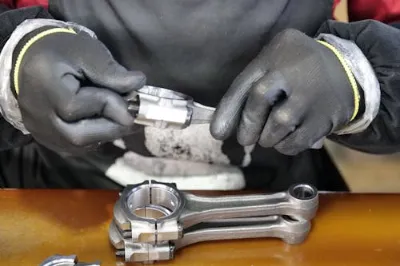
Bend allowance accounts for material stretch. For lightweight alloys, calculate it as neutral axis length plus adjustments. Underestimate, and dimensions skew. Tools like CAD help simulate this. Lightweight designs often need compensation for springback—overbend by a few degrees.
Avoiding Common Defects: Cracks, Wrinkles, and Warping
Cracks hit when radii are too small or edges sharp. Wrinkles? They pop up in compression zones on inner bends. Warping comes from uneven stress. Fix it with proper sequencing or relief cuts. Take a real example: a 0.8mm board with small protruding folds wasted material and raised fees, switched to riveting nuts instead. Sometimes, it’s about letting the structure yield to tools without interference.
Multi-Bend Designs: Sequencing and Accessibility
Sequence bends to avoid tool clashes. Start with inner bends, move out. Accessibility ensures presses reach all angles. Complex parts might split into sub-assemblies, like riveting after bending. In practice, for long 430mm parts at 1mm thick, interference during 80° and 56° bends led to redesigns, added simulations with bending knives.
Bending Techniques for Lightweight Automotive Parts
Air Bending, Bottoming, and Coining: Pros and Cons
Air bending uses less force, great for varying angles, but accuracy dips. Bottoming presses fully for precision, though it risks marking. Coining? It crushes material for tight tolerances, ideal for high-strength steel, but wears tools fast. Pros: air’s flexible; cons: coining’s expensive for small runs.
Using Forming Simulation Tools for Accurate Design
Simulation software predicts defects before production. Input material data, like for aluminum 6061, and test radii. It cuts trial-and-error. CNC systems tie in here, with ±0.5° accuracy on press brakes. Integrated DNC shaves setup time by 40%—handy for auto prototypes.
Overcoming Challenges with High-Strength Lightweight Alloys
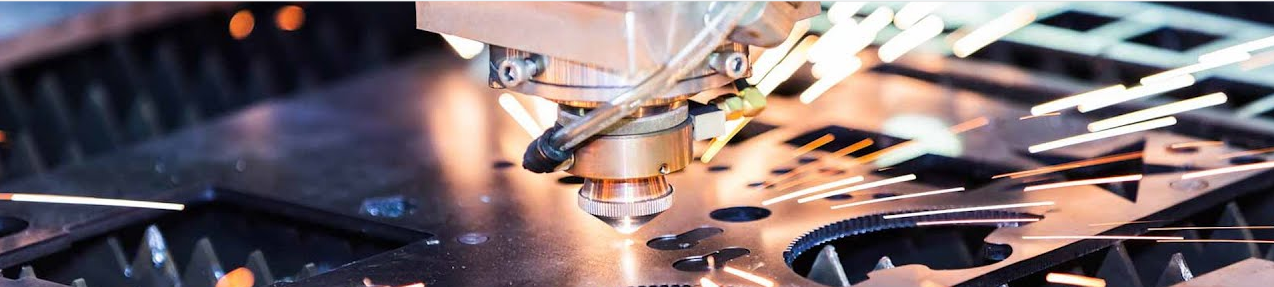
High-strength alloys resist bending, so use heated tools or lubricants. For magnesium, control temperatures to dodge cracks. Laser cutting pairs well: precise cuts (±0.1mm) feed into bending. Fiber lasers excel on reflective metals like aluminum, reducing waste to 0.5%.
Industry Applications and Case Studies
Lightweight Body Panels and Structural Supports
Body panels in aluminum drop vehicle weight by 20-30%. Bending forms curves for aerodynamics. Supports use high-strength steel for crash zones, bent into U-shapes for stiffness.
Brackets, Reinforcements, and Chassis Components
Brackets often bend from 1.2mm steel, with holes distanced 1.5t from edges to avoid tears. Reinforcements add ribs via bending. Chassis parts mix alloys for balance. A case: aluminum board with M3 rivets switched to direct tapping on 1.2mm+ thick plates, saved on riveting costs, ensuring 3-4 thread turns.
Reducing Vehicle Weight While Maintaining Strength
One flange mount redesigned from complex shapes to spot-welded simples cut costs and weight. Another: avoiding protruding narrow structures in corners prevented waste, riveted pillars instead. These tweaks maintained strength while trimming mass, proving simple bends win.
Best Practices for Fabricators
Optimizing Tooling for Lightweight Materials
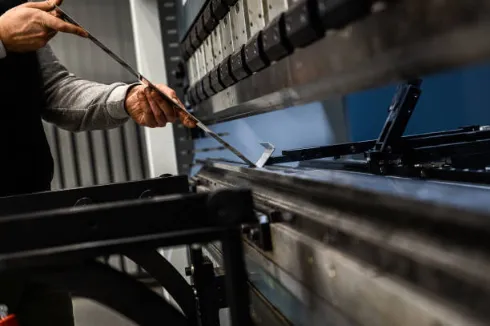
Match dies to material, wider V-dies for aluminum. Tool maintenance cuts downtime. For thin sheets, use polyurethane inserts to prevent marks.
Managing Springback and Tolerance Control
Measure springback post-bend; adjust angles accordingly. Tolerances: aim for IT8 in critical areas. Quality checks ensure compliance, like dimensional scans.
Collaboration Between Designers and Fabricators for Efficient Production
Early talks spot issues. Fabricators share real limits, like minimum hole distances (not less than 0.3mm). This loop speeds production, avoids redesigns.
Conclusion
Summary: Key Strategies in Designing Lightweight Automotive Parts
Focus on materials with good ratios, respect radii, sequence bends smartly. Simulations and techniques like air bending help dodge defects.
How Deshibo Supports Automotive Clients with Expertise in Metal Bending
Deshibo, a sheet metal specialist, offers CNC machining with laser cutting and bending. Their services hit ±0.1mm cuts and ±0.5° bends, perfect for auto enclosures and brackets. Using stainless, aluminum, and steel up to 12mm, they boost efficiency with 99.5% material use.
Encouraging Knowledge-Driven Decisions for Efficient and Durable Designs
Base choices on proven rules—minimums for radii, distances. This leads to lighter, stronger parts that last.
FAQ
Q1: What is the minimum bend radius for aluminum in auto parts?
Typically 0.4t to 0.8t, depending on alloy like 6061, to prevent cracks.
Q2: How does springback affect lightweight designs?
It causes parts to uncoil slightly after bending, worse in high-strength materials. Overbend to compensate.
Q3: Why avoid small holes near bends?
Holes in deformation zones warp. Keep distances at least 2t from bend radii.
Q4: Can magnesium alloys replace steel in chassis?
Yes, for weight savings, but bending needs heat control to avoid defects.
Q5: What role does laser cutting play before bending?
It provides clean edges, reducing post-process needs and enabling intricate shapes for efficient bending.
