
Laser Tube Cutting for Automotive Exhaust Parts
Time : Nov 14, 2025 View : 247
Introduction
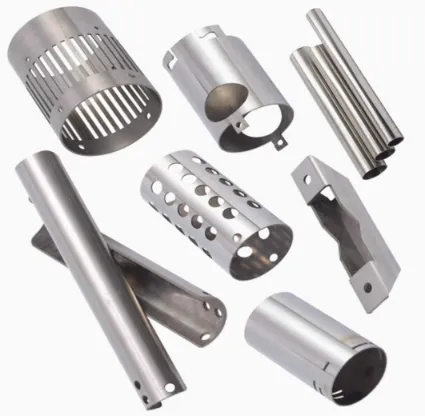
Laser tube cutting has transformed the way automotive exhaust parts are produced. From exhaust manifolds to muffler tubes, the technology offers unmatched precision and speed. This article explores how laser cutting improves exhaust part manufacturing and why it has become the preferred method in modern production lines.
Laser Tube Cutting in Automotive Manufacturing
What Laser Tube Cutting Involves
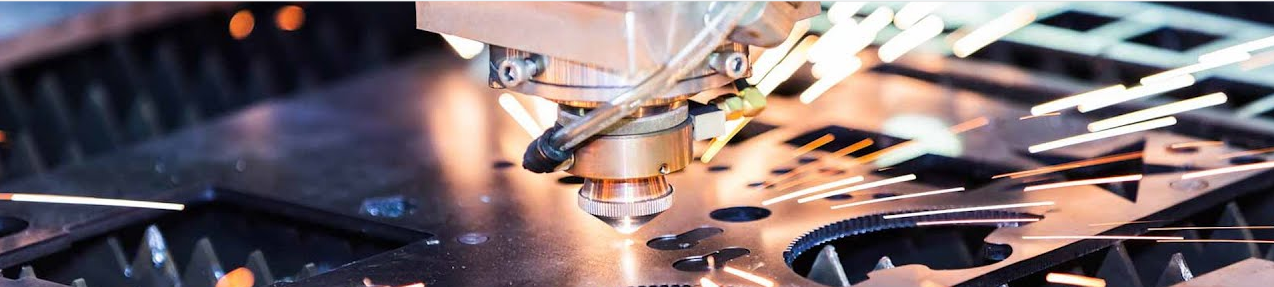
Laser tube cutting directs a high powered beam through optics to melt, burn, or vaporize material along programmed paths. It handles tubes up to several meters long with ease. No blades touch the metal, so wear stays minimal. Think of it as drawing with light, but on steel. This setup shines in automotive tube cutting where exact profiles matter for fit and flow.
Materials Commonly Used for Exhaust Tubes
Stainless steel grades like 304 or 409 lead the pack for their rust resistance under hot gases. Aluminized steel adds a cost effective layer against corrosion. Titanium pops up in high performance setups. Laser cutting adapts power and speed to each, avoiding cracks or burns. Minimum bend radii for stainless reach 2.0t to prevent fractures during later forming. Heat affected zones stay tiny, keeping material properties intact.
How It Fits in the Automotive Production Chain
Laser systems link directly to CAD software, pulling designs into cuts without manual tweaks. Robots load tubes, cut, then unload for welding or bending. This flow cuts setup time in half compared to old methods. In sheet metal fabrication lines, it slots before assembly, ensuring parts drop in perfectly. A quick note: exhaust regs get stricter yearly, pushing tighter tolerances that only lasers hit reliably.
Advantages of Laser Tube Cutting for Exhaust Components
High Dimensional Accuracy and Clean Edges
Tolerances hold within 0.1mm, critical for exhaust seals. Edges come out smooth, no burrs to grind off later. This skips deburring steps entirely. Burr heights must stay under 0.05mm for precision parts; lasers beat that without effort. Clean cuts also mean better welds downstream. Sometimes, a slight recast layer forms, but it polishes off easy if needed.
Faster Production with Less Waste
Cycle times drop to seconds per feature. Nesting software packs multiple parts on one tube, slashing scrap to under 5%. Traditional saws waste kerf width; lasers vaporize almost nothing. In automotive tube cutting, this saves tons of steel yearly.
Greater Design Flexibility for Complex Shapes
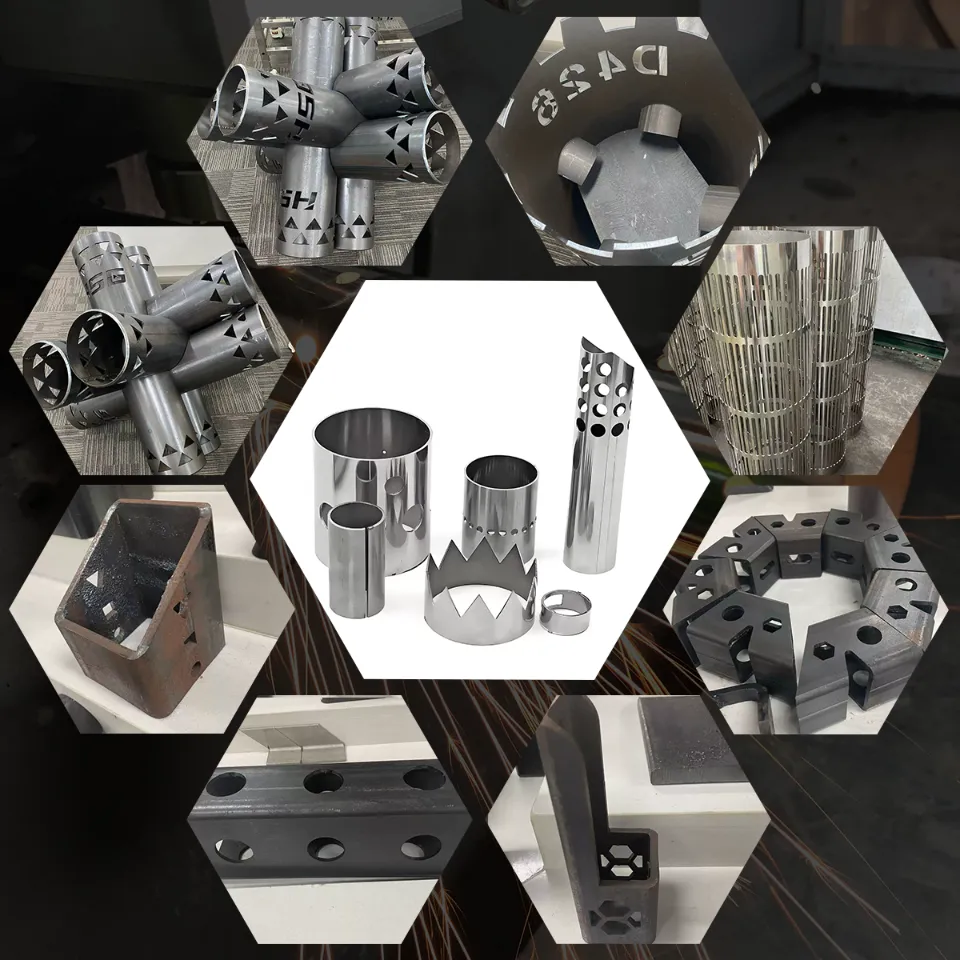
Slots, notches, and angled ends form in one pass. No tool changes for holes of varying sizes. Engineers iterate fast, adding flow optimizing perforations. A fun aside: some designs now include artistic cutouts for branding on visible exhaust tips. Flexibility turns ideas into parts overnight.
Comparing Laser Tube Cutting with Traditional Methods
Saw Cutting vs. Laser: Precision and Speed
Saws chew through tubes but leave rough kerfs and heat distortion. Lasers slice clean at 10 times the speed for intricate work. Repeatability suffers with blades dulling mid shift. In exhaust manifolds, laser precision avoids rework. Speed wins races in production.
Punching and Drilling Limitations
Punches deform thin walls, creating weak spots in exhaust tubes. Drills limit hole shapes and positions. Tool wear spikes costs over runs. Lasers cut any profile without force, preserving tube roundness. From the hole edge distance rules, minimums hit 1.5t parallel to edges; punching often violates that, leading to cracks. Mechanical methods just can’t keep up with modern designs.
Long Term Cost and Efficiency Gains
Upfront laser machines cost more, but payback hits in months via low maintenance and no consumables. Labor drops as one operator runs multiple units. Rework plunges to near zero. Sheet metal fabrication shops report 40% overall savings. Lasers optimize every inch. Efficiency builds over time, like compound interest.
How to Enhance Efficiency with Laser Tube Cutting
Advanced Equipment and Automation Integration
High power fiber lasers from 2kW up cut thicker walls fast. Auto feeders handle bundles, running lights out. Software predicts maintenance to avoid stops. Deshibo applies high power fiber laser systems with automated feeding to improve throughput and stability in exhaust tube production. Integration turns factories into smooth operations. A small tip: calibrate gas assists for cleaner cuts every shift.
Quality Assurance in Every Cut
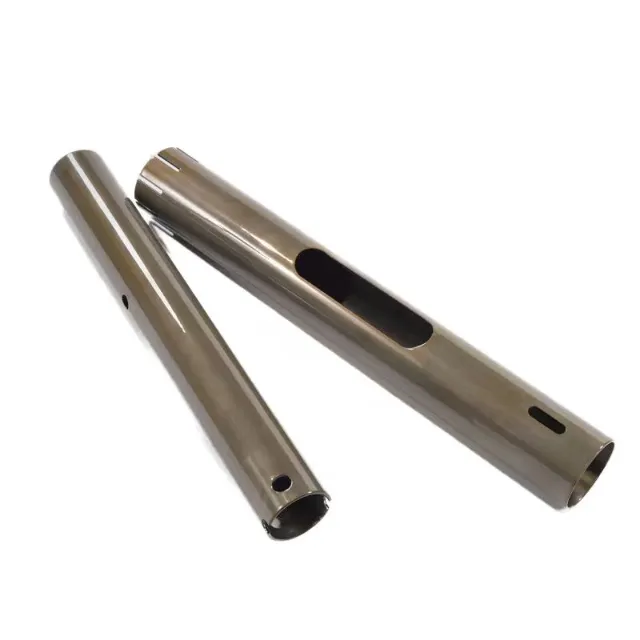
Inline sensors check dimensions real time. Vision systems flag defects instantly. Edge quality scans ensure no micro cracks. Deshibo inspects each tube for dimensional accuracy and edge smoothness, ensuring every exhaust component meets OEM standards. Consistency builds trust with automakers.
Customized Cutting Solutions for Auto Manufacturers
Tweak parameters for wall thickness or alloy. Test runs dial in speeds. Collaboration refines programs. Deshibo works closely with automotive suppliers to adapt cutting parameters for specific materials and wall thicknesses. This tailors laser tube cutting to unique exhaust needs. Customization prevents surprises in assembly lines.
Key Considerations When Designing Exhaust Tubes for Laser Cutting
Material Thickness and Heat Response
Thicker tubes need higher power to avoid dross. Stainless heats slower than mild steel. Simulate heat input to prevent warping. Heat zones shrink with pulsed lasers. Design with material quirks in mind for flawless results.
Hole Placement and Edge Distances
Holes too close weaken tubes; aim for 1.5t minimum spacing per guidelines. Position for gas flow, not just looks. Avoid cuts near bends to dodge deformation. The punch hole rules apply here—non-parallel edges need t, parallel 1.5t. Smart placement keeps strength high and flow smooth.
Tube Clamping and Fixturing Strategies
Secure clamps prevent shifts mid-cut. Use soft jaws on thin walls. Multiple supports for long tubes. Vibration kills accuracy otherwise. Guidelines on sufficient rigidity echo this—fine strips crack easy without support. Good fixturing makes laser cutting reliable every time.
Real World Results from Automotive Laser Tube Cutting Projects
Better Performance and Aesthetics
Smooth internals reduce backpressure. Polished edges look pro on show cars. Lasers enable precise perforations for tuned sound. The clean edge criteria boost both function and form. Performance gains show in dyno tests.
Reduced Production Downtime
Predictive alerts catch issues early. Quick change optics minimize stops. Deshibo helps clients achieve steady, reliable output through preventive maintenance and precision monitoring. Uptime hits 98%. Downtime costs plummet.
Conclusion
Laser tube cutting has redefined how automotive exhaust parts are made, improving both efficiency and precision. With advanced systems, skilled technicians, and strong engineering collaboration, Deshibo continues to support manufacturers seeking faster, cleaner, and more consistent tube fabrication solutions.
FAQ
Q: What tube diameters work best with laser tube cutting?
Most systems handle 10mm to 250mm easily, scaling for automotive exhaust needs.
Q: How does laser cutting affect exhaust weld quality?
Clean edges and minimal heat distortion lead to stronger, leak free welds.
Q: Is laser tube cutting suitable for prototyping?
Yes, quick program changes allow fast iterations without new tools.
Q: What maintenance do laser systems need?
Regular lens cleaning and gas checks keep them running smooth.
