
Laser Cutting vs Plasma Cutting: Key Differences Explained
Time : Mar 20, 2026 View : 7
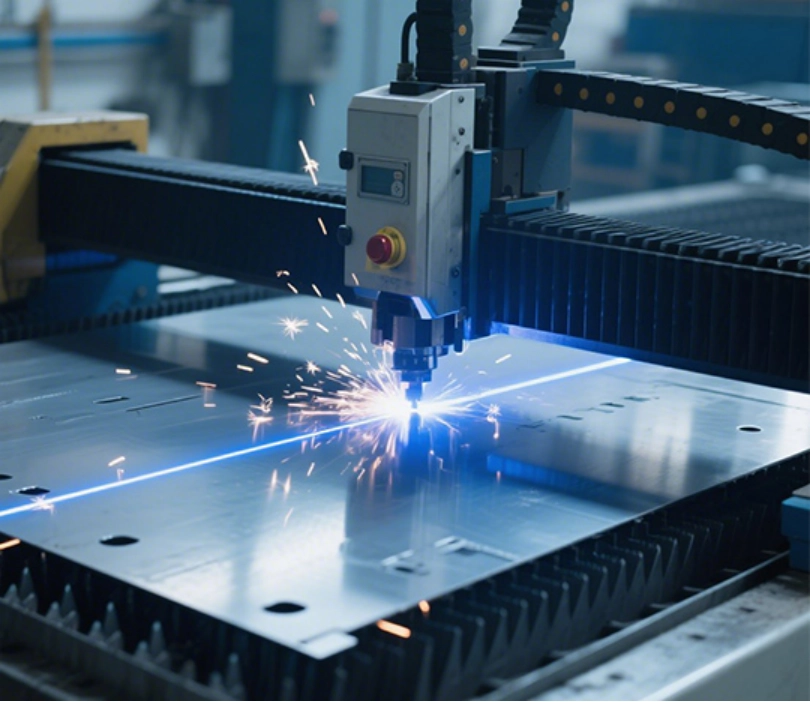
In metal work, experts often run into a tough choice: pick laser cutting or plasma cutting? Both ways come with their own good points and downsides. Simply put—laser cutting brings top detail and neater sides, while plasma cutting gives quicker cuts on chunky stuff. Getting how each way runs helps figure out which fits your job best.
Understanding Laser Cutting
How Laser Cutting Works
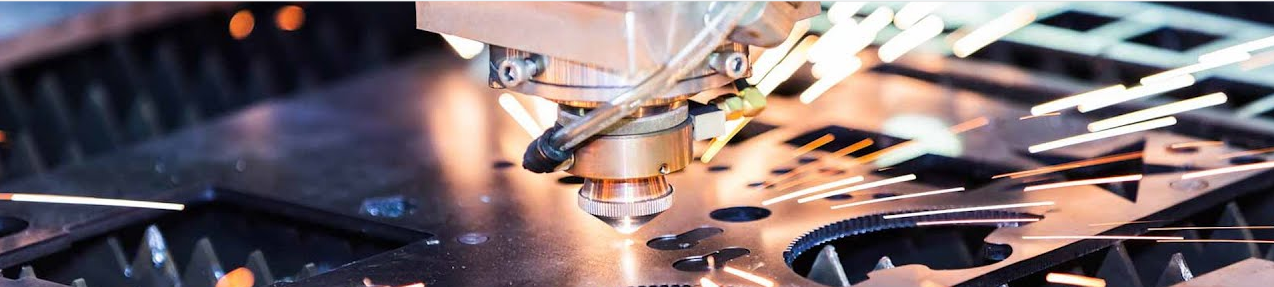
A laser cutter is basically a tight beam of light. Yes, a laser cutter is essentially a light saber. The strong beam heats up quick. It melts and partly turns to vapor the metal or other stuff it touches. This way, known as laser beam machining, uses strong energy aimed through lenses. It cuts or marks materials with great exactness.
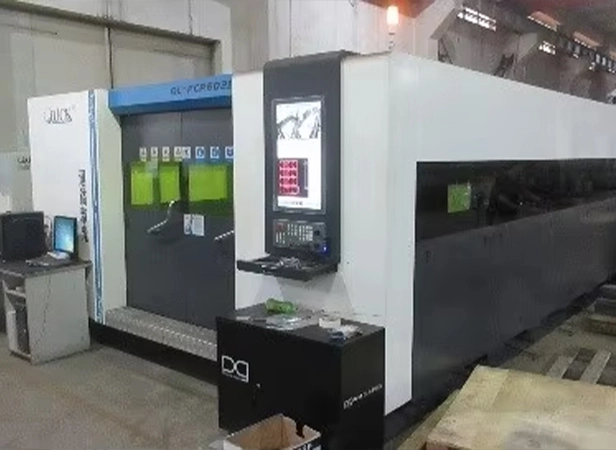
A usual laser metal cutting machine has a laser resonator, optics for aiming, motion systems (CNC controlled), and help gas nozzles. These remove melted bits.
In factory uses like tube laser cutting services, the tech lets you cut round or empty shapes without seams. Folks use them in building and car making.
Advantages of Laser Cutting
Neat Edge – when you cut with old ways, like a blade, you often see rough spots or bumps that need smoothing. This doesn’t happen with lasers.
-
Precision and accuracy: Laser cutters maintain tolerances as tight as ±0.1 mm and can achieve intricate designs impossible by manual means.
-
Complex shapes: Because lasers are guided by high-powered computers, they can cut detailed patterns without mechanical wear.
-
Material efficiency: Minimal kerf width means less material loss and cleaner edges requiring little post-processing.
At Deshibo, an experienced metal manufacturer specializing in custom sheet metal fabrication, CNC machining, bending, welding, and surface finishing, the integration of automated fiber lasers ensures consistent quality even in 24/7 production environments—a practical example of how modern laser systems enhance operational efficiency.
Disadvantages of Laser Cutting
Even with its detail, laser tech brings some hurdles:
-
Higher initial setup cost due to advanced optics and maintenance requirements.
-
Thickness limitations: Lasers can cut through half-inch thick aluminum, three-quarters-inch thick stainless steel, and one-inch thick steel. Beyond this range, performance drops significantly compared to plasma systems.

Exploring Plasma Cutting
How Plasma Cutting Works
The plasma cutting way uses a tight path of gas that carries electricity. This path acts like a holder to move energy from a power spot to the stuff you cut. It goes through a plasma torch. The steps send an electric spark through gases like nitrogen or oxygen. This forms plasma—the fourth state of matter. And it melts metals that carry current fast.
Advantages of Plasma Cutting
Plasma’s main plus sits in quickness and flex for thicker metals:
-
Faster on heavy gauge materials—it easily handles up to 1.5 inches thickness.
-
Lower operational costs compared with laser systems since consumables are cheaper and equipment setup is simpler.
Disadvantages of Plasma Cutting
While good for big tasks, plasma comes with minuses:
-
Lower precision than lasers; edge tolerances are wider and may need grinding afterward.
-
Noise and fumes are more pronounced because the process involves ionized gases at high temperatures.
Key Differences Between Laser and Plasma Cutting
| Feature | Laser Cutting | Plasma Cutting |
| Typical Thickness Capacity | Up to 1 inch (steel) | Up to 1.5 inches |
| Precision Tolerance | ±0.002 inches | ±0.02 inches |
| Suitable Materials | Metals, plastics, wood | Conductive metals only |
| Speed on Thick Metals | Moderate | Very fast |
| Setup Cost | High | Lower |
| Edge Quality | Smooth & clean | Rougher edges |
Speed Comparison
Cutting quickness hangs on material kind and how thick it is. Lasers beat out on slim sheets because of tight energy focus. But plasma rules when going through thick plates. That’s due to stronger heat push.
Material Compatibility
Plasma can only cut stuff that lets electricity pass. On the other hand, lasers cut wood, plastic, glass, and other things. So, if you deal with non-conductive bases like acrylic or mixed materials, laser tech is key.
Cost Considerations
Start-up costs lean toward plasma cutters. Yet long-term savings go to lasers. They need fewer part swaps. Old cutting ways call for regular care and blade sharpening. Lasers skip this kind of upkeep. They can run for long stretches without service.
Sheet Thickness Handling
As said before: Plasma cutters can go through thicker metal sheets. For heavy steel over one inch thick, plasma stays the top pick.
Quality of Cutting Surface
Laser-cut parts usually leave the table set for putting together or final touches; edges stay smooth with few rough bits. Plasma cuts might need cleaning or shining based on job needs.
Choosing the Right Method for Your Needs
Factors to Consider When Selecting a Cutting Method
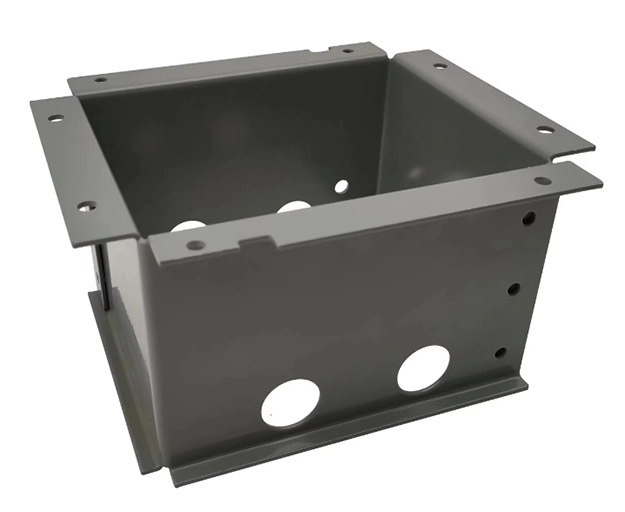
Picking between these two rests on what matters most: detail against quickness against money savings. If your job has thin sheet parts that need close fits—like cases for electronics—laser works great. For building parts where getting more done counts over looks—say big support bars—plasma saves time.
Other factors include:
-
Material conductivity
-
Desired edge quality
-
Available budget
-
Production volume
Deshibo’s engineers typically assess these parameters before recommending either approach within their integrated production line combining laser cutting with bending, welding, powder coating, and assembly services.
Mutual Alternatives to Consider
Besides these two common techs, other picks like waterjet cutting (for cool work without heat warp) or machine punching (for repeat big-batch jobs) might suit some tasks better. It depends on what the design calls for.
Ready to Choose the Best Cutting Method for Your Project?
If precision and clean edges are critical for your project, laser cutting is your go-to solution. With its superior accuracy and ability to handle a wide range of materials, Deshibo’s laser cutting services provide unmatched quality and efficiency. Whether you need intricate designs or precise cuts, our state-of-the-art equipment ensures your project is completed to perfection.
Contact Deshibo today to learn more about how our laser cutting capabilities can elevate your manufacturing process and improve product quality.
FAQs
Q: What materials can both methods cut?
Both handle steels effectively; however only lasers can process non-conductive materials like acrylic or wood.
Q: Which offers better accuracy?
Laser cutting provides superior precision with tighter tolerances around ±0.002 inches.
Q: Is plasma cutting cheaper overall?
Yes initially—it has lower equipment cost—but consumable replacement adds ongoing expenses.
Q: Which method suits tube fabrication best?
For complex tubular geometries requiring precise joints or slots, tube laser cutting services deliver cleaner results than plasma-based approaches.
