
Industrial Metal Fabrication Guide: Processes & Trends 2026
Time : Mar 19, 2026 View : 10
Industrial metal fabrication sits at the heart of today’s manufacturing. It goes from tall building frames to exact aerospace pieces. This field links ideas with making things through tough but interesting steps. Changes toward machines doing the work, green ways, and made-to-order items show the path for 2026.
Understanding Industrial Metal Fabrication
Industrial metal fabrication does more than shape metal. It turns basic materials into strong, lasting parts that help businesses around the world.
What is Industrial Metal Fabrication?
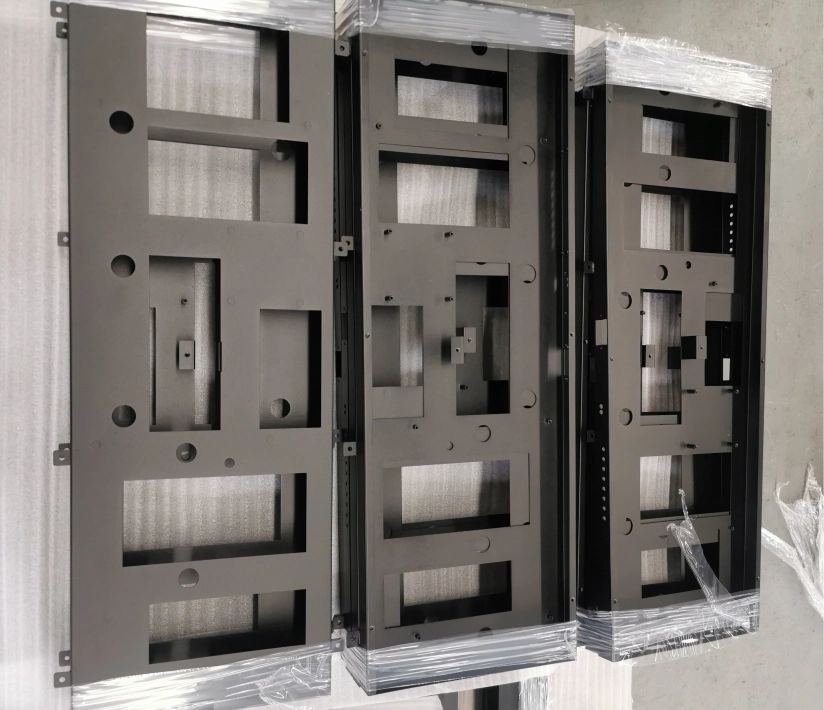
Metal fabrication means cutting, shaping, joining, and finishing metals to make structures or items for various industries. Thin sheets are steel plates with a thickness much smaller than their length-to-width ratio. They have poor lateral bending resistance. And they do not fit for uses with lateral bending loads. This idea shows up a lot in sheet metal manufacturing. There, thin sheets turn into many kinds of parts. The value of fabrication comes from changing design ideas into real uses. Think of big machine parts or careful electronic boxes.
Common Metals Used in Industrial Fabrication
Steel stays the top pick because of its power and flexibility. Aluminum comes next for being light and fighting rust well. Copper gets chosen for its good flow of electricity. The chemical composition of galvanized steel sheet surface includes the base material (steel), a zinc plating or nickel-zinc alloy plating, a chromate layer, and an organic chemical film layer. The pick of metal relies on how strong it is, what weather it faces, and how much it costs.
The Role of Metal Fabrication in Industrial Supply Chains
Fabrication fits right into supply chains. It connects getting materials to putting things together at the end. Good fabrication keeps production on time. It also holds steady quality. For example, Deshibo—a custom sheet metal fabricator—mixes CNC machining, laser cutting, and welding in one place. This smooths the making process for customers in different fields.
Key Industry Sectors Relying on Fabrication
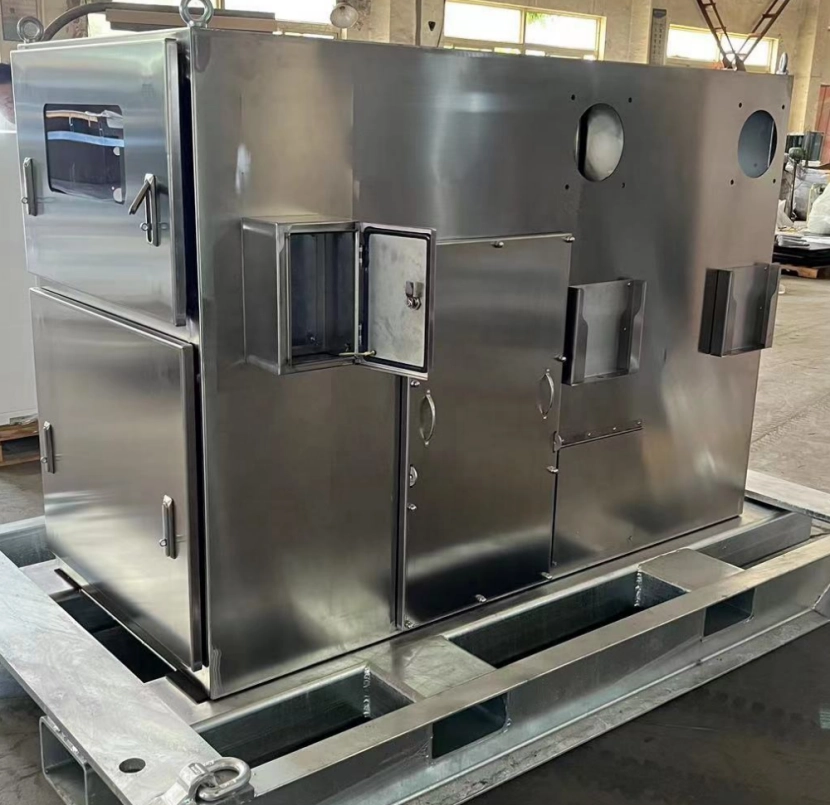
Car makers need exact stamping for body parts. Aerospace groups want light aluminum setups. Building work counts on strong steel frames. Each area uses special fabrication ways that match what they need to do well.
Core Metal Fabrication Processes: Step-by-Step
Every finished part comes from a line of planned steps. These steps set the level of quality and care.
Cutting and Material Preparation
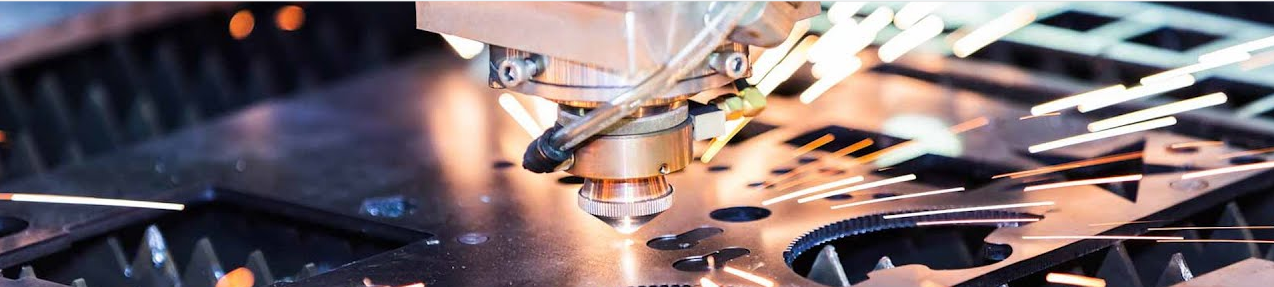
Cutting starts the first part. It uses tools like lasers or plasma cutters for great care.
The basic process sequence is:
1. Shearing: This refers to the process of obtaining rectangular workpieces from materials using a shearing machine.
2. Blanking: This refers to the process of cutting the workpiece using a laser cutter or a CNC punch press.
Right cutting cuts down on waste. It also makes sure the next steps go easy.
Forming and Shaping
After cutting, metals get bent or rolled into the shapes wanted. Forming covers bending, folding, rolling, and deep drawing. Bending adds firm strength. Rolling makes round parts like pipes or tanks.
Welding and Joining
Ways to join include MIG, TIG, and arc welding based on how thick the material is and what strength it needs. TIG welding is a process where workpieces are joined together using an TIG welding machine at the edges or joints. Besides welding, riveting or sticking with glue might get used. This happens when heat could twist things.
Machining and Finishing
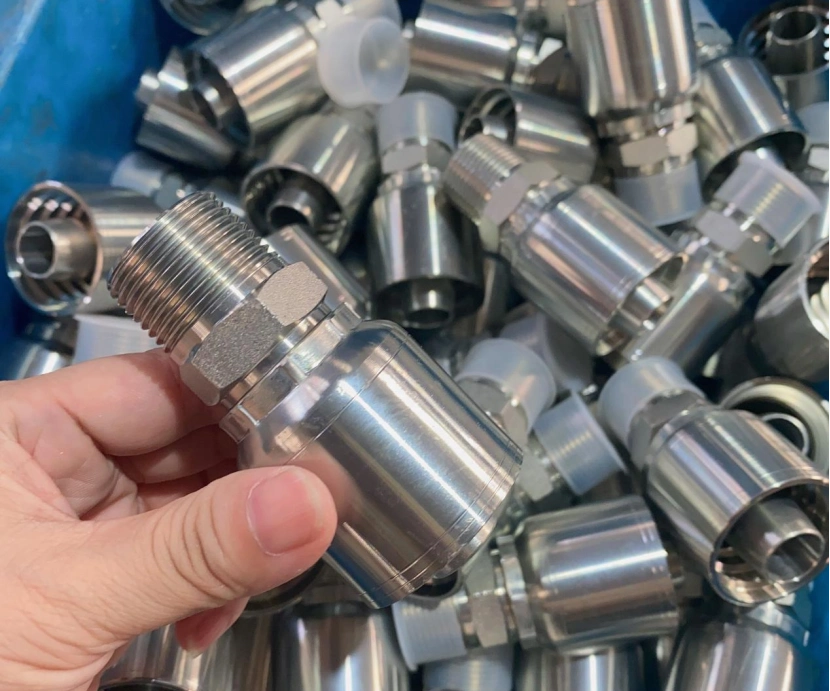
CNC machining makes sizes just right with tiny accuracy. Then, after shaping, finishing steps like polishing or coating boost lasting power and looks. Polishing is the process of using polishing equipment to give the surface of a workpiece a bright finish.
Quality Assurance and Testing
Each made piece gets checked. This includes size looks, strength tests, and surface checks. All this makes sure it meets business rules before sending out.
Technological Innovations Shaping Metal Fabrication in 2026
The field’s tomorrow turns on tech changes and green goals.
Automation and Robotics: Robots take on repeat welding or bending jobs with steady results.
CNC & Digital Manufacturing: Smart setups cut down setup time. They also boost doing things the same way.
Additive Manufacturing: 3D printing lets you make tricky shapes that old ways can’t touch.
Advanced Materials & Coatings: Tiny coatings fight rust better without extra weight.
Smart Factories & Industry 4.0: Live watching connects machines via IoT for guessing when to fix things.
Sustainability: Power-saving ovens and metals that can recycle match world green plans.
Deshibo has taken up these shifts. It mixes auto laser setups with digital following for every making step. This cuts waste. And it keeps track through the lines.
Trends and Market Outlook for 2026
World need for sheet metal fabrication services keeps going up. Businesses want custom fixes more than big batches.
| Trend | Description |
| Market Growth | Driven by infrastructure expansion and electric vehicle manufacturing |
| Workforce Evolution | Increased need for CNC programmers and robotic technicians |
| Customization | Clients demand rapid prototyping over large-volume runs |
| Supply Chain Challenges | Material shortages push firms toward local sourcing |
| Regulatory Focus | Stricter safety standards promote certified operations |
As machines grow, people skills stay key. This is true in design tweaks where know-how meets tech.
Choosing an Industrial Metal Fabrication Partner
Picking the best partner sets not just cost but trust over a job’s whole time.
When looking at a fabricator:
- Check technical capabilities such as CNC precision levels or maximum sheet size.
- Review material handling expertise—especially if working with stainless steel or aluminum.
- Balance cost against value-added services like design consultation or post-processing finishes.
Deshibo shows this mix well. It gives full services from laser cutting to surface finishing under ISO-certified workflows. This brings speed and answerability. And it does not lose bendability.
Ready to Take Your Metal Fabrication to the Next Level?
Whether you need precision CNC machining, custom sheet metal fabrication, or high-quality welding and finishing, Deshibo is here to meet your needs. Our advanced capabilities and ISO-certified processes ensure the highest standards in every step, from cutting to final assembly.
Contact Deshibo today to learn how we can bring your project to life with cutting-edge technology and expert craftsmanship! Let us be your trusted partner for all your metal fabrication needs.
FAQs
Q: What industries benefit most from sheet metal fabrication?
Automotive, aerospace, electronics, energy, and construction all rely heavily on fabricated components.
Q: How does CNC machining improve accuracy?
CNC systems automate tool paths using precise digital coordinates, minimizing human error during manufacturing.
Q: What’s the difference between MIG and TIG welding?
MIG uses a continuous wire feed ideal for thicker materials; TIG offers finer control suited for thin metals or intricate joints.
Q: Why is finishing important in metal fabrication?
Finishing enhances corrosion resistance, appearance, and sometimes electrical conductivity depending on coating type.
Q: How does automation affect job roles in fabrication?
Automation shifts focus from manual tasks to programming, maintenance, and quality control roles requiring higher technical skills.
