
How Metal Fabrication Affects Safety in Battery Cabinets
Time : Dec 04, 2025 View : 169
Why Metal Fabrication is Crucial for Battery Cabinet Safety
Battery storage brings real challenges, especially with lithium batteries. They can overheat during charging or discharging, leading to fires or explosions. Think about those news stories where a simple battery pack turns into a major hazard.
Metal fabrication steps in as a key player here. It shapes the cabinets that house these batteries, making them tough against heat, corrosion, and impacts. Strong materials and smart designs help prevent disasters. For instance, a well fabricated cabinet can contain a fire before it spreads.
The process isn’t just about bending metal. It involves choosing the right alloys and techniques to boost fire safety and explosion prevention. This matters in homes, factories, or even electric vehicles where batteries power everything.
Battery Cabinets and Their Role in Safety
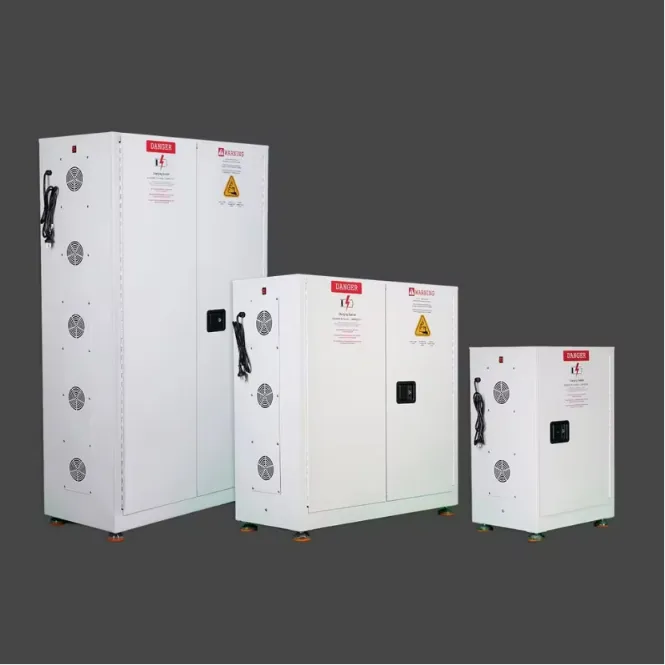
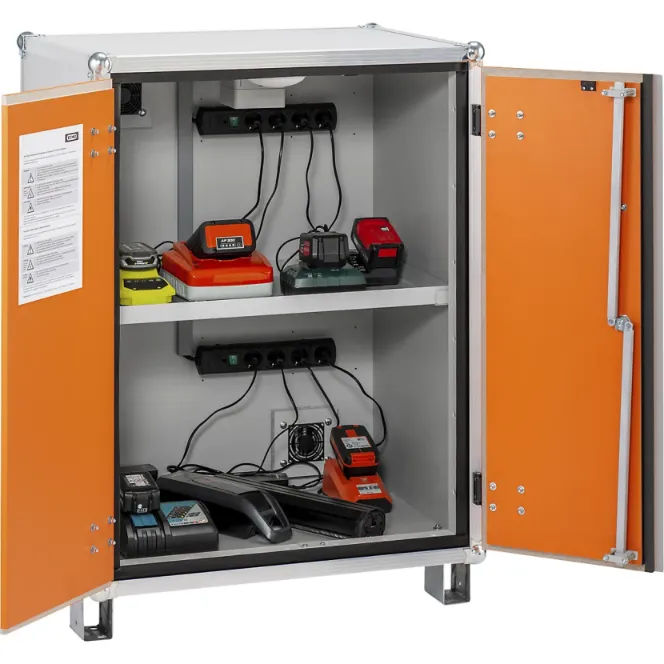
Explosion proof cabinets store batteries safely. They handle charging without letting heat build up too much. These cabinets act as a first line of defense against thermal runaway, where one battery’s failure sets off a chain reaction.
Fires from lithium batteries aren’t rare. Overheating can release gases that ignite easily. A good cabinet isolates these risks, keeping the area around it safe.
Battery storage solutions vary, from small home units to large industrial setups. Each one needs features like fireproof walls to mitigate dangers. Sometimes, people overlook how these cabinets save lives by containing problems early.
The Role of Metal Materials in Battery Cabinet Design
Materials make all the difference in cabinet strength. Steel plates offer high durability and resist impacts well. They’re common because they hold up under pressure.
Stainless steel shines in corrosion resistance. In humid or chemical heavy environments, it prevents rust that could weaken the structure over time.
Aluminum alloys keep things lightweight. Easier to transport, but they might not handle extreme heat as well as steel. Weigh the pros and cons based on the setup.
Composite materials add fire resistance. They mix metals with other elements for better insulation. Not always the cheapest option, though.
Pros and Cons of Common Materials
-
Steel: Strong and affordable, but heavy and prone to rust without treatment.
-
Stainless Steel: Excellent against corrosion, ideal for wet areas, costs more.
-
Aluminum: Light and easy to shape, less fire resistant in some cases.
-
Composites: Great for heat blocking, can be complex to fabricate.
Picking the right one depends on the battery type and location. A warehouse might need steel for toughness, while a lab could go for stainless to avoid chemical damage.
How Metal Fabrication Techniques Enhance the Safety of Battery Cabinets
Welding techniques seal cabinets tight. Precision welding joins parts without gaps, stopping gases from leaking or fires from sneaking in. It’s all about those strong bonds.
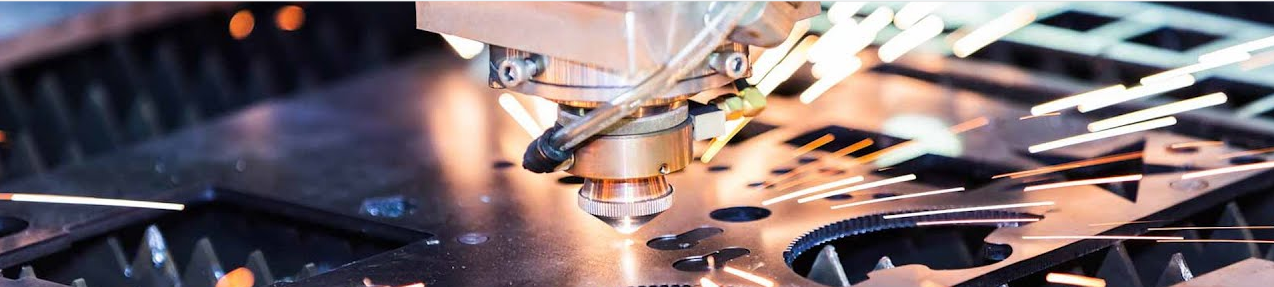
Laser cutting gets edges perfect. CNC bending follows, shaping metal accurately. These methods ensure seams fit snugly, boosting airtight seals.
Surface treatments add extra layers. Coatings fight static buildup and corrosion. They make cabinets last longer and safer in tough spots.
Fabrication quality isn’t just a buzzword. Sloppy work leads to weak points. Done right, it turns a basic box into a reliable shield.
Key Techniques at a Glance
-
Welding: Creates leak proof joints, essential for containing explosions.
-
Precision Cutting: Uses lasers for clean edges, reduces material waste too.
-
CNC Bending: Allows complex shapes, improves overall fit.
-
Surface Treatment: Applies anti corrosive layers, prevents wear over time.
Ever notice how some old cabinets rust away? Proper techniques avoid that headache.
Advanced Fabrication Techniques for Better Heat Management and Fire Prevention
Ventilation systems keep air flowing. Fans and heat sinks pull away excess warmth from batteries. This stops overheating before it starts. Thermal insulation uses special layers. Composite materials block heat transfer, isolating hot spots.
Fire extinguishing systems integrate seamlessly. Things like heptafluoropropane suppressors kick in automatically. Sprinkler devices add another safeguard.
Heat management isn’t optional. Poor design leads to quick failures. Advanced methods make cabinets proactive against fires.
Essential Features for Fire Prevention
-
Ventilation: Circulates air to cool batteries; includes filters for dust.
-
Thermal Insulation: Layers that trap heat inside problem areas.
-
Automated Extinguishers: Detect and douse flames fast; minimal damage.
Sometimes, a simple fan makes the biggest difference in a crowded storage room.
The Importance of Customization in Metal Fabrication for Battery Cabinets
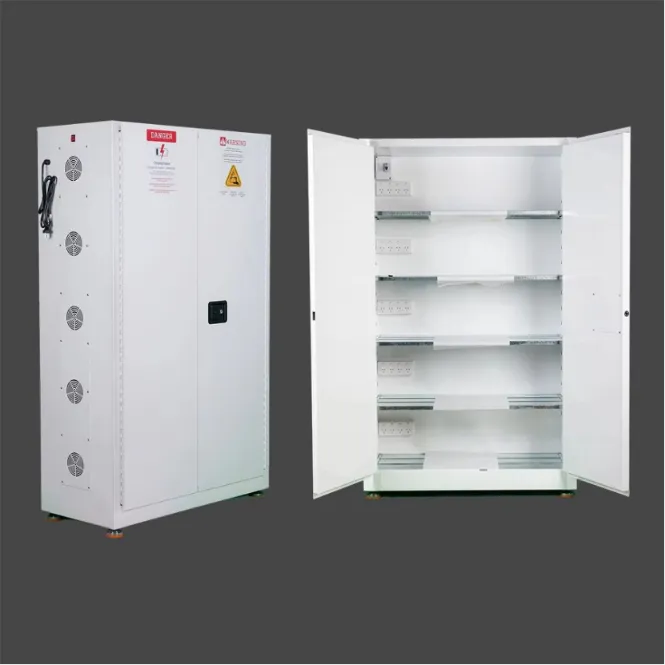
Custom designs fit specific needs. Different batteries require unique setups, like varying sizes or environmental tweaks. Tailored cabinets adapt to work conditions. Temperature control keeps things stable. Ventilation adjusts for humid spots.
Space utilization matters too. Custom work maximizes room without skimping on safety. Companies like Deshibo offer these services. They craft cabinets that match exact requirements, from industrial to specialized uses.
Bespoke design isn’t luxury; it’s necessity. Off the shelf options often fall short in tricky scenarios.
Integrating Smart Technologies with Metal Fabrication for Safer Battery Storage
IoT brings sensors into the mix. Temperature, smoke, and gas monitors watch constantly. Real time alerts notify via apps. Remote monitoring lets teams react from anywhere. Automated fire suppression activates on its own. No waiting for human input.
Smart battery cabinets evolve with tech. They reduce risks through quick responses. Integration isn’t always straightforward. Wiring needs careful placement in metal frames.
The Future of Metal Fabrication in Battery Cabinet Design: Trends and Innovations
New materials like nano coatings enhance protection. They add thin layers that resist fire better. Smart materials react to changes. They might expand to seal gaps during heat spikes. AI optimizes designs. Data analysis predicts weak points before building.
Battery storage innovations push boundaries. Think automated assembly for precision. Trends lean toward sustainability too. Recyclable materials cut waste. Nanotechnology isn’t sci fi anymore. It boosts everyday safety in cabinets.
Applications of Custom Metal Fabricated Battery Cabinets
Electric vehicle charging stations use these cabinets. They handle high power batteries without fires spreading. Energy storage plants rely on them. Custom designs fit massive setups, containing risks in remote areas.
Aerospace industry demands lightweight yet tough options. Aluminum composites often win here. Deshibo provided solutions for a solar farm. Tailored ventilation prevented overheating in hot climates.
Another case: A factory upgraded to smart cabinets. IoT integration caught a potential fire early. These examples show practical wins. Safety isn’t theoretical; it’s proven in the field.
The Critical Role of Metal Fabrication in Battery Cabinet Safety
Metal fabrication underpins safe battery storage. Custom designs, advanced techniques, and smart monitoring all tie together. Industry players should prioritize quality. High standards save lives and property.
Advanced manufacturing sets the bar. It ensures cabinets meet evolving demands.
Call for better practices rings true. Users and makers alike benefit from top notch work.
FAQ
Q: What metal factors impact battery cabinet safety?
Material strength, weld quality, and enclosure sealing directly affect fire resistance, gas containment, and durability.
Q: Which metals are best for battery safety cabinets?
Cold-rolled steel and stainless steel offer the strongest fire, heat, and corrosion resistance for industrial battery storage.
Q: Why is welding quality critical in battery cabinets?
High-precision welding prevents seam gaps, reduces leakage risks, and ensures cabinets withstand thermal and mechanical stress.
Q: Can battery cabinets be customized for industrial applications?
Yes. Cabinets can be tailored in size, ventilation, insulation, and sensor integration for EV plants, labs, and energy storage systems.
Q: Do manufacturers offer smart-monitoring battery cabinets?
Many modern cabinets include sensors for temperature, smoke, and gas, supporting real-time alerts and automated safety responses.
