
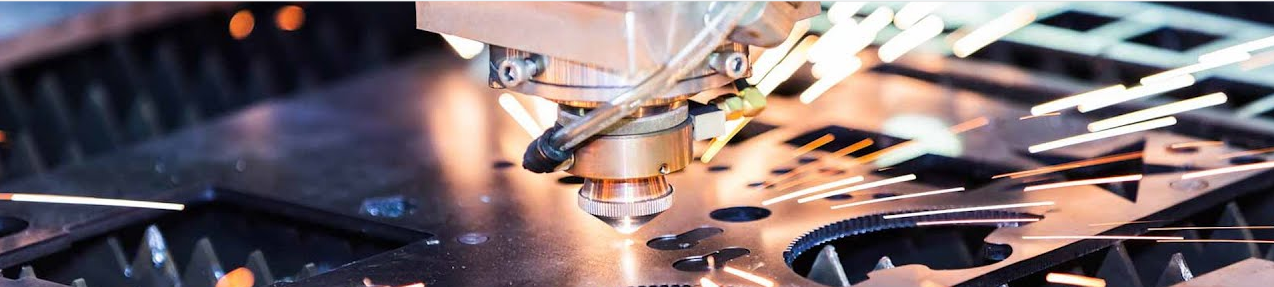
Galvanised Steel Benefits, Uses, and How It’s Made
Time : Jan 30, 2026 View : 62
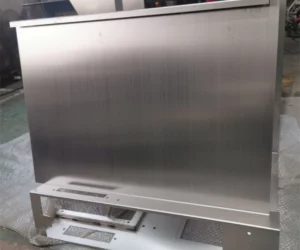
Galvanized steel gives a unique mix of strength, low cost, and flexibility that makes it essential in building, car making, farming, and metal work areas. If you work with sheet metal plates and want guard against rust without spending too much, galvanized steel could be your top choice.
Overview of Galvanised Steel
Composition and Characteristics of Galvanised Steel
At its base, galvanized steel is regular carbon steel covered with a zinc layer. This zinc cover does two jobs. It forms a shield between the steel and outside elements. It also acts as a layer that wears away first, before the steel does.
The zinc coating blocks rust and corrosion. This makes galvanized steel very dependable in outdoor spots or places with lots of damp air. The zinc does not just rest on top. It bonds deeply with the base steel. So, it keeps the structure strong while adding extra safety.
The final item is smooth, even, and nice to look at. That means it works well and fits in spots you can see, like building fronts or inside walls.
Differences Between Galvanised Steel and Other Steel Types
Stainless steel gets lots of praise for fighting rust, but it costs more. Galvanized steel resists rust a bit less than stainless. Yet, it saves much more money. So, it suits big jobs where cash is tight.
Compared to plain mild steel, which rusts fast in wet conditions, galvanized steel lasts way longer and needs less upkeep.
The pick between these depends on surroundings. For sea areas or spots with strong acids, stainless may pay off. But for normal use with some dampness, galvanized steel works great at less expense.
Advantages of Using Galvanised Steel
Long-Term Durability in Harsh Environments
The zinc coating does not just slow down rust. It gives itself up to shield the main metal.
The zinc layer serves as a giving-up coat that guards steel from rust. It handles dampness, chemicals, and even rough handling in many uses. That is why people pick it for outdoor signs, fences, or factory buildings.
Cost Efficiency in Fabrication and Maintenance
It skips the need for extra covers or paint to stop rust. So, galvanized steel cuts costs right away and later on. It needs little care, which lowers ongoing bills. You also avoid repeat costs for new coats or rust fighters that plain steels require.
Firms like Deshibo, specializing in sheet metal fabrication, offer expert galvanized steel processing services, including laser cutting, CNC bending, and custom fabrication, ensuring high-quality and durable results for various industrial applications.
Immediate Usability After Processing
One more plus? After galvanizing, there is no wait. The steel is set for bending, cutting, or putting together.
The pre-coated surface is ready for making or setting up. This eases work on site and speeds up timelines, which helps a lot when teams work together on build sites.
Environmental Sustainability of Zinc Coating
Zinc is not just a guard. You can recycle it. In fact:
- Zinc is recyclable and contributes to circular material use.
- The longevity of galvanised products means fewer replacements and less waste.
- The material often complies with green building standards like LEED.
For makers or buyers who care about the planet and aim for green labels, galvanized steel fits well.
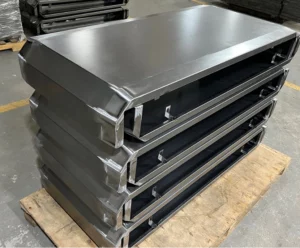
Methods Used to Produce Galvanised Steel
Hot Dip Galvanising Process Steps and Features
This old way dips clean steel into melted zinc at about 450°C. The result? A thick, tough coating that joins with the steel.
Steel is immersed in molten zinc at high temperatures. This makes it ideal for heavy-duty outdoor applications like power transmission poles or highway barriers.
Pre-Galvanising During Sheet Production Line
In this way, the zinc gets added while rolling, before cutting into sheets or rolls. It is quick, steady, and great for large output.
Applied to steel coils before fabrication or cutting processes. Companies like Deshibo often work with pre-galvanised materials for consistent quality in laser cutting or CNC bending projects.
Electrogalvanising Using Electrochemical Deposition
Electrogalvanising uses electric flow in a zinc salt mix to put on a thinner zinc layer. It is not as strong as hot-dip, but it gives a nicer look. So, it fits car parts or gadget boxes where looks count.
Zinc applied through electric current in an electrolytic solution.
Industrial Applications of Galvanised Steel
Use in Construction and Infrastructure Projects
From wall covers to roof sheets and frame setups, galvanized steel offers lasting trust.
Employed in structural beams, roofing sheets, and wall cladding panels. Its corrosion resistance makes it especially popular in coastal or urban environments exposed to pollution or moisture.
Role in Automotive Manufacturing Processes
Cars gain from galvanized body parts that fight rust without much added weight. This helps makers hit fuel-saving goals.
Used for car body panels due to corrosion resistance and lightweight properties.
Integration into Agricultural Equipment and Storage Facilities
Farm gear faces hard days, with daily hits from soil wet, plant food, and animal mess. Galvanized steel stretches their life with small fixes.
Protects machinery, fencing, grain silos, and irrigation systems from rusting.
Application in HVAC Systems and Electrical Enclosures
The stuff’s dependability reaches air pipes, wire holders, power boxes—spots where rust might cause breakdowns or dangers.
Provides rust-resistant housing for ducts, vents, switchboards, and cable trays.
Relevance of Galvanised Steel in Sheet Metal Fabrication
Compatibility with Cutting, Bending, and Welding Processes
Welding needs caution to skip harm to the zinc and bad smoke, but galvanized steel does fine in cutting and bending jobs common in sheet metal work.
Can be shaped without compromising the protective zinc layer. Techniques like laser cutting—used by Deshibo—help ensure clean edges without excessive heat input.
Benefits When Used as Sheet Metal Plates
Galvanized sheet metal plates are sturdy yet easy to handle. They keep shape after work and do not twist much under push or warmth. So, they suit covers or boxes.
Maintains dimensional stability after fabrication processes.
Considerations When Choosing Galvanised Steel
Factors Affecting Coating Performance Over Time
Outside contact matters a lot. Salt mist by seas or acid rain in factory zones can wear zinc quicker.
Environmental conditions such as humidity, salinity, or pollutants. Also important: how thick the coating is—a hot-dipped piece will last longer than an electroplated one in harsh settings.
Guidelines for Proper Storage and Handling
Before putting in place, bad storage can spoil good stuff. Skip piling damp sheets. Keep them dry and under cover.
Avoid stacking wet sheets to prevent white rust formation.
Future Outlook for Galvanised Steel Use Across Industries
Innovations Enhancing Corrosion Resistance Technologies
Mixes like zinc-aluminum-magnesium are getting popular. These blends give better rust fight with slimmer layers—an advantage for top-level uses.
Growing Demand Driven by Infrastructure Modernisation
With world spending on setups rising—from bridges to train lines—items like galvanized steel see more need due to their strength and reuse potential.
Sustainability goals encourage broader use of recyclable metals like galvanised steel.
FAQs
Q: Can galvanised steel be welded safely?
Yes, but proper ventilation is essential due to zinc fume risks. Grinding off zinc at weld points can help reduce this issue.
Q: How long does hot-dip galvanising last outdoors?
Depending on climate and thickness, 20–70 years is typical without significant corrosion.
Q: Is galvanised sheet metal good for HVAC systems?
Absolutely—it resists rust while maintaining form stability under airflow pressure.
Q: What’s the difference between hot-dip and electrogalvanising?
Hot-dip gives thicker protection; electrogalvanising offers smoother finishes for visual parts.
Q: Where can I get custom galvanised sheet metal parts made?
Deshibo provides full custom services including CNC machining, laser cutting, bending, and welding tailored to your project specs.
