
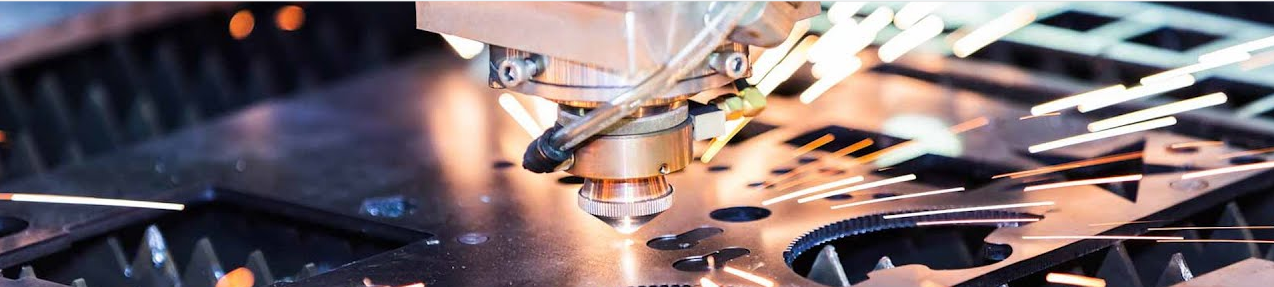
Best Practices for Square Tube Laser Cutting
Time : Oct 27, 2025 View : 337
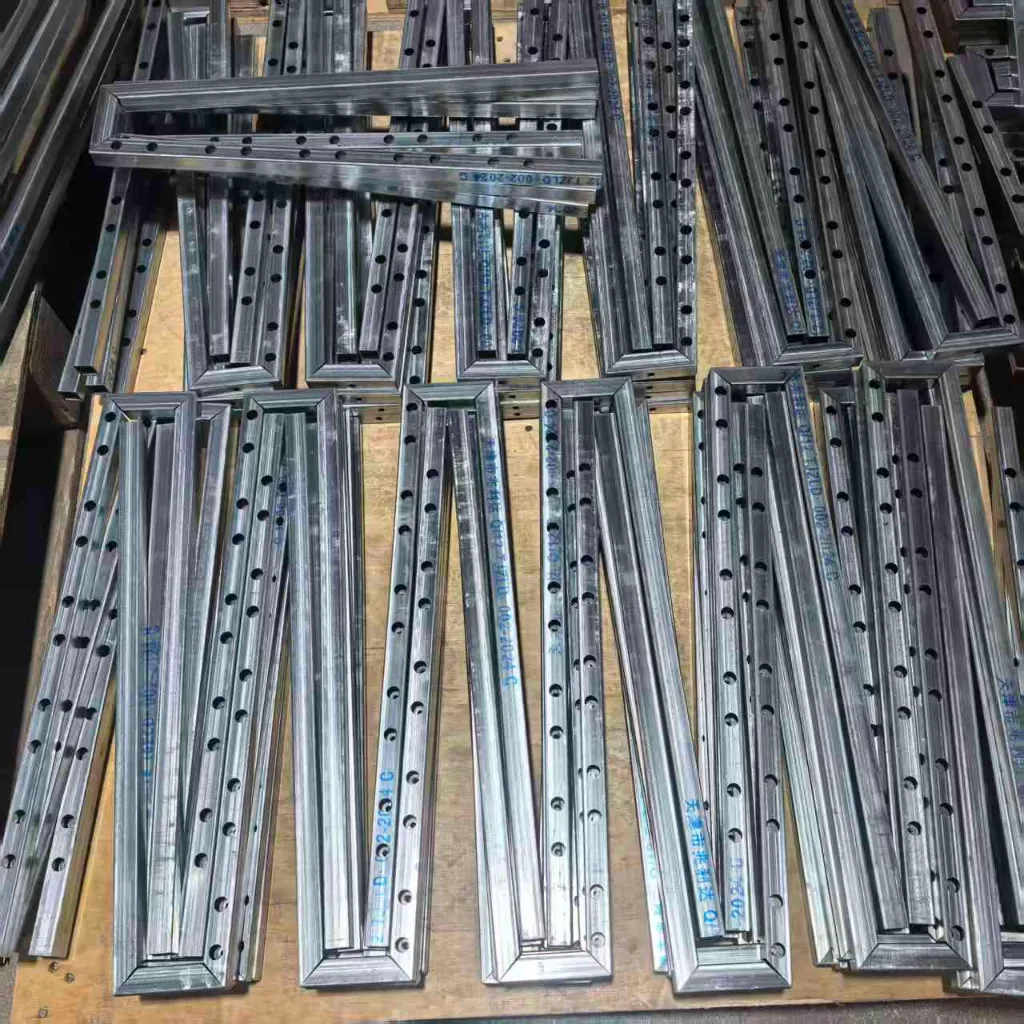
Square tube laser cutting has become a staple in modern manufacturing. It delivers clean cuts on metal tubes used everywhere from furniture to automotive parts. This guide dives into key practices to get the most out of it. Follow these tips, and projects run smoother.
Why Square Tube Laser Cutting Matters in Modern Manufacturing
Growing demand for precision metal fabrication
Square tubes pop up in all sorts of places. Think furniture frames, machine bases, and car structures. Demand keeps rising because these parts need exact fits. In furniture, square tubes give that sleek look without extra welding hassle. Mechanical frameworks rely on them for strength. Auto industry uses them for chassis bits that hold up under stress. It’s no surprise shops are busy with orders.
Advantages of laser cutting over traditional sawing or drilling
Laser cutting beats old methods hands down. Precision hits spot on, down to fractions of a millimeter. Speed? Way faster, especially on batches. Repeatability means every piece matches the last. Automation kicks in too, letting machines handle complex patterns without constant tweaks. Sawing leaves rough edges; lasers slice clean. Drilling can warp thin walls, but lasers keep things straight.
How Deshibo provides professional square tube cutting services
Deshibo steps in with top-notch square tube laser cutting. Years in the game mean they handle everything from prototypes to big runs. Their setup includes fiber lasers tuned for tubes, ensuring clients get reliable results every time.
Key Technical Challenges in Square Tube Cutting
Maintaining dimensional accuracy on all sides
Cutting square tubes means dealing with four flat sides. Angles must stay true, or the whole thing twists. Precision control gets tricky on longer tubes; vibration sneaks in. Measure twice, cut once – that’s the rule. Small errors add up fast in assemblies.
Managing heat input and avoiding edge deformation
Heat from the laser can warp edges if not handled right. Too much power melts the metal unevenly. Keep an eye on that; deformation ruins fits. Thinner tubes heat up quick, so dial back the intensity. It’s like cooking – overdo it, and everything burns.
Dealing with burrs and rough edges in thicker square tubes
Thicker tubes often end up with burrs. Those jagged bits snag on everything. Surface quality drops, needing extra cleanup. Common fix? Adjust the beam focus. Sometimes, it’s just the material acting up, like certain steels that resist smooth cuts.
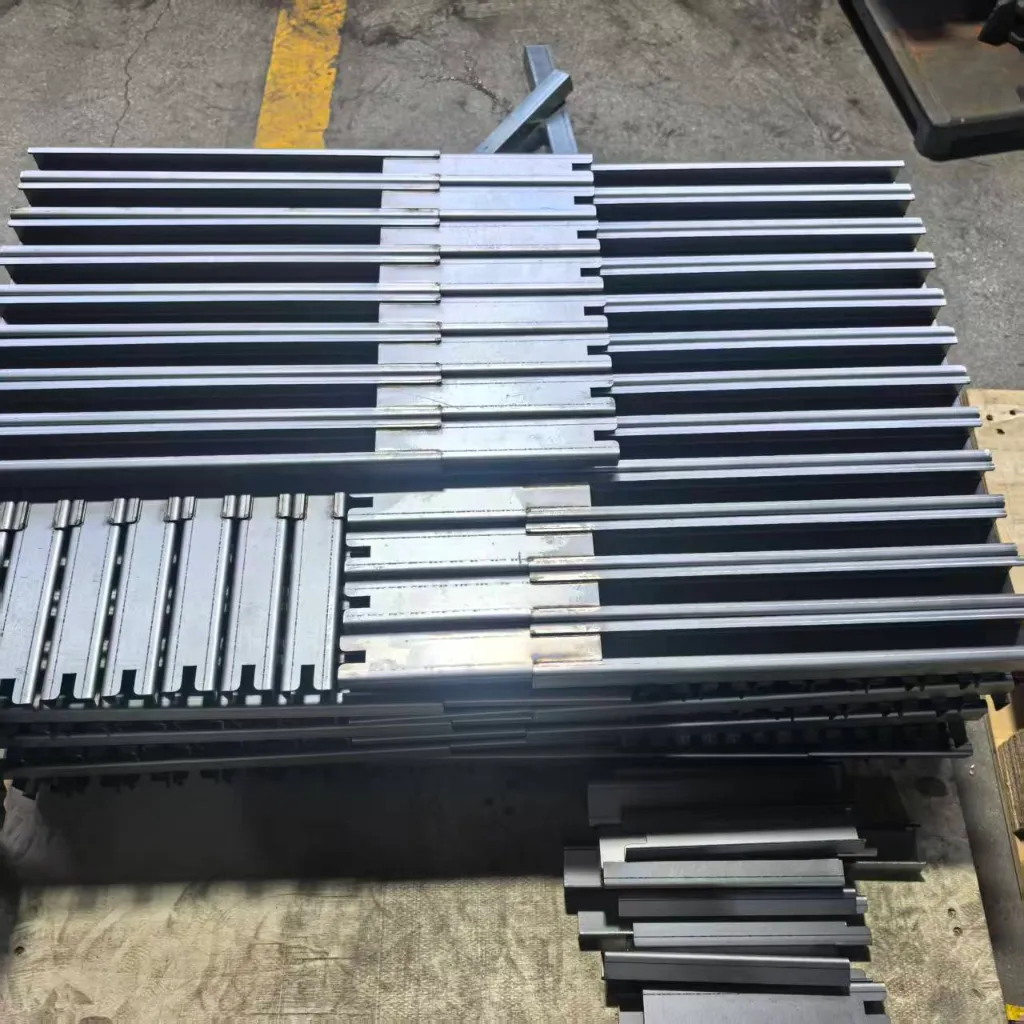
Essential Machine Settings for Square Tube Laser Cutting
Choosing the right laser source and power level
Pick a fiber laser for best results on metal tubes. Power matters: 1.5 to 3kW works for tubes under 3mm thick. Jump to 6kW or more for heavy sections. Too low, and cuts drag; too high, and you risk burns. Match it to the job.
Optimal focus and cutting speed adjustments
Focus the beam sharp. A tight spot means cleaner edges. Speed ties in – slow down for thick stuff, speed up for thin. Balance power with movement; get it wrong, and quality suffers. Trial runs help nail it.
Gas selection: Oxygen, Nitrogen or Air?
Oxygen boosts speed on carbon steel but leaves oxide layers. Nitrogen gives clean cuts on stainless, no discoloration. Air? Cheap option, but rougher finish. Costs climb with nitrogen, yet it’s worth it for looks. Choose based on material and end use.
Workholding and Alignment Best Practices
Importance of stable clamping and rotation accuracy
Clamping holds the tube steady. Loose grips lead to wobbles and bad cuts. Rotation must be spot on for all sides. It’s basic, but skip it, and the project tanks. Stable setups save time in fixes later.
Using automatic centering chucks and sensors
Auto chucks center the tube fast. Sensors detect shifts and adjust. This boosts repeatability on runs. No more manual fiddling; machines take over. Handy for odd shapes too.
Calibrating square tube positioning before cutting
Calibrate with CCD cameras or laser guides. Align the tube perfect before starting. Visual systems catch errors early. It’s a quick step that prevents headaches down the line.
Edge Quality and Post-Processing Considerations
Preventing oxidation and discoloration
Nitrogen cutting keeps oxidation at bay. Edges stay bright. Post-clean with brushes or chemicals if needed. Discoloration? Often from wrong gas. Simple swaps fix it.
Ensuring weld-ready edges for fabrication
Weld edges need to be flat, no burrs. Lasers can deliver that if settings are right. Rough spots? Grind them out. Smooth edges weld easier, stronger joints.
Common inspection standards for cut quality
Check surface roughness with gauges. Dimensions should hit within 0.1mm tolerances. Verticality matters – edges perpendicular. Standards like ISO 9013 guide this. Miss them, and parts fail inspection.
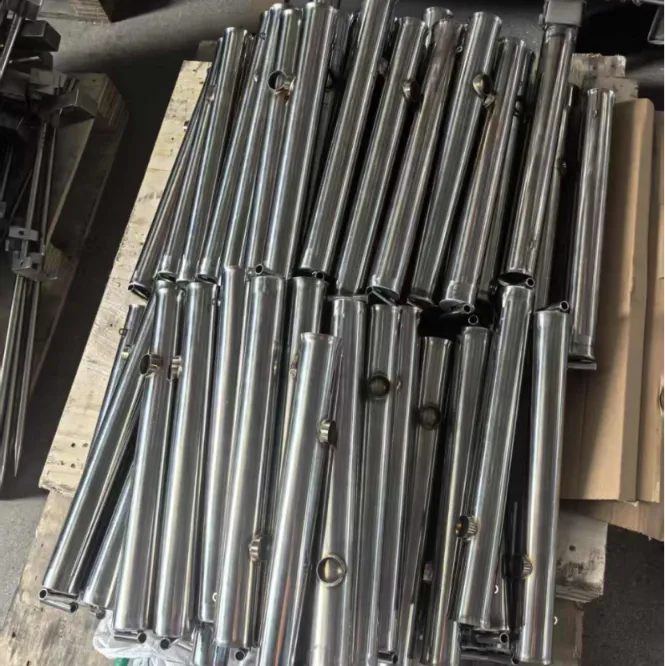
Cost Efficiency and Material Utilization
Reducing tube waste through optimized nesting
Nesting packs cuts tight on the tube. CAD/CAM software automates it, boosting yield. Less scrap means lower costs. Smart layouts fit more parts per length.
Benefits of automation in square tube production
Automation handles loading and unloading. Switches tools quick. Cuts labor, ramps speed. Fewer errors too. It’s a game changer for busy shops.
Deshibo’s approach to balancing precision and productivity
Deshibo nails this with tuned systems. Their tech keeps cuts precise while churning out volume. Experience shows in efficient runs without skimping on quality.
Future Trends in Square Tube Laser Cutting
Integration of AI-based cutting parameter adjustment
AI tweaks parameters on the fly. Adapts to material changes. Self-learning systems cut downtime. It’s coming fast, making ops smarter.
Advanced monitoring for real-time quality assurance
Smart cameras watch cuts live. Spot defects early. Integration with software flags issues. Keeps quality high without stops.
Sustainability and energy-efficient cutting practices
Go green with efficient lasers. Recycle scraps. Low-power modes save energy. Eco-friendly gases cut emissions. Trends push for cleaner shops.
Why Choose Deshibo for Professional Laser Cutting Services
Advanced equipment and experienced engineers
Deshibo runs cutting-edge fiber laser tube cutting services. Engineers know their stuff, handling complex jobs.
Custom square tube cutting solutions for diverse industries
Tailored for furniture, autos, structures. Metal fabrication laser cutting fits any spec.
Reliable delivery and consistent quality assurance
On-time shipments, every time. Checks ensure best laser cutting settings for tubes.
Conclusion
Square tube laser cutting boils down to precision, right settings, and smart handling. Tackle challenges like heat and burrs head-on. Automation and nesting cut costs. Future tech like AI ups the game. Deshibo stands out with pro services in laser cutting for square pipes and structural tubes. Contact Deshibo today to discuss your custom laser cutting requirements.
FAQ
Q1: What is square tube laser cutting?
It’s a process using lasers to cut square metal tubes precisely. Ideal for fabrication in various industries.
Q2: How does laser cutting improve over traditional methods?
Offers better accuracy, faster speeds, and cleaner edges. Less waste too.
Q3: What power level is best for thick square tubes?
For heavy sections, aim for 6kW or higher. Adjust based on material.
Q4: Why use nitrogen gas in cutting?
It prevents oxidation, giving smooth, clean edges without discoloration.
Q5: How can nesting reduce waste?
By optimizing layouts in software, more parts fit per tube length.
